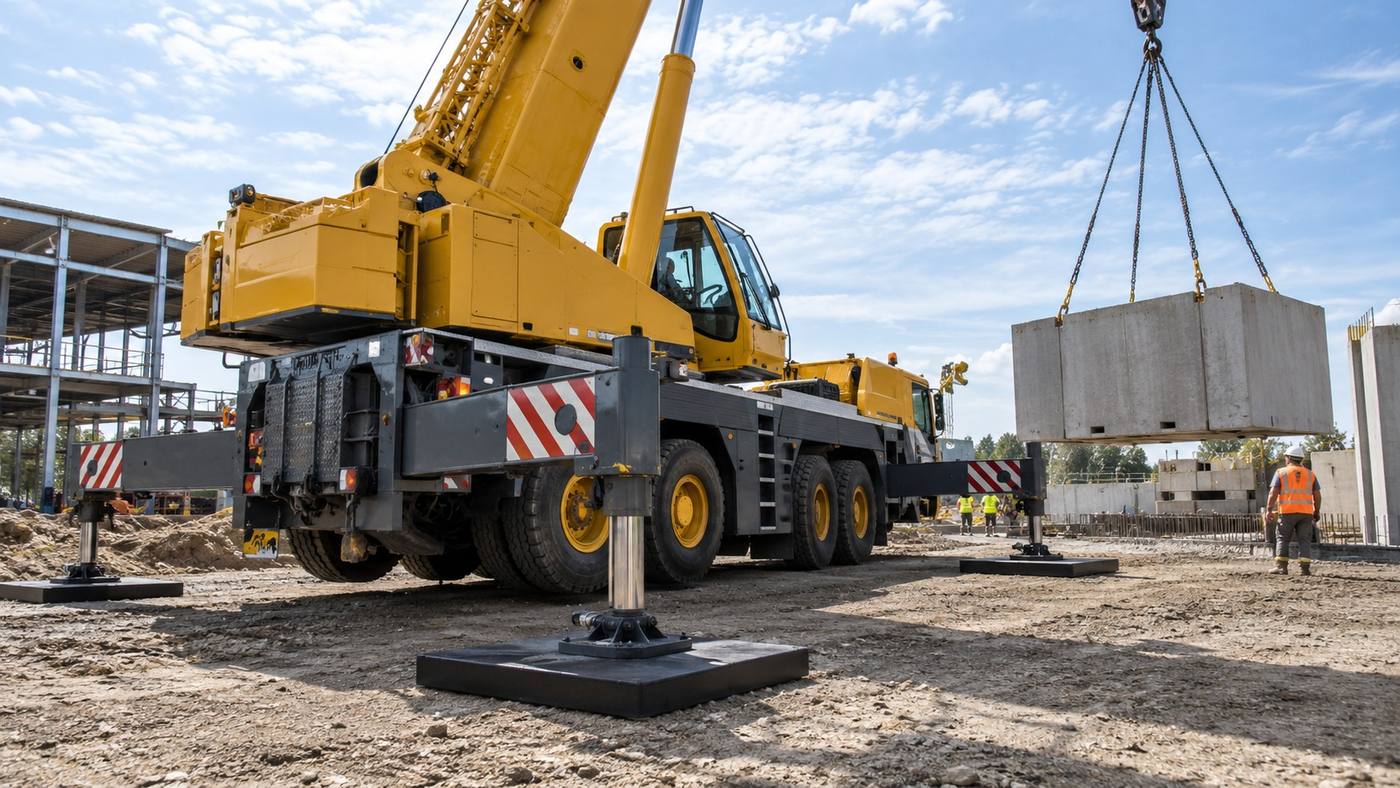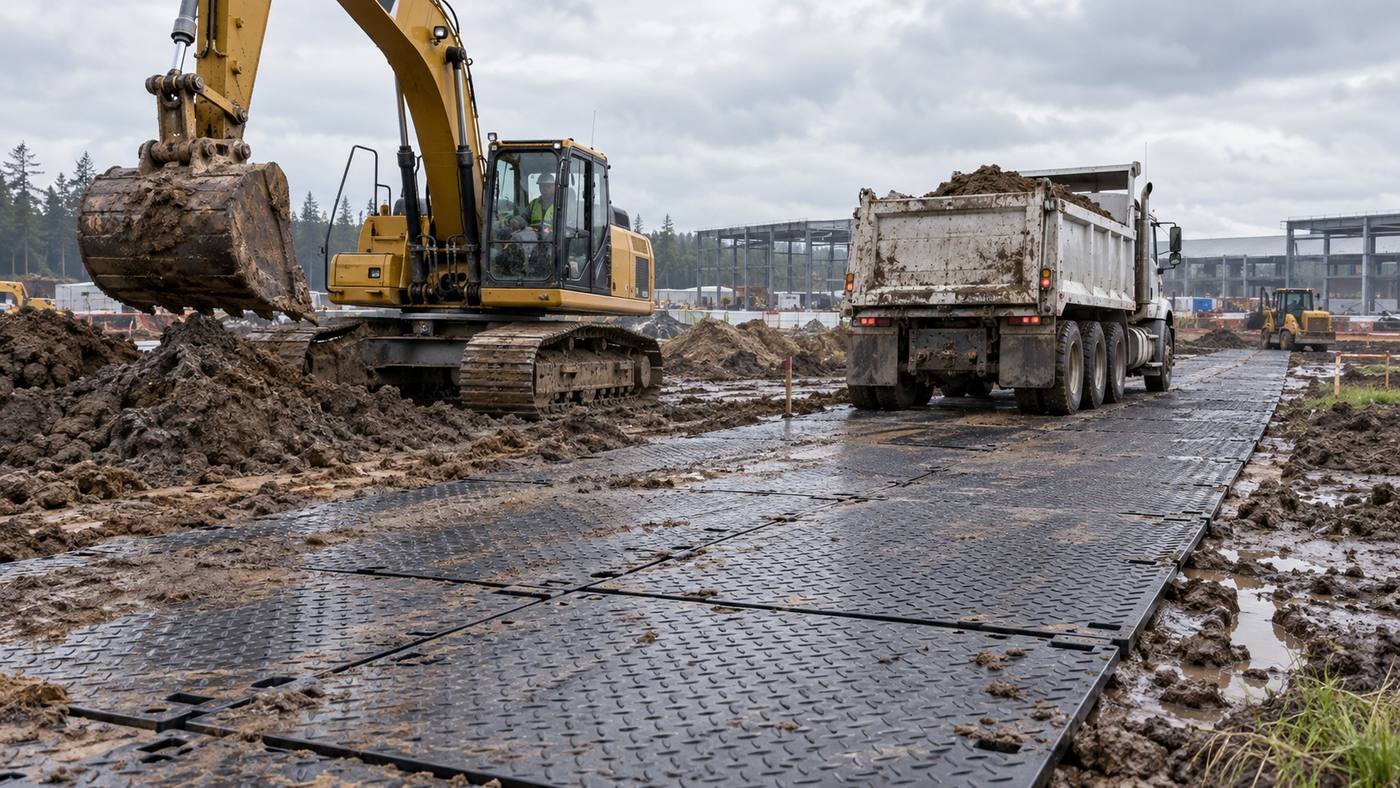
It is suggested that a short question-and-answer be established as to what needs to be done before temporary roads in mining areas are laid: the site is a mosaic, refilled and gravel mixed ground, with the main anomaly being the unsolved precipitated precipitous stress caused by sharp or empty stones, who is the target and when recovery is necessary. This distinguishes between security issues that must be immediately isolated, control issues that can be maintained, and long-term issues that need to be redesigned.
Purchasing or technical staff should first match vehicle axle loads, tyre landings, road slopes, curve radiuss, water-bearing rates and grass-roots loads with site photographs, and, in particular, indicate the location where the unsolved sharpstones or holes caused the suspense. The proposal is for the completion of load assessment, levelling, drainage and isolation, but the length, width, thickness, weight, surface, hole level and permitted temperature of the pavement are still to be checked prior to implementation. Where products need to be relocated repeatedly, the ceiling for manual removal and mechanical posts should also be included in the selection.
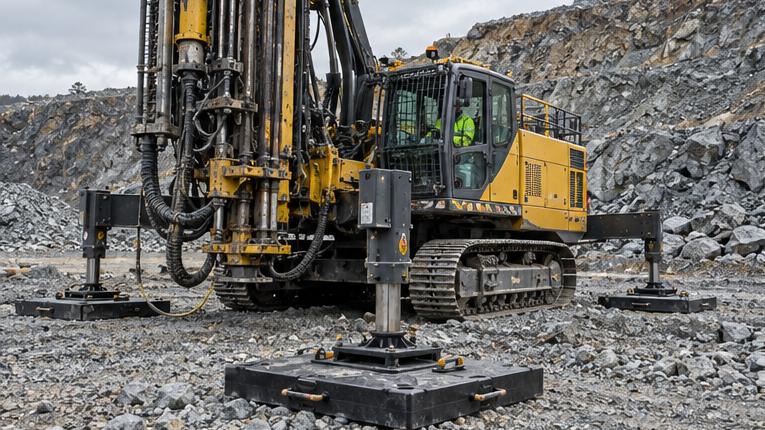
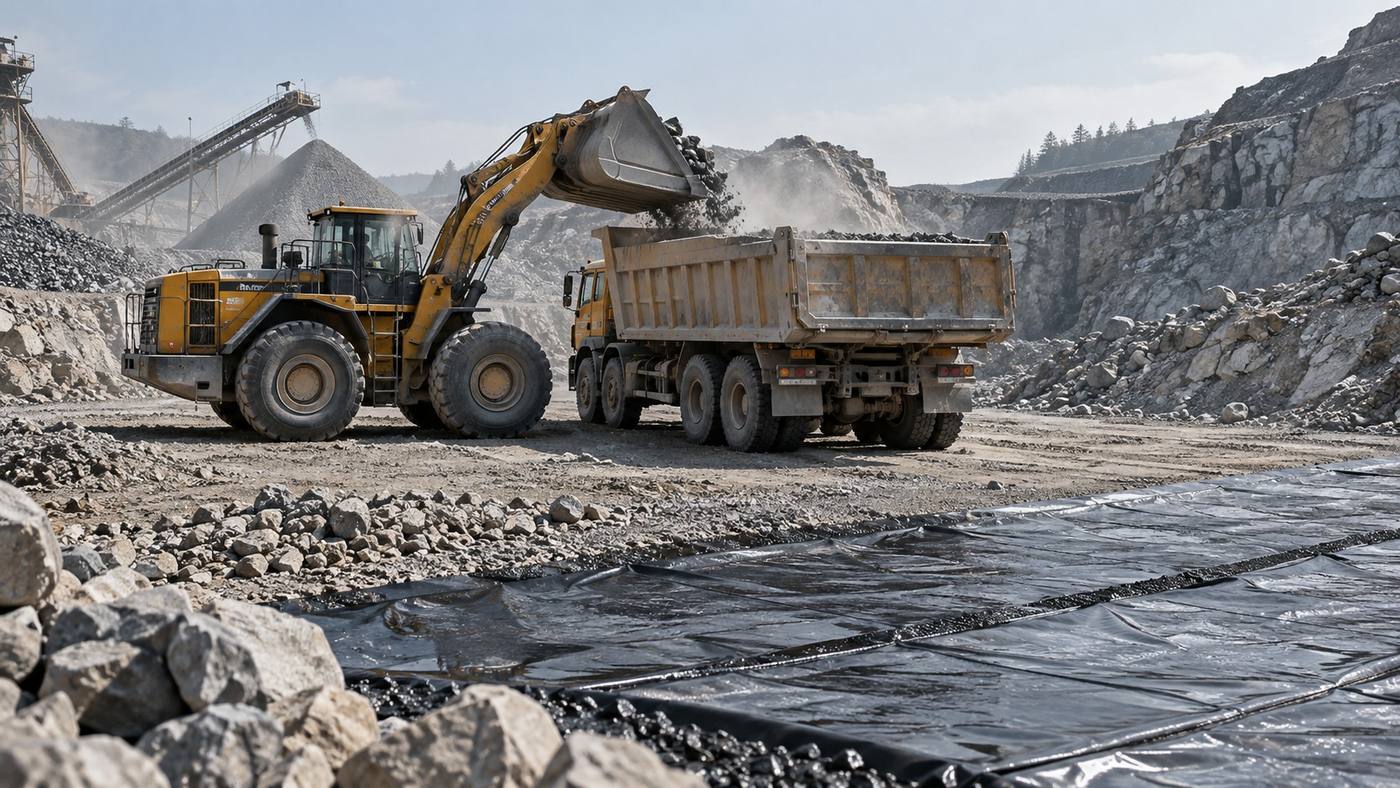
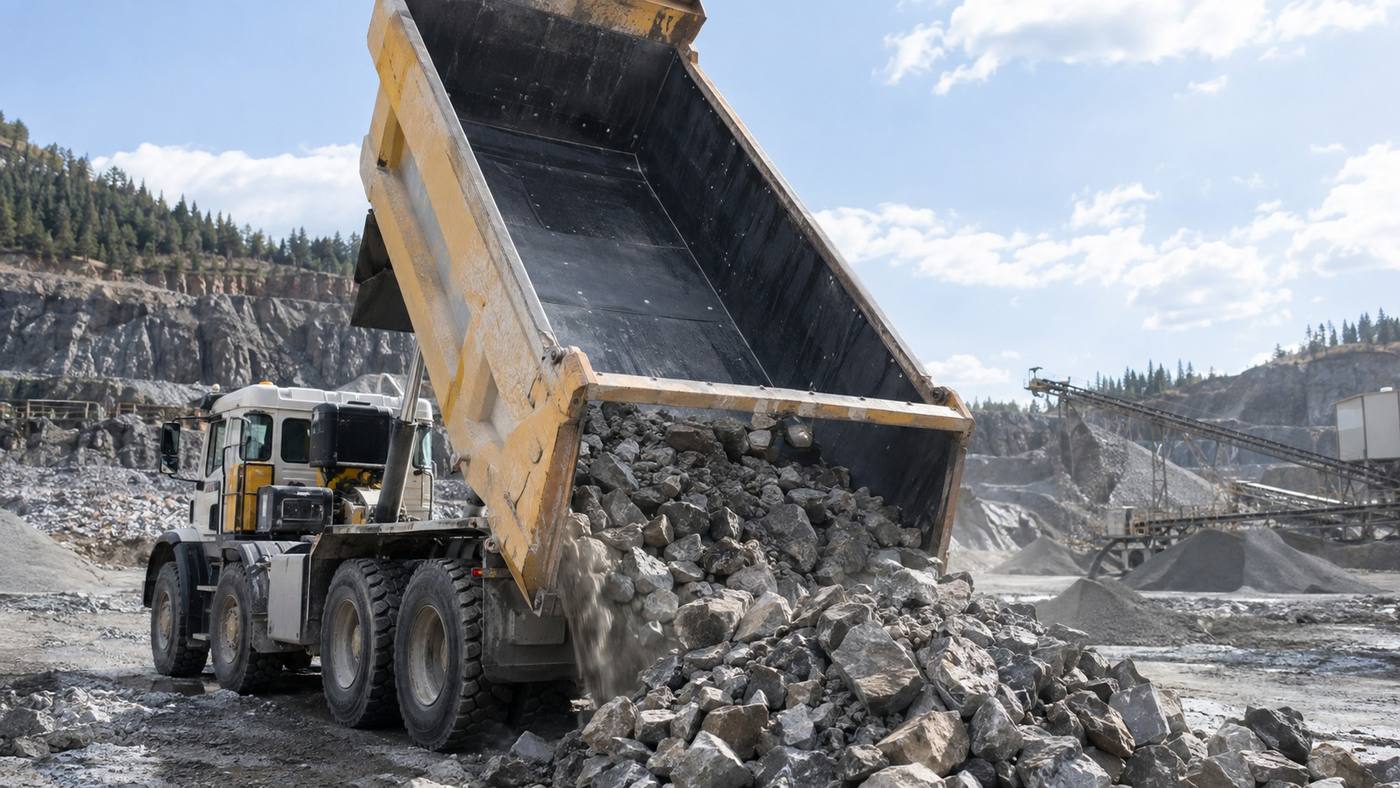
Figure: Ground mixed with solid soil, backfill and gravel
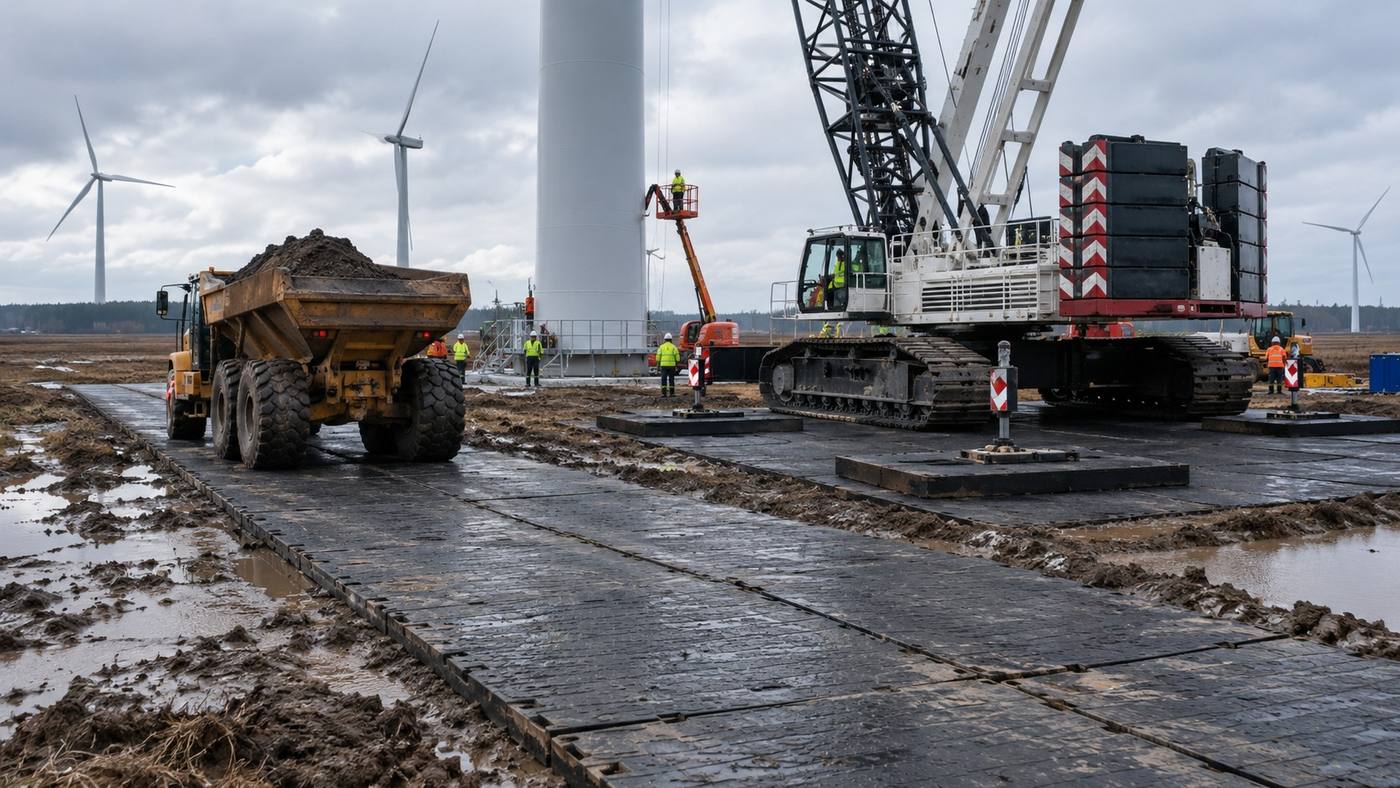
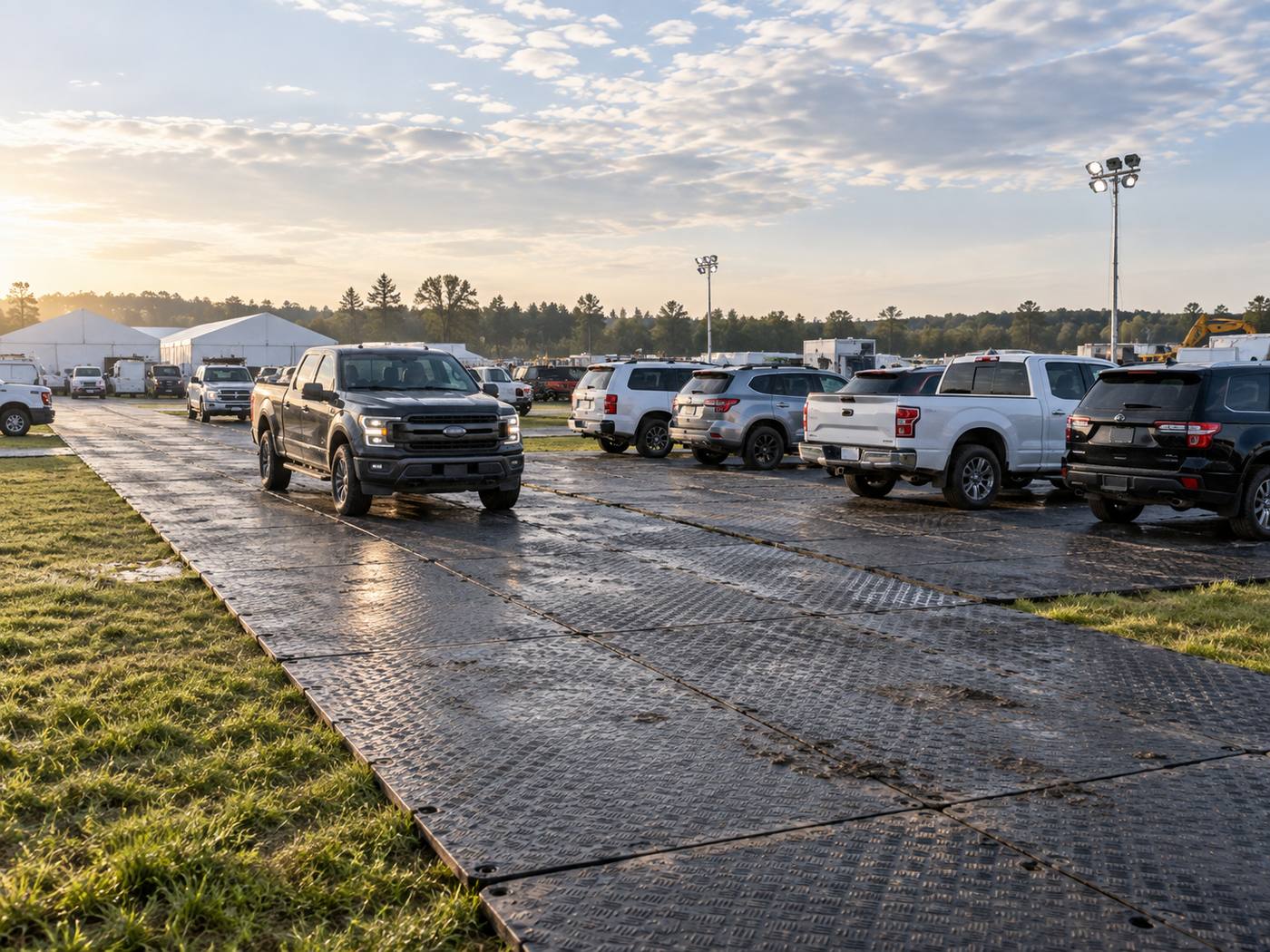
The field organization also decides to use effects. The area of operations should have clear traffic flow, quarantine coverage and abnormal parking standards, and the installation personnel should use loads that match the weight. Road boards are seen as interim layers rather than ground-based alternatives. In the event of the discovery of abnormal substrates that continue to sink, feeder overload, liner arches or connects, the use of the substrate must be discontinued and the reasons identified, and the problem cannot be covered by accelerated passage, repeated lifting or temporary pressure.
A shorter review cycle could be used at the beginning of the operation to confirm that the product has stabilized and is adjusted. The inspection included drainage vents, sews, edges and soft spots, and also observed whether operators complied with speed limits, lifting or moving requirements. Deep mouths, burns, permanent warp, loose-stretched solids and perforations are expanded and photo measurements should be made; parts that meet the decommissioned conditions must be placed in separate lists.
Purchase prices are only part of the cost from a life cycle perspective. Installation, removal, cleaning, decommissioning, spare parts, return belts or steel structural repairs should also be calculated. Once the data are built around the unsolved precipitated precipitating capacity of the pebbles or holes, the project will be able to determine whether the completion of the load assessment, levelling, drainage and isolation treatment actually reduces the combined costs and provides a reusable basis for the next procurement.
If the conditions on the ground are different from the assumptions in this paper, the application of the conclusions should be suspended and reassessed. In particular, lifting, drilling, ramping and self-lifting operations are subject to equipment instructions, risk assessment and local legal requirements. The creative plastics industry can assist in product selection on the basis of confirmed data, but final placement, operating licences and on-site custody are subject to approval by the responsible party for the project.
Need for further evaluation of the actual project?
Applications, sizes, quantities, site photographs or drawings and delivery destinations are sent, on which we can identify more suitable products and processing programmes.