When discussing what to measure prior to the installation of a self-loading liner for mineral use, the objectives should be identified: whether to restore temporary passage, maintain equipment stability, improve the integrity of the discharge or extend the life of the vehicle. The different brands and the repair-historic cars tend to have multiple objectives at the same time, and the ease of return to work on site by nominal size alone is usually the first vulnerable. Quantifying the problem would avoid the use of temporary products as a panacea.
Data can be reviewed in the “Equipment-based-product-operated” column: the equipment column records the hardness of the ore, the maximum size, the difference in the load, temperature, the size of the vehicle, the distribution of wear and tear, and the life objective. The base column describes the weakest areas, the product column specifies the slab specifications of the vehicle, and the operating column contains measurements of bottom length, side height, corner, welding, hole and lifting interference. If one of the four columns still relies on speculation, it is not a matter of urgency. Especially for products with the same nominal thickness, feedstock, processing, size differential and connection design may still differ.
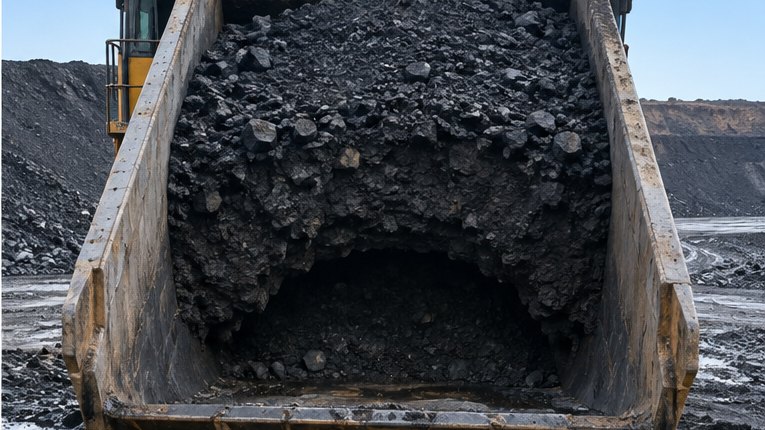
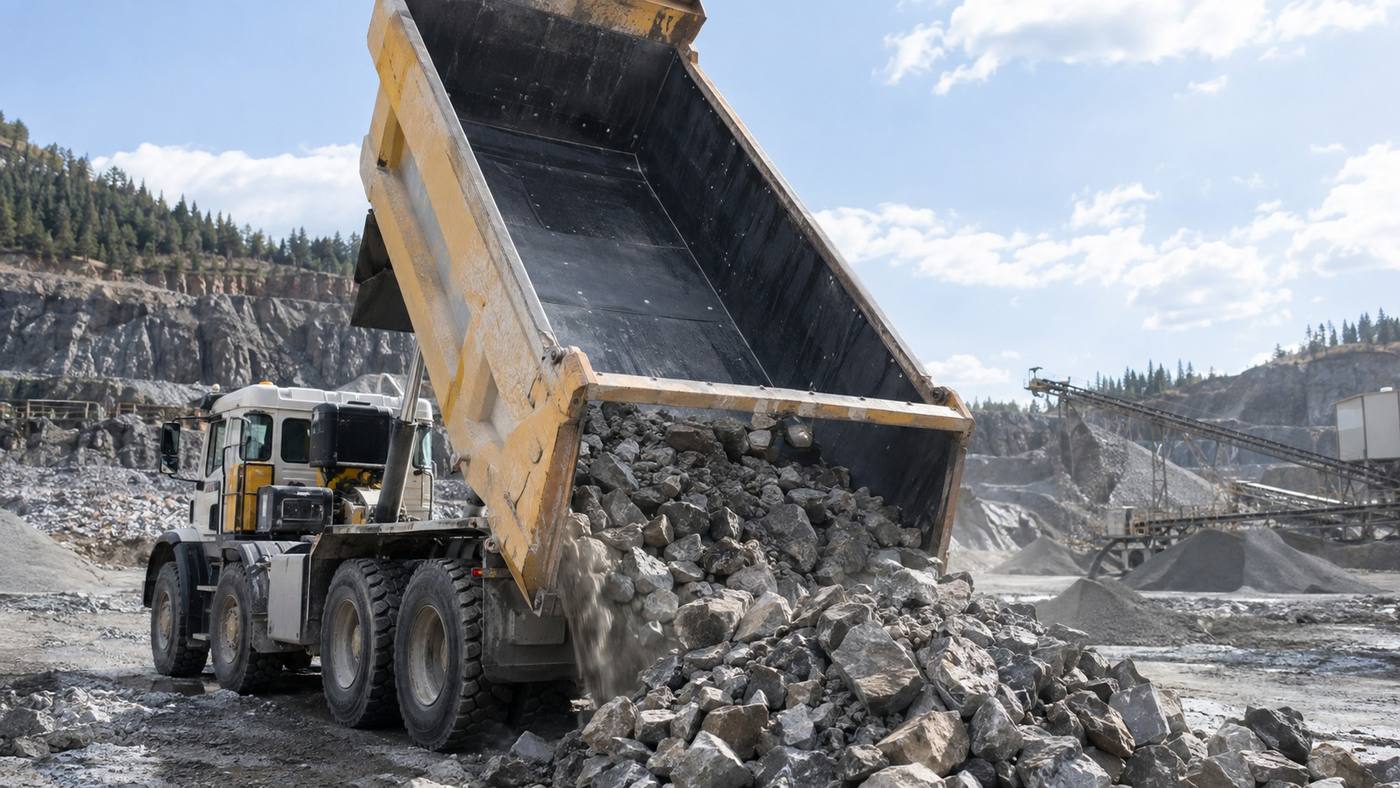
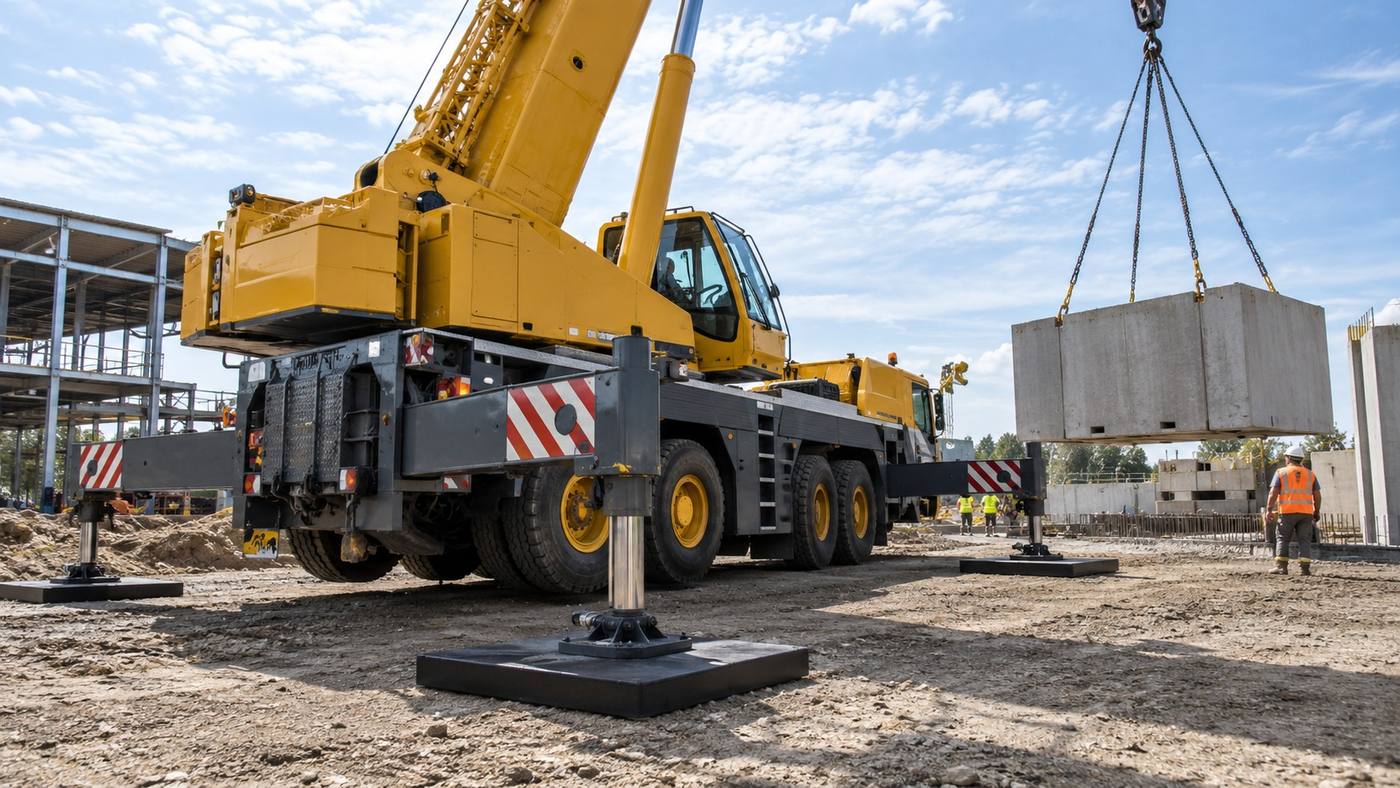
Figure: Cars with different brands and historical maintenance
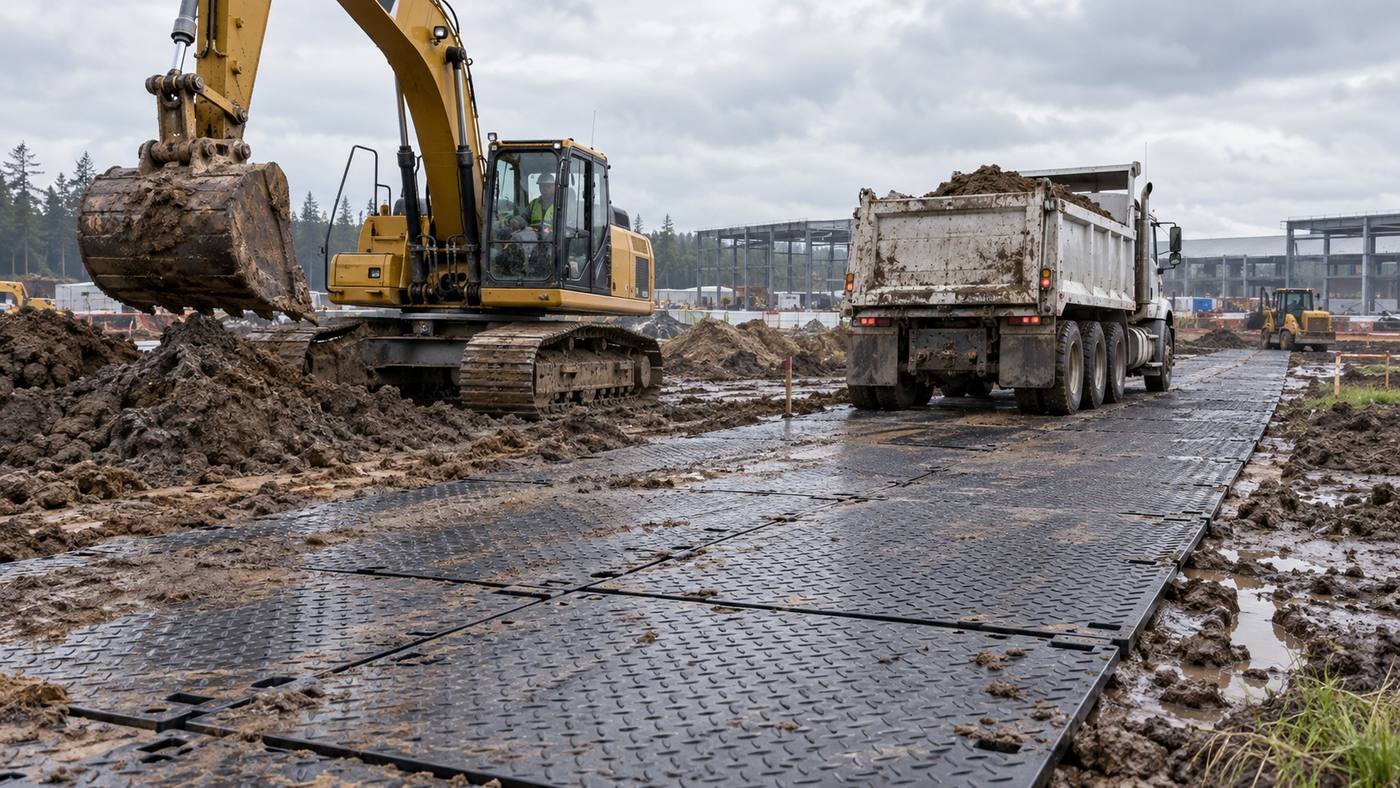
The product and field base should be used as a system for acceptance and acceptance when landing. The lining is both a waste material and part of the protection system of the car ' s structure. Once the laying, support or lining is completed, full contact, flatness, edge transition, tight state and interference with tyres, feet, lifting bodies are checked; the pilot operation begins with low-risk work and is gradually restored to the planned capacity after the site manager has confirmed that there are no anomalies.
Once operational, pre-class and post-hot weather focus on remaining thickness, hardware, edges, cracks and grass-roots corrosion. It is recommended that each key component be numbered and that the inspection date, location, vehicle or equipment, unusual photographs and processing results be included in the desk account. Tools that do not cut the surface of polymers should be used in cleaning; permanent deformation, cross-cracking, pore tearing or abnormal grinding should be isolated and treated according to manufacturer standards.
Receiving and inspection information shall keep the product batch, installation chart, site photographs, initial dimensions and trial running records. In the future, when it is easy to return to work on site only by nominal size, it is possible to determine whether the anomaly arises from initial installation, changes in condition or natural wear. For reusable pavements or leg pads, this set of records will also facilitate the rapid matching of suitable locations for the next transfer.
The ultimate goal is not simply to install a product, but to keep different brands and historic cars running at acceptable risk. Approval of the programme should be accompanied by the use of restrictions, inspection responsibilities, decommissioning criteria and evacuation methods. This would not lead to a return to work on site on a nominal scale as a result of a lack of information, even if there were changes in personnel or shifts.
Need for further evaluation of the actual project?
Applications, sizes, quantities, site photographs or drawings and delivery destinations are sent, on which we can identify more suitable products and processing programmes.