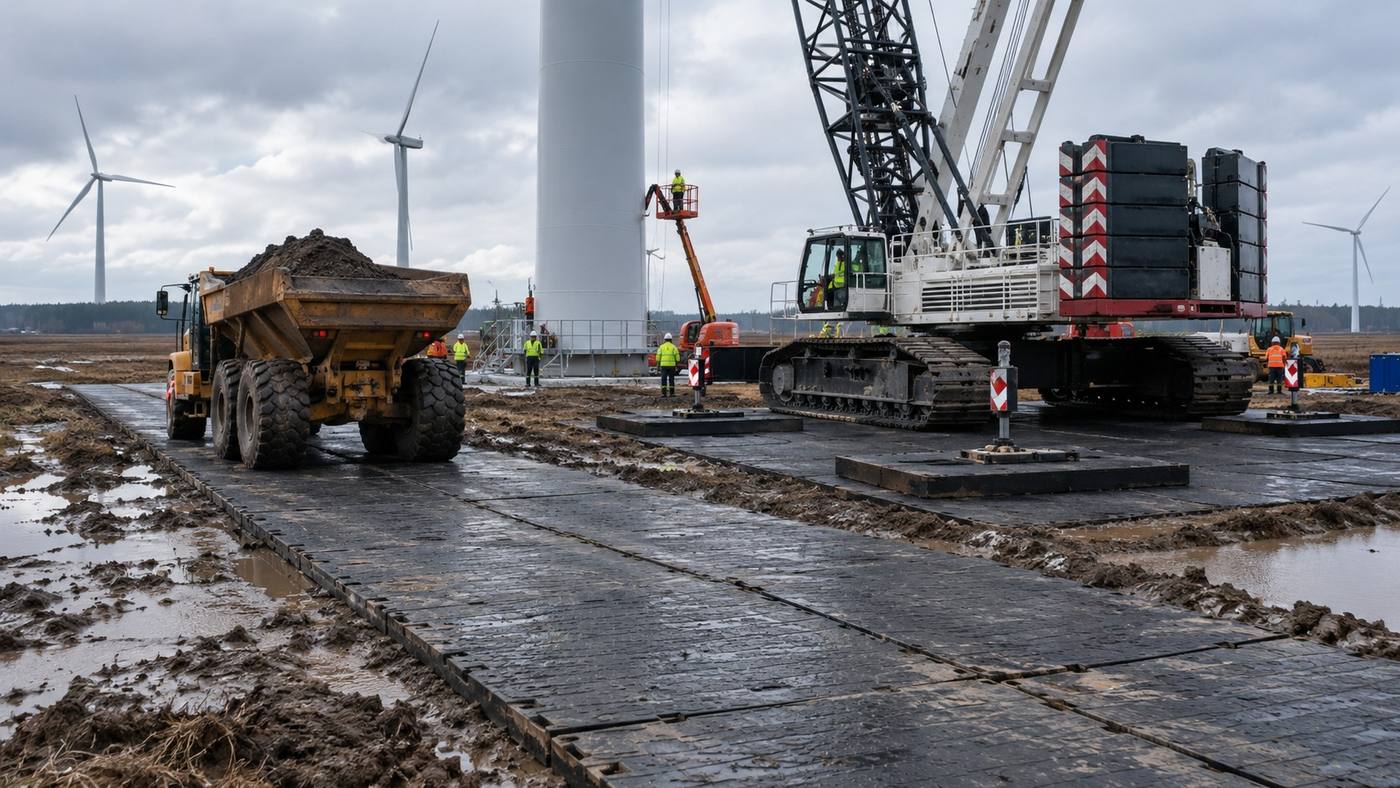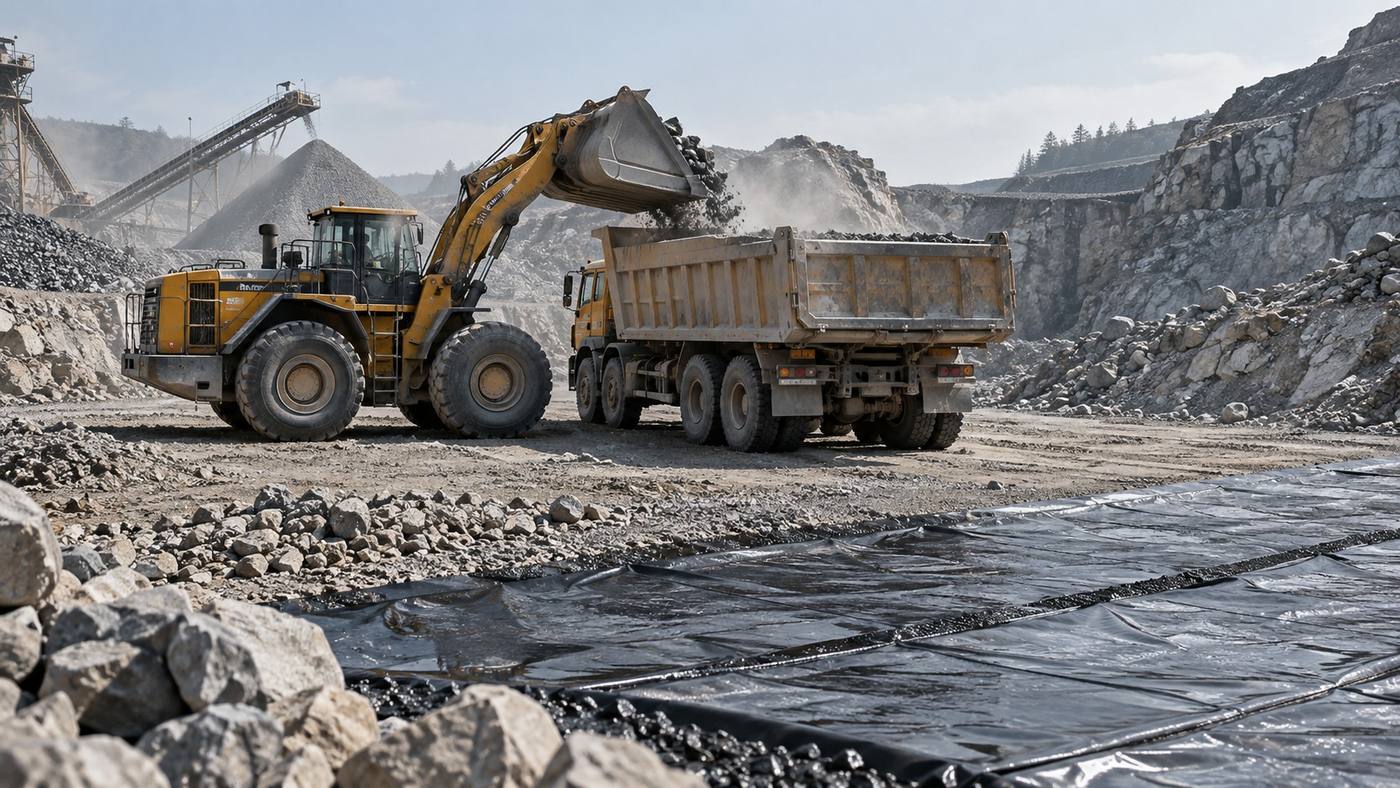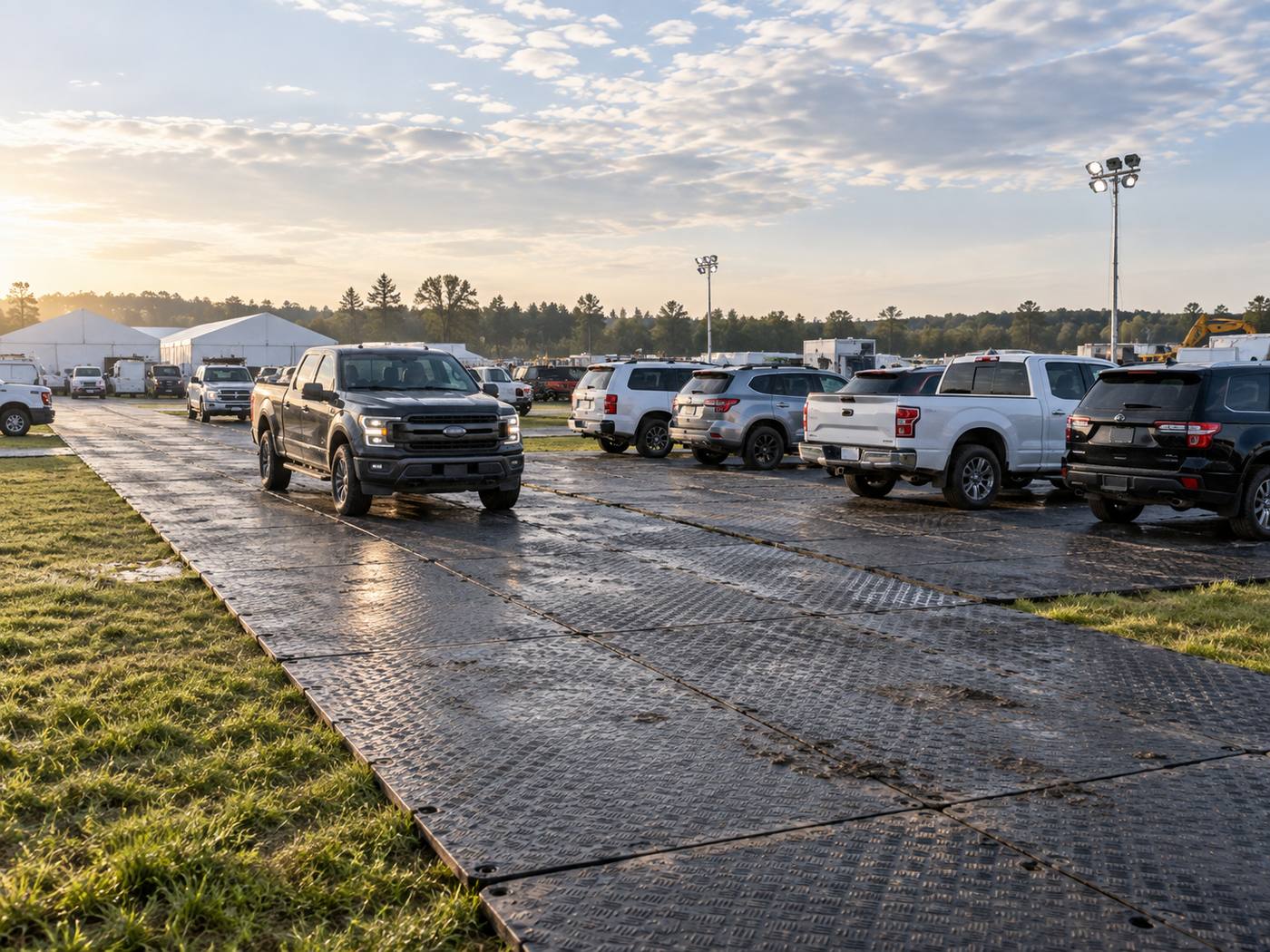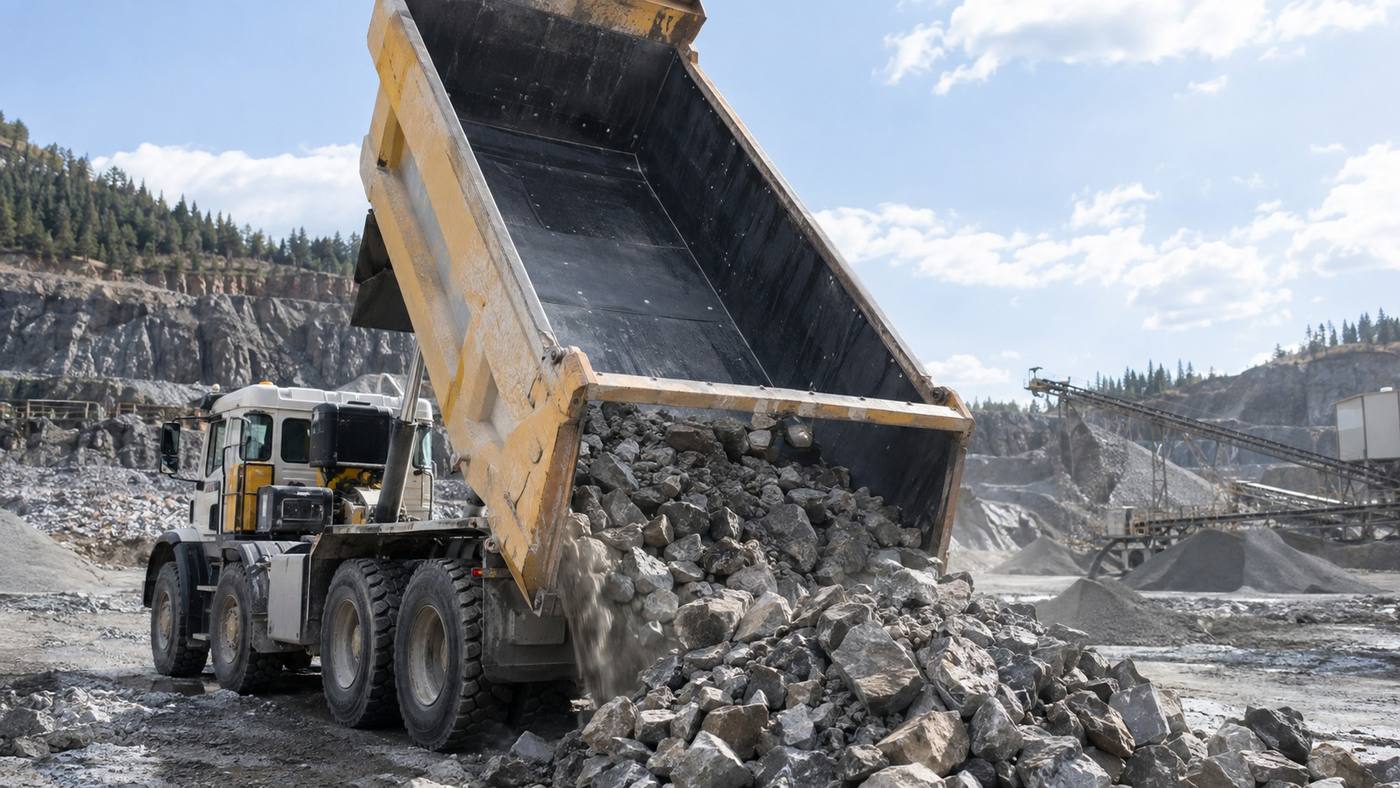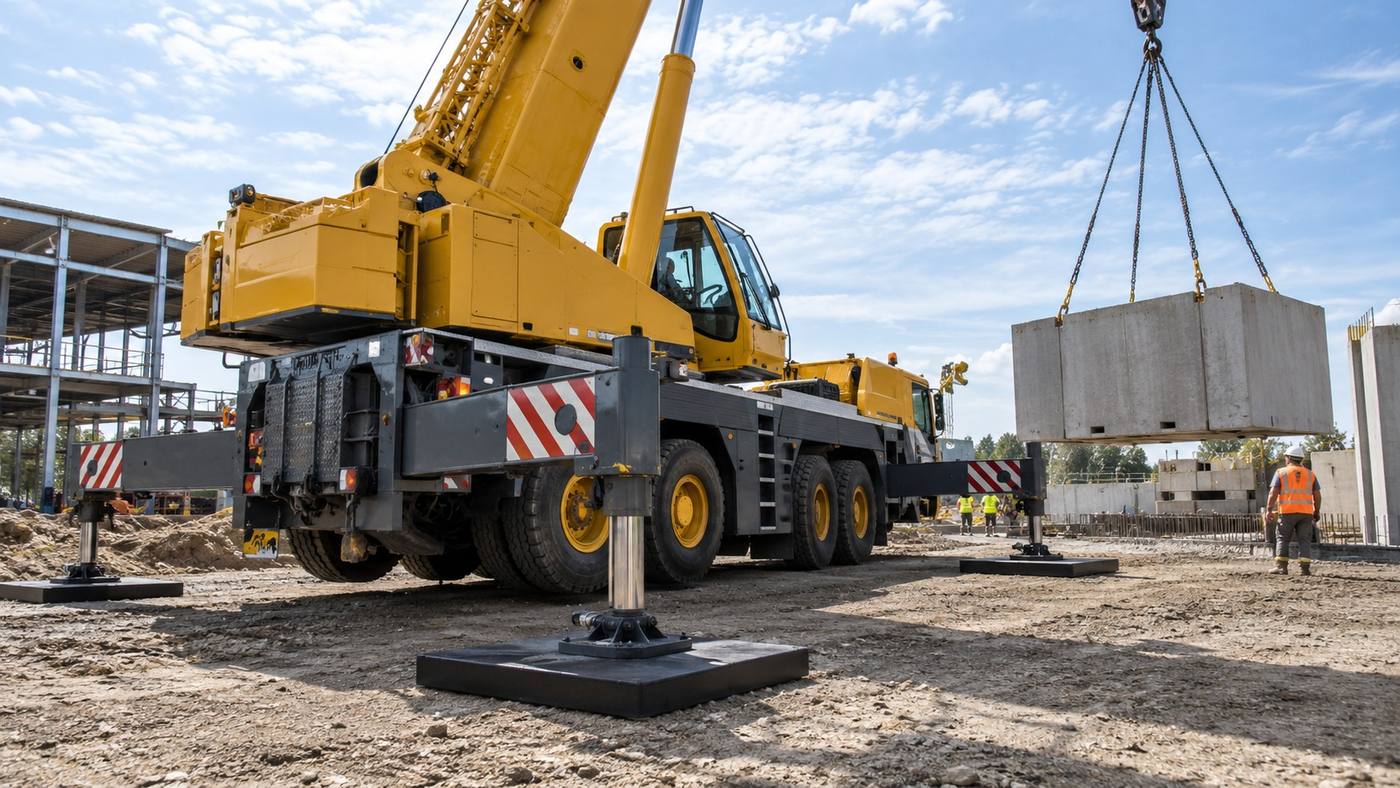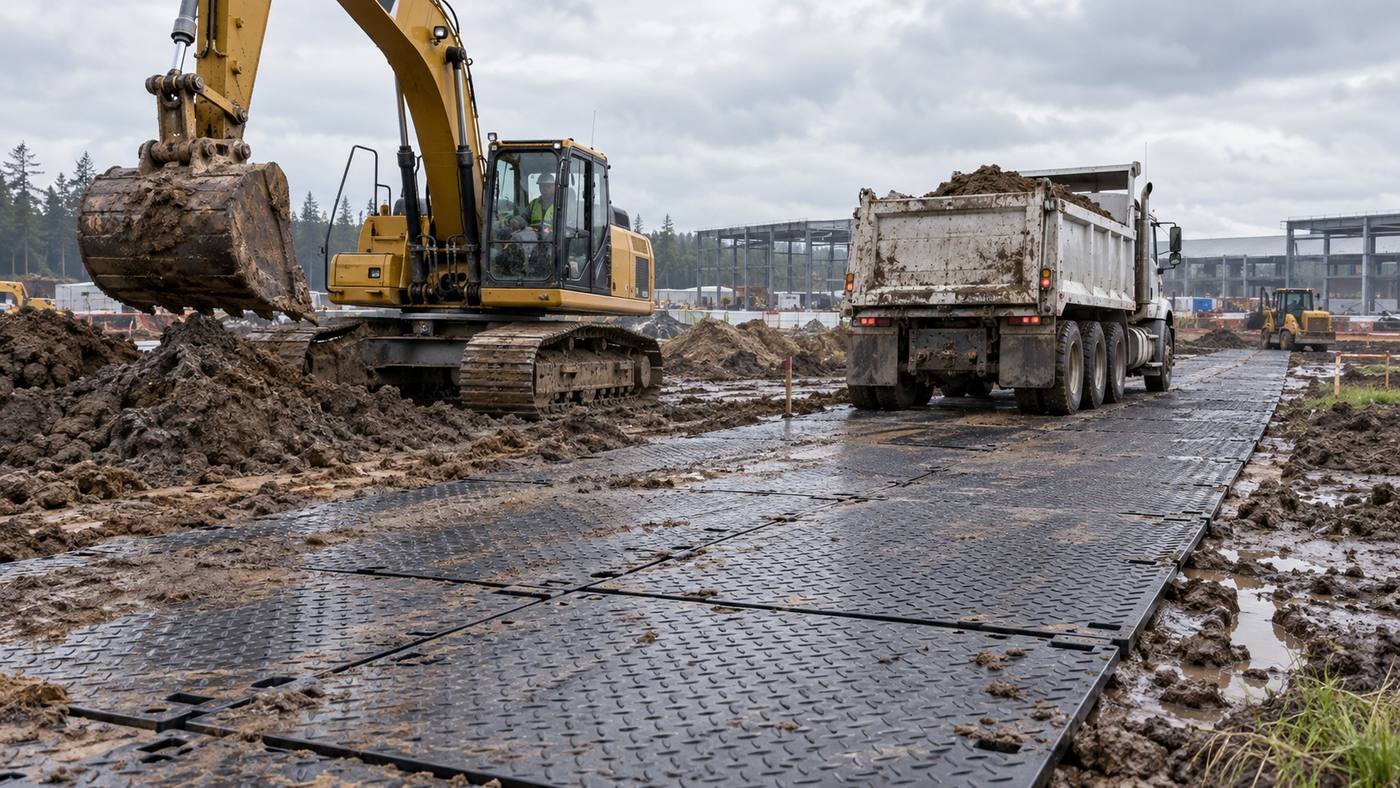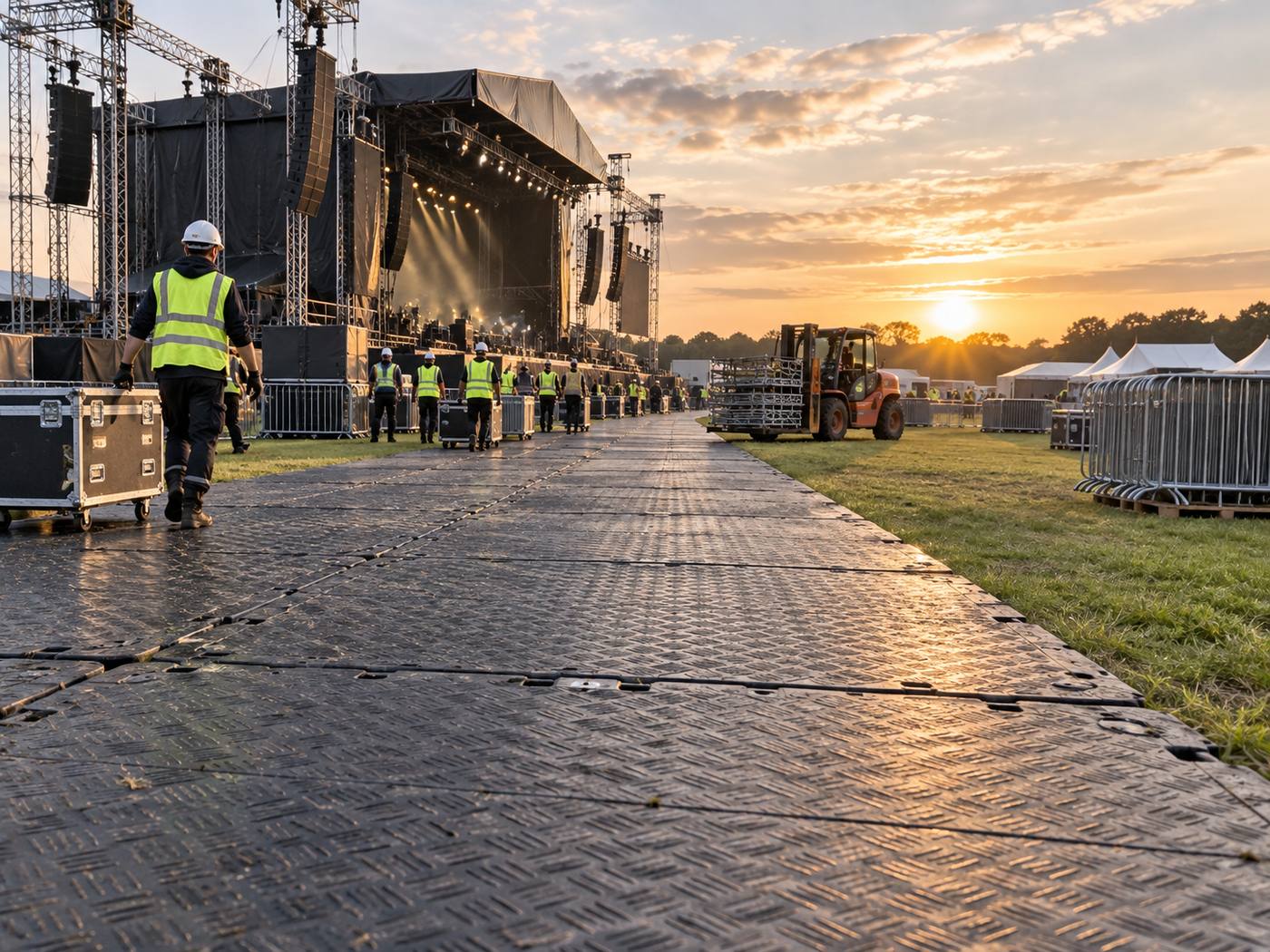
With regard to the flatness of the leg pads on the ground, it was suggested that a short question statement should be established: the site would be the hanged ground mixed with coarse and large stones, and the main abnormality would result in an uneven or swinging of the pads, who would affect them and when they would have to be restored. This distinguishes between security issues that must be immediately isolated, control issues that can be maintained, and long-term issues that need to be redesigned.
Prior to the design of the programme, it was recommended to collect the crane condition, the length of the crane arm, the revolving position, the maximum retroactivity of the leg, the foot size and the ground-based load. When communicating with suppliers, photographs, size charts and the most unfavourable work conditions should be provided, rather than giving only one “mass tonnage”. More appropriate control actions for this topic are: the removal of tipping points, the laying of evenly looking for layers and the confirmation of full contact with the pads. The material number, the size of the finished product, the thickness difference, surface texture, connection or fixation, the working temperature and the test conditions for the data are also to be confirmed when it is involved with the leg cushion. The usual specifications of 15, 20, 25 or 30 mm can only serve as the starting point for the request for quotations and cannot directly substitute for the engineering judgement.
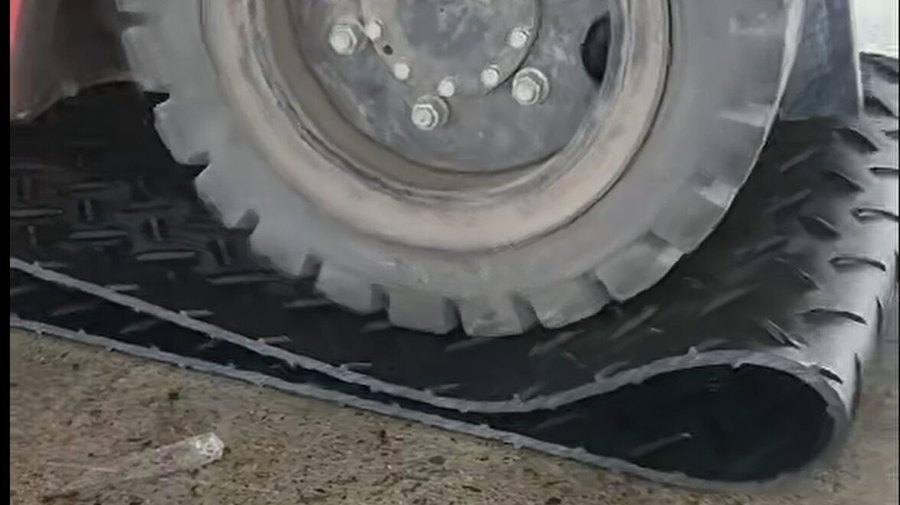
Figure: Grided ground with coarse and large stones (materials from the web)
If on-site space is restricted, progress cannot be moved by reducing the necessary coverage or moving points to the edge. The traffic organization, equipment station or installation sequence should be re-checked so as to remove tippings, evenly search the floors and confirm that there is sufficient implementation space for full access to the pads. The leg pad extended the area of stress but could not repair the unsatisfactory foundations. The first round of operations is reviewed immediately after completion, and early relaxation or relocation is usually easier to correct than long-term damage.
The site inspection should not simply be “normal”. Deposition, slide, edge distance and underground facilities should be selected on a case-by-case basis and anomalies should be classified into three levels of observation, restriction and decommissioning. In cases where repeated point contact in the same area would result in an uneven or swinging of the padboard, a complete construction order should be created. The removed plates or pads are cleaned, dry, flat and stored in salaried areas.
If the project is ready to expand its application, it is recommended that it be preceded by a common review of operations, maintenance, security and procurement. Operators confirm the ease of use, maintenance staff confirm the feasibility of inspection and replacement, security personnel check the conditions for decommissioning, and procurement staff deliver spare parts in comparison with spare parts. Multiple opinions can test the removal of tipping points, the equilibration of the floor and whether full-board contact is really implementable outside the paper.
The safety floor does not change due to the tight working schedule. In the event of an unknown foundation, posturing of equipment in excess of the Manual, damage to components or failure to isolate persons, operations should be suspended and approvals upgraded. Any improvement to point exposure that would result in an uneven or swinging of the padboard must be confirmed without introducing a new slide, overload, trip or maintenance risk.
Need for further evaluation of the actual project?
Applications, sizes, quantities, site photographs or drawings and delivery destinations are sent, on which we can identify more suitable products and processing programmes.