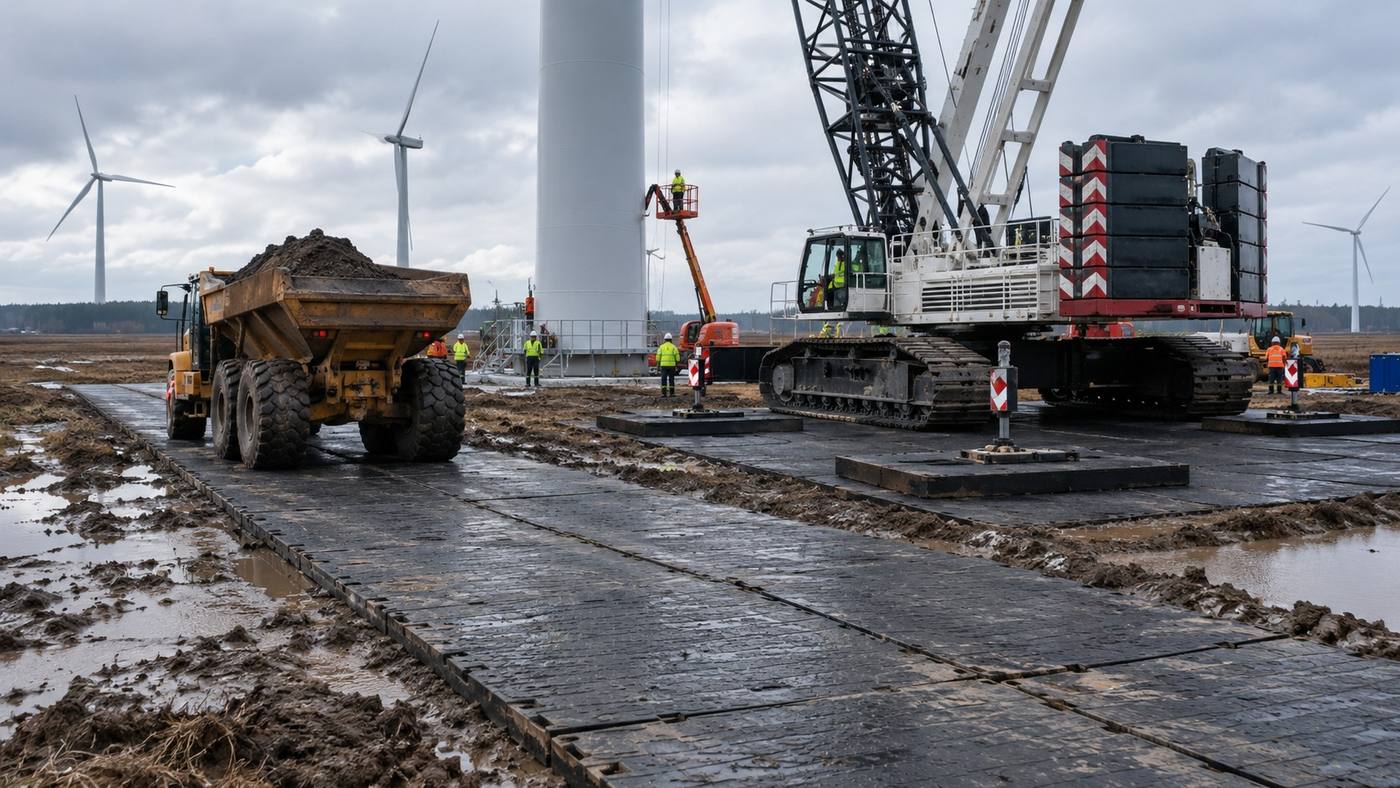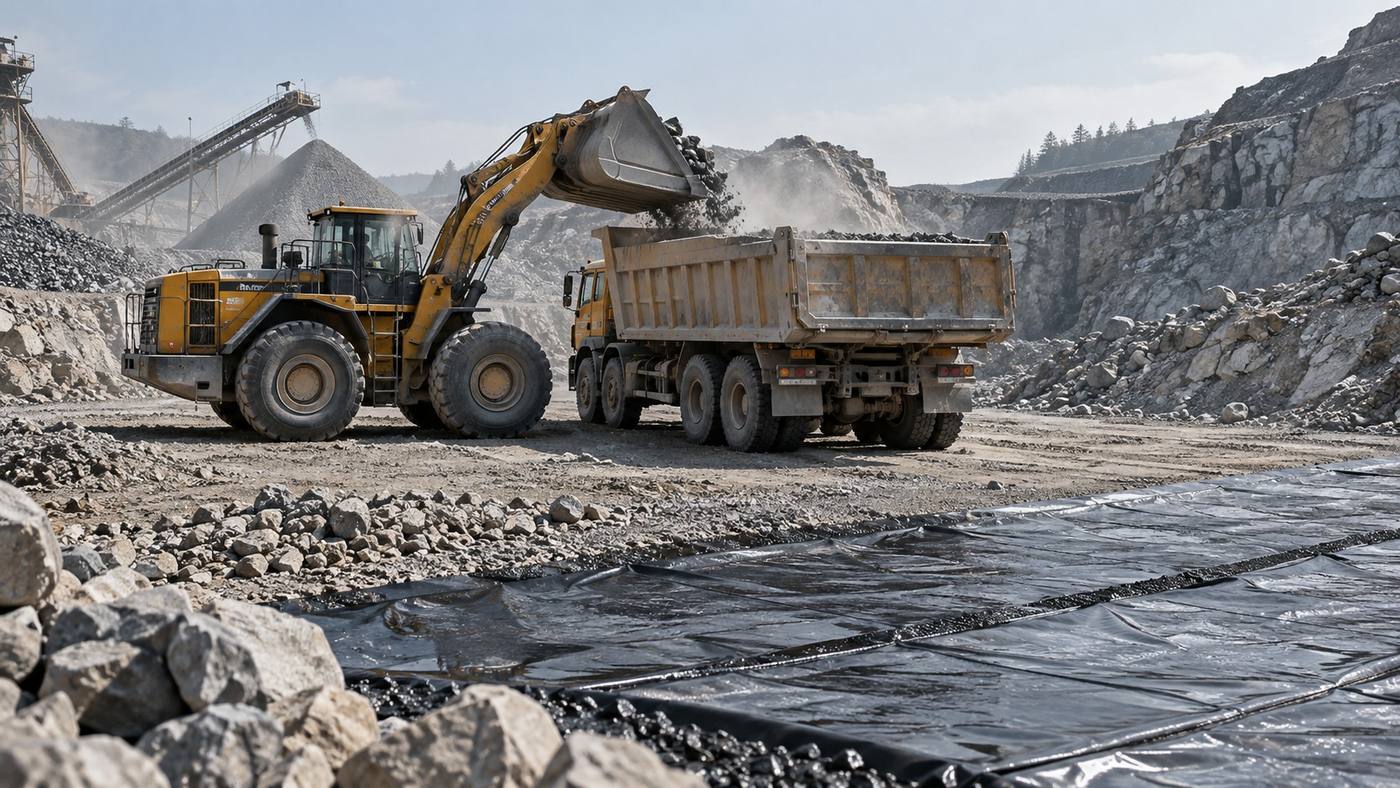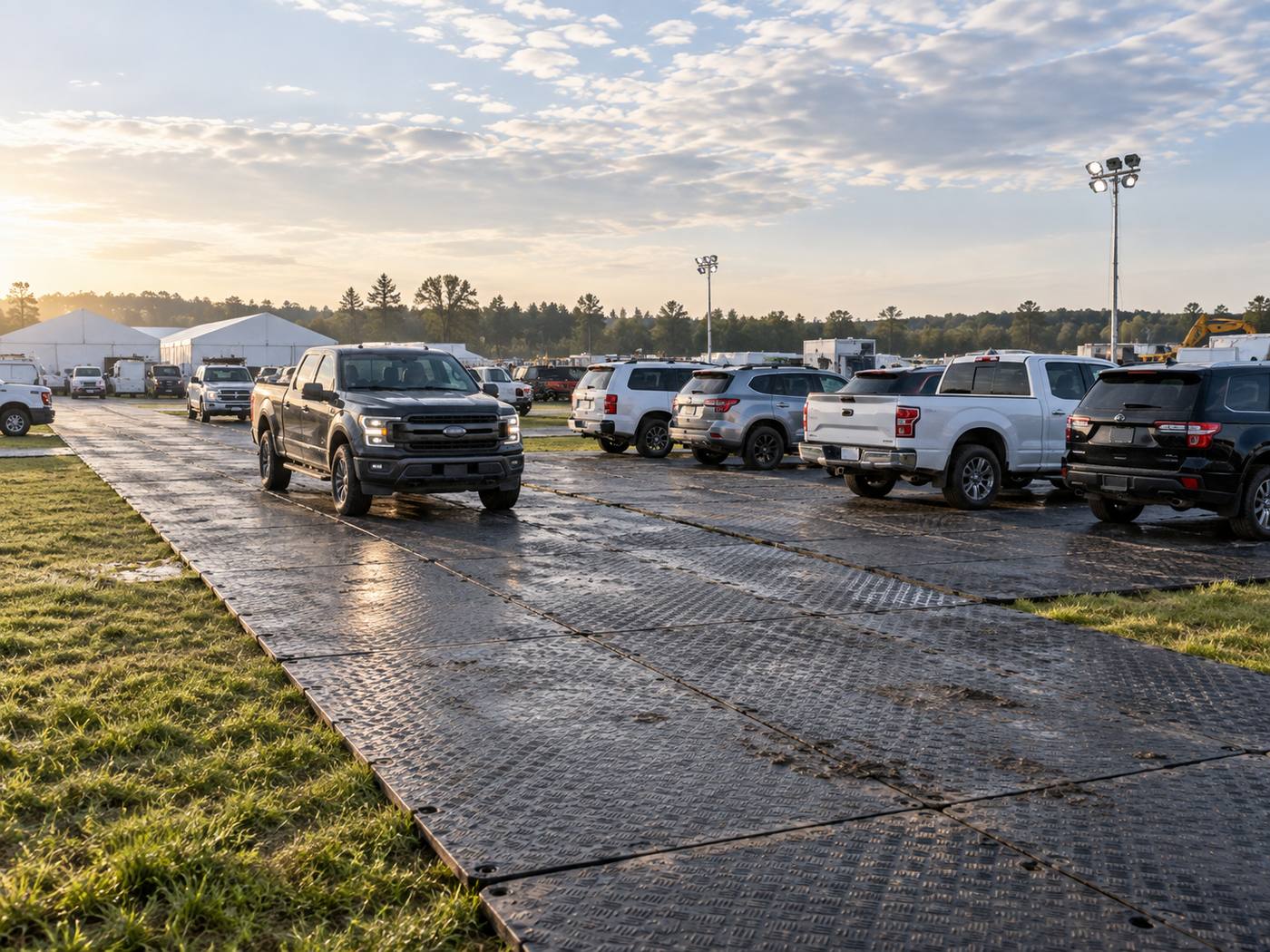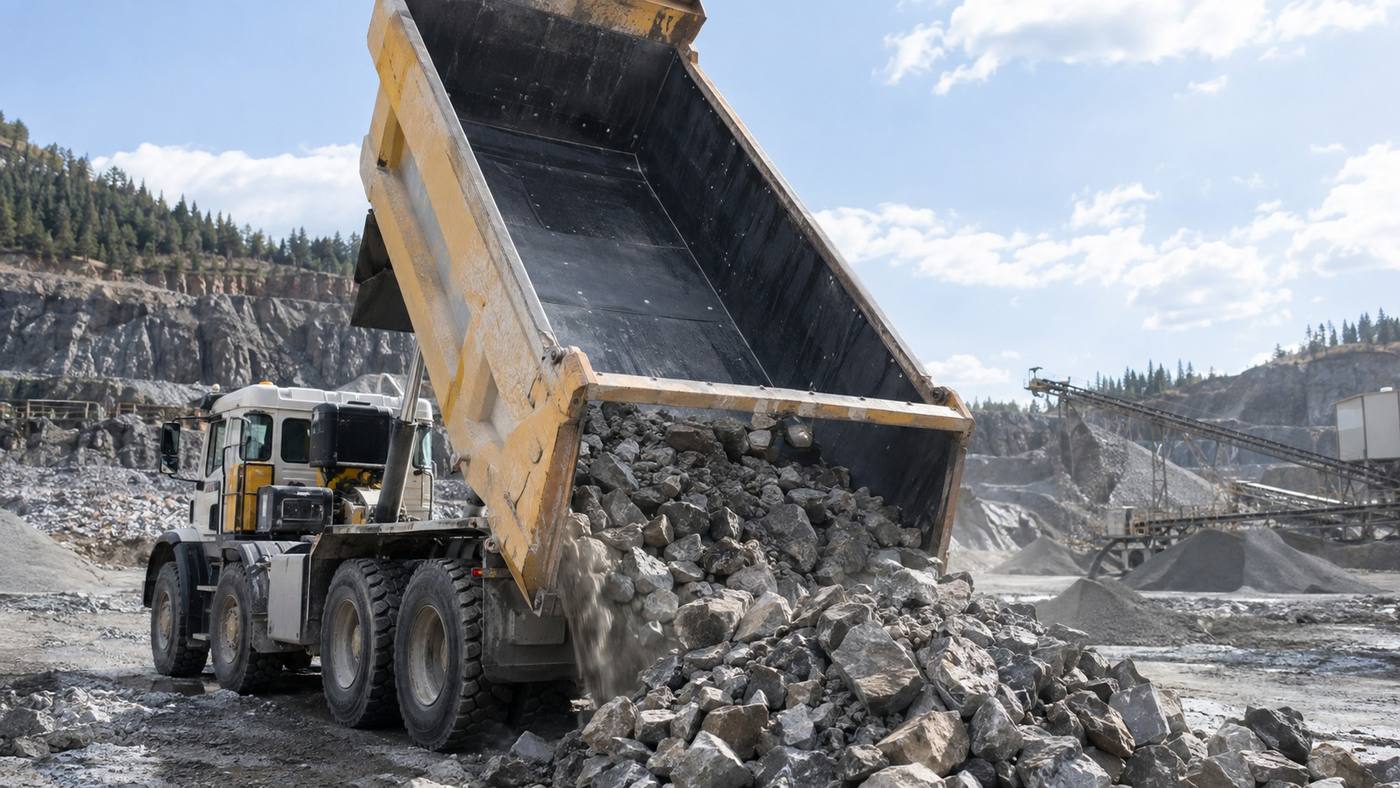
The impact of ore loading heights on the life of the vehicle would first be to disassembly the on-site problem into “ground, equipment, materials and operations”. The typical situation in this paper is that of diggers or loaders who deliver material from overposition. It is not a single parameter that is most in need of control at this time, but rather the power to transform into a concentrated shock and accelerate bottom fatigue. If only one layer of material is laid on the surface and no real load of ground, drainage or equipment is identified, movement appears to resume in the short term, with the possibility of subsequent shutdown, back-to-work or safety risks.
Prior to the design of the programme, it was recommended to collect ore hardness, maximum size, load differentials, temperature, car size, wear distribution and life objectives. When communicating with suppliers, photographs, size charts and the most unfavourable work conditions should be provided, rather than giving only one “mass tonnage”. The more appropriate control actions for this topic are: optimization of the assembly posture, pre-laying of buffers and avoidance of large and straight-up. In the case of a car skateboard, the material plate number, the size of the finished product, the thickness difference, surface texture, connection or fixation, the working temperature, and the test conditions for the data. The usual specifications of 15, 20, 25 or 30 mm can only serve as the starting point for the request for quotations and cannot directly substitute for the engineering judgement.
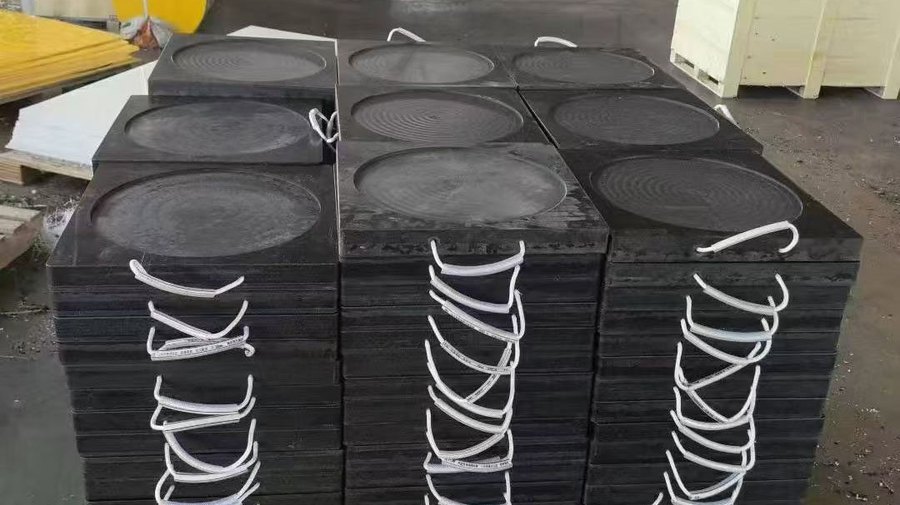
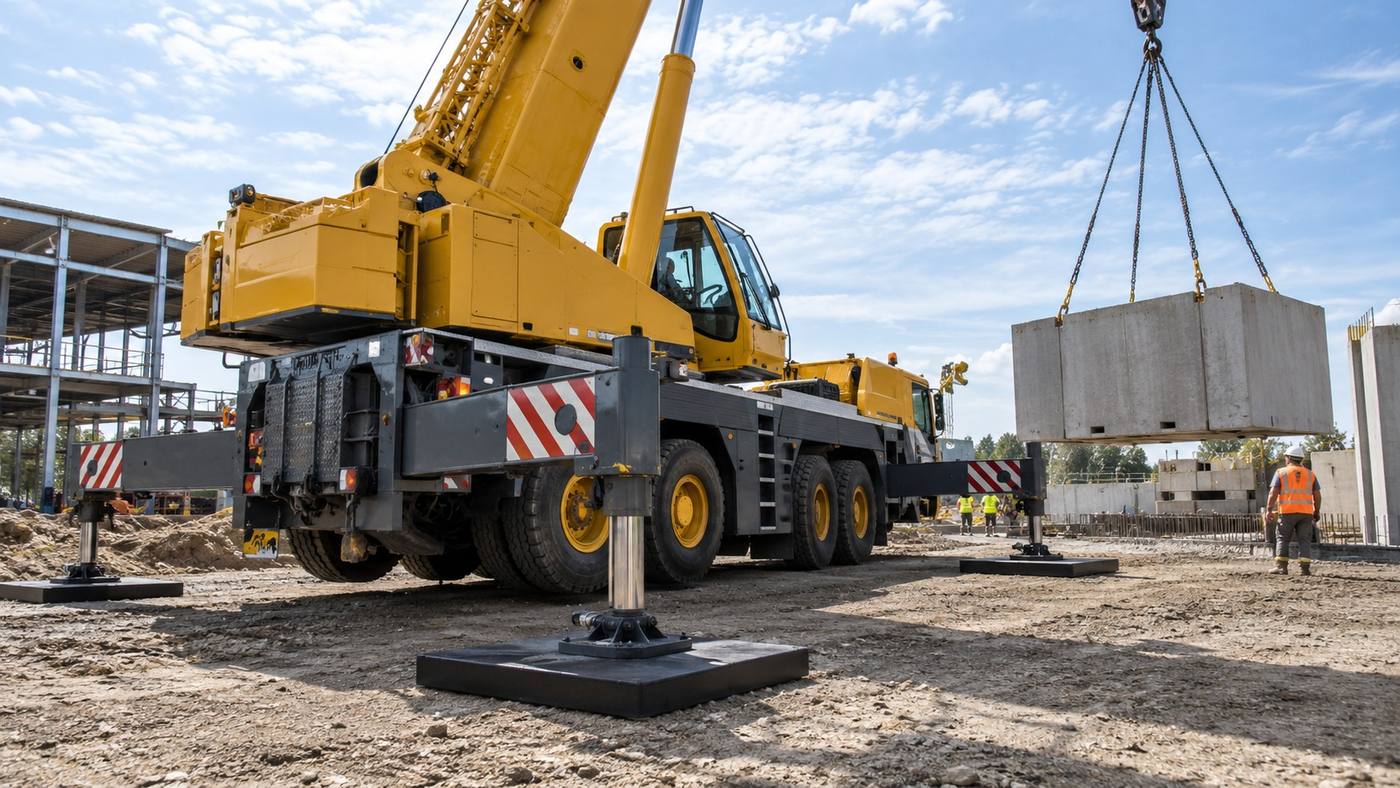
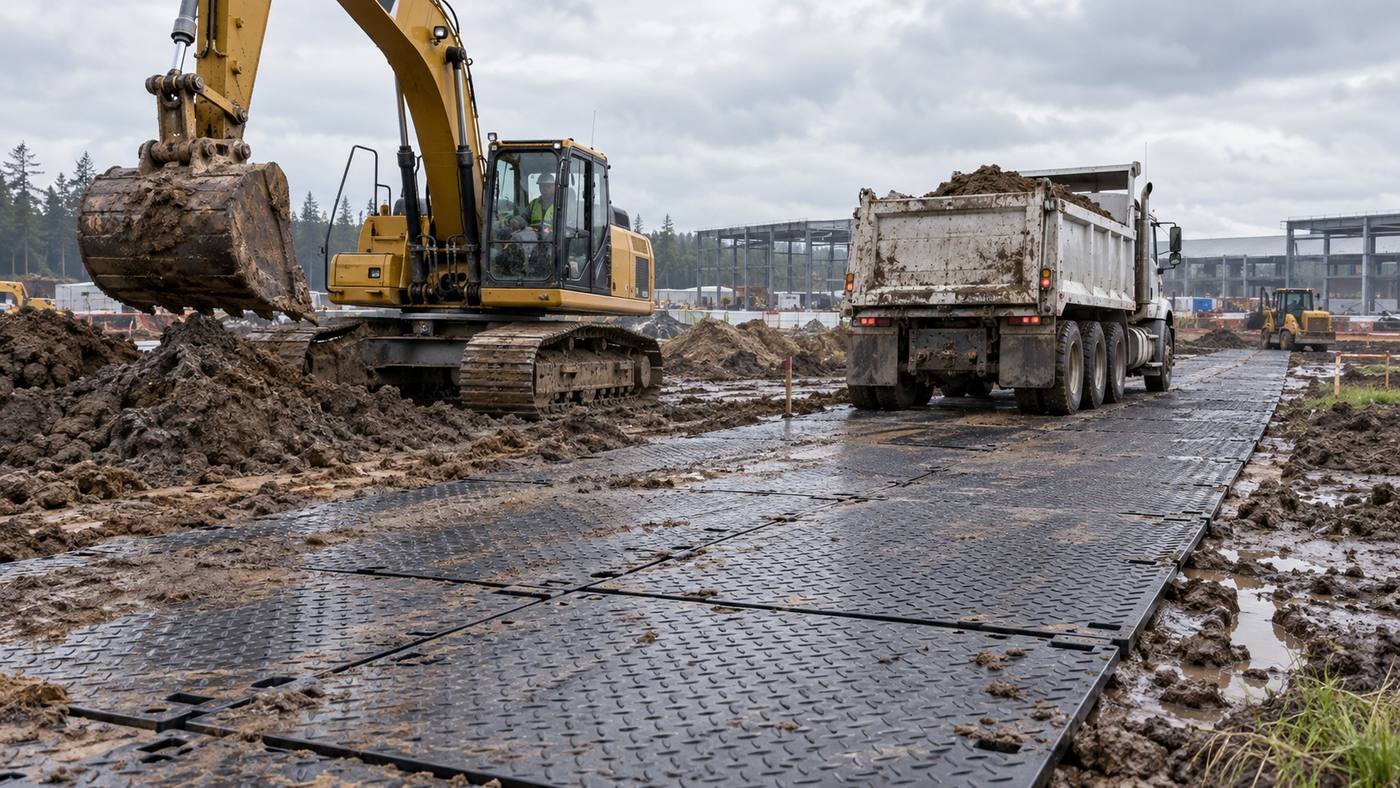
Figure: Excavator or loader input from an overposition (contribution material for the plastic network)
The product and field base should be used as a system for acceptance and acceptance when landing. The lining is both a waste material and part of the protection system of the car ' s structure. Once the laying, support or lining is completed, full contact, flatness, edge transition, tight state and interference with tyres, feet, lifting bodies are checked; the pilot operation begins with low-risk work and is gradually restored to the planned capacity after the site manager has confirmed that there are no anomalies.
For high-utilization mining areas, residual thickness, hardware, edges, cracks and grass-roots corrosives can be included in the mobile terminal sheet and location photographs required. The system should automatically increase the level of inspection if it continues to capture the potential to transform into a concentrated shock and accelerate bottom-floor fatigue. Replacements in the inventory are also periodically counted in size and state to avoid any lack of matching, shortage of connectors or storage of deformations during emergency maintenance.
Purchase prices are only part of the cost from a life cycle perspective. Installation, removal, cleaning, decommissioning, spare parts, return belts or steel structural repairs should also be calculated. Once the data are built around the power to transform into a concentrated shock and accelerate bottom-board fatigue, the project will be able to determine whether optimizing the assembly posture, pre-laying the buffer and avoiding large-scale directness actually reduces the combined costs and provides a reusable basis for the next procurement.
This section may serve as a live discussion list, but not as a separate construction permit. Mines should form a formal programme combining geological, vehicle, lifting, drilling and environmental management systems. If a request for an offer is made to the Carthage Plastics industry, please attach a worksheet, drawings and photographs, and request that the recommended results be accompanied by assumptions and no scope of application.
Need for further evaluation of the actual project?
Applications, sizes, quantities, site photographs or drawings and delivery destinations are sent, on which we can identify more suitable products and processing programmes.