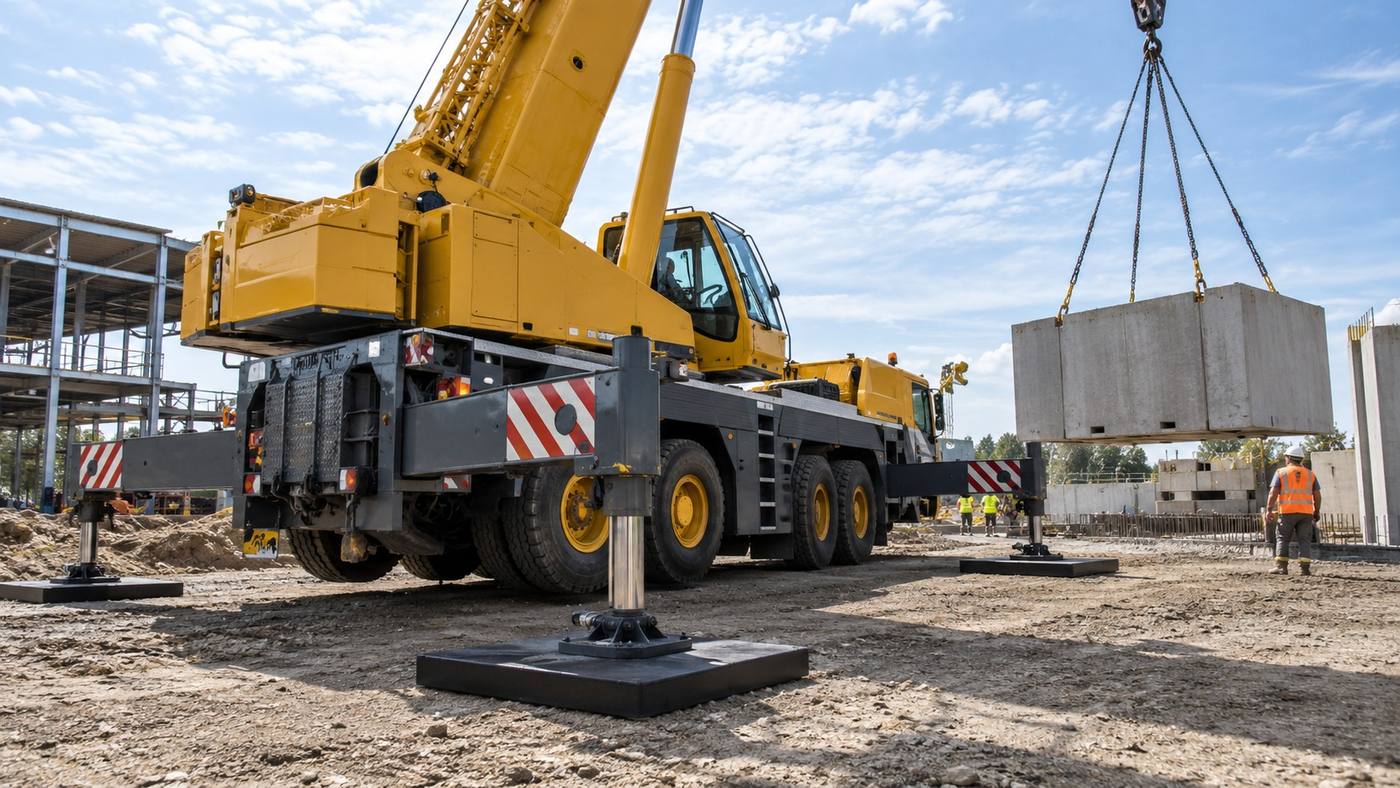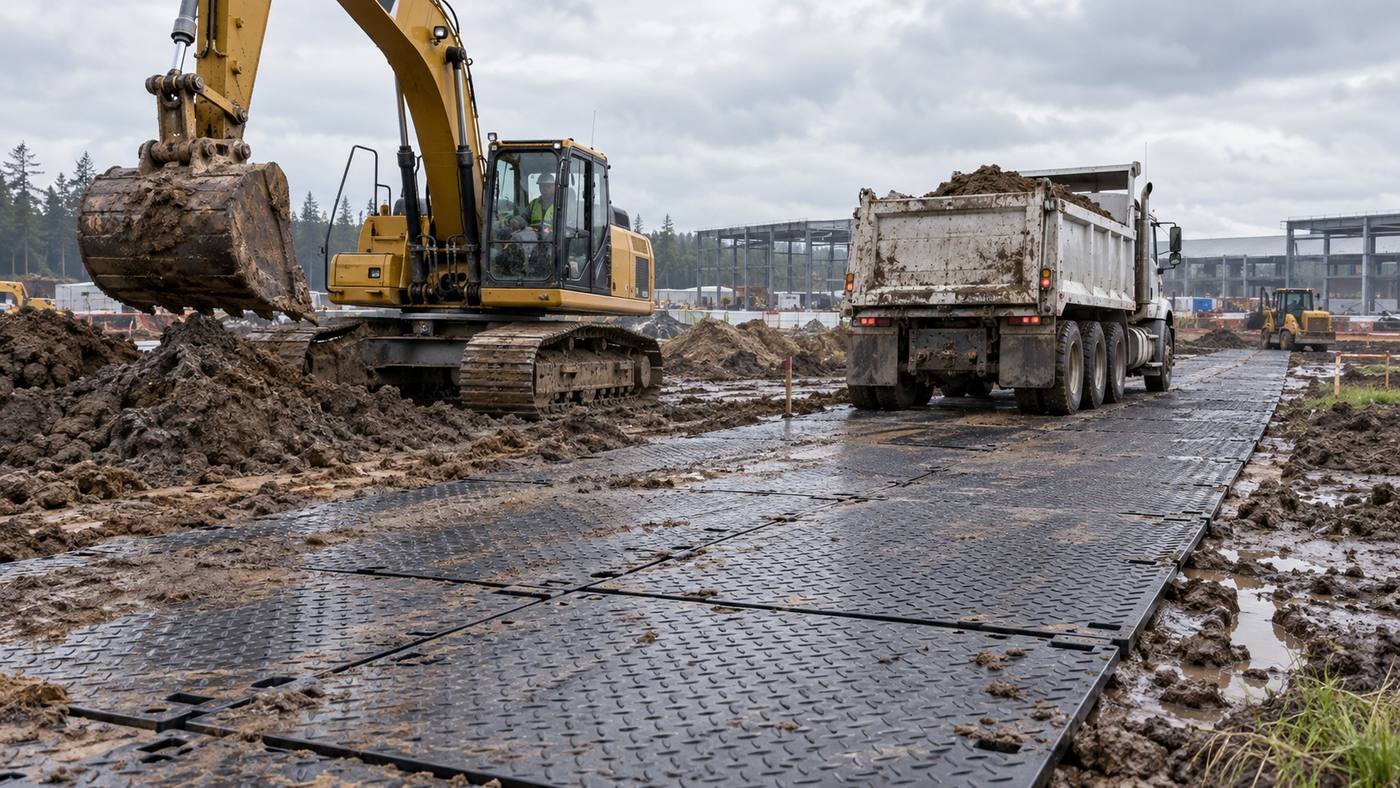
In a scenario where new drivers are not familiar with the temporary surface characteristics, the training of mine fleet drivers to cover road pavements cannot be answered on an empirical basis alone. A common area of error is the increase in thickness immediately after the sight of mud, wear or viscous, without the conditions under which speeding, brakes and crushing edges can reduce road life. The correct approach would be to define the true course of use, the most unfavourable weather, vehicles or equipment before deciding whether to use a pavement, leg pad or car skateboard.
In order to avoid repeated requests for quotations, the project should provide, on a one-time basis, vehicle numbers, shifts, routes, events, maintenance hours, material consumption and operational records, as well as the frequency and consequences of speeding, brakes and crushing sides that reduce the life of the road. Vendors may be required to submit recommendations, product drawings, individual weights, quantities of packaging and restrictions around clear speed limits, distance, car encounters, diversion and abnormal reporting rules. All descriptions of “carrying” or “drying” are traced back to the basis of the test and are not directly considered as field permitted values.
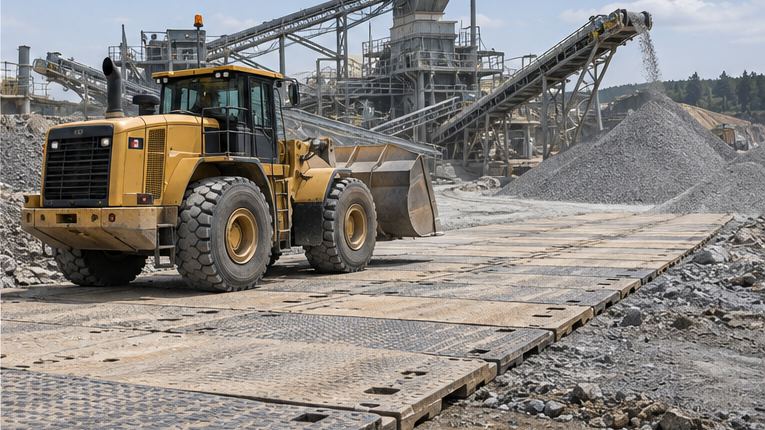
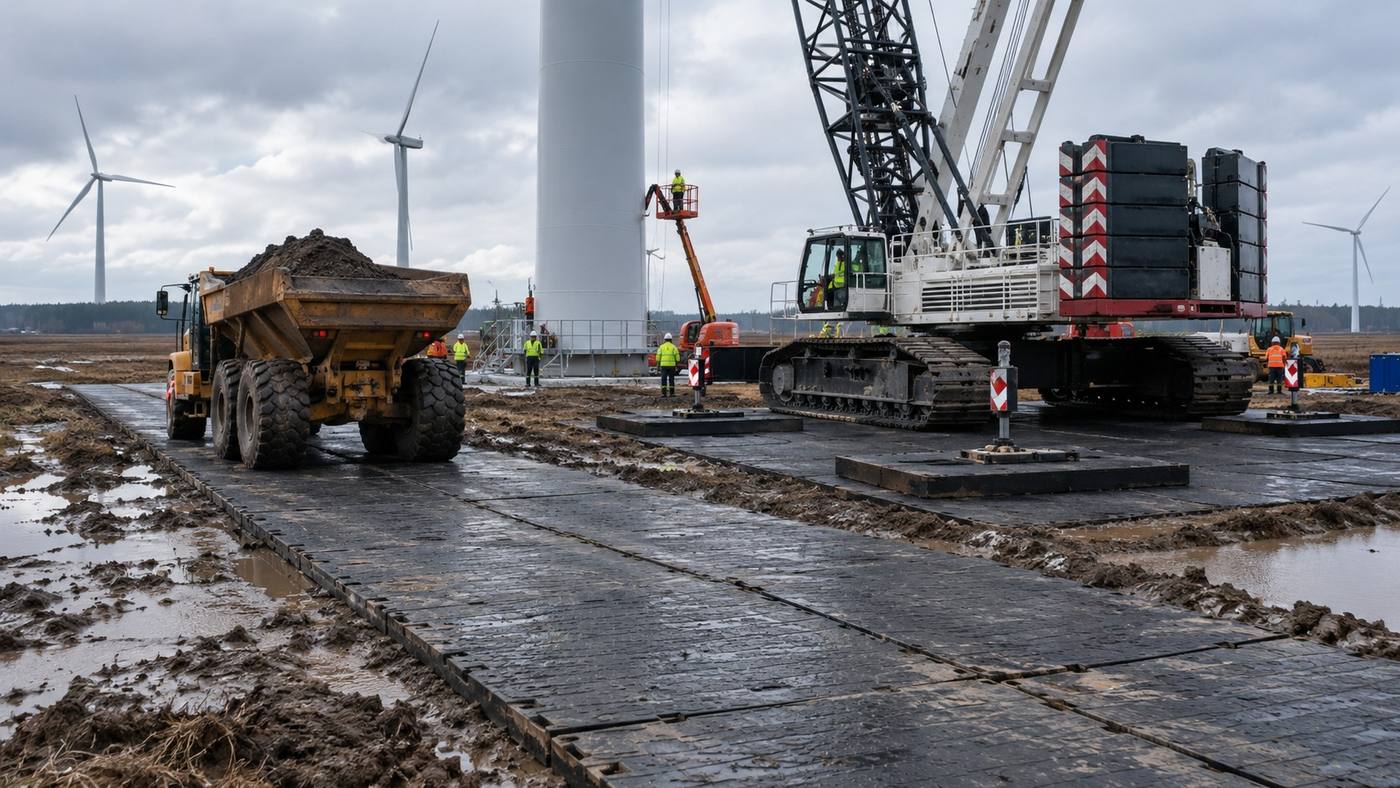
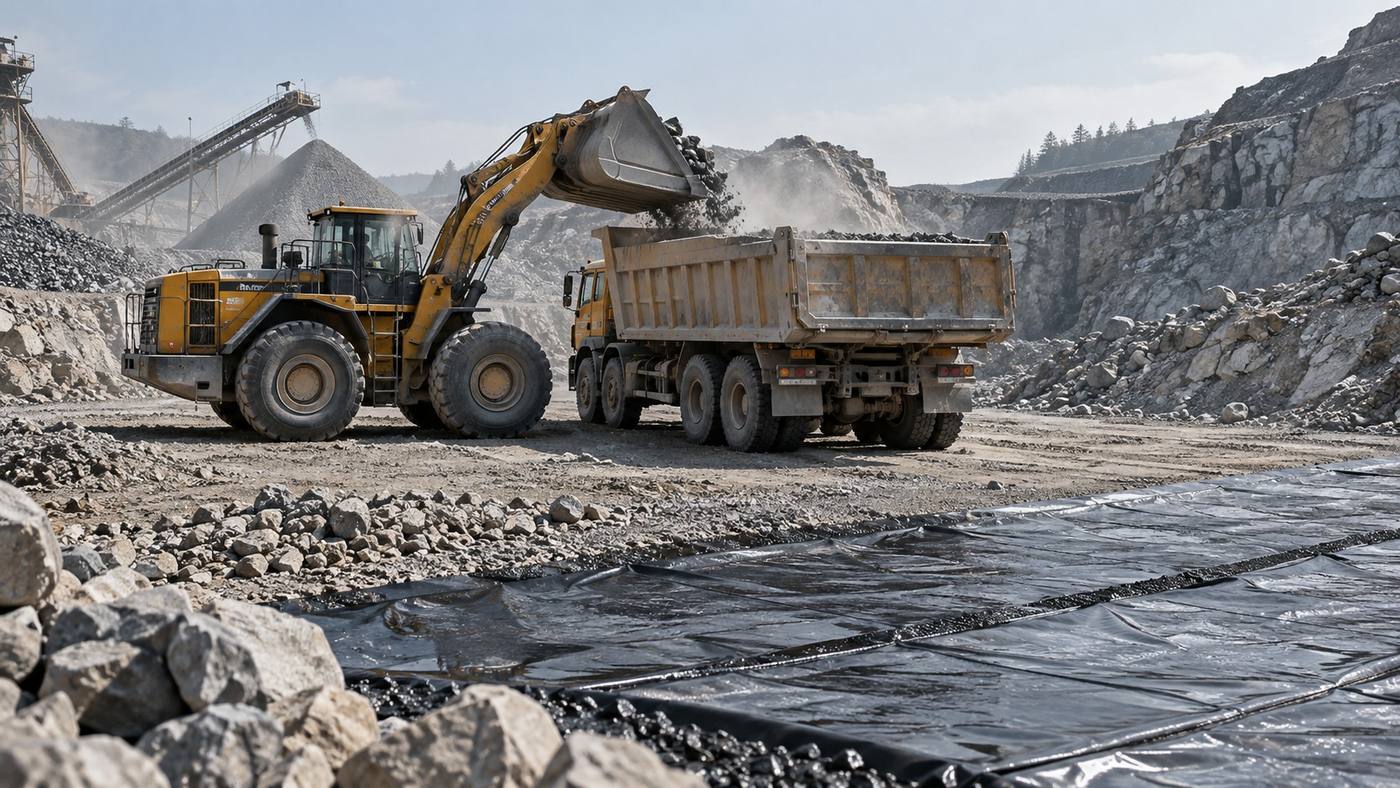
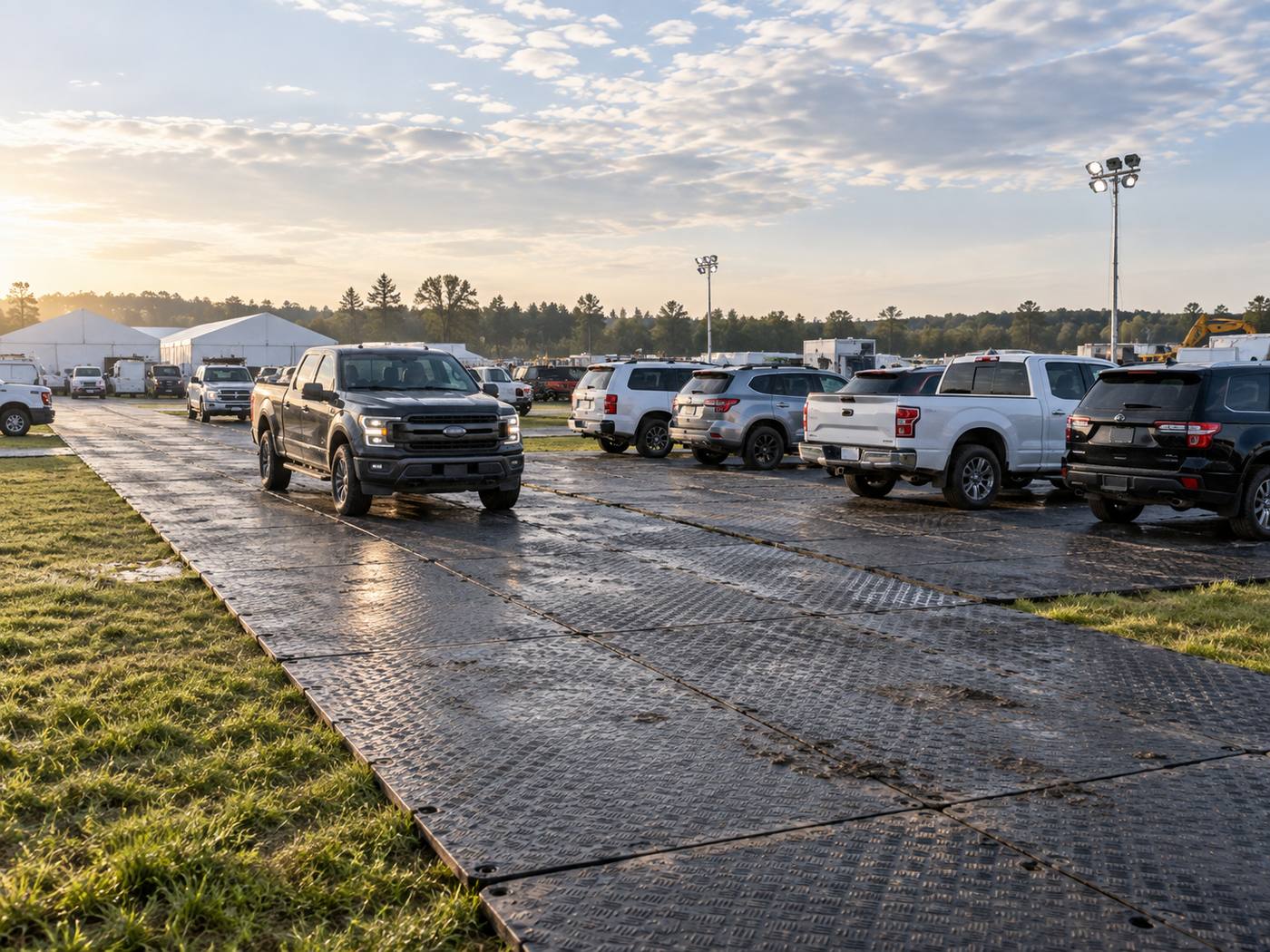
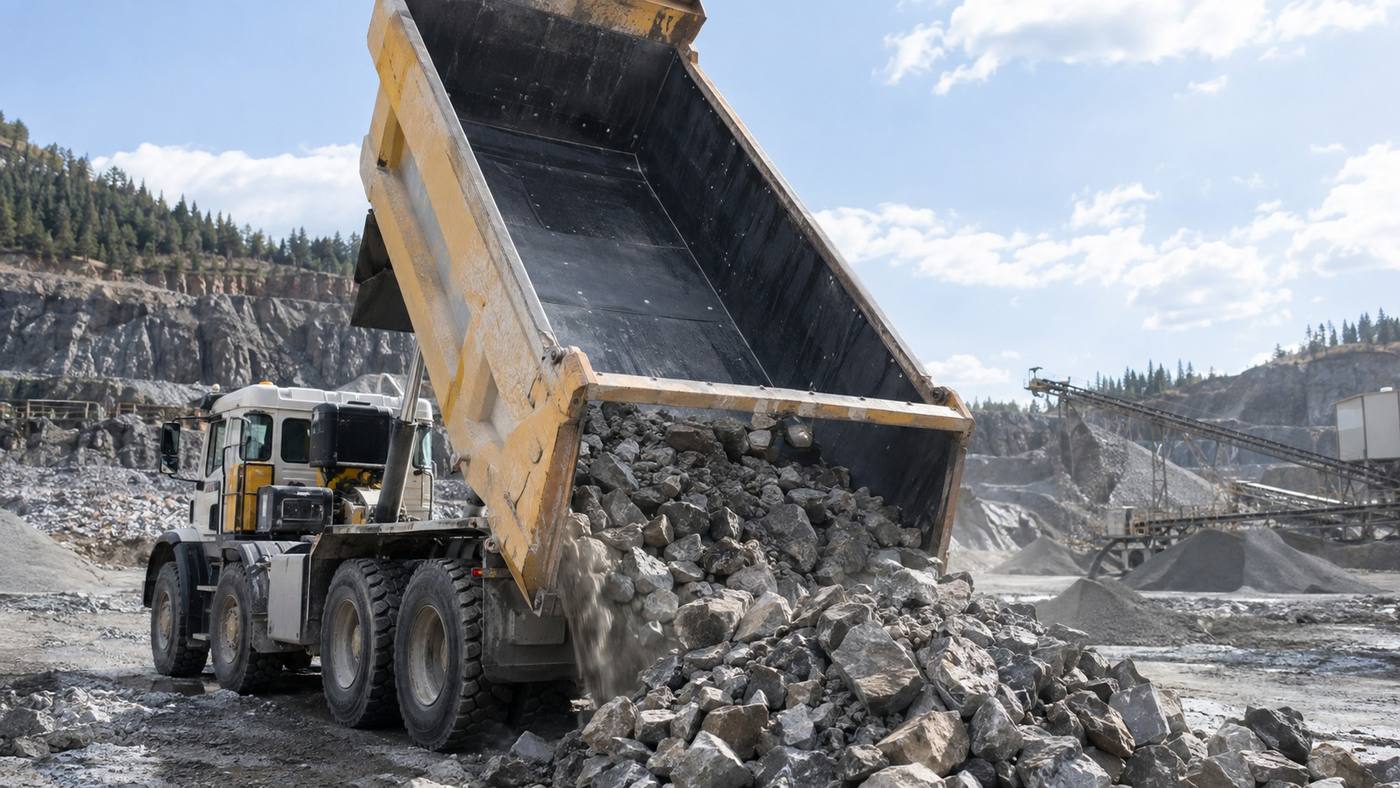
Figure: New drivers are not familiar with temporary facial features
If on-site space is restricted, progress cannot be moved by reducing the necessary coverage or moving points to the edge. The traffic organization, equipment station or installation sequence should be re-checked to provide sufficient room for implementation of clear speed limits, distance, car encounters, diversion and unusual reporting rules. Include roads, support and car liners in the same set of asset management. The first round of operations is reviewed immediately after completion, and early relaxation or relocation is usually easier to correct than long-term damage.
For high-utilization mines, changes in trends, repeat failures, unclosed worksheets and training deviations could be incorporated into mobile end-line sheets and location photographs required. The system should automatically increase the level of inspection if it continues to catch speeding, brakes and crushing edges that reduce the life of the road. Replacements in the inventory are also periodically counted in size and state to avoid any lack of matching, shortage of connectors or storage of deformations during emergency maintenance.
A distinction is to be drawn between product problems and changes in the use of borders. If the payload is increased, routed, the water content of the material changes or the temperature exceeds the original range, even if the three types of product are not manufacturing defective, they may no longer be suitable. These changes are recorded in conjunction with the implementation of clear speed limits, distance, car encounters, diversion and unusual reporting rules to determine the adjustment of specifications, extension of coverage or change of operations.
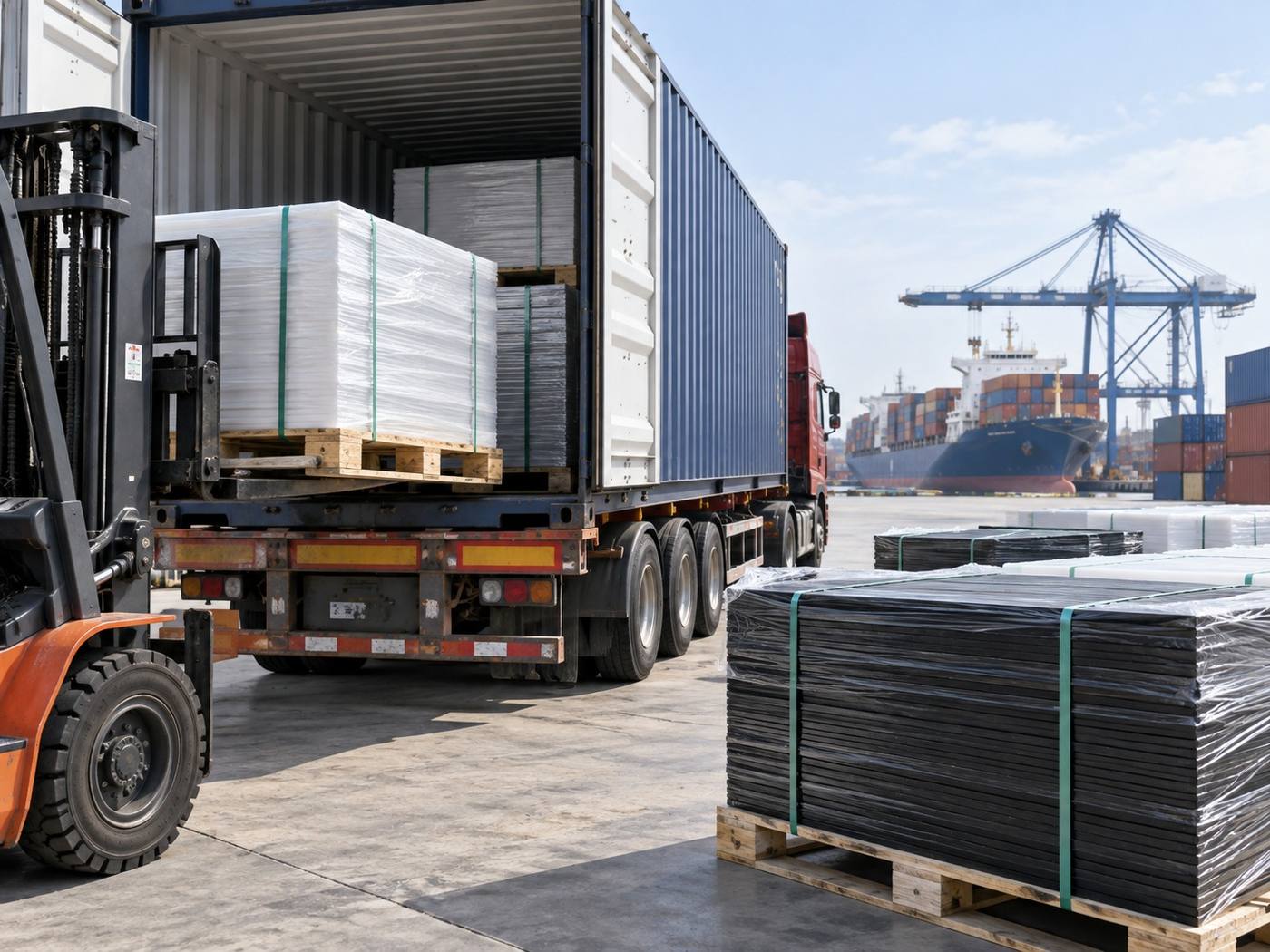
Finally, this paper provides a selection and management approach, with no alternatives to equipment specifications, special programmes, geological evaluations and local regulations. Work involving lifting support, ramps, ditches, vehicle lifts or personnel entering the carriage shall be reviewed and quarantine, locking and emergency procedures carried out by suitably qualified personnel. The above data may be submitted at the request for quotations to obtain recommendations on size, thickness, quantity and shipment.
Need for further evaluation of the actual project?
Applications, sizes, quantities, site photographs or drawings and delivery destinations are sent, on which we can identify more suitable products and processing programmes.