When discussing the need for a full-carriage skateboard for clay transport vehicles, the objective should first be to restore temporary passage, maintain equipment stability, improve the integrity of the discharge or extend the life of the vehicle. The main clay piles on the floor and foreground tend to contain multiple targets at the same time, while the local liner edges may create new piping points that are usually the first vulnerable to exposure. Quantifying the problem would avoid the use of temporary products as a panacea.
Prior to the design of the programme, it was recommended to collect material types, water-bearing rates, particle size, temperature, load, car angles and current residue rates. When communicating with suppliers, photographs, size charts and the most unfavourable work conditions should be provided, rather than giving only one “mass tonnage”. A more appropriate control action for this topic is to determine the bottom, side wall or whole cover and process the seams based on the adhesive distribution. In the case of a car skateboard, the material plate number, the size of the finished product, the thickness difference, surface texture, connection or fixation, the working temperature, and the test conditions for the data. The usual specifications of 15, 20, 25 or 30 mm can only serve as the starting point for the request for quotations and cannot directly substitute for the engineering judgement.
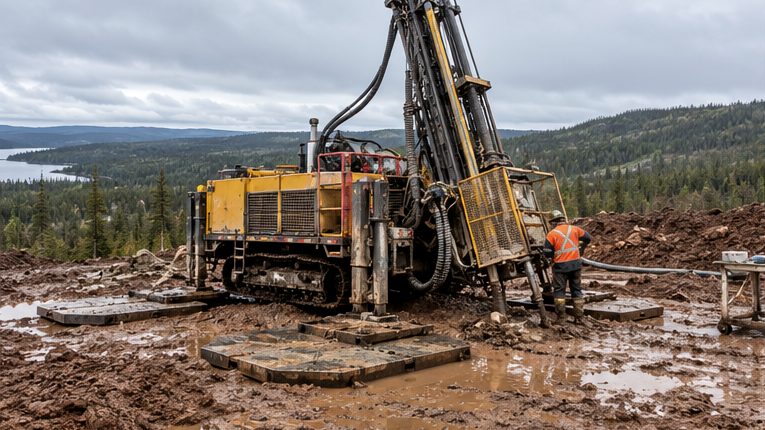
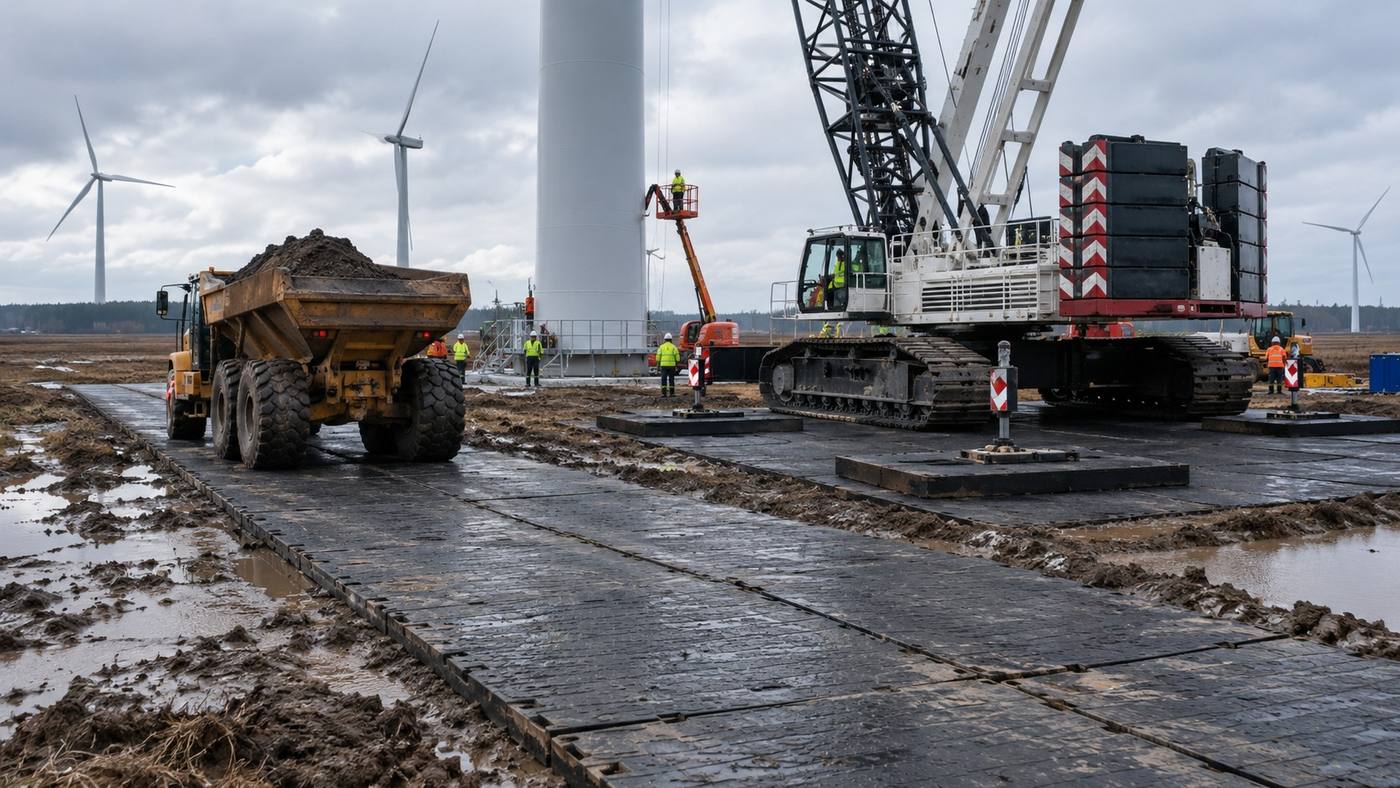
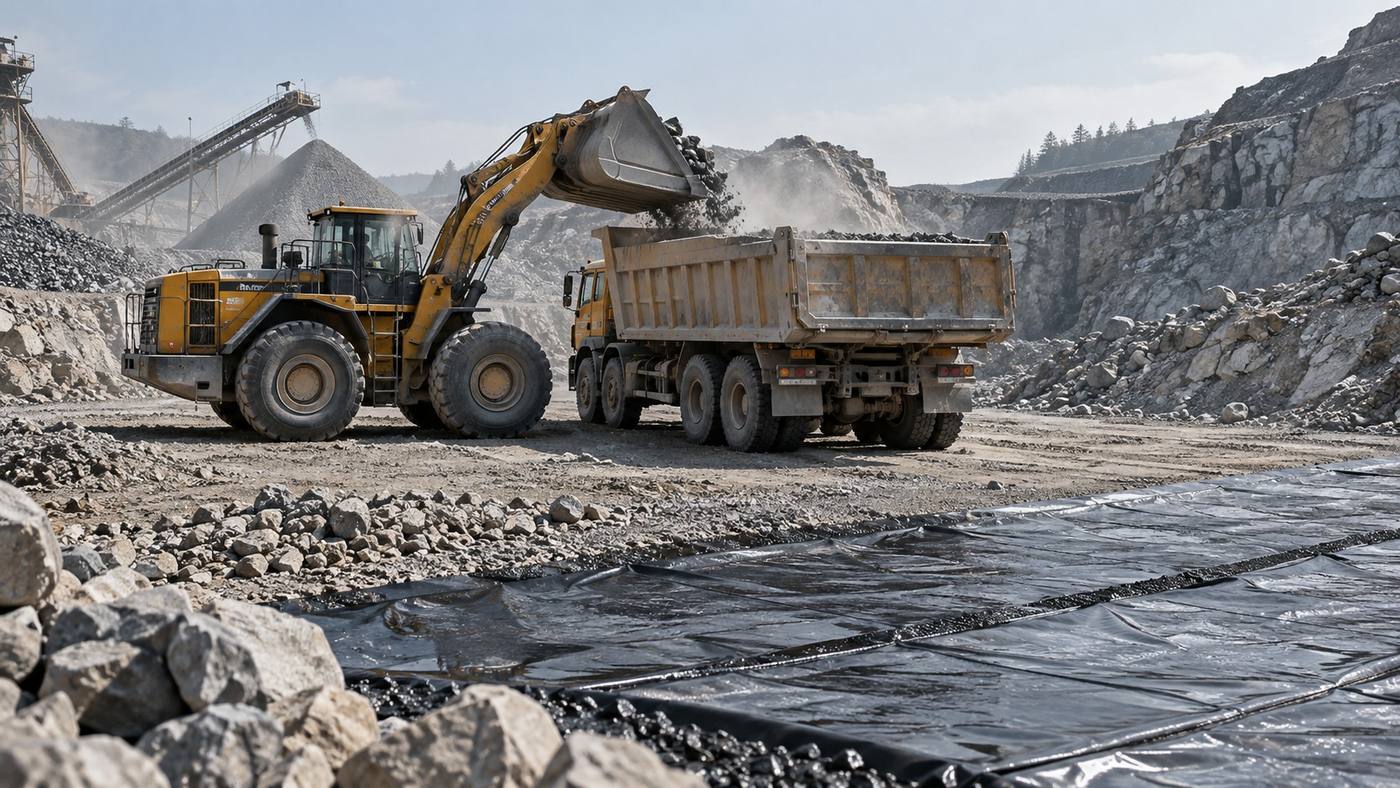
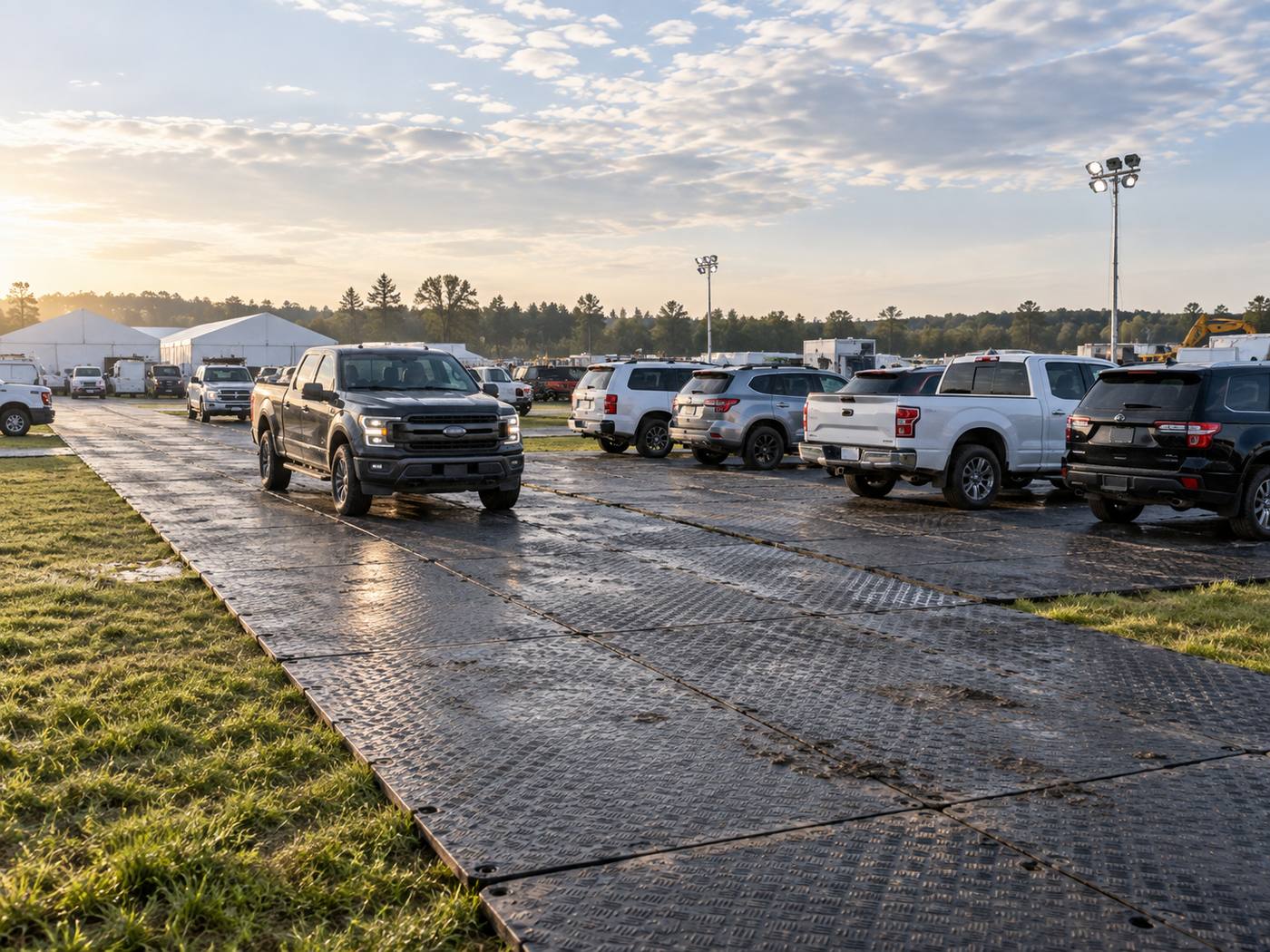
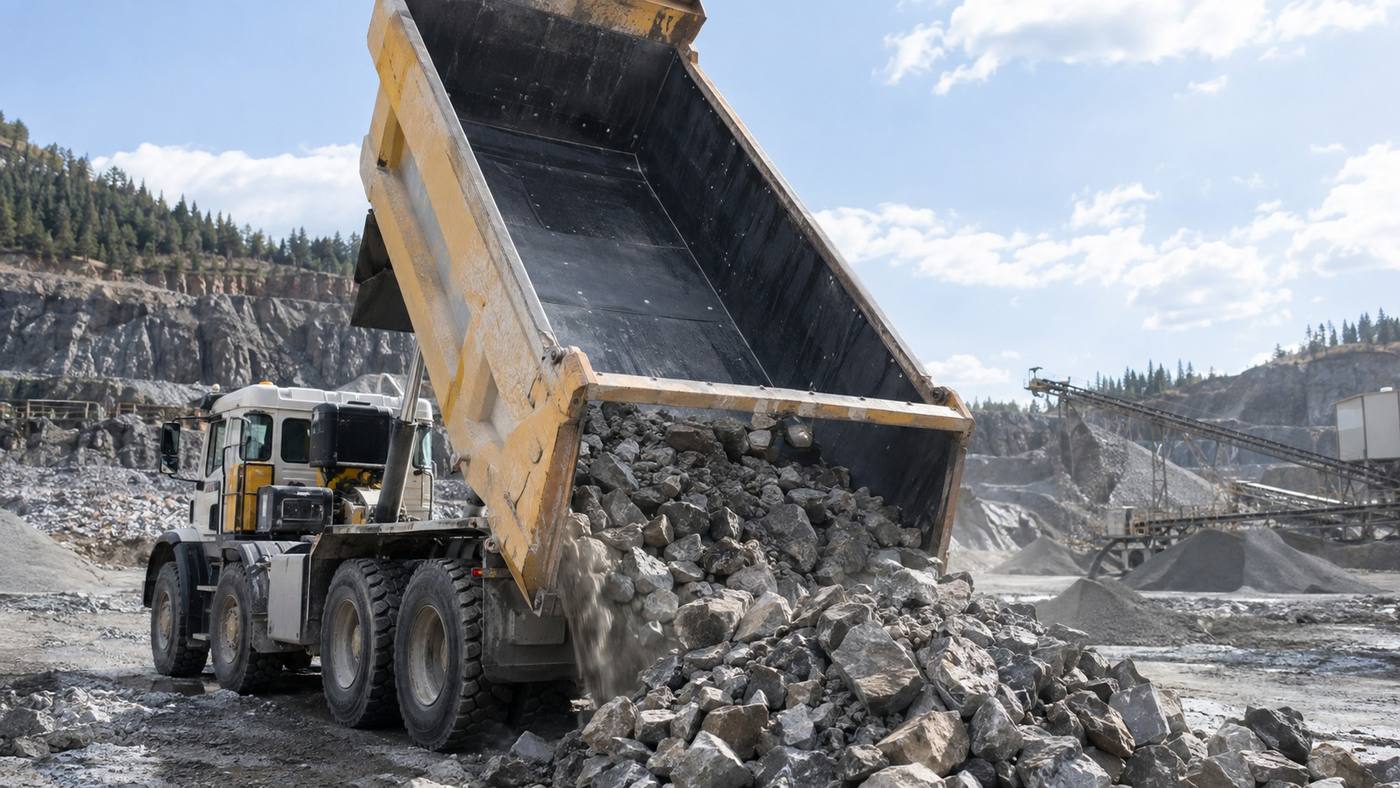
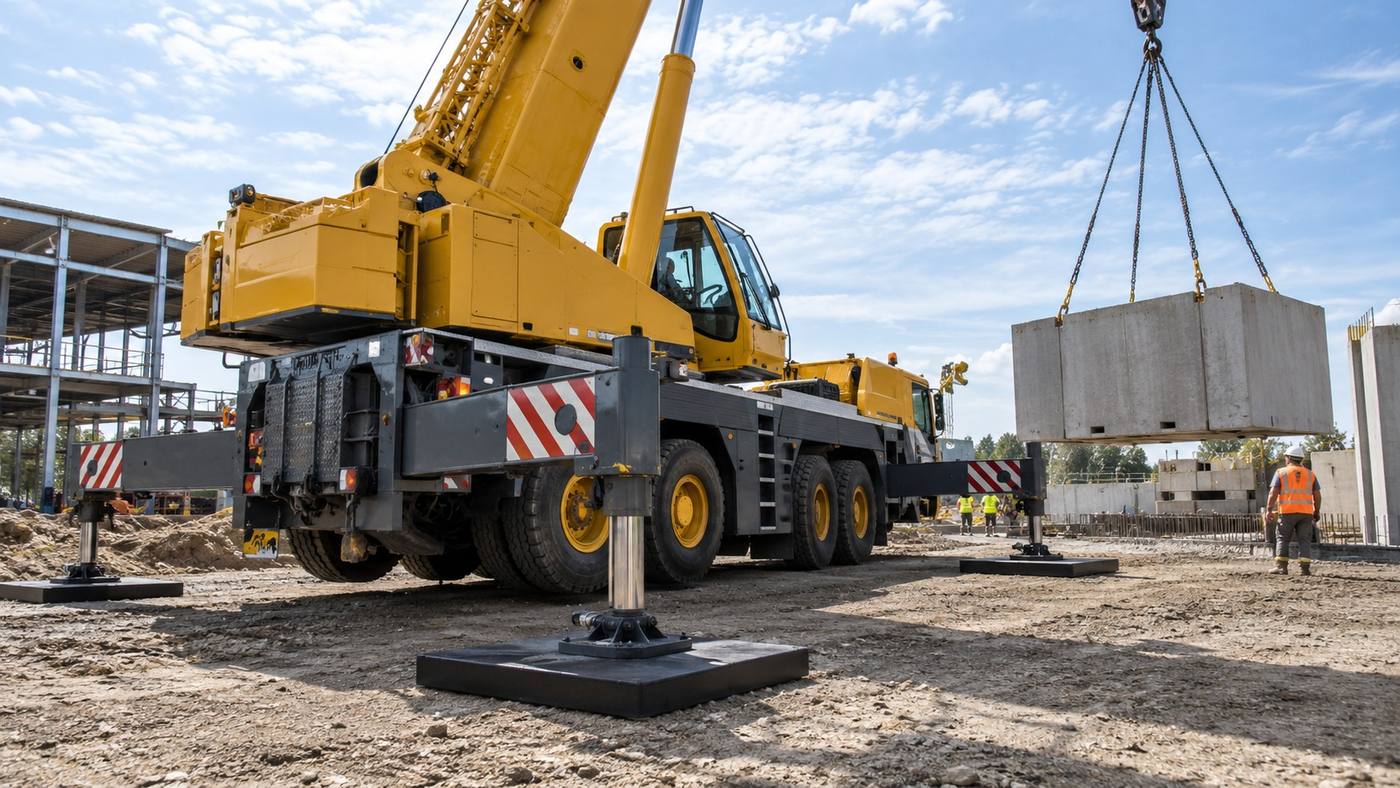
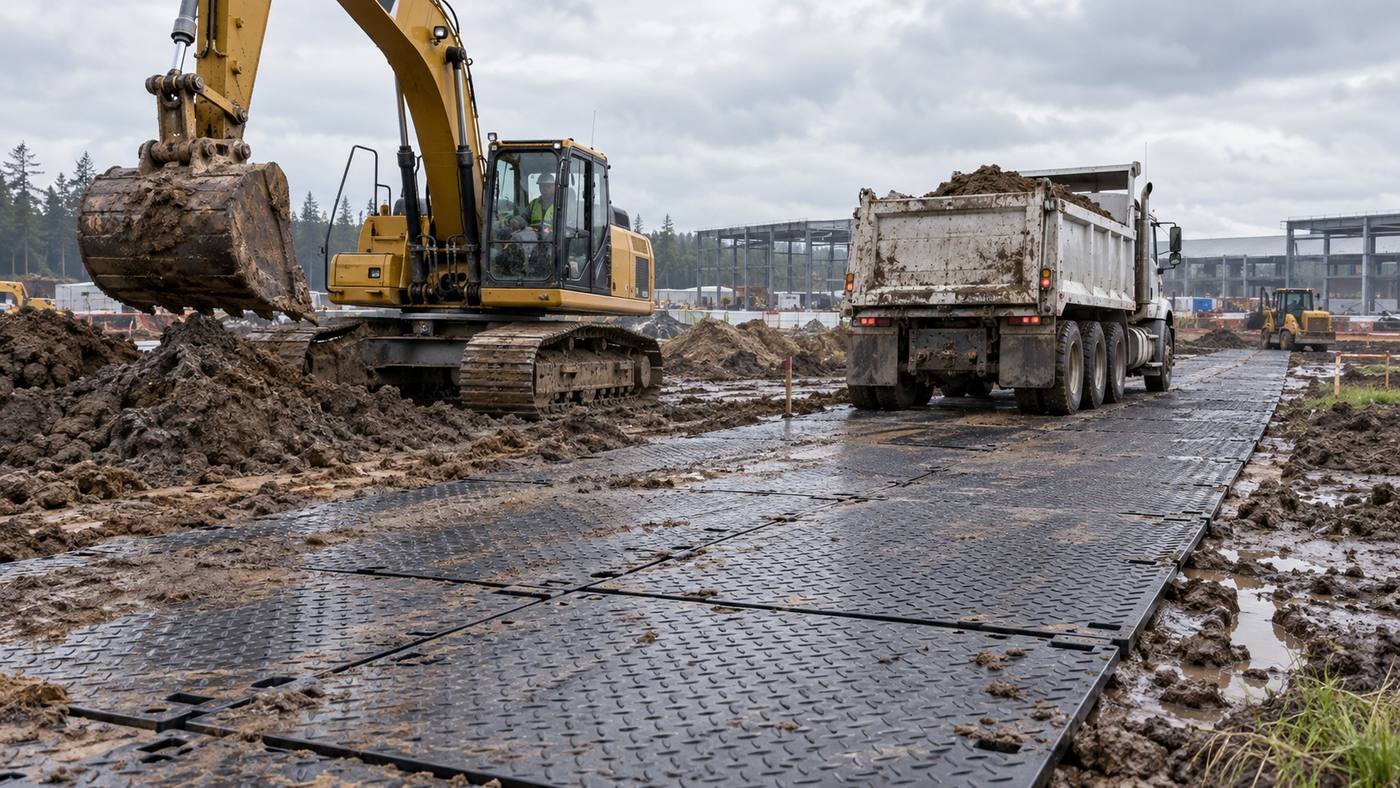
Figure: The main clay piles are on the floor and at the front corner
If on-site space is restricted, progress cannot be moved by reducing the necessary coverage or moving points to the edge. Traffic organization, equipment station or installation should be re-checked to allow sufficient implementation space for the base, side wall or overall coverage and treatment of the seams based on adhesive distribution. The low friction liner is to be used with the correct lifting and cleaning system. The first round of operations is reviewed immediately after completion, and early relaxation or relocation is usually easier to correct than long-term damage.
The site inspection should not simply be “normal”. Queries should be selected for suture attachments, sudden slips, overloading and lifting anomalies, and the anomalies should be classified into three levels: observation, restriction and decommissioning. In the event that the reoccurrence of local liner edges in the same area may result in the formation of new hanger points, a complete construction order should be created. The removed plates or pads are cleaned, dry, flat and stored in salaried areas.
Receiving and inspection information shall keep the product batch, installation chart, site photographs, initial dimensions and trial running records. In the event of future local liner edges that may form new hangpoints, it may be determined whether the anomaly arises from initial installation, changes in condition or natural wear. For reusable pavements or leg pads, this set of records will also facilitate the rapid matching of suitable locations for the next transfer.
The ultimate goal is not simply to install a product, but to keep the main clay piles on the floor and foreground under acceptable risk. Approval of the programme should be accompanied by the use of restrictions, inspection responsibilities, decommissioning criteria and evacuation methods. This way, even if there are changes in personnel or shifts, the lack of information does not trigger a rekindling of local liner edges that may result in a new hangpoint.
Need for further evaluation of the actual project?
Applications, sizes, quantities, site photographs or drawings and delivery destinations are sent, on which we can identify more suitable products and processing programmes.