In the event of a co-routing of a mine card, loader and service vehicle at the scene, many teams will ask how thick the plates are needed; however, the key to determining the width of the multi-carriage shared quarry route is to first confirm the defunct boundary. If the increase in velocity and cycling increases the risk of a vehicle after rainfall, full load or continuous operation, the state should be used as a design condition and not replaced by clear or empty data.
Prior to the design of the programme, it is recommended that the equipment be collected in terms of exterior, routing, local pressure, mode of diversion, debris particles and frequency of operations. When communicating with suppliers, photographs, size charts and the most unfavourable work conditions should be provided, rather than giving only one “mass tonnage”. The more appropriate control action for this topic is the determination of the net width by the maximum outline, voltage and safety margin. The material number, the size of the finished product, the thickness difference, the surface texture, the connection or fixation, the working temperature, and the test conditions for the data are also to be confirmed when the pavement board is involved. The usual specifications of 15, 20, 25 or 30 mm can only serve as the starting point for the request for quotations and cannot directly substitute for the engineering judgement.
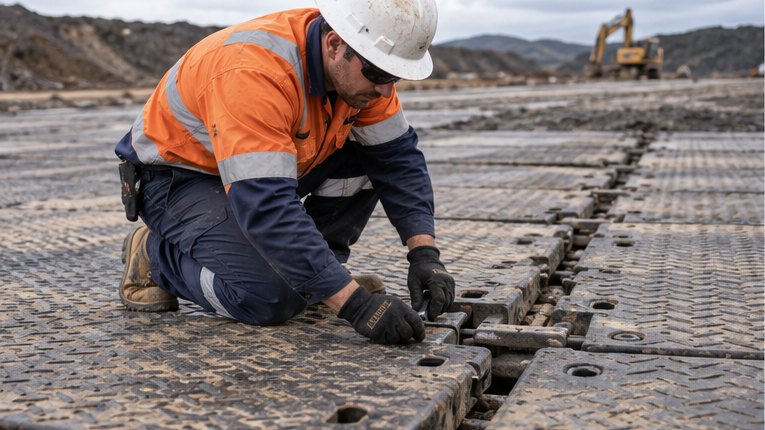
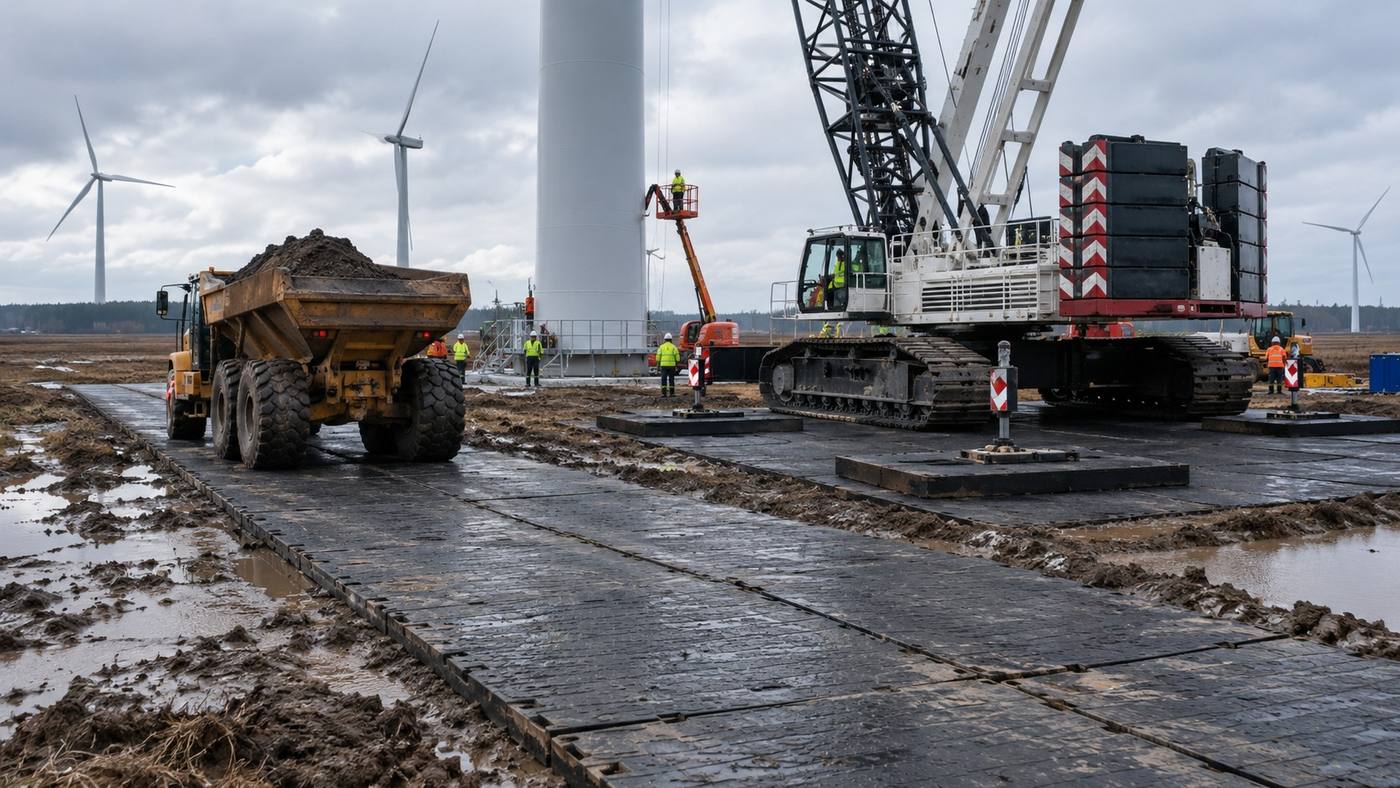
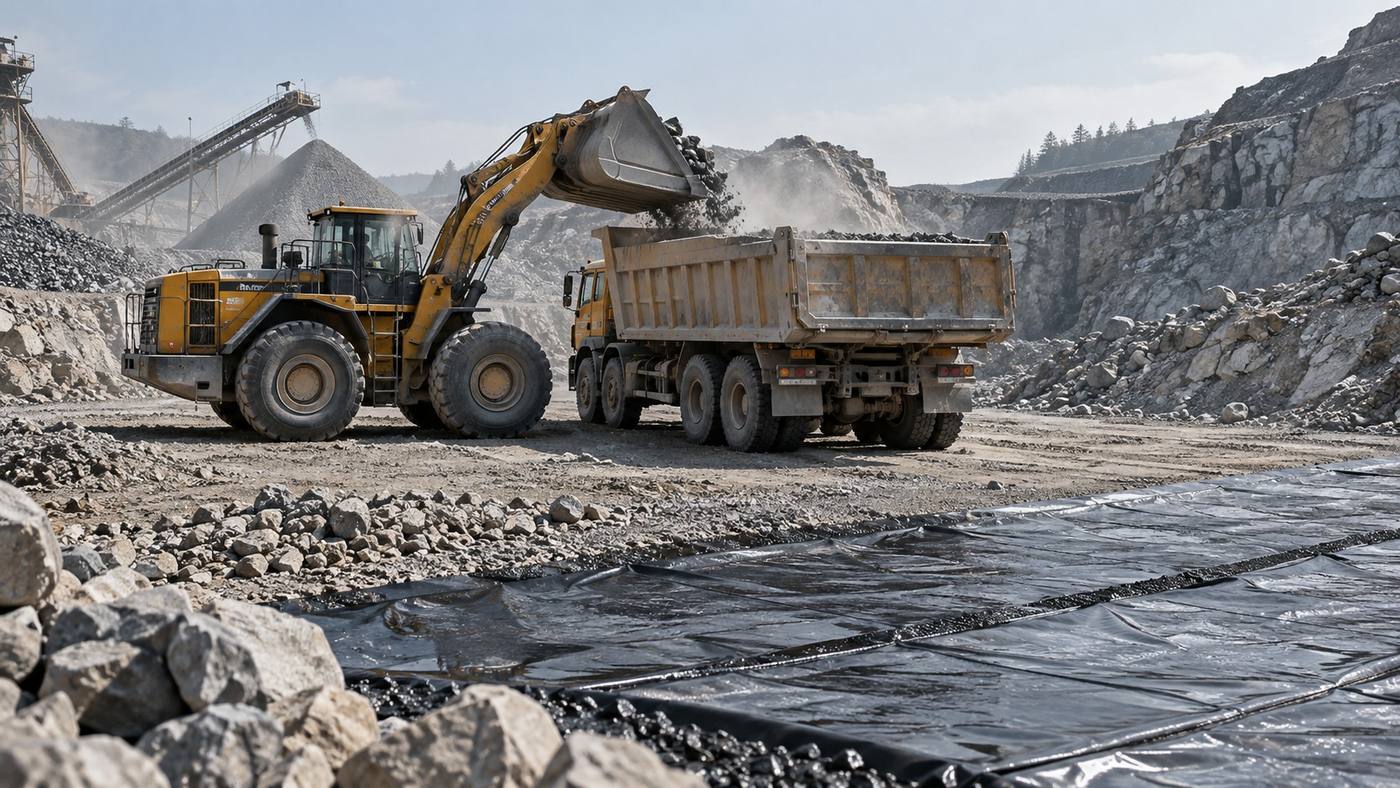
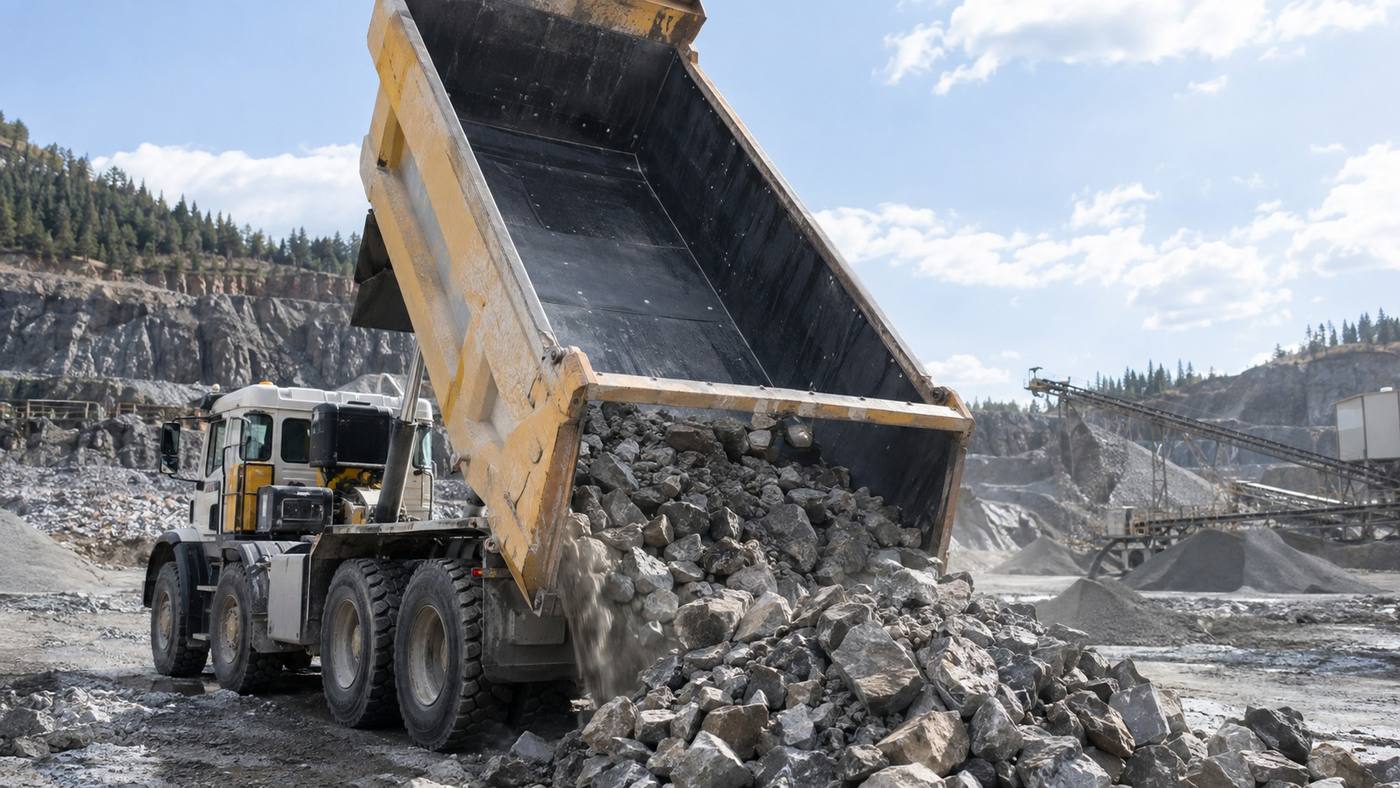
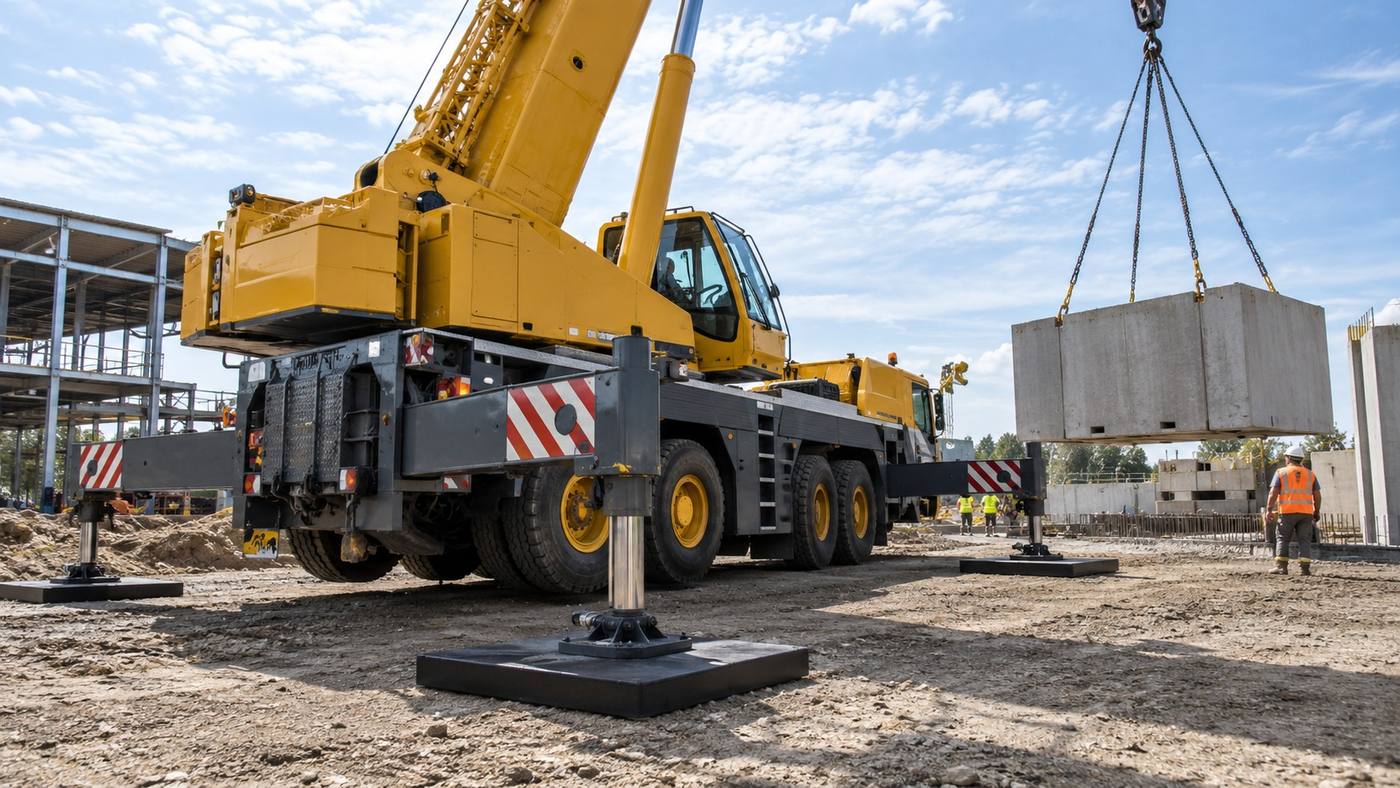
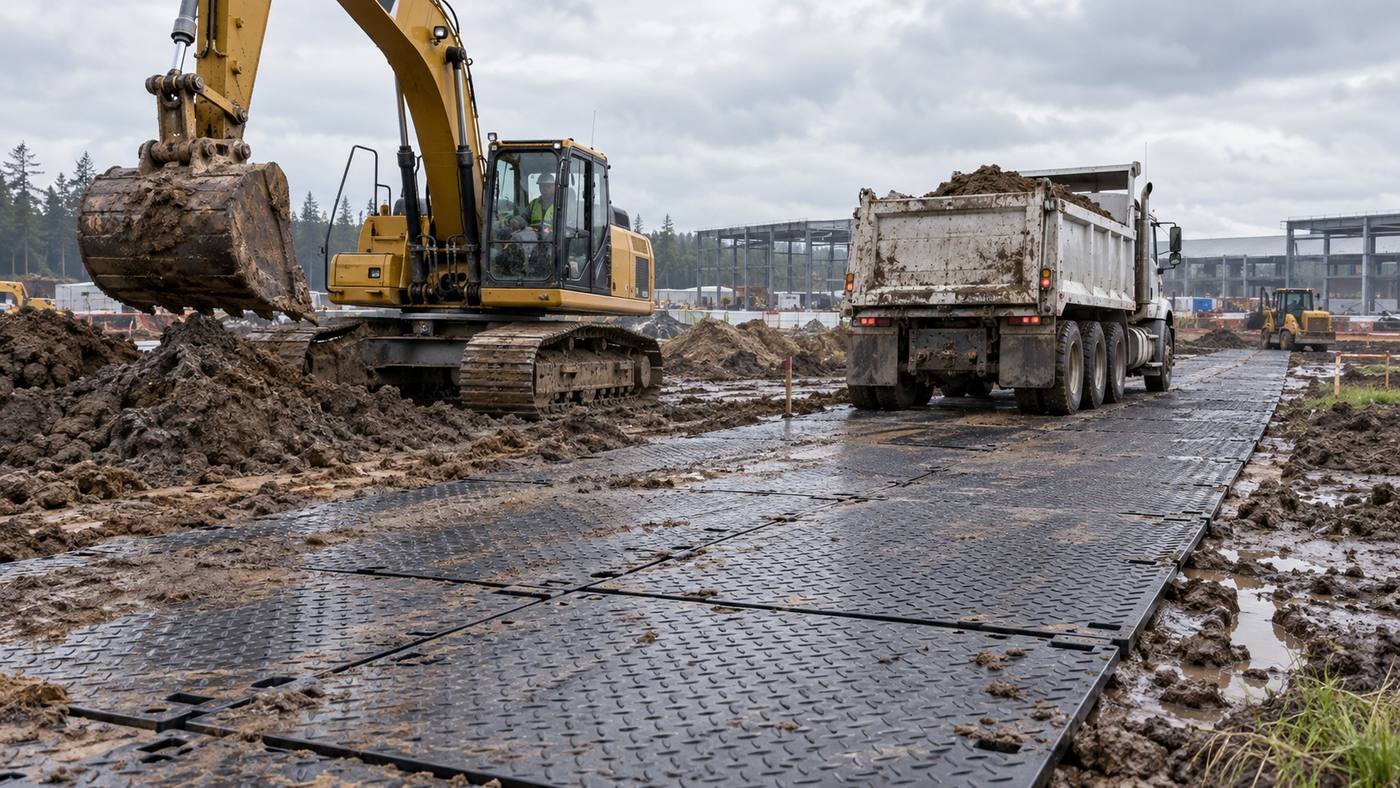
Figure: Mine cards, loaders and service vehicles
The product and field base should be used as a system for acceptance and acceptance when landing. Separate passage routes from loading and unloading, fragmentation and personnel areas. Once the laying, support or lining is completed, full contact, flatness, edge transition, tight state and interference with tyres, feet, lifting bodies are checked; the pilot operation begins with low-risk work and is gradually restored to the planned capacity after the site manager has confirmed that there are no anomalies.
For high-utilization mining areas, sharp stones, stone powder, connectors and reverse areas can be included in the mobile end-line list and location photographs are required. The system should automatically increase the level of inspection if it captures the increased vehicle risk associated with differential speed and cycling. Replacements in the inventory are also periodically counted in size and state to avoid any lack of matching, shortage of connectors or storage of deformations during emergency maintenance.
The cost model should cover procurement, transportation, installation, maintenance, cleaning, warehousing and evacuation sites, taking into account parking and back-to-back work due to increased speed and cycling. A baseline of one month or a full rainy season could be used to evaluate the improvement programme. In the absence of a sufficient sample, uncertainty should be clearly marked and the full year ' s benefits should not be inferred from a successful case.
The ultimate goal is not simply to install a product, but to keep the mine card, loader and service vehicle line running at acceptable risk. Approval of the programme should be accompanied by the use of restrictions, inspection responsibilities, decommissioning criteria and evacuation methods. Thus, even when there is a change in personnel or shifts, the lack of information does not trigger a new risk for vehicles as a result of speed differentials and increased cycling.
Need for further evaluation of the actual project?
Applications, sizes, quantities, site photographs or drawings and delivery destinations are sent, on which we can identify more suitable products and processing programmes.