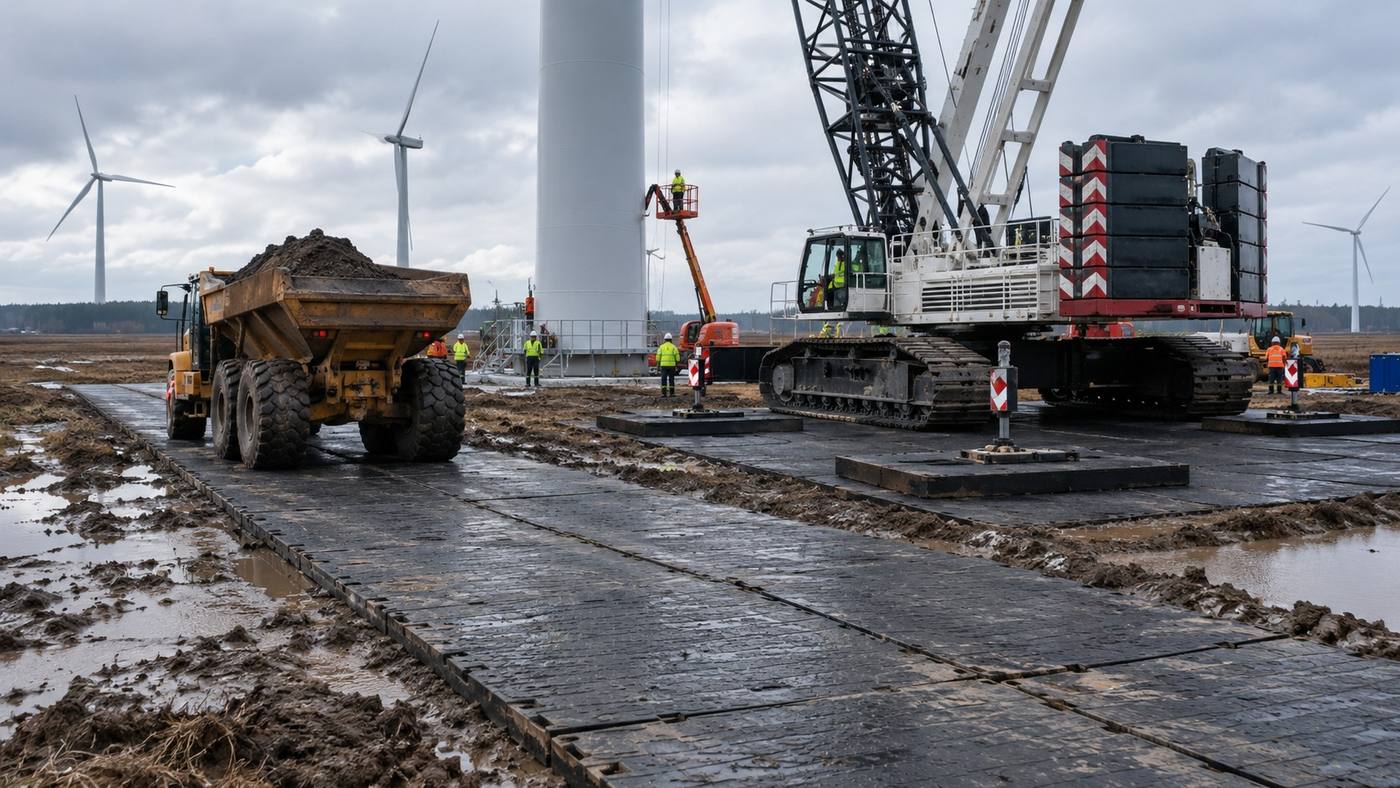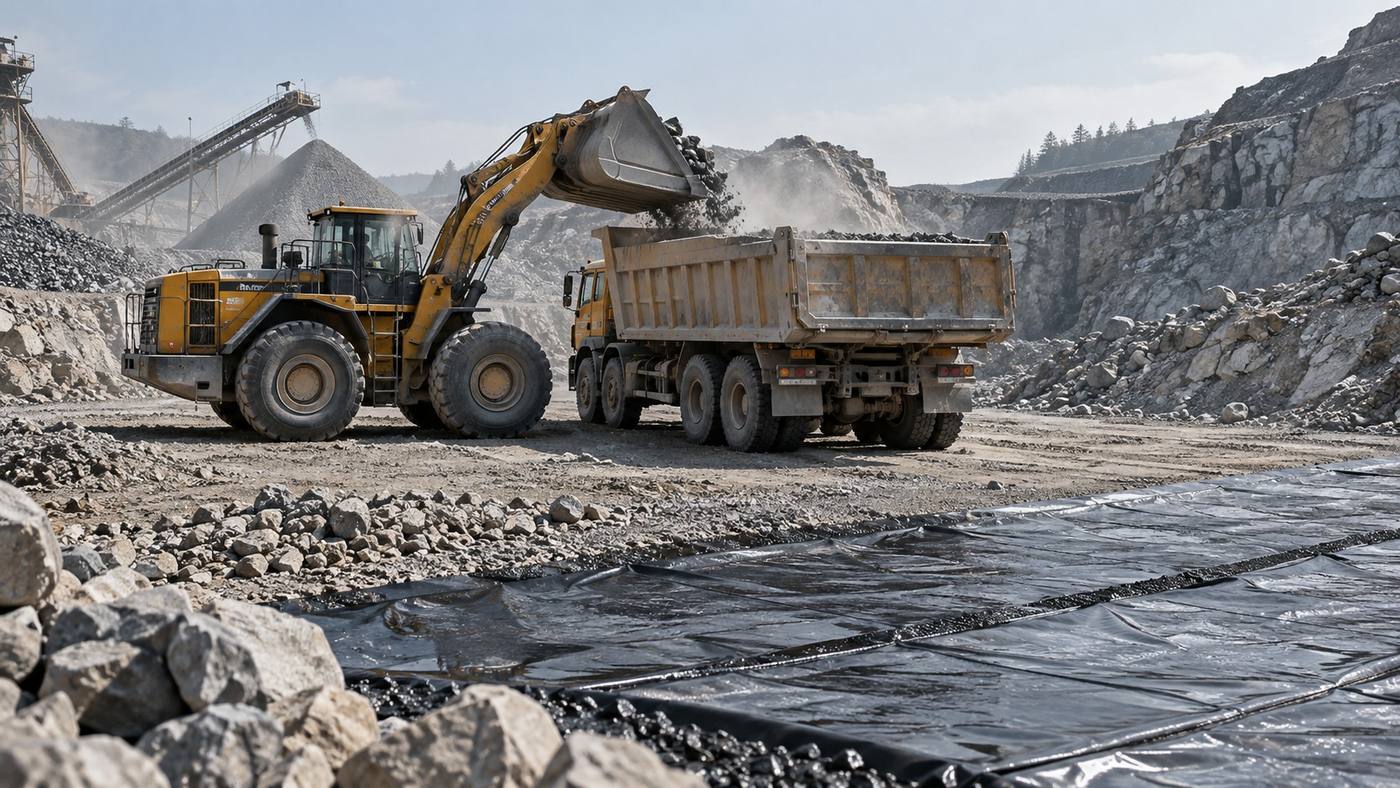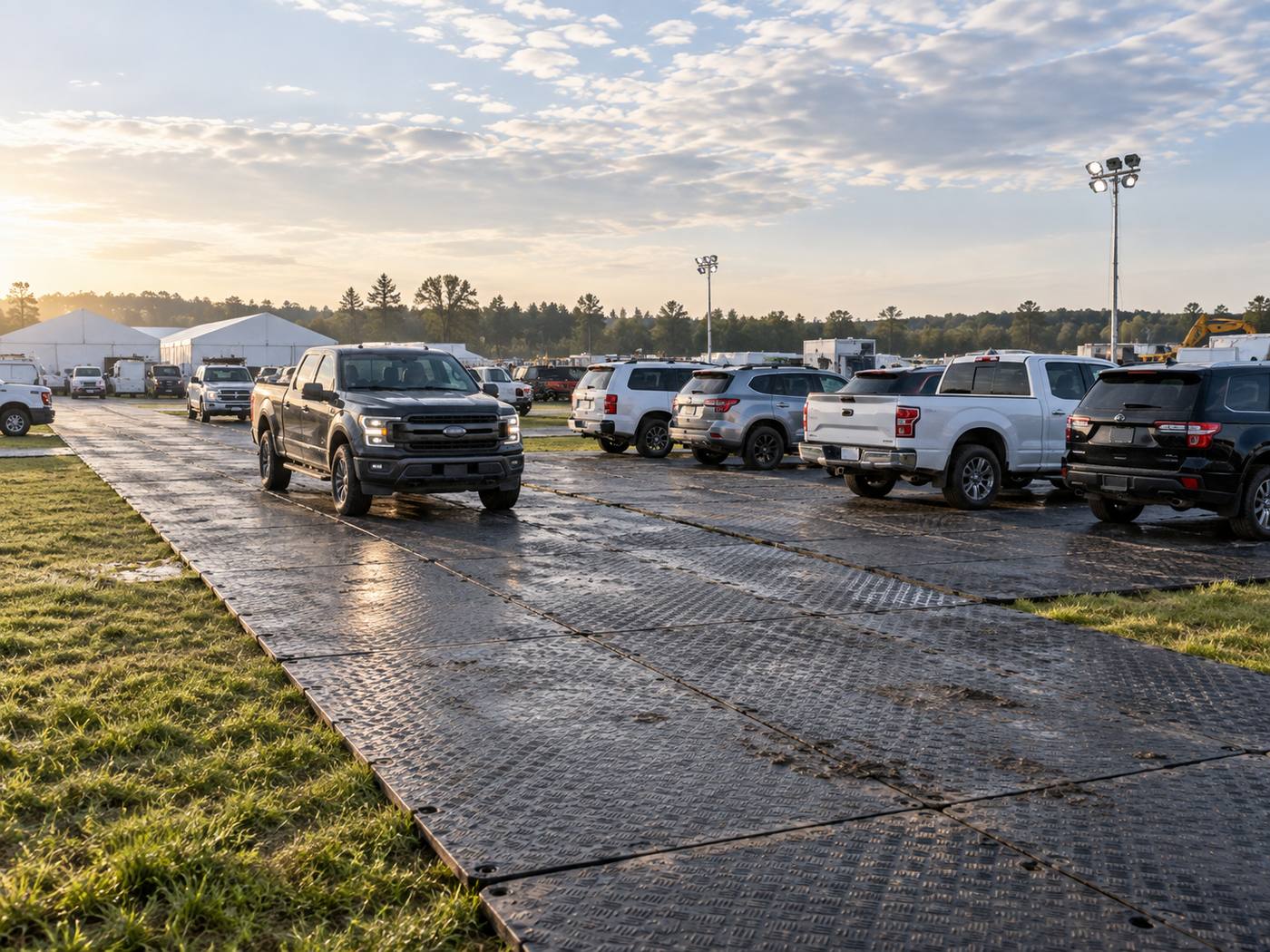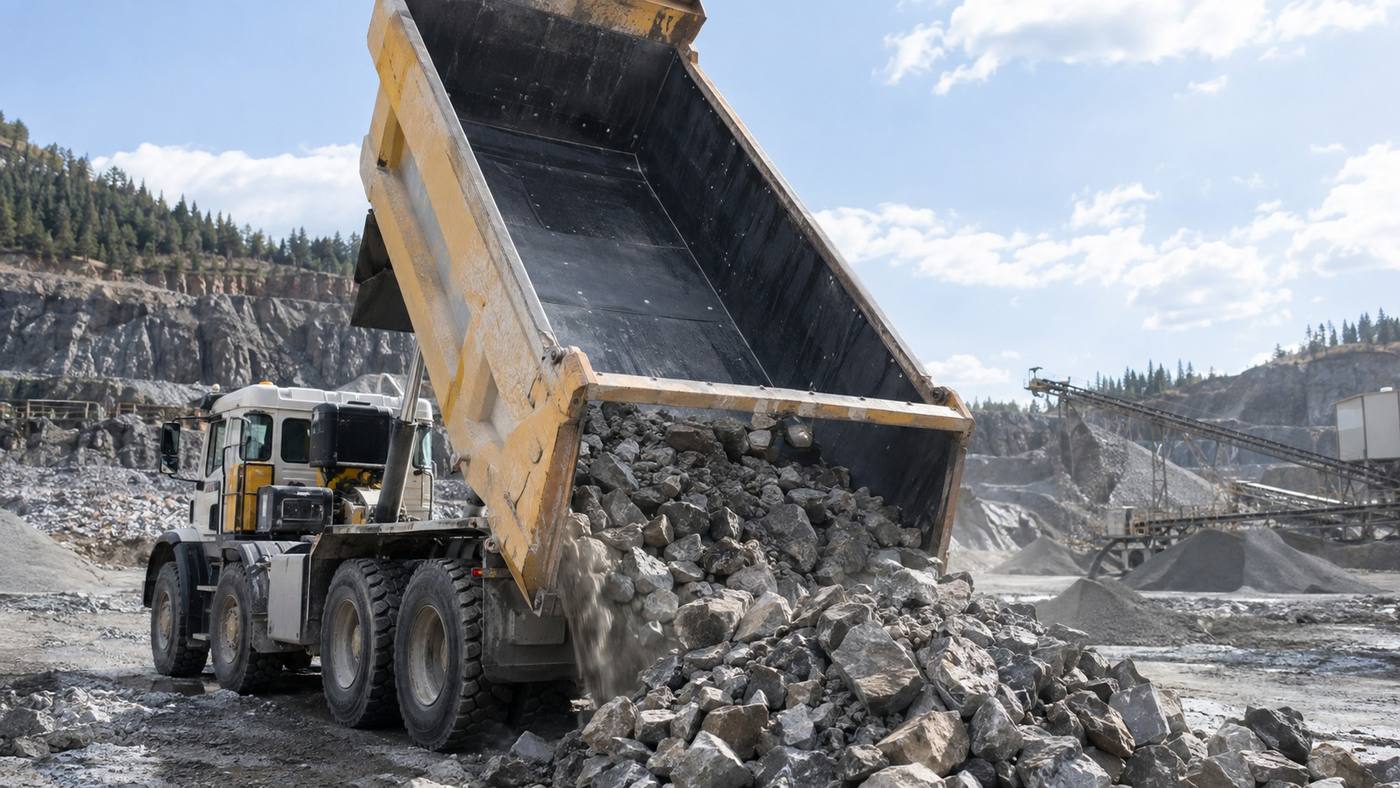
The slope drilling operation controls the level of equipment, starting with the decomposition of the site problem into “ground, equipment, materials and operations”. The typical working condition of this paper is that the mountain exploration hole is located in the slope terrain. It is not a single parameter that is most in need of control at this point, but a simple side of the mat would introduce a slide and overturn risk. If only one layer of material is laid on the surface and no real load of ground, drainage or equipment is identified, movement appears to resume in the short term, with the possibility of subsequent shutdown, back-to-work or safety risks.
In order to avoid repeated requests for quotations, the project should provide, on a one-time basis, the total weight of the equipment, the maximum reversibility of the points, the height of the mast, the endurance of the ground, the perforation slope and the conditions of the mud, and indicate the frequency and consequences of the introduction of the slide and overturn risk on the simple high side of the mat. Vendors may be required to balance and review the submission of recommended programmes, product drawings, individual weights, volume of packaging and limitations around the first construction of a qualified platform, followed by equipment specifications. All descriptions of “carrying” or “drying” are traced back to the basis of the test and are not directly considered as field permitted values.
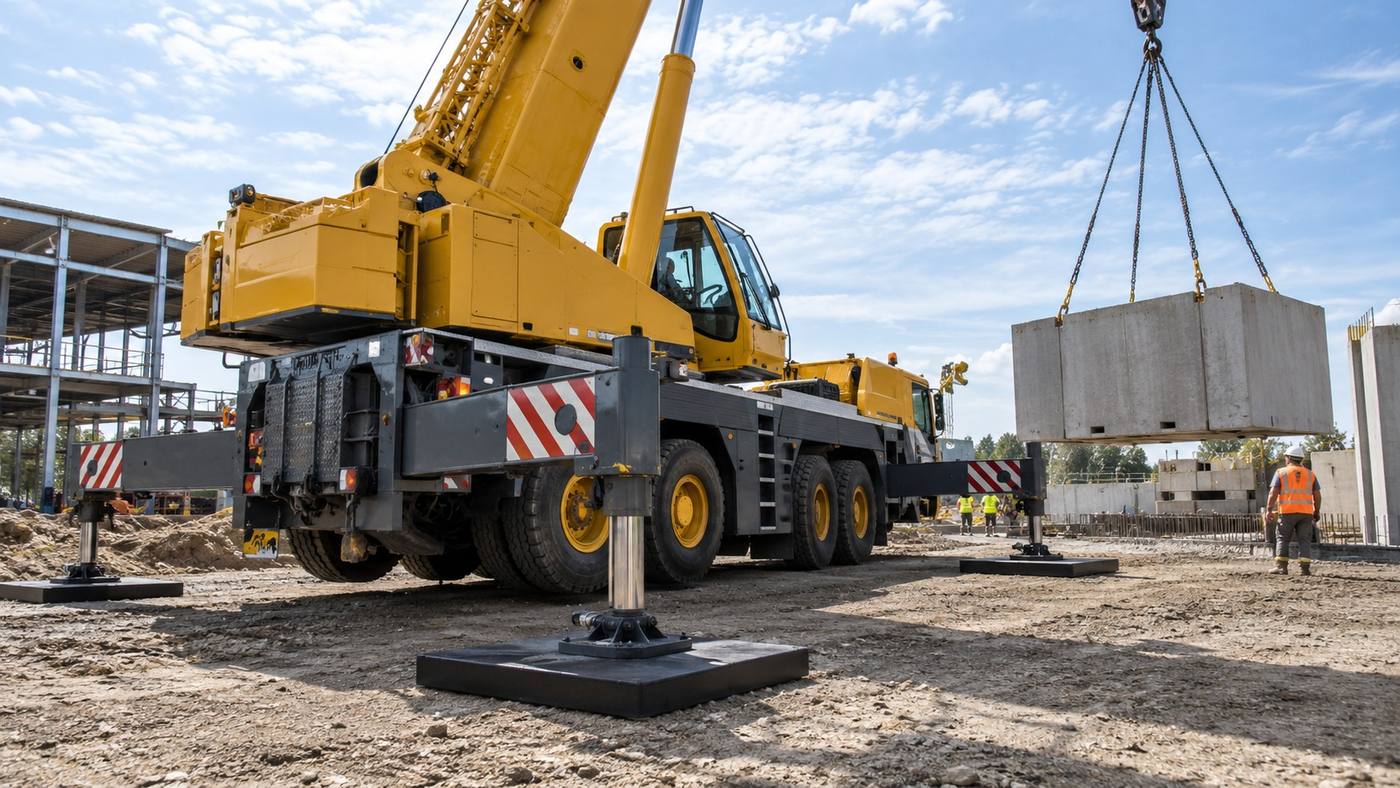
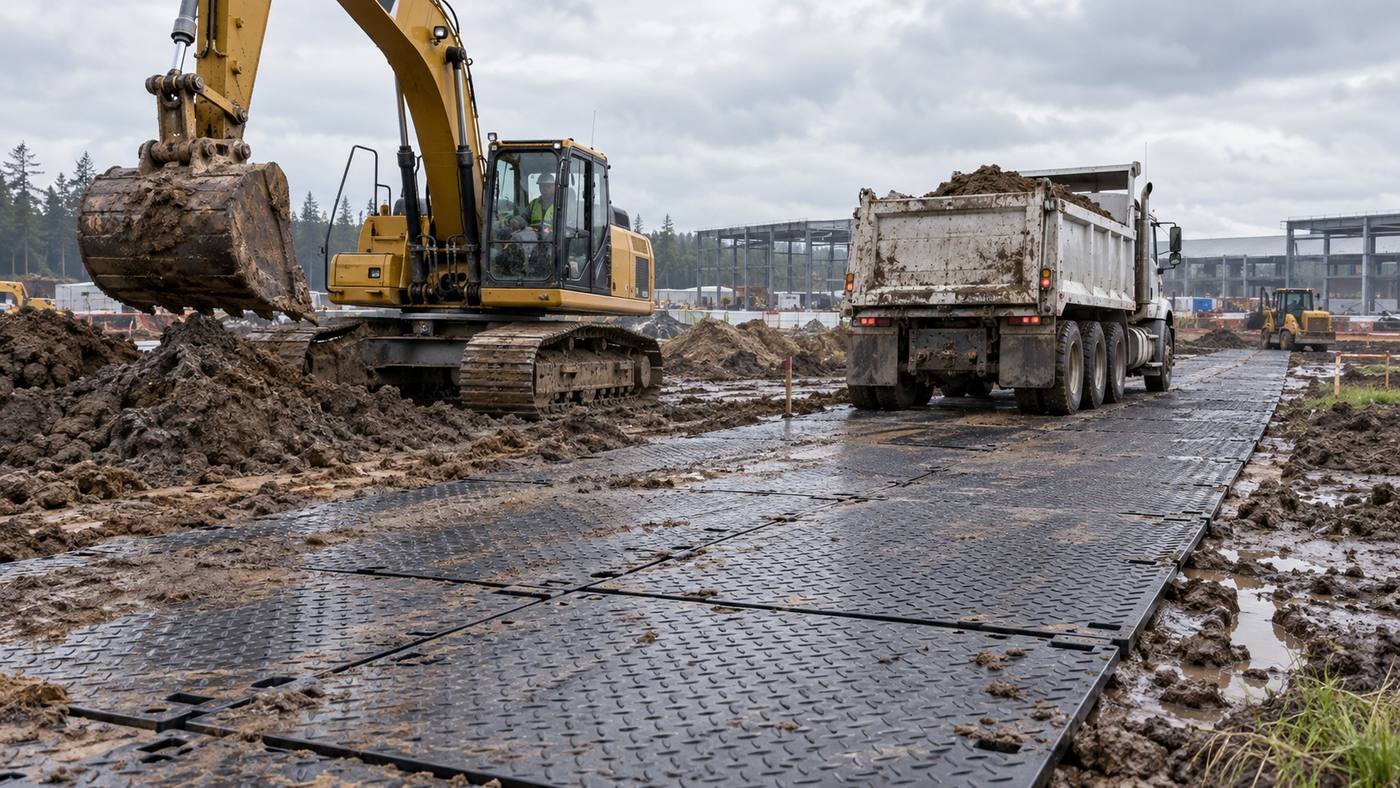
Figure: Mountain exploration hole in the terrain of the slopes (materials from the Creative Plastics Network)
Prior to implementation, a pre-operational meeting could be arranged to clarify who confirmed the basis, who verified the receipt and inspection boards and stubs and who had the right to cease operations. Support systems must be confirmed by qualified personnel in conjunction with the equipment manual. The site is positioned according to numbering and drawings, and every section completed checks size, edge, connection or rigidity, without leaving all questions to the end. The rhythm should be reduced during the trial period to see if the simple side of the mat would introduce a re-emergence of the slide and overturn risk.
It is recommended that pavement boards and slabs be used as retroactive asset management. Numbered side-to-side installation dates, locations, batches, hours of use and maintenance records, with a focus on deposition, horizontality, full pedal contact and mud spills. Minor contamination can be cleaned and re-examined; damage affecting geometry, connection reliability or remaining thickness is determined by authorized personnel and cannot be left to the driver or casual worker to decide on its continued use.
If the project is ready to expand its application, it is recommended that it be preceded by a common review of operations, maintenance, security and procurement. Operators confirm the ease of use, maintenance staff confirm the feasibility of inspection and replacement, security personnel check the conditions for decommissioning, and procurement staff deliver spare parts in comparison with spare parts. Multiple opinions test whether the construction of a suitable platform is truly implementable outside the paper, following the equipment description.
It needs to be emphasized that pavements and stubbles can only function in an approved operating system. Any overload, peri-side, underground hole, tilt lift or human exposure shall be first disposed of in accordance with the mine rules. This document is not a substitute for the plant manual and the comments of the registered engineering staff; procurement communications should provide a true picture of the most unfavourable conditions of work and avoid lowering the entry conditions to meet the quotations.
Need for further evaluation of the actual project?
Applications, sizes, quantities, site photographs or drawings and delivery destinations are sent, on which we can identify more suitable products and processing programmes.