It is suggested that a short statement of the question of whether or not the pulverized gravel at the quarry will damage the pavement is to be established: the site is the visible ground of the implosion, the main anomaly being that the point load may have a negative impact or cause a concentration of stress, who is the object of the impact and when it must be restored. This distinguishes between security issues that must be immediately isolated, control issues that can be maintained, and long-term issues that need to be redesigned.
Prior to the design of the programme, it is recommended that the equipment be collected in terms of exterior, routing, local pressure, mode of diversion, debris particles and frequency of operations. When communicating with suppliers, photographs, size charts and the most unfavourable work conditions should be provided, rather than giving only one “mass tonnage”. More appropriate control actions for this topic are the removal of large pebbles in front of the pavement and the flatting of them with a grader. The material number, the size of the finished product, the thickness difference, the surface texture, the connection or fixation, the working temperature, and the test conditions for the data are also to be confirmed when the pavement board is involved. The usual specifications of 15, 20, 25 or 30 mm can only serve as the starting point for the request for quotations and cannot directly substitute for the engineering judgement.
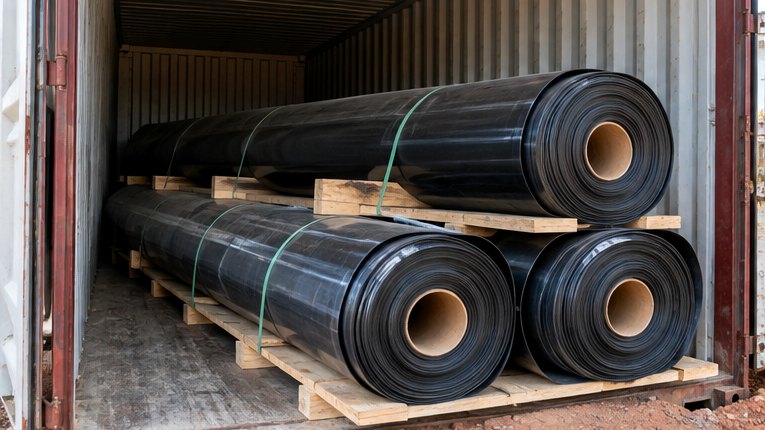
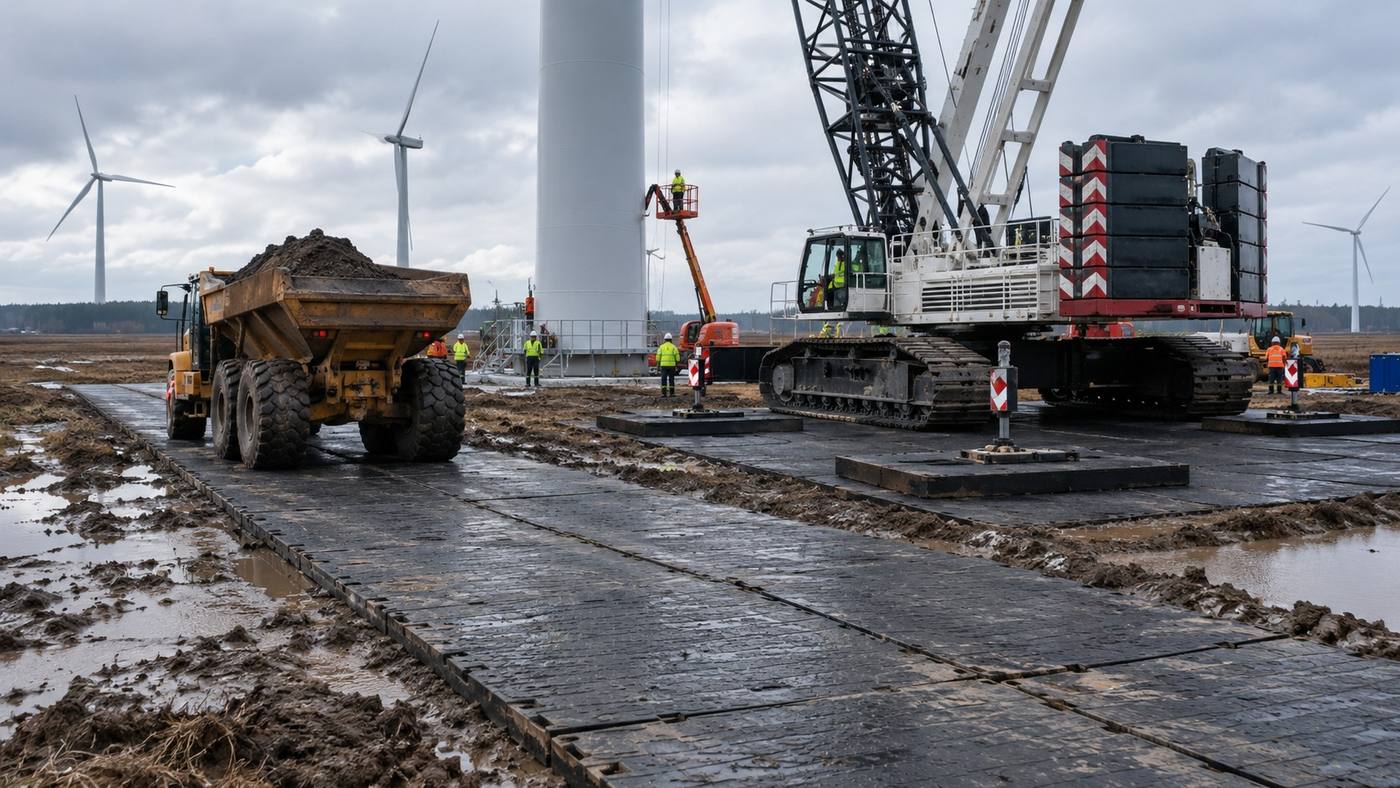
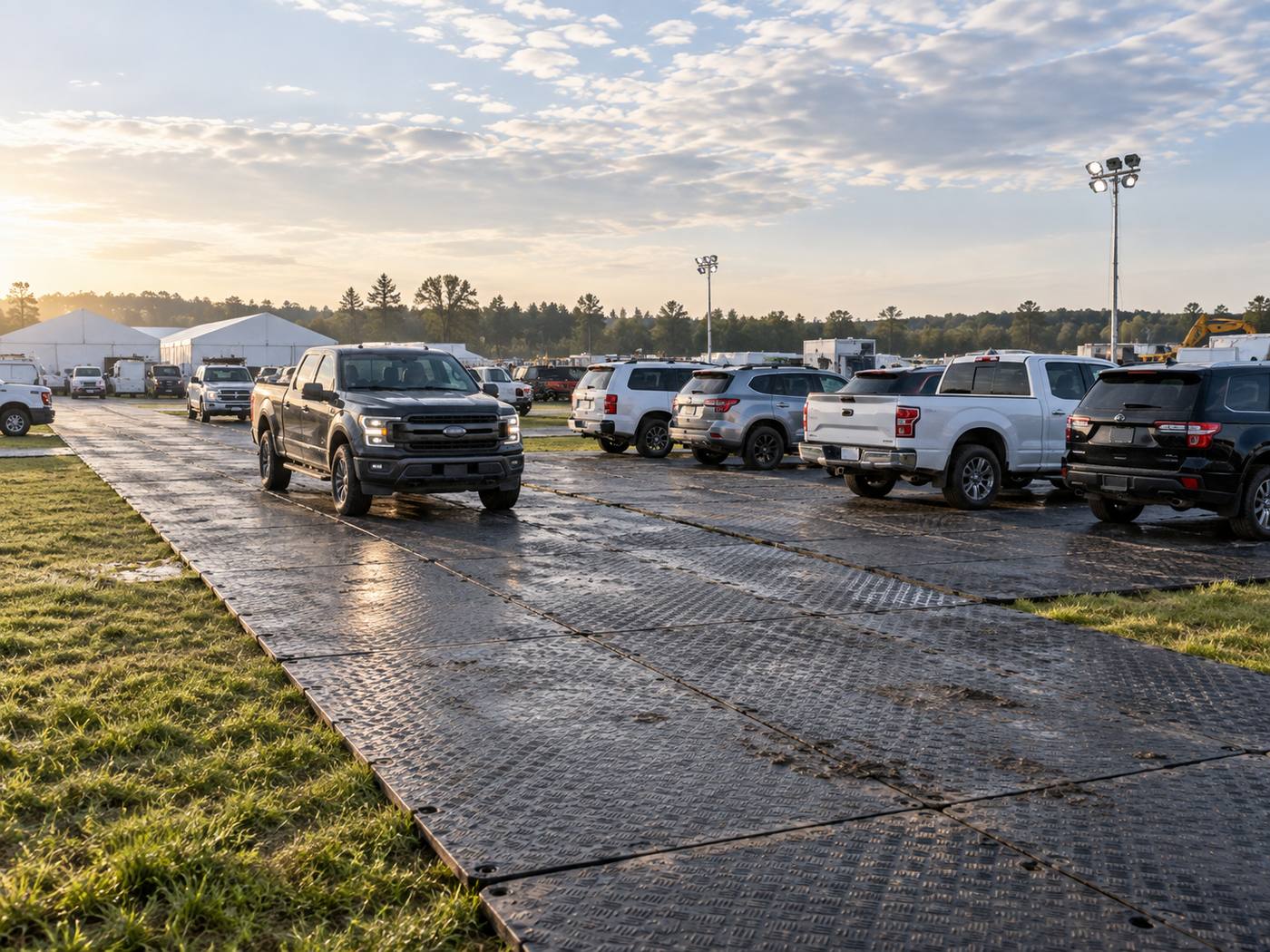
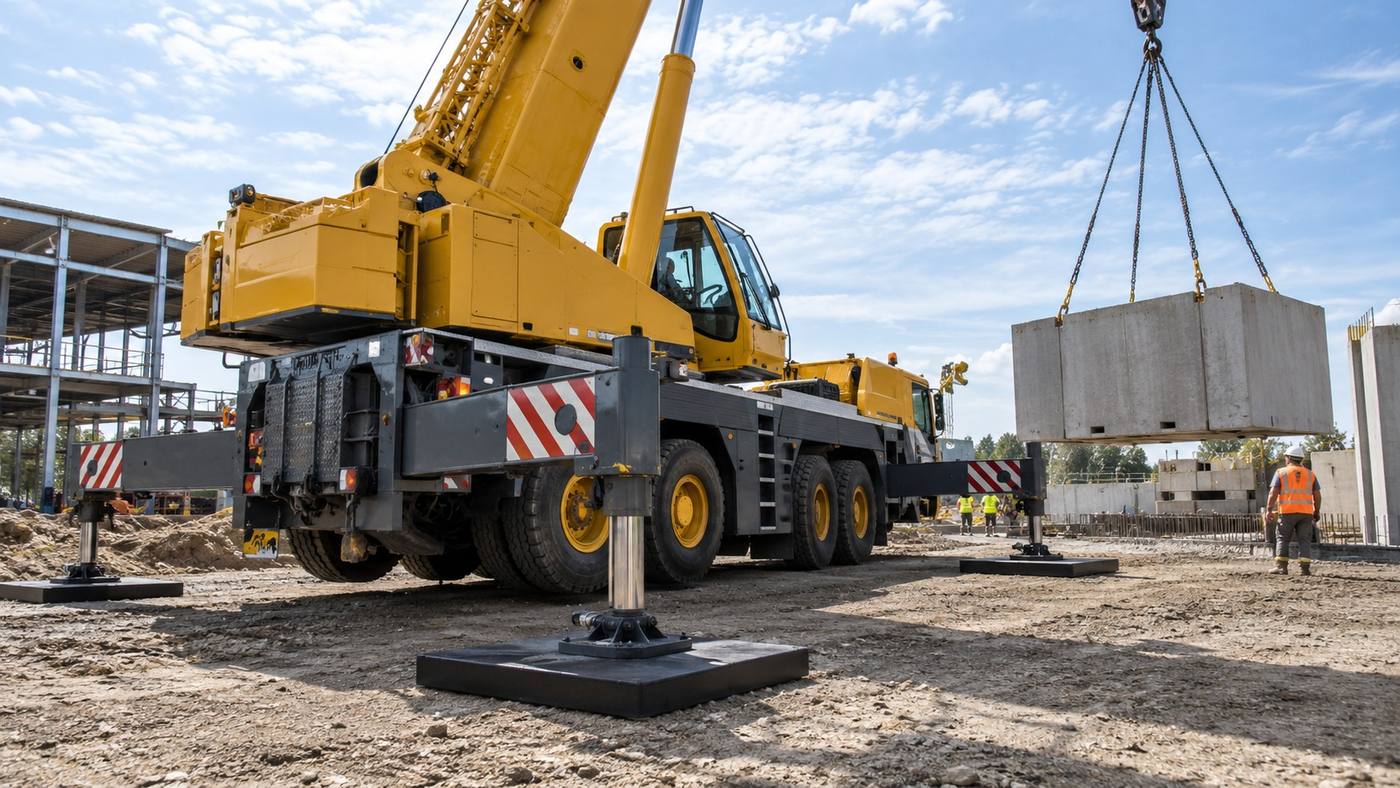
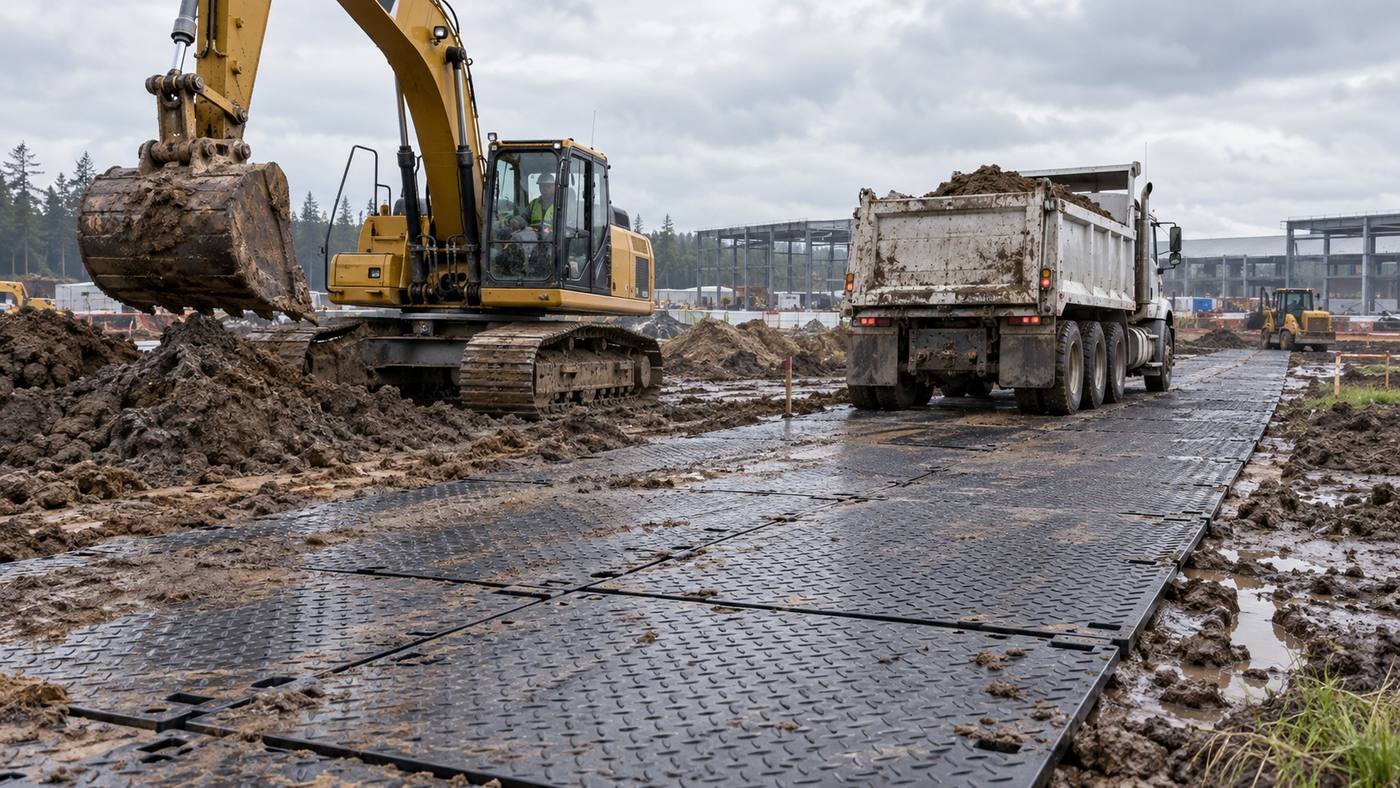
Figure: Visible debacle ground at the Prism Point
If on-site space is restricted, progress cannot be moved by reducing the necessary coverage or moving points to the edge. Traffic organization, equipment stationing or installation should be re-checked to remove large pieces of sharp stones and to flatten enough implementation space with graded fineware. Separate passage routes from loading and unloading, fragmentation and personnel areas. The first round of operations is reviewed immediately after completion, and early relaxation or relocation is usually easier to correct than long-term damage.
Maintenance plans should be organized around sharp stones, stone powder, connectors and reverse areas: each shift at a high-risk point is confirmed, regular spot checks are carried out in the ordinary sector, and additional special inspections are carried out in the event of heavy rains, explosions, overloads or equipment anomalies. When a spot load is found to be likely to damage the bottom or to cause a concentration of stress, the duty vehicle and the weather are recorded to avoid the loss of root cause by replacing only surface parts. Scavengers, porters and stacks should be prevented.
The impact assessment cannot be based solely on the availability of the day. More frequent stopovers, cycling times, residues, maintenance hours, surface repairs or equipment can be applied before and after implementation and weather and load differences can be recorded. The point load may cause damage to the bottom or, if stress concentration continues to occur frequently, suggests a need to re-analyse the ground, operation or specification boundary rather than simply adding the same product.
Prior to the issuance of the purchase order, the project manager should confirm the use of the same version of data by the technical, HSE, operational and logistics parties. The examples of specifications in this paper are not commitment values and the actual application is influenced by materials, temperature, foundation and installation. A complete submission would allow the vendor to make targeted recommendations on the size, quantity, packaging and spare parts of the pavement.
Need for further evaluation of the actual project?
Applications, sizes, quantities, site photographs or drawings and delivery destinations are sent, on which we can identify more suitable products and processing programmes.