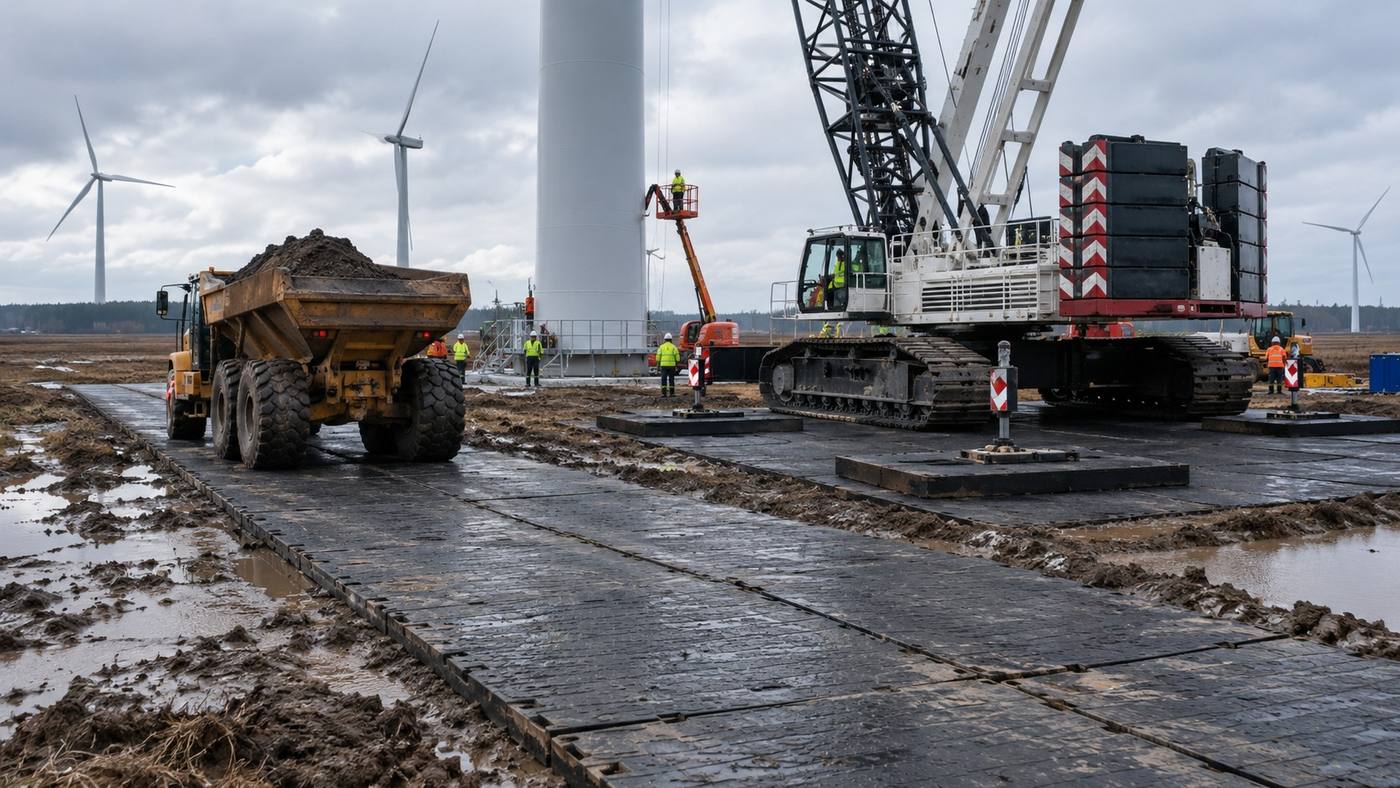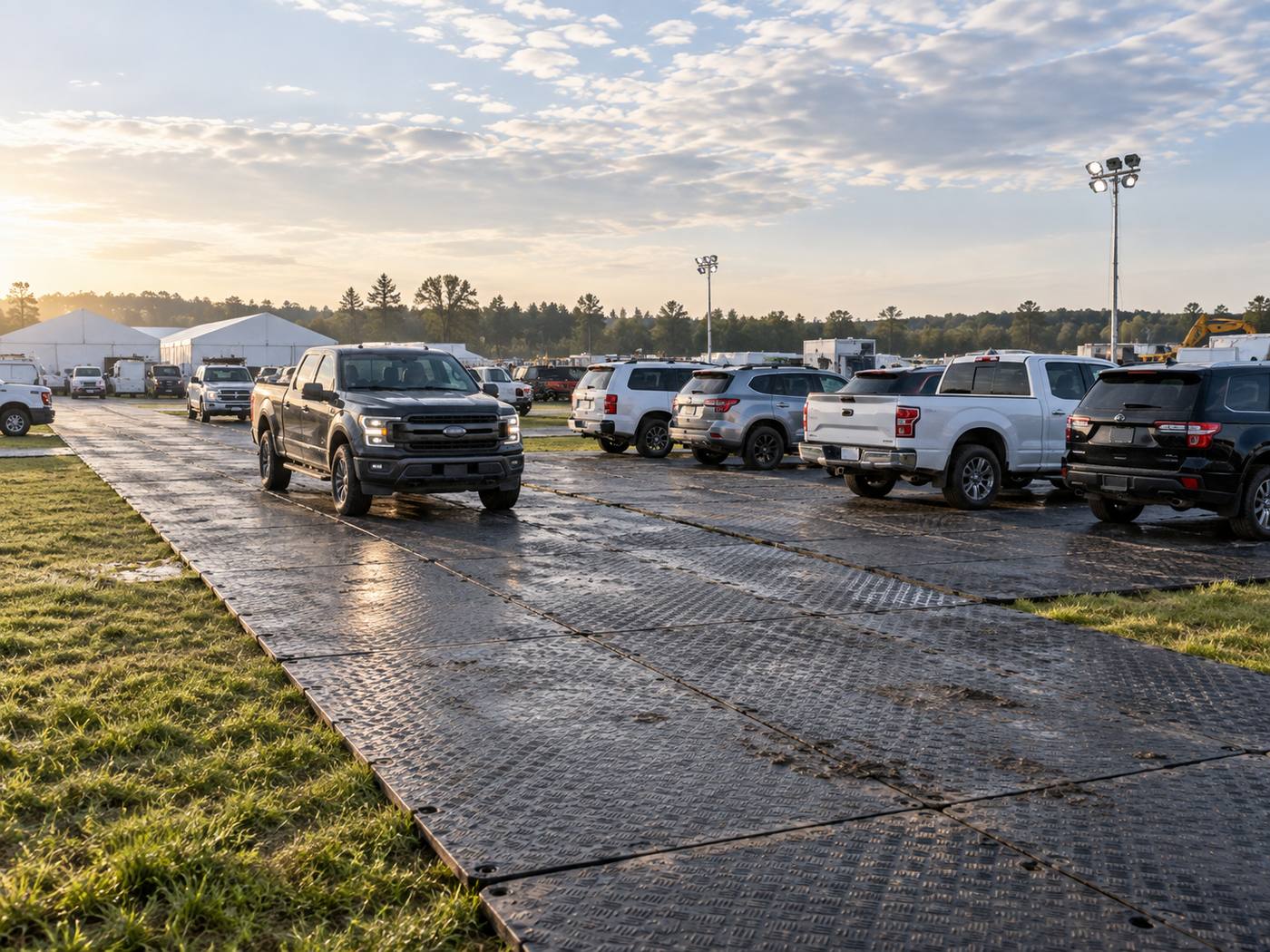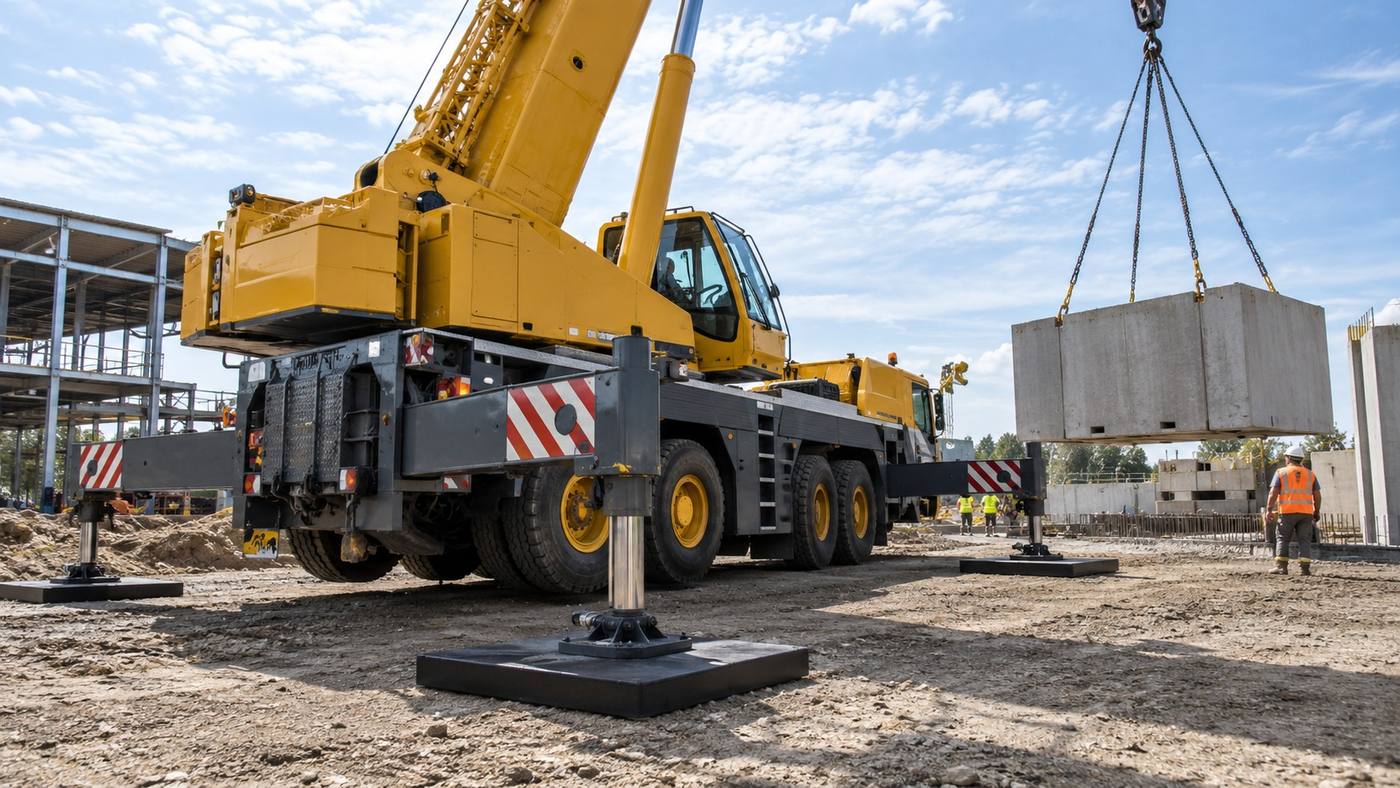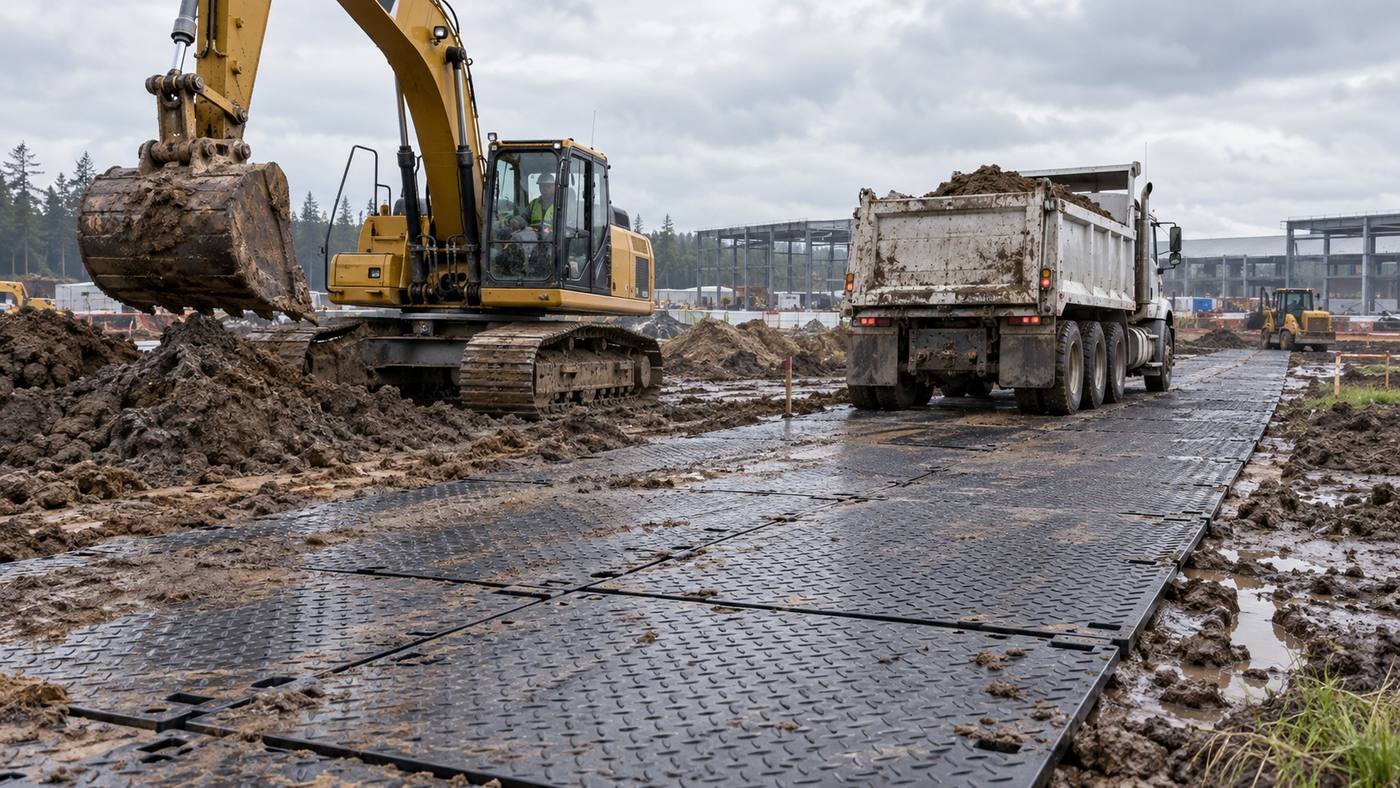
In this scenario, which is temporarily stacked when the area of the pad is insufficient, can multiple pads be stacked under the rig leg? The common error zone is the increase in thickness immediately after the sight of mud, wear or glue, without the retroactivity of conditions under which unbound stacks may slide, tilt or destabilize. The correct approach would be to define the true course of use, the most unfavourable weather, vehicles or equipment before deciding whether to use a pavement, leg pad or car skateboard.
The selection may take three steps: the first step is to verify the total weight of the equipment, the maximum reversibility of the points, the height of the mast, the endurance of the ground, the perforation slope and the conditions of the mud; the second step is to convert the unbound stacks into carrying, friction, shock or grinding needs; and the third step is to implement an integrated and appropriate size support unless the equipment programme is explicitly approved. The request for quotations should indicate the frequency of use, life expectancy and maintenance of the pavement and the slabs. The increase in thickness usually also increases weight and handling difficulties and therefore cannot automatically be equated with “more suitable”.
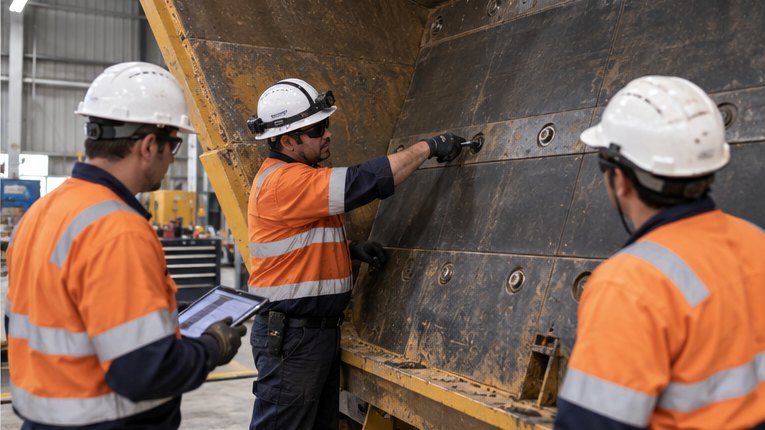
Figure: Temporary stacking of mats when space is insufficient
The product and field base should be used as a system for acceptance and acceptance when landing. Support systems must be confirmed by qualified personnel in conjunction with the equipment manual. Once the laying, support or lining is completed, full contact, flatness, edge transition, tight state and interference with tyres, feet, lifting bodies are checked; the pilot operation begins with low-risk work and is gradually restored to the planned capacity after the site manager has confirmed that there are no anomalies.
It is recommended that pavement boards and slabs be used as retroactive asset management. Numbered side-to-side installation dates, locations, batches, hours of use and maintenance records, with a focus on deposition, horizontality, full pedal contact and mud spills. Minor contamination can be cleaned and re-examined; damage affecting geometry, connection reliability or remaining thickness is determined by authorized personnel and cannot be left to the driver or casual worker to decide on its continued use.
A distinction is to be drawn between product problems and changes in the use of borders. If the load is increased, the route is diverted, the water content ratio of the material is changed or the temperature is above the original range, even if the pavement and the slab are not defective. The decision to adjust specifications, extend coverage or change operations can only be made if these changes are recorded in conjunction with the implementation of integrated and appropriate sizes of support, unless the equipment programme is explicitly approved.
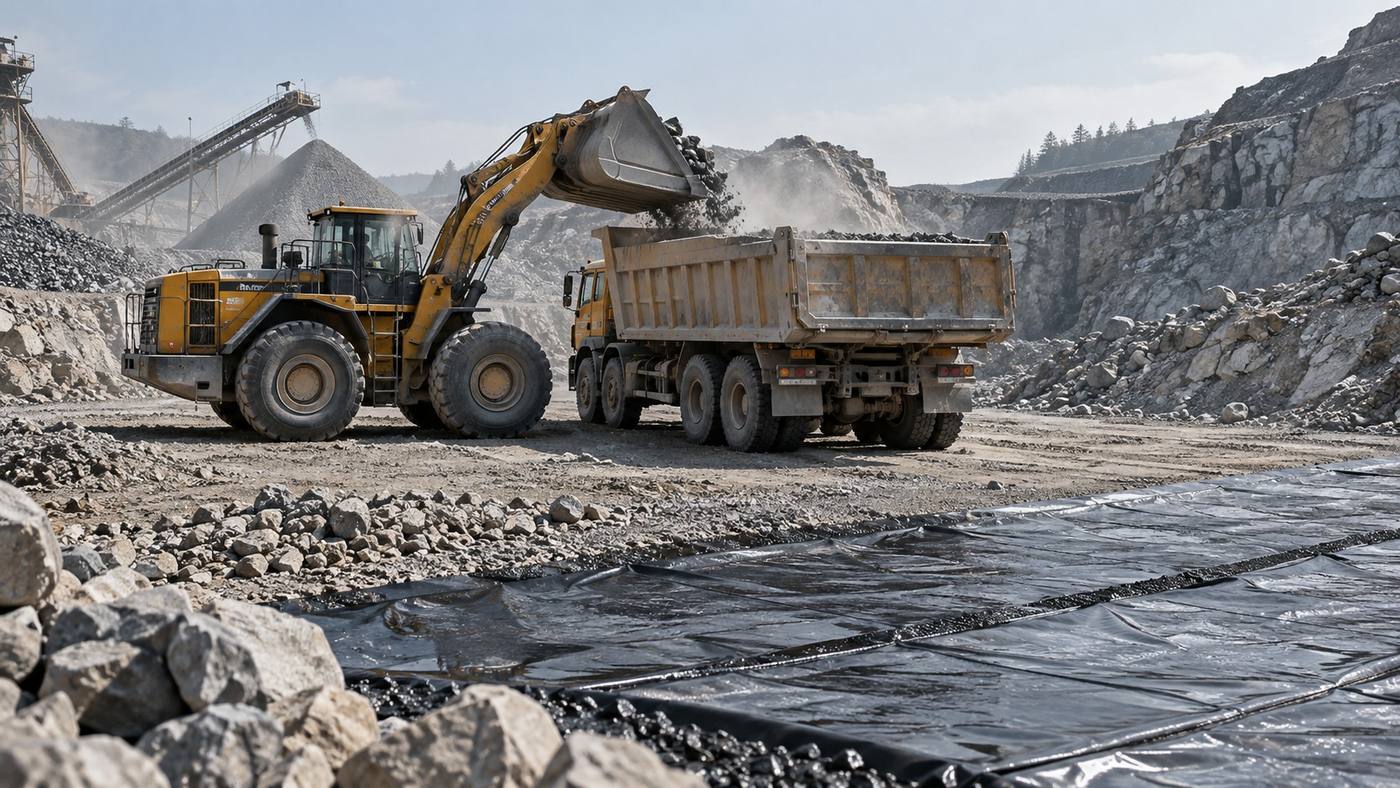
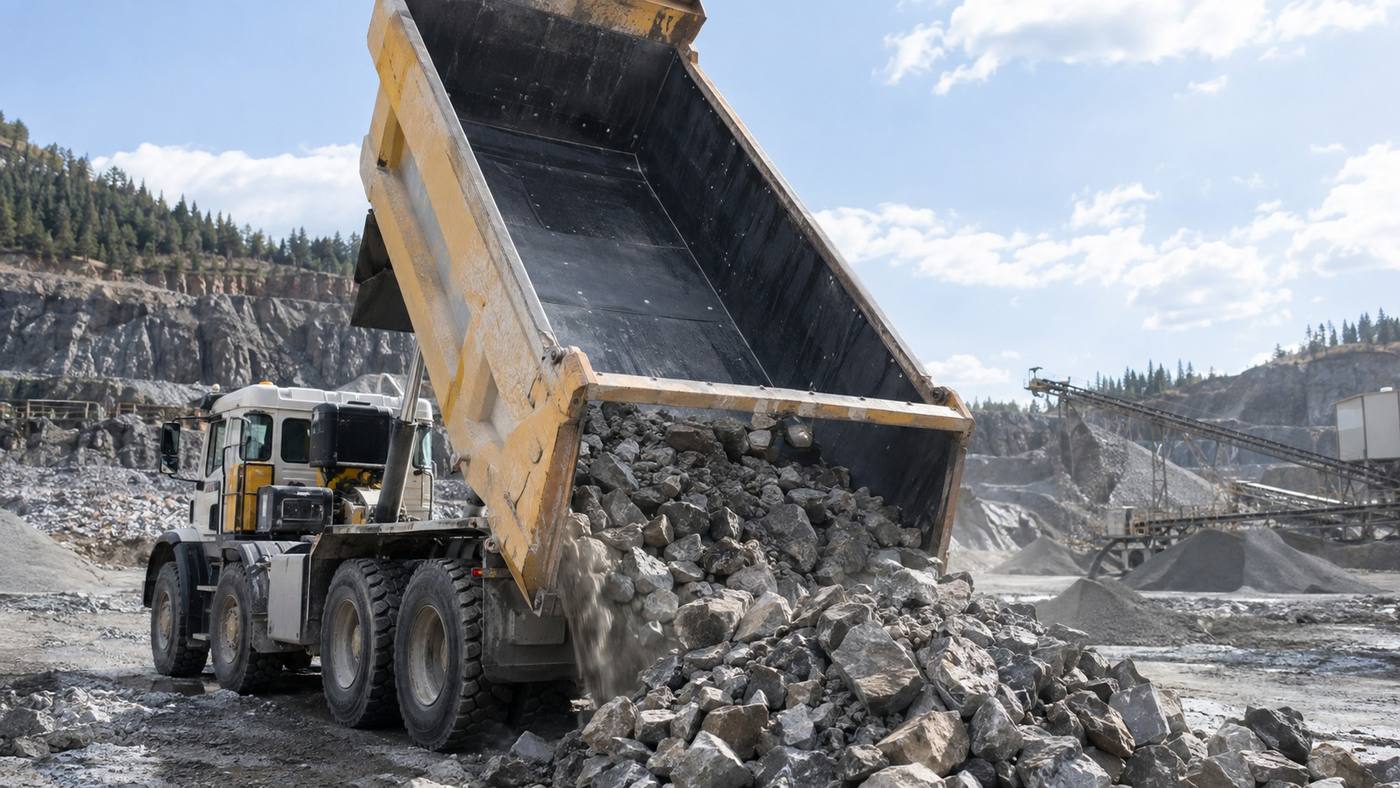
This section may serve as a live discussion list, but not as a separate construction permit. Mines should form a formal programme combining geological, vehicle, lifting, drilling and environmental management systems. If a request for an offer is made to the Carthage Plastics industry, please attach a worksheet, drawings and photographs, and request that the recommended results be accompanied by assumptions and no scope of application.
Need for further evaluation of the actual project?
Applications, sizes, quantities, site photographs or drawings and delivery destinations are sent, on which we can identify more suitable products and processing programmes.