It was suggested that a short question-and-answer be established as to whether temporary pavements could be used in the section of the slope of the mine: the site would be a cut-off and the foot of the slope, with the main anomalies being longitudinal slides, side-to-side run and rain flushing, who was the target and when the impact would have to be restored. This distinguishes between security issues that must be immediately isolated, control issues that can be maintained, and long-term issues that need to be redesigned.
When establishing the input list, the vehicle axle load, tyre landing, road slope, bend radius, water-bearing rate and grass-roots load should be placed in the same table, with an indication of the data source and date. For longitudinal slides, side-runs and rainwater washing, the recommended treatment direction is to verify the permitted slope, anchor and drainage and, if necessary, switch to the engineering route. The specification of the pavement, the size of the plank, the temperature range, the connection method and the test conditions are then compared; if the support basis or the test method of the two suppliers are different, the nominal data cannot simply be arranged horizontally.
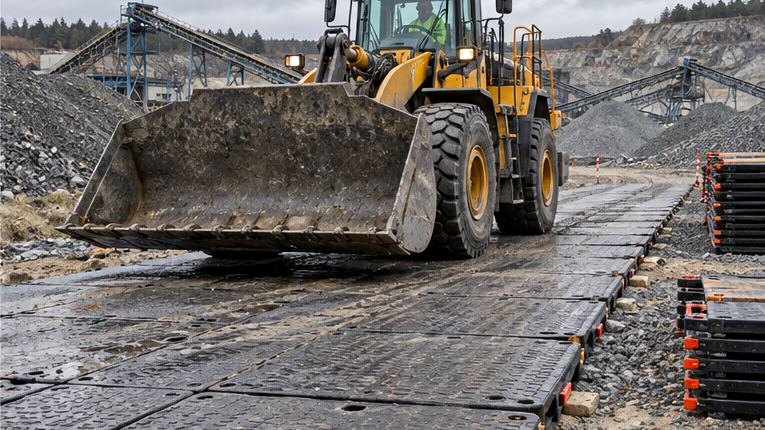
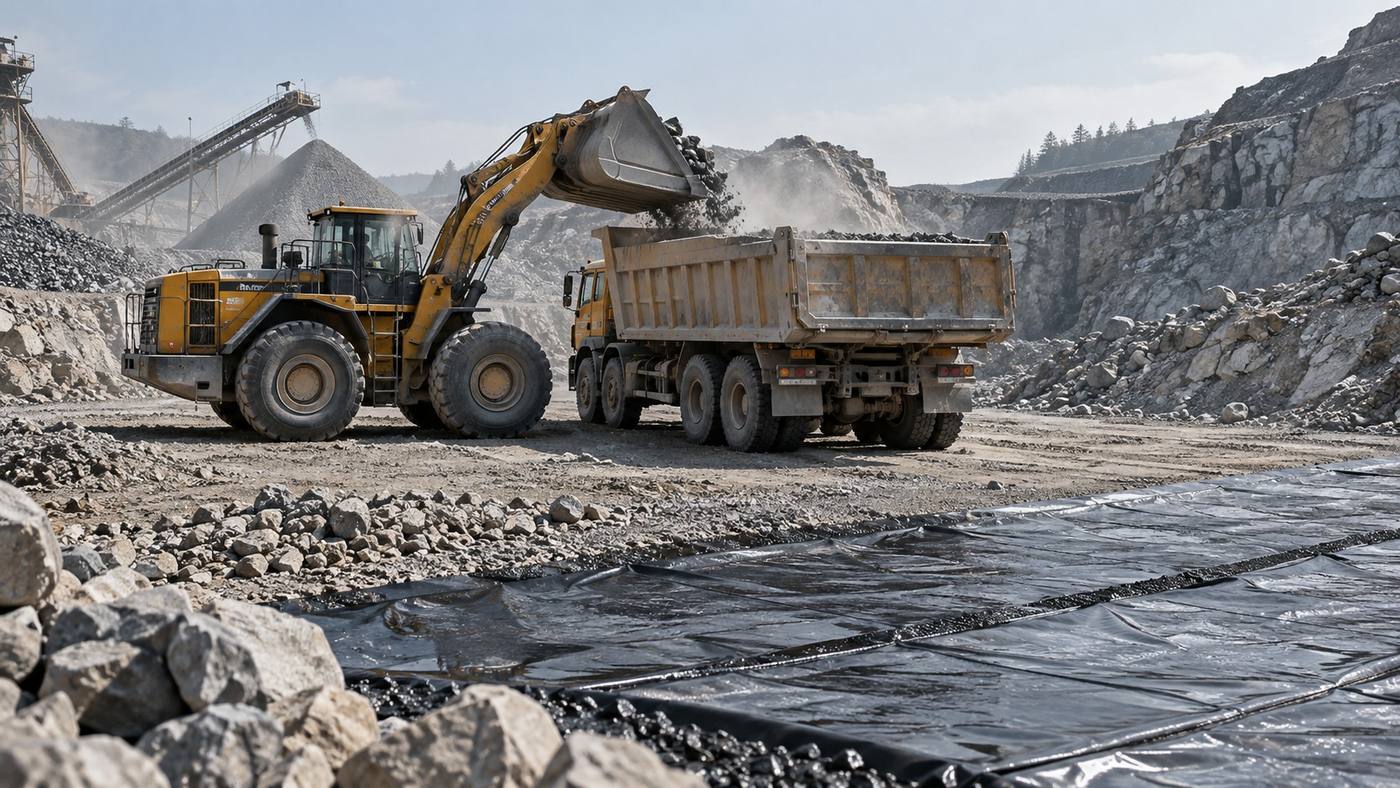
Figure: Range slope and slope foot transition
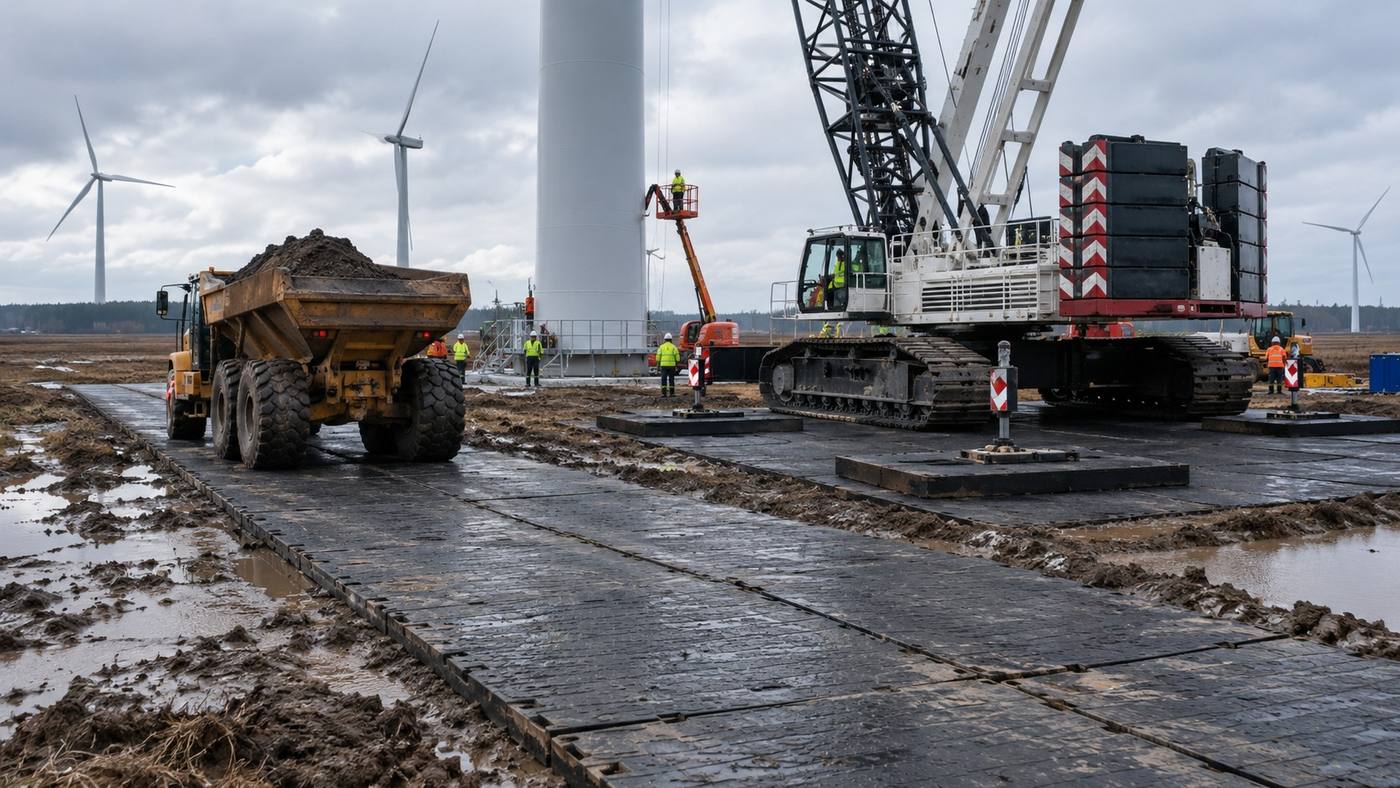
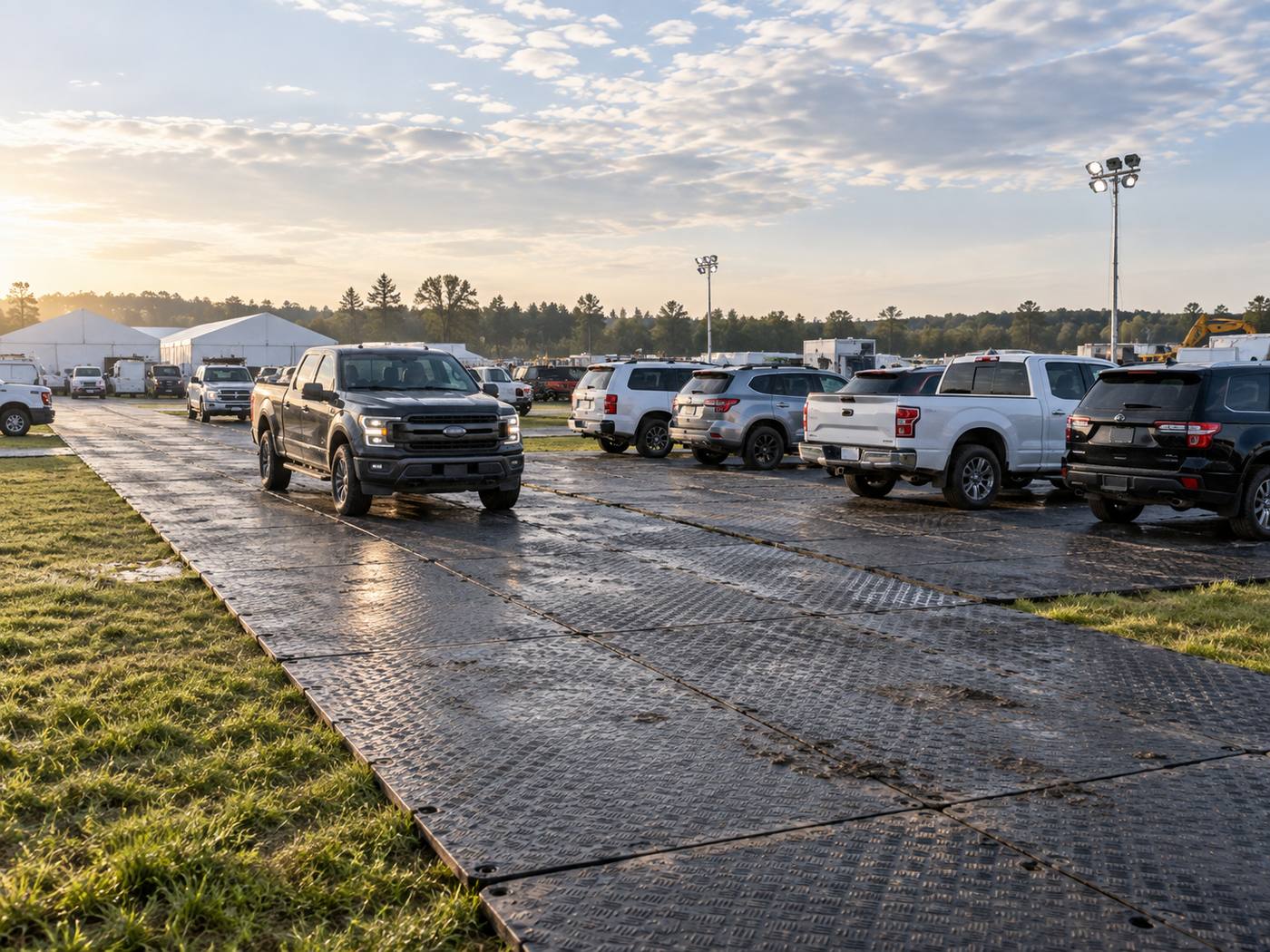
The field organization also decides to use effects. The area of operations should have clear traffic flow, quarantine coverage and abnormal parking standards, and the installation personnel should use loads that match the weight. Road boards are seen as interim layers rather than ground-based alternatives. In the event of the discovery of abnormal substrates that continue to sink, feeder overload, liner arches or connects, the use of the substrate must be discontinued and the reasons identified, and the problem cannot be covered by accelerated passage, repeated lifting or temporary pressure.
It is recommended that the pavement boards be used as retroactive asset management. The numbering is associated with the date, location, batch, time of use and maintenance of records, with the focus of the inspection being the drain, sew, edge and soft points. Minor contamination can be cleaned and re-examined; damage affecting geometry, connection reliability or remaining thickness is determined by authorized personnel and cannot be left to the driver or casual worker to decide on its continued use.
The impact assessment cannot be based solely on the availability of the day. More frequent stopovers, cycling times, residues, maintenance hours, surface repairs or equipment can be applied before and after implementation and weather and load differences can be recorded. Longitudinal slides, side-runs and rainwater washes continue to occur frequently, suggesting the need to return to ground, operation or specifications for re-analysis rather than simply adding the same product.
Finally, this paper provides a selection and management approach, with no alternatives to equipment specifications, special programmes, geological evaluations and local regulations. Work involving lifting support, ramps, ditches, vehicle lifts or personnel entering the carriage shall be reviewed and quarantine, locking and emergency procedures carried out by suitably qualified personnel. The above data may be submitted at the request for quotations to obtain recommendations on size, thickness, quantity and shipment.
Need for further evaluation of the actual project?
Applications, sizes, quantities, site photographs or drawings and delivery destinations are sent, on which we can identify more suitable products and processing programmes.