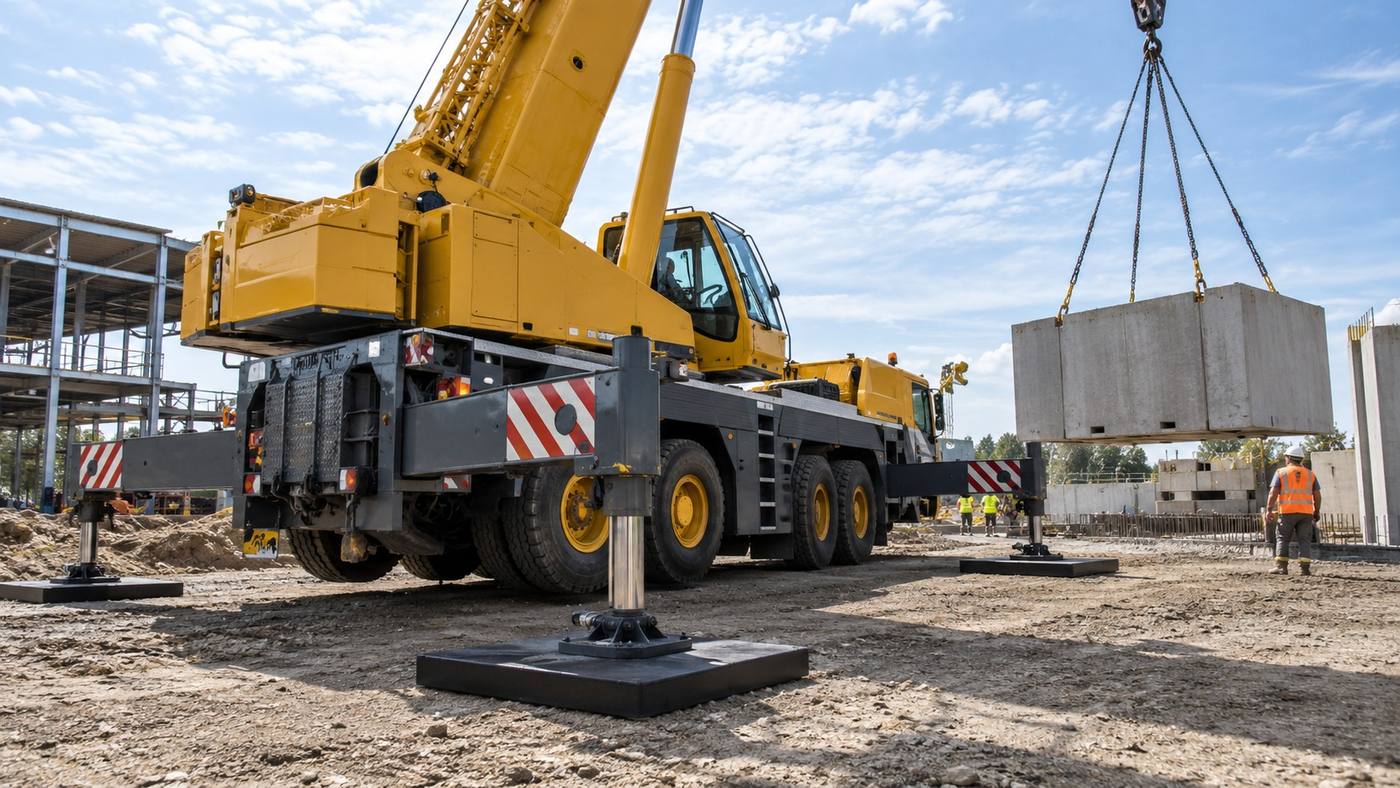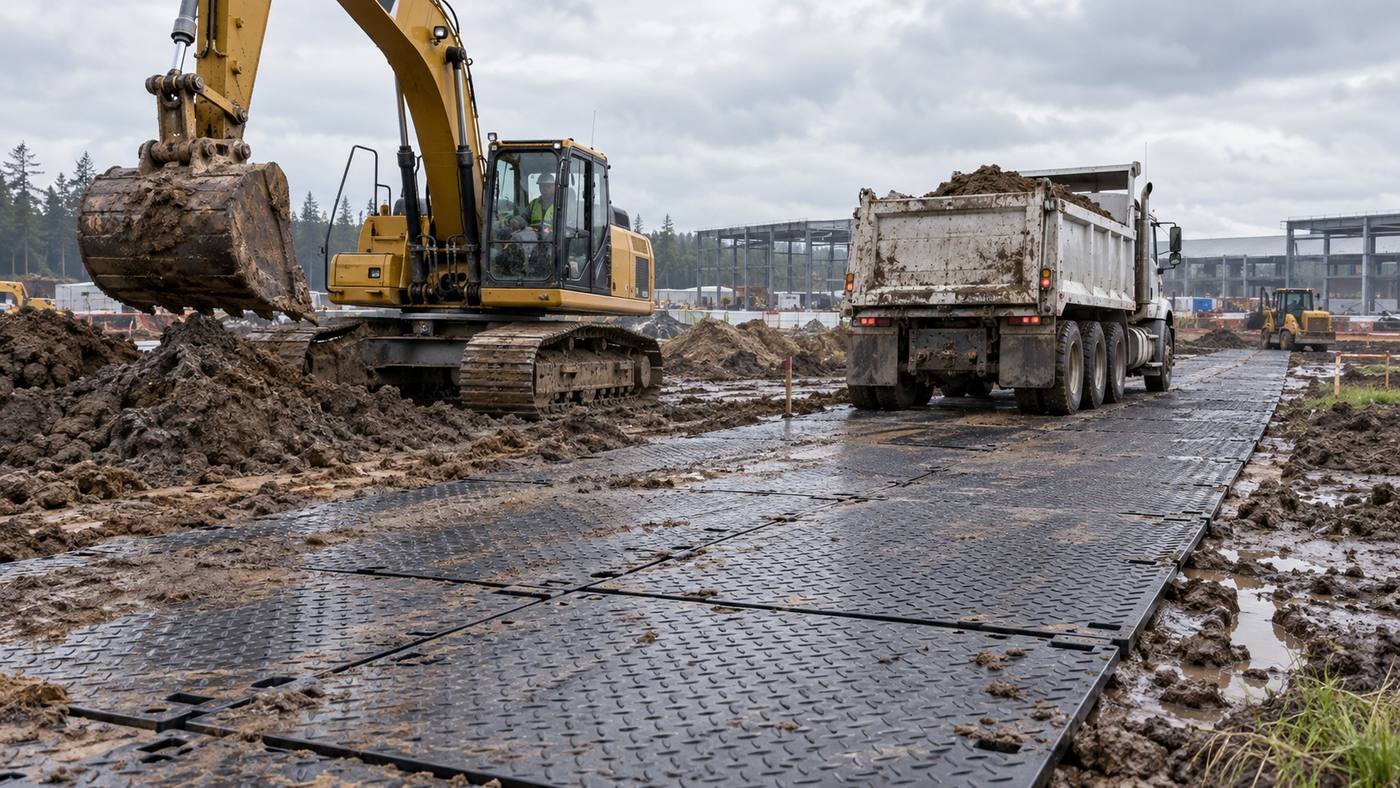
There is no uniform solution to the problem of being able to carry an irregular leg mat after cutting. Soils, materials and equipment in the floors may change daily in order to avoid obstacles, especially when changes in cross-sections, margins and stress distribution exacerbate this uncertainty. The meaning of the introduction of modularized products is the availability of installed, detectable and recoverable engineering measures after a clear boundary.
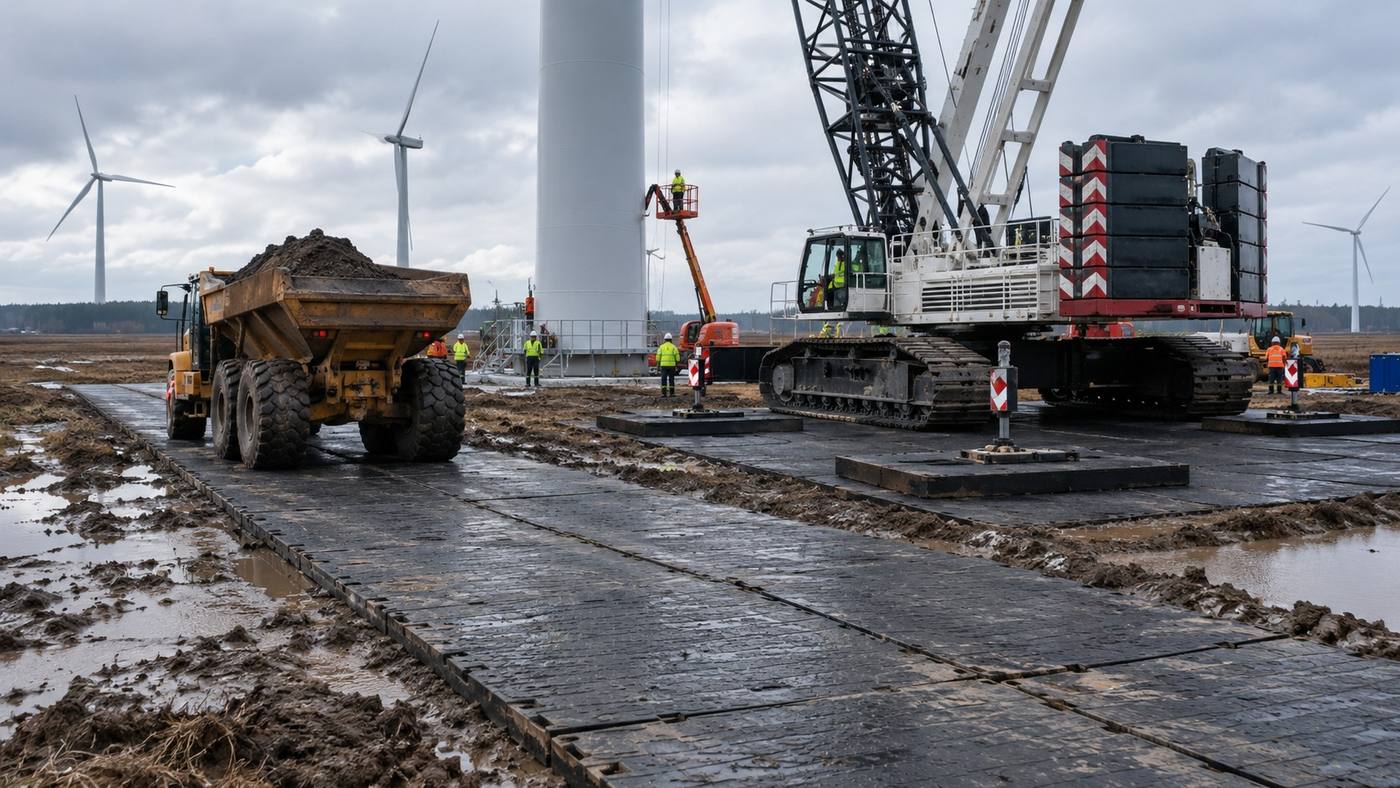
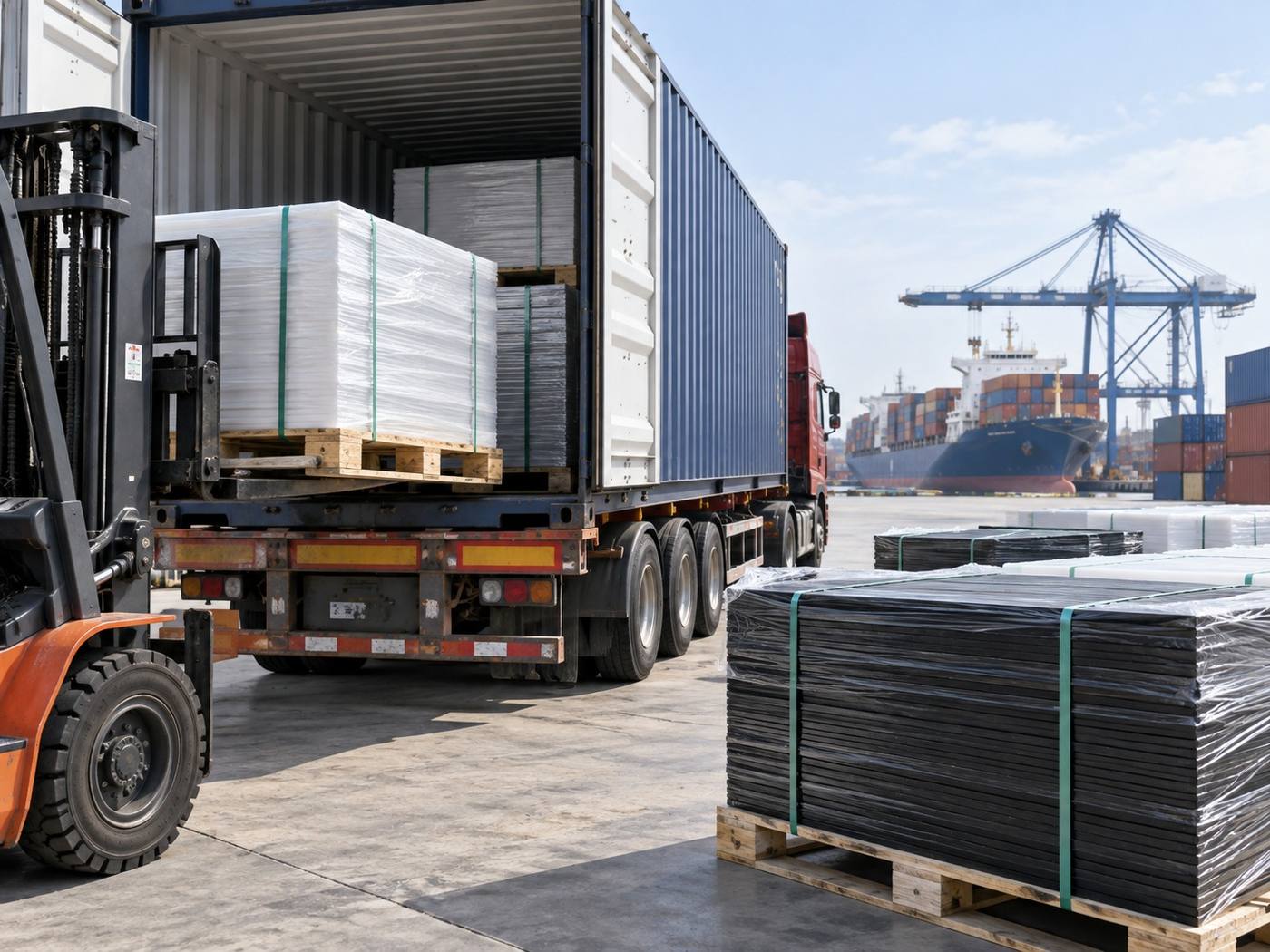
The procurement or technical staff shall first match the work of the crane, the length of the arm, the position of the rotary, the maximum retroactivity of the leg, the size of the foot and the ground-based load with the photographs of the scene, indicating, inter alia, the location where the cross-section, margin and stress distribution has been altered. The proposed option would prohibit modifications that were not confirmed by the manufacturer and would be used at the original design size, but would still have to check the length, width, thickness, weight, surface, hole level and permitted temperature of the leg pad before implementation. Where products need to be relocated repeatedly, the ceiling for manual removal and mechanical posts should also be included in the selection.
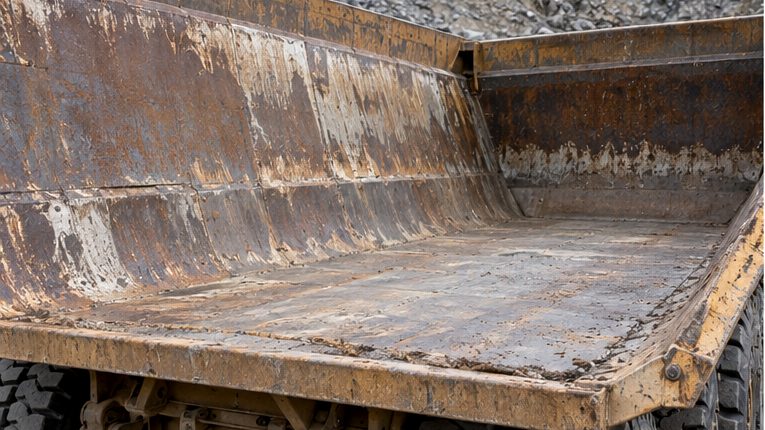
Figure: On-site cutting of unauthorised pads to avoid obstacles
During the construction or installation phase, the area of operation is first sealed, and the point-loading of sharp stones, hard blocks and miscellaneous items are cleared, then laid or fixed in the order approved. The leg pad extended the area of stress but could not repair the unsatisfactory foundations. Where a collage is required, the connection should be directed in the direction of the main drive or material flow, and the conditions of condensation and overhaul required by the manufacturer should be retained; no random drilling, cutting or stacking should be made on site to compensate for the lack of choice.
The maintenance plan should be designed around sedimentation, slide, edge distance and frequency of underground facilities: each shift at a high-risk point is confirmed, regular spot checks are carried out in the general sector, and additional special inspections are carried out in the event of heavy rains, explosions, overloads or equipment anomalies. When cross-sections, margins and stress distributions are found to be altered, the duty vehicles and weather are recorded to avoid the loss of root causes by replacing only surface parts. Scavengers, porters and stacks should be prevented.
Receiving and inspection information shall keep the product batch, installation chart, site photographs, initial dimensions and trial running records. In the event of a later change in the cross-section, margin and stress distribution, it can be judged whether the anomaly arises from initial installation, change of condition or natural wear. For reusable pavements or leg pads, this set of records will also facilitate the rapid matching of suitable locations for the next transfer.
It needs to be emphasized that the pedals can only function in an approved operating system. Any overload, peri-side, underground hole, tilt lift or human exposure shall be first disposed of in accordance with the mine rules. This document is not a substitute for the plant manual and the comments of the registered engineering staff; procurement communications should provide a true picture of the most unfavourable conditions of work and avoid lowering the entry conditions to meet the quotations.
Need for further evaluation of the actual project?
Applications, sizes, quantities, site photographs or drawings and delivery destinations are sent, on which we can identify more suitable products and processing programmes.