Whether or not the rig support pads are still working with a bend, first of all, to decompose on-site problems into “ground, equipment, materials and operations”. The typical case in which this paper is written is that the support pads have a permanent warp or deep mouth. It is not a single parameter that is most in need of control at this point, but the damage may change the path of the force and reduce reliability. If only one layer of material is laid on the surface and no real load of ground, drainage or equipment is identified, movement appears to resume in the short term, with the possibility of subsequent shutdown, back-to-work or safety risks.
The technology is selected to determine which of the most adverse factors are the total weight of the equipment, the maximum reversibility of the points, the height of the mast, the endurance of the ground, the perforation slope and the conditions of the mud, and then to determine the maintenance or replacement of ground protection mats and the leg cushions on the basis of the manufacturer ' s criteria for cancellation. For example, road products focus on localization and connectivity, support products focus on reversibility and rigidity, and car products focus on friction, shocks and contraction. Even if the common thickness of 15, 20, 25 or 30 mm is used, the logic of choice and the applicable boundary must be stated.
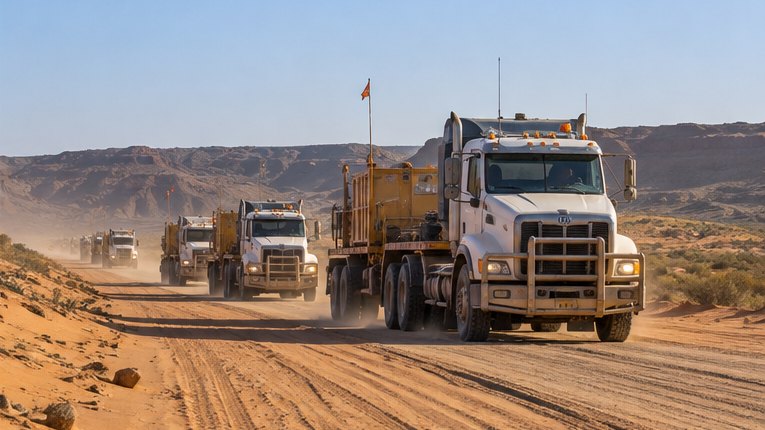
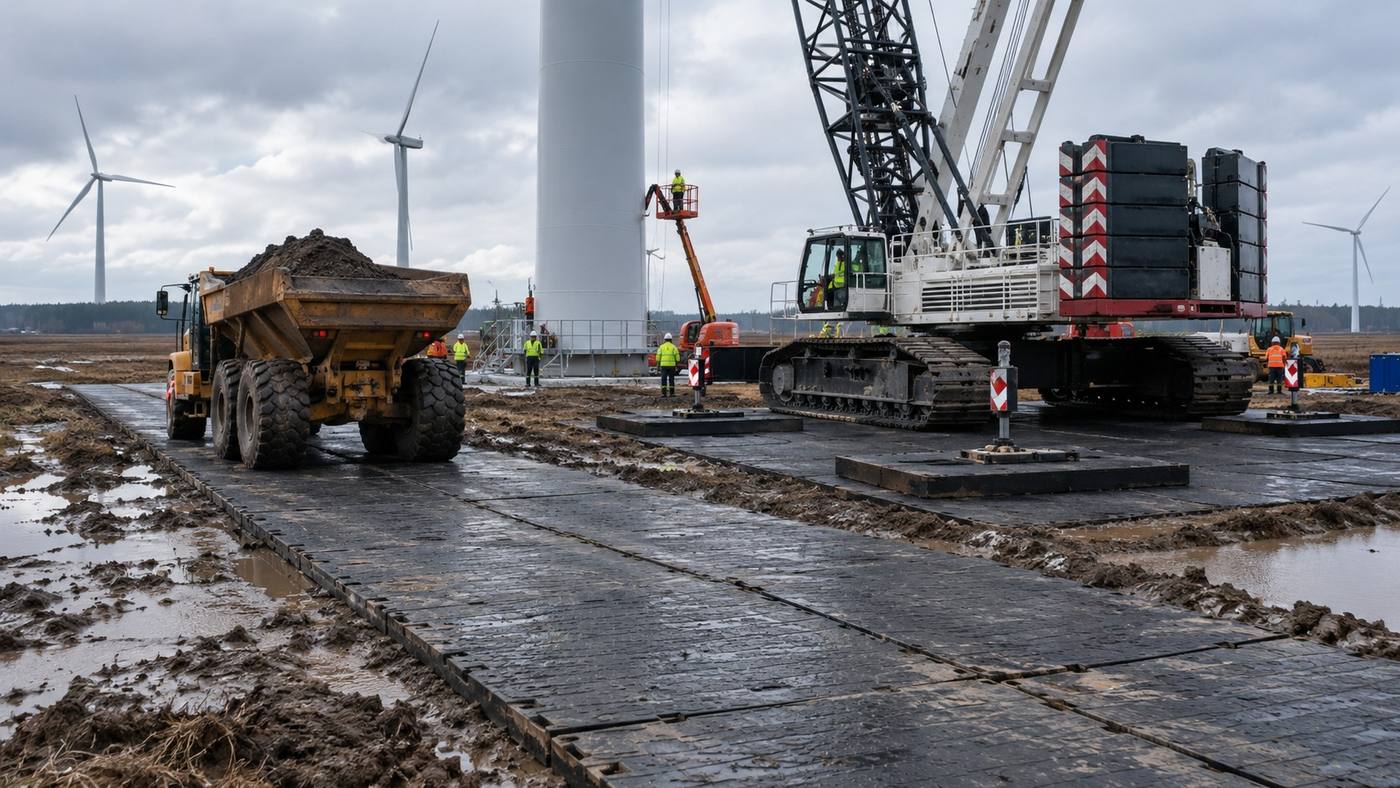
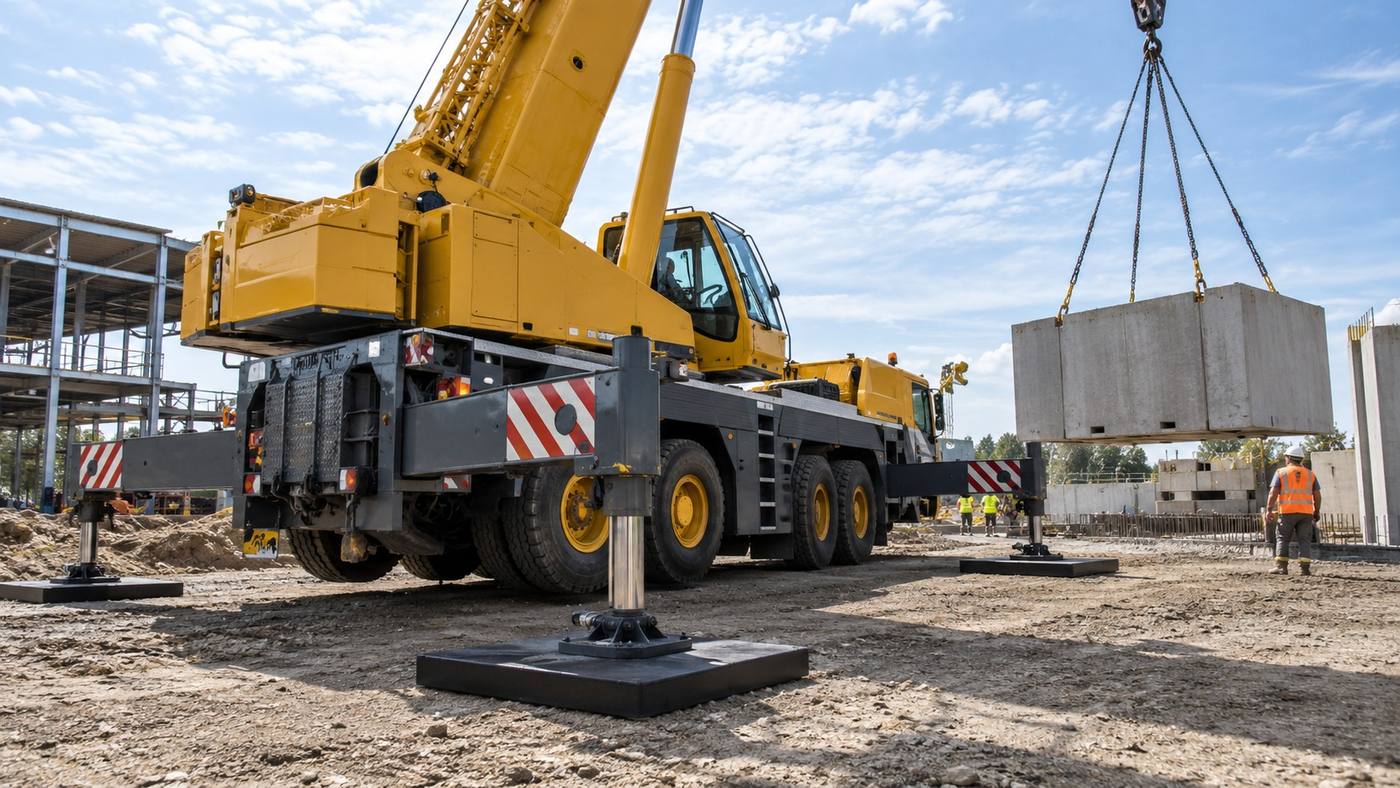
Figure: Perpetual plume or deep mouth on the support pad
The product and field base should be used as a system for acceptance and acceptance when landing. Support systems must be confirmed by qualified personnel in conjunction with the equipment manual. Once the laying, support or lining is completed, full contact, flatness, edge transition, tight state and interference with tyres, feet, lifting bodies are checked; the pilot operation begins with low-risk work and is gradually restored to the planned capacity after the site manager has confirmed that there are no anomalies.
The maintenance plan should be set up on a frequency around deposition, horizontality, full-on-past contact and mud spills: each shift at a high-risk point is confirmed, regular spot checks are carried out in the general sector, and additional special inspections are carried out in the event of heavy rain, blast, overload or equipment anomalies. When damage is found that may alter the path of the force and reduce reliability, the duty vehicle and the weather are recorded to avoid the loss of root cause by replacing only surface parts. Scavengers, porters and stacks should be prevented.
Cost models should cover procurement, transport, installation, maintenance, cleaning, warehousing and evacuation sites, taking into account the damage that may alter the path of stress and reduce the downtime and back-work caused by reliability. A baseline of one month or a full rainy season could be used to evaluate the improvement programme. In the absence of a sufficient sample, uncertainty should be clearly marked and the full year ' s benefits should not be inferred from a successful case.
The ultimate goal is not simply to install a product, but to allow the support pad to operate permanently or at depths at acceptable risk. Approval of the programme should be accompanied by the use of restrictions, inspection responsibilities, decommissioning criteria and evacuation methods. This way, even if there are changes in personnel or shifts, the re-inducing of damage due to the lack of information may change the path of stress and reduce reliability.
Need for further evaluation of the actual project?
Applications, sizes, quantities, site photographs or drawings and delivery destinations are sent, on which we can identify more suitable products and processing programmes.