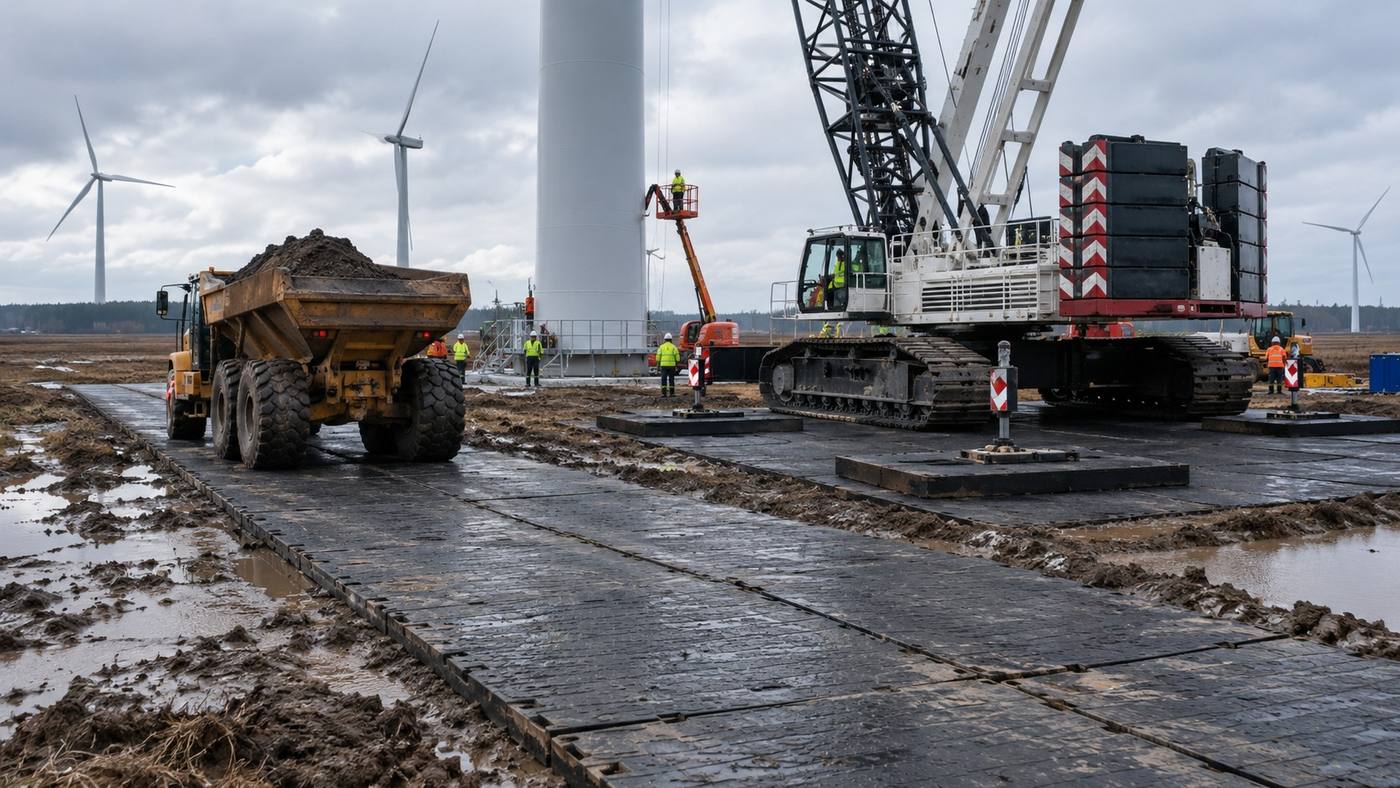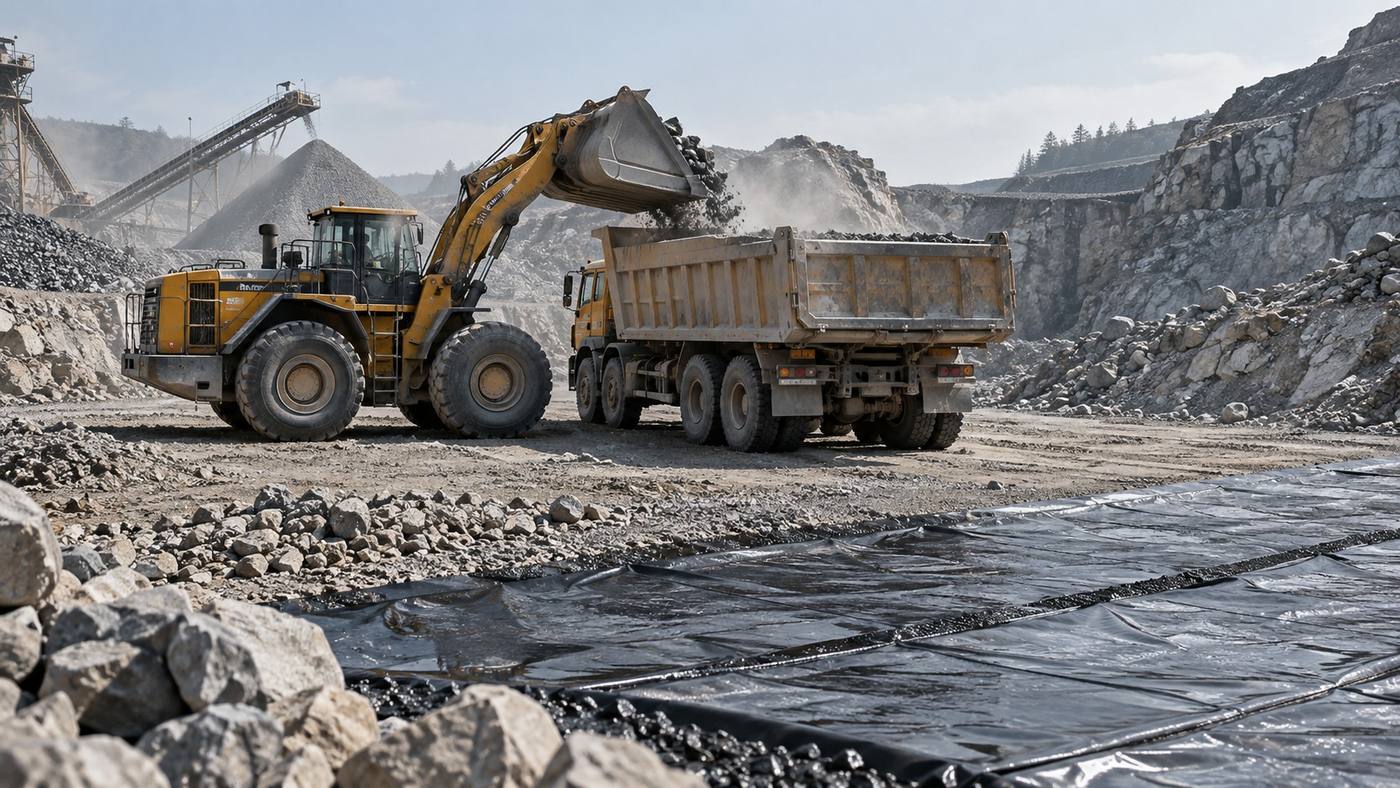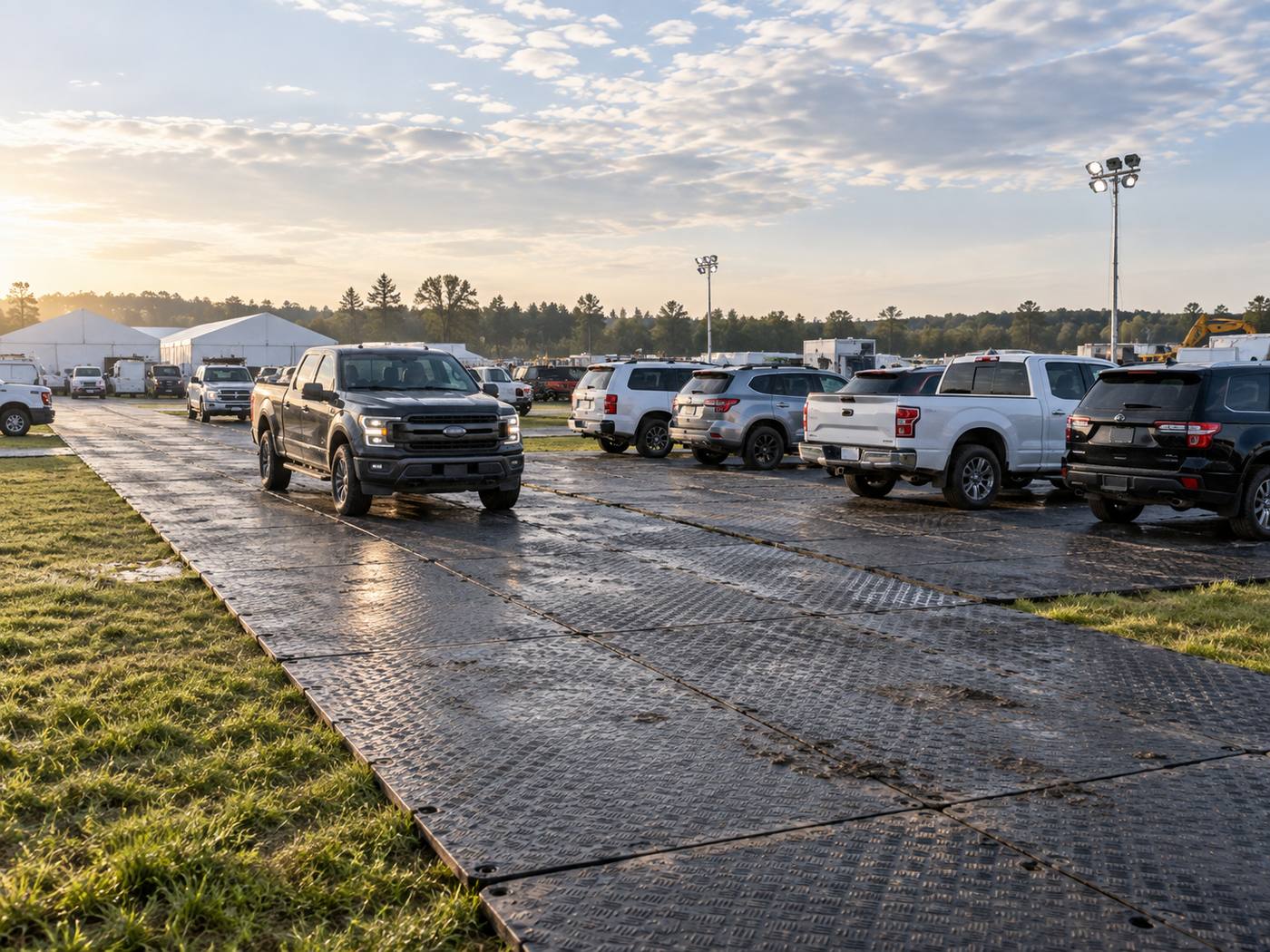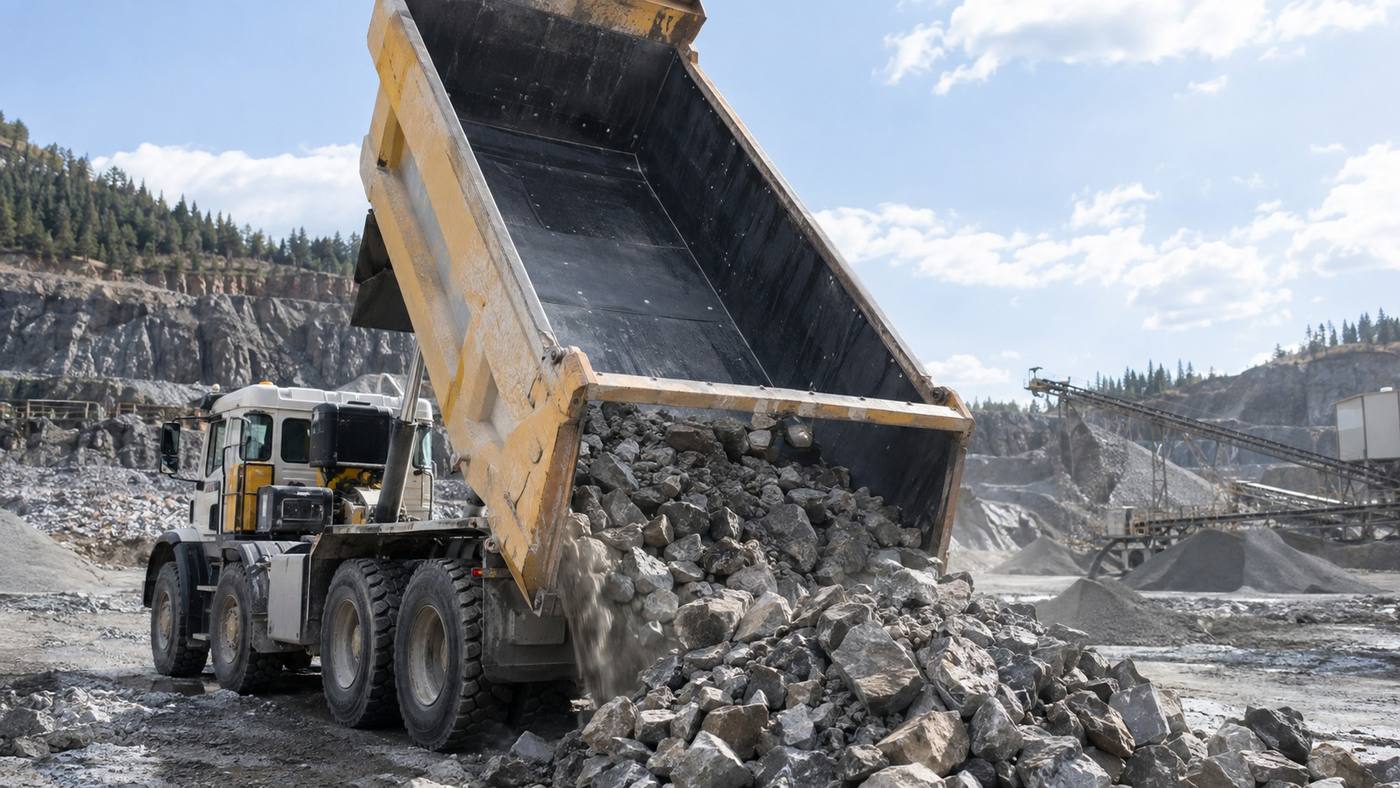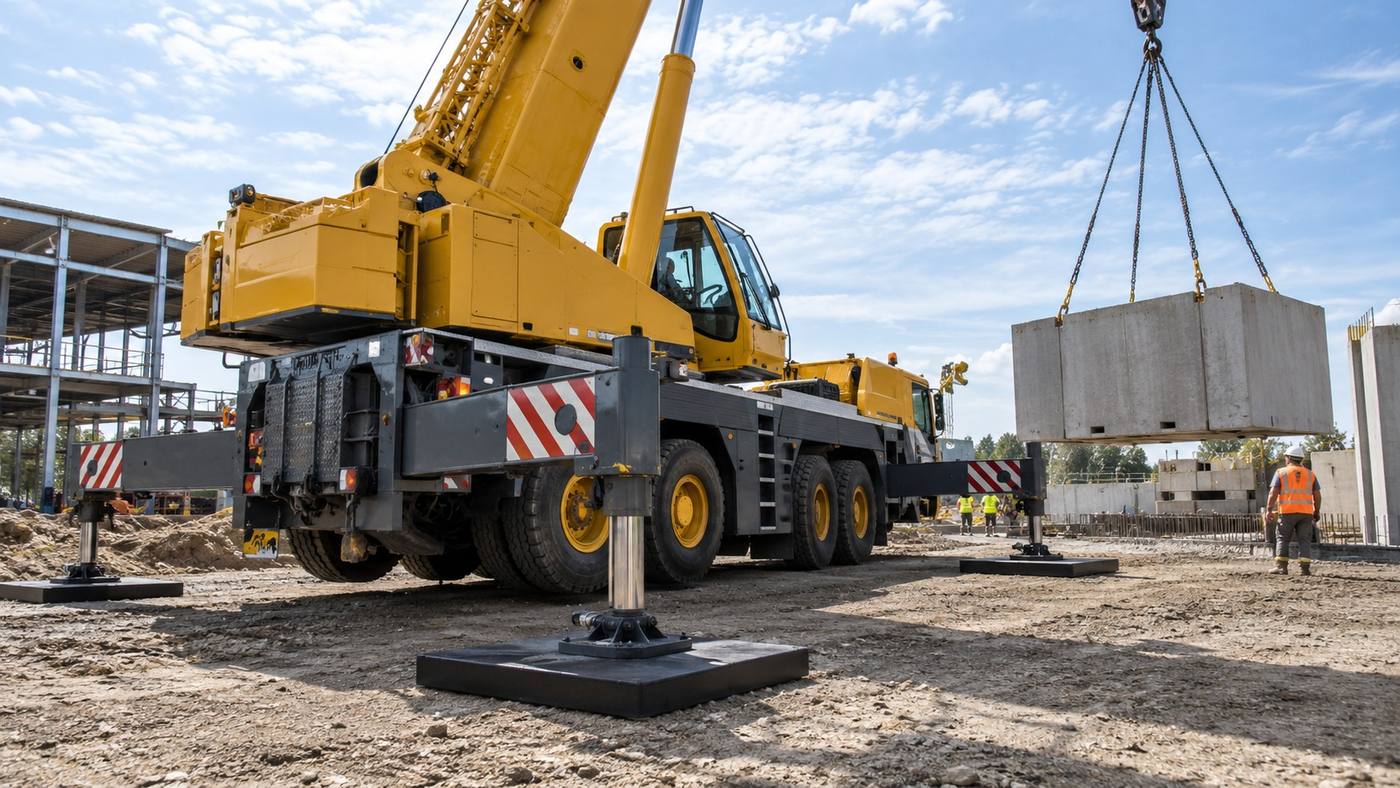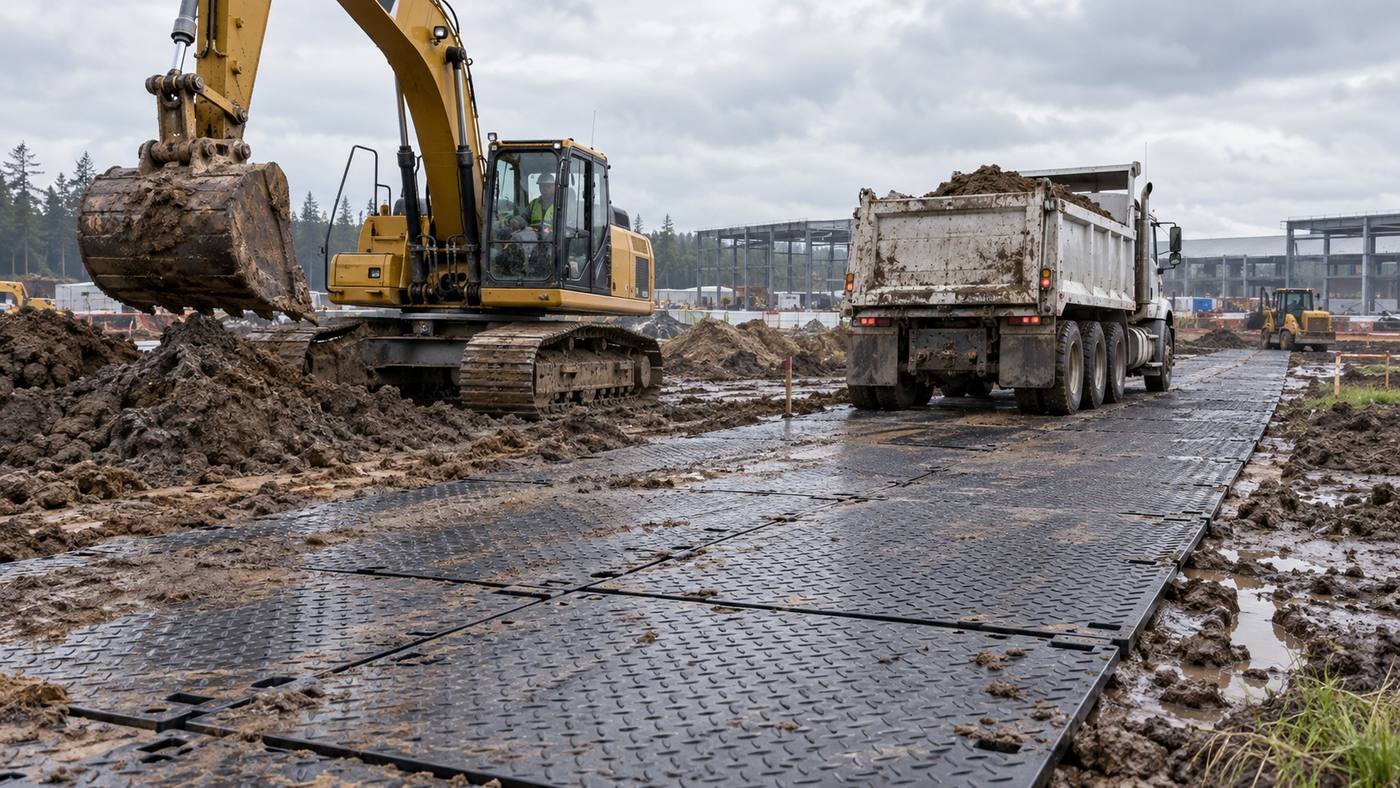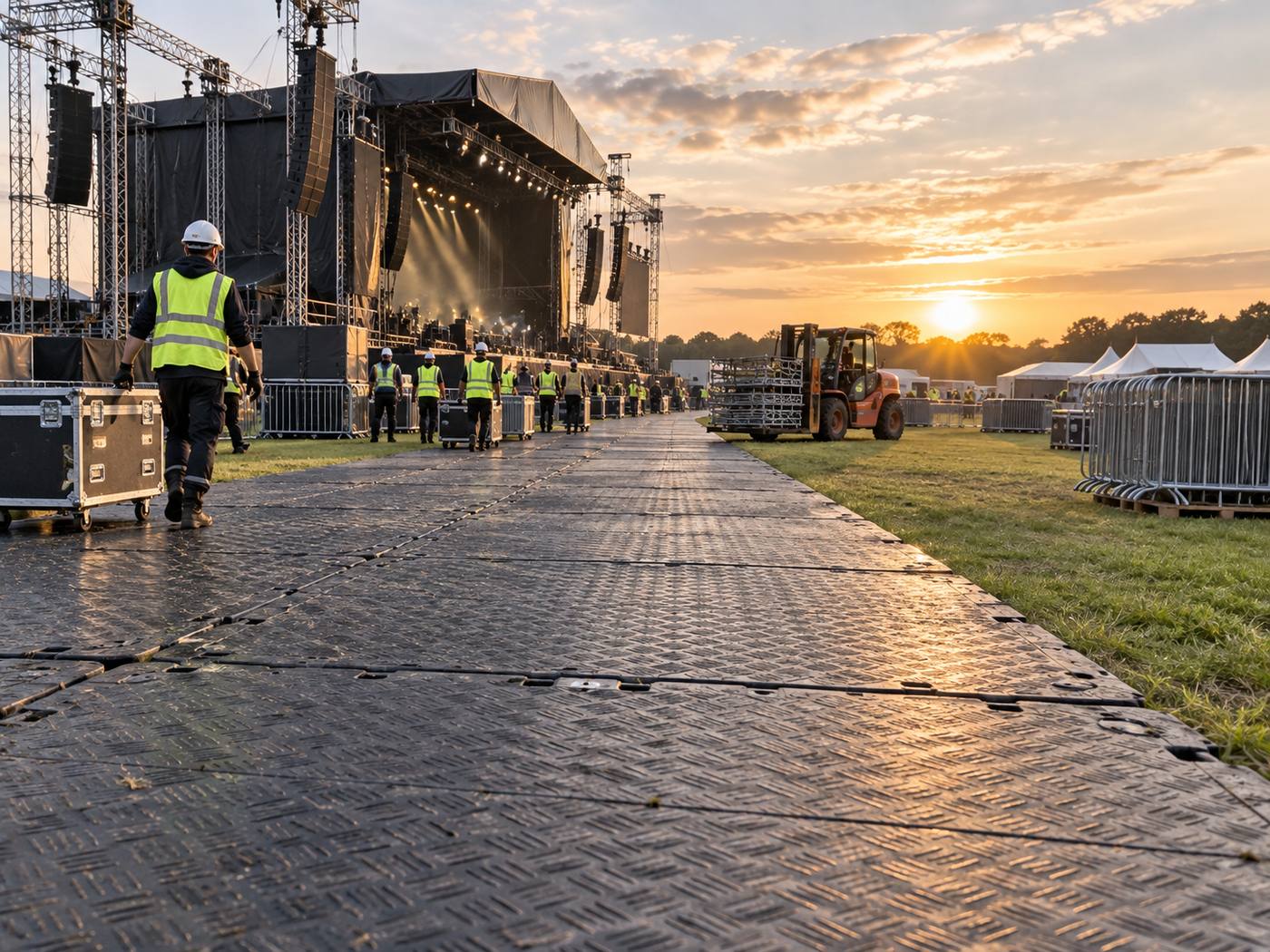
An answer to the construction of a temporary parking area in the rain of a stone field would be better observed from a full operating cycle than from static photographs. In the case of rain-rain sites, where vehicles are co-located with transport vehicles, loading, driving, turning, stopping or lifting can change the stress, and static sinking results in vehicles not being released in a timely manner, often only in a particular operation. To match the movement to the anomaly, we can find effective improvements.
Prior to the design of the programme, it is recommended that the equipment be collected in terms of exterior, routing, local pressure, mode of diversion, debris particles and frequency of operations. When communicating with suppliers, photographs, size charts and the most unfavourable work conditions should be provided, rather than giving only one “mass tonnage”. More appropriate control actions for this topic are the separation of heavy and light vehicle areas and the installation of drainage slopes and modular layers. The material number, the size of the finished product, the thickness difference, the surface texture, the connection or fixation, the working temperature, and the test conditions for the data are also to be confirmed when the pavement board is involved. The usual specifications of 15, 20, 25 or 30 mm can only serve as the starting point for the request for quotations and cannot directly substitute for the engineering judgement.
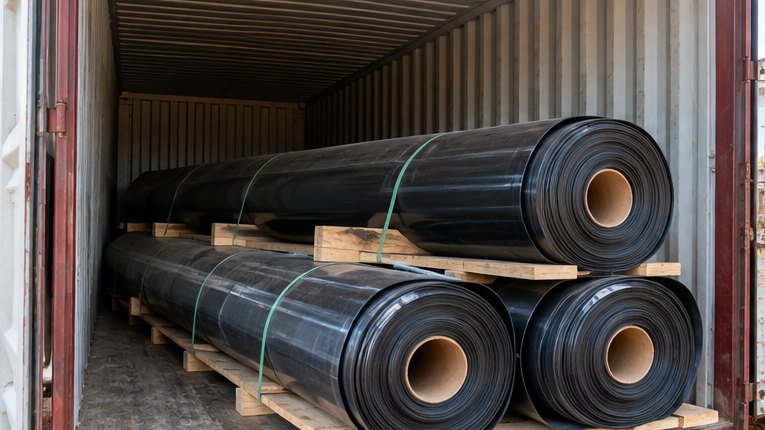
Figure: Rainground sites mixed with maintenance and transport vehicles
Prior to implementation, a pre-operational meeting may be arranged to clarify who confirms the basis, who inspects the receiving and inspection pavements and who has the right to cease operations. Separate passage routes from loading and unloading, fragmentation and personnel areas. The site is positioned according to numbering and drawings, and every section completed checks size, edge, connection or rigidity, without leaving all questions to the end. The rhythms should be lowered during the trial period to observe the re-emergence of vehicles as a result of the static sinking.
Maintenance plans should be organized around sharp stones, stone powder, connectors and reverse areas: each shift at a high-risk point is confirmed, regular spot checks are carried out in the ordinary sector, and additional special inspections are carried out in the event of heavy rains, explosions, overloads or equipment anomalies. When a static sinking was found to prevent the timely arrival of vehicles, the current vehicle and the weather were recorded to avoid the loss of root cause by replacing only surface parts. Scavengers, porters and stacks should be prevented.
If the project is ready to expand its application, it is recommended that it be preceded by a common review of operations, maintenance, security and procurement. Operators confirm the ease of use, maintenance staff confirm the feasibility of inspection and replacement, security personnel check the conditions for decommissioning, and procurement staff deliver spare parts in comparison with spare parts. Multiple views can test whether the separation of heavy and light vehicle areas and the installation of drainage slopes and modular layers are truly implementable outside paper.
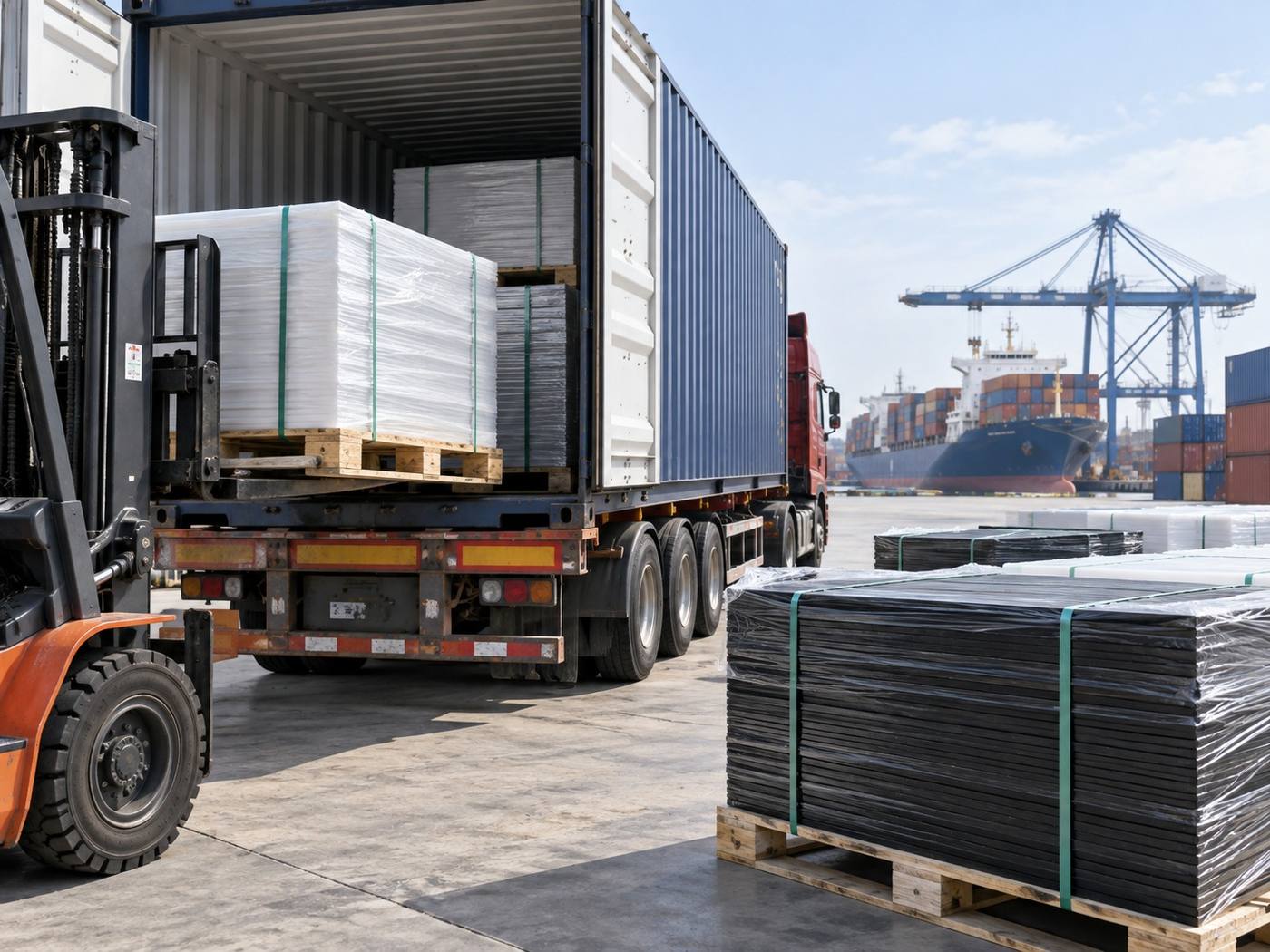
Finally, this paper provides a selection and management approach, with no alternatives to equipment specifications, special programmes, geological evaluations and local regulations. Work involving lifting support, ramps, ditches, vehicle lifts or personnel entering the carriage shall be reviewed and quarantine, locking and emergency procedures carried out by suitably qualified personnel. The above data may be submitted at the request for quotations to obtain recommendations on size, thickness, quantity and shipment.
Need for further evaluation of the actual project?
Applications, sizes, quantities, site photographs or drawings and delivery destinations are sent, on which we can identify more suitable products and processing programmes.