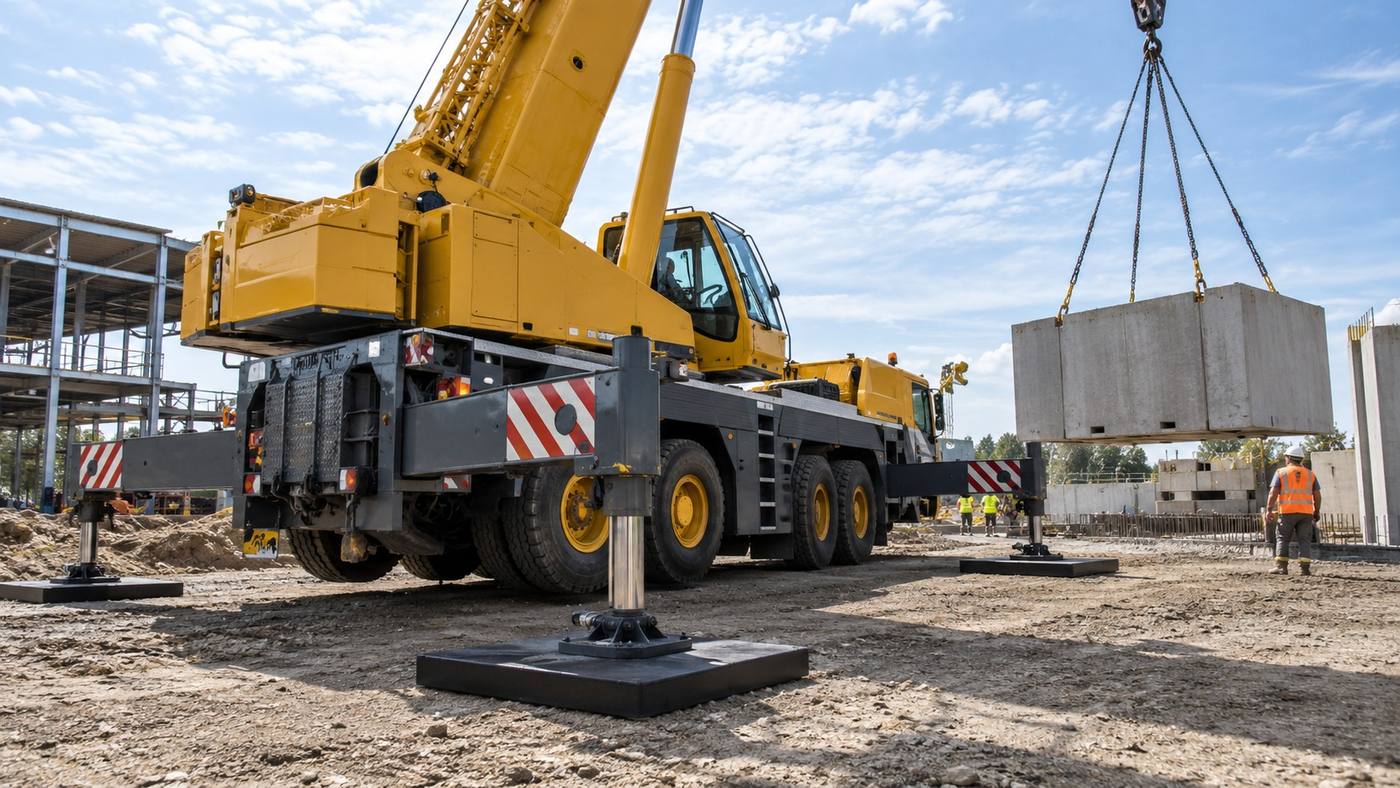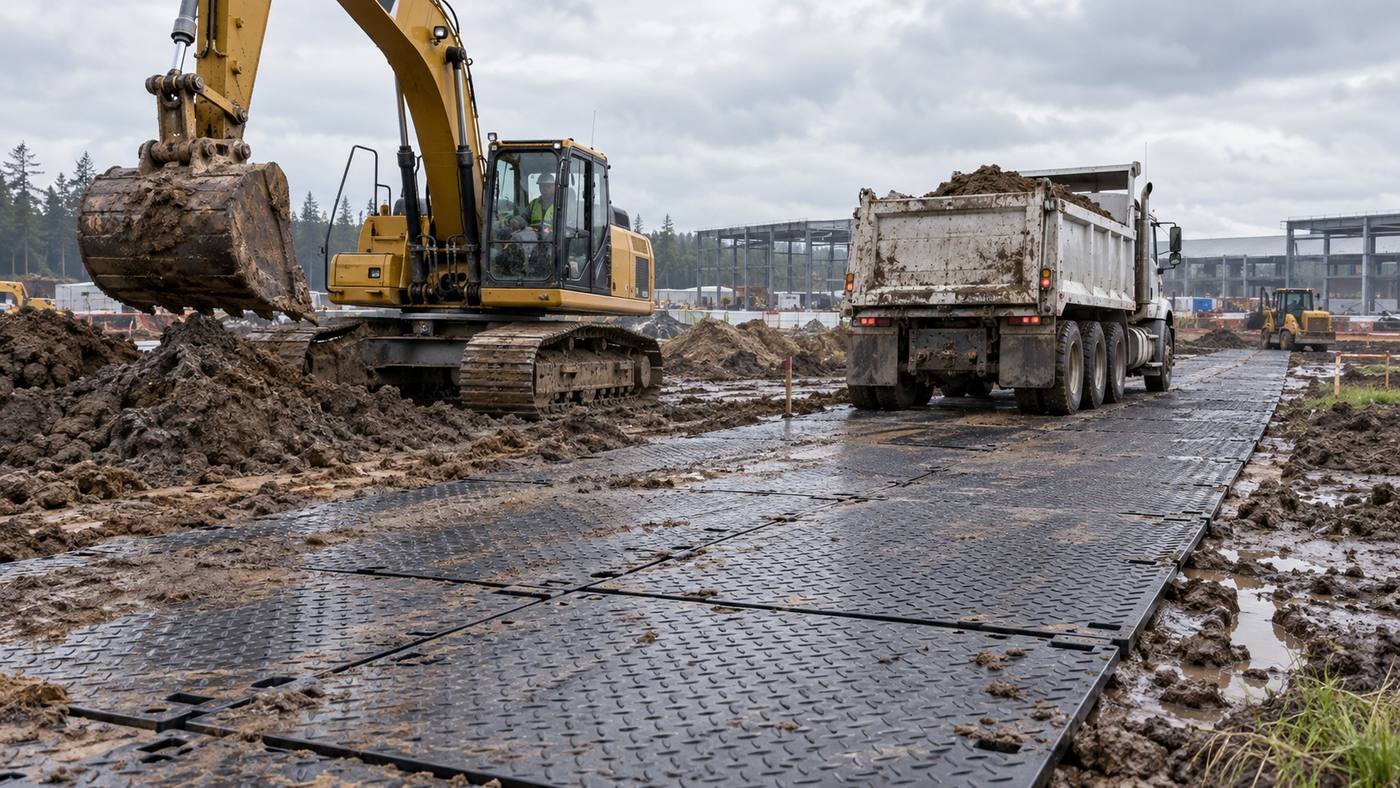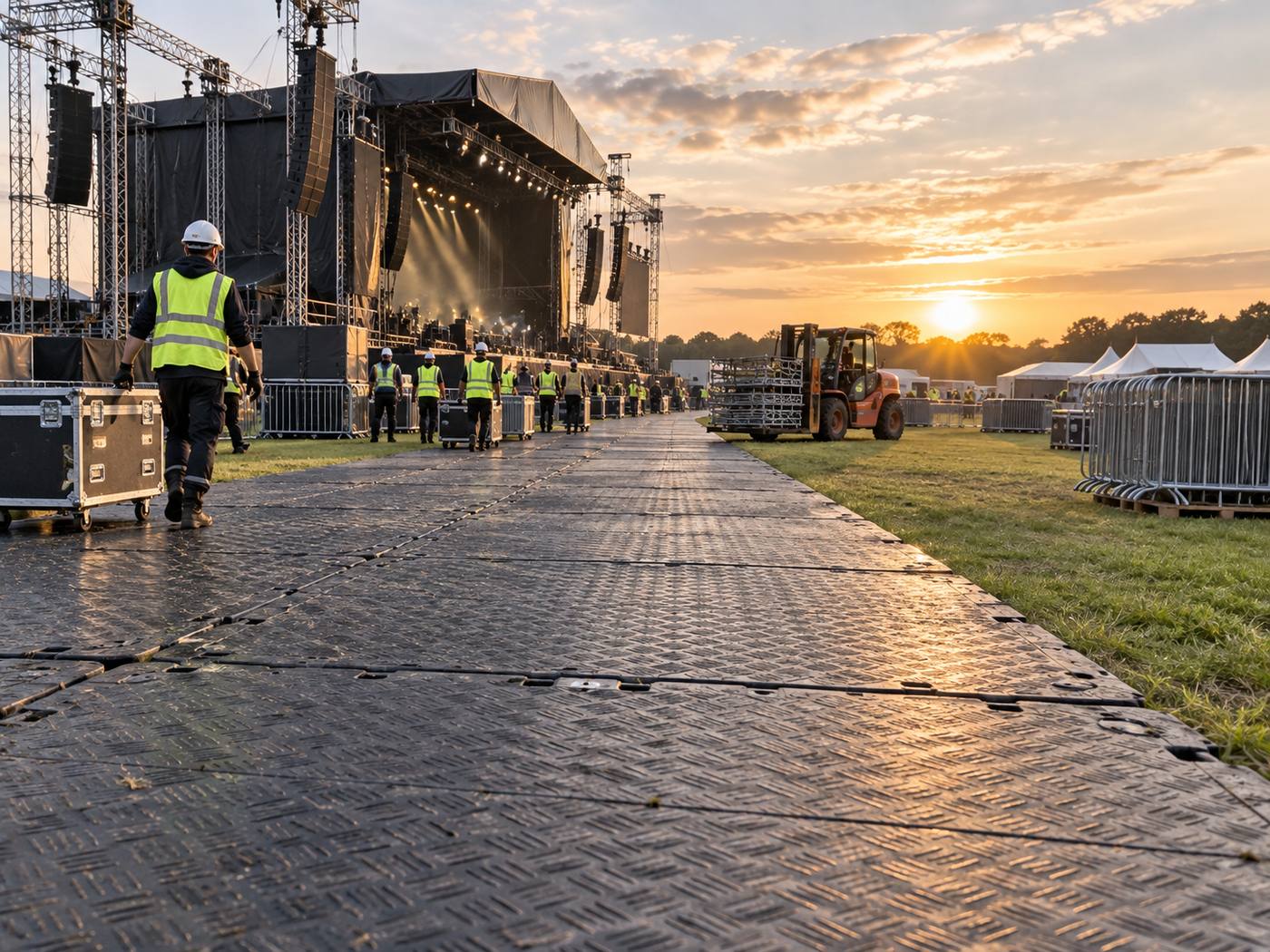
The stage equipment loading and unloading area needs to be expanded to see whether it is accessible on the day of the event. Trucks, tailboards, forklifts and personnel usually operate in the same area at multiple stages of entry, build, open, resupply and evacuation sites, with continuous changes in ground water content and traffic. The first to be controlled is the shift of tyres beyond narrow lanes with foot points, otherwise temporary roads, if paved, may again fail because of route, grass-roots or operational problems.
The key to this topic is not to choose the thickest, but to establish a match. Identification and control of the condition on the basis of the total weight of the equipment, maximum retroactivity of the leg, the suspension condition, the endurance of the ground, the underground facility and the weather window, and the preparation of the pavements and legs by covering the full work package and leaving a safe distance to the side of the road to the people ' s corridor. If products need to be moved more frequently, manual weights, posts, stacking and cleaning should also be added to the total cost.
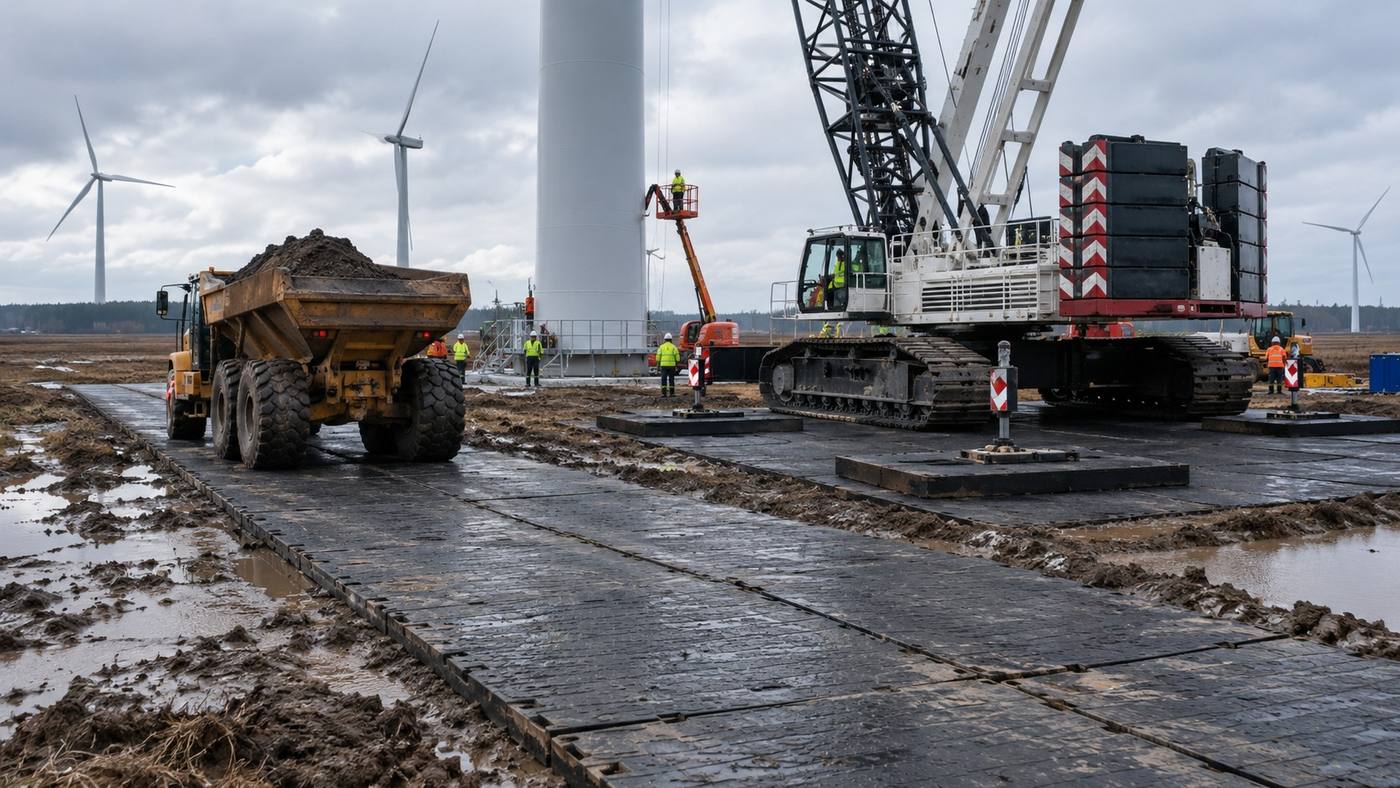
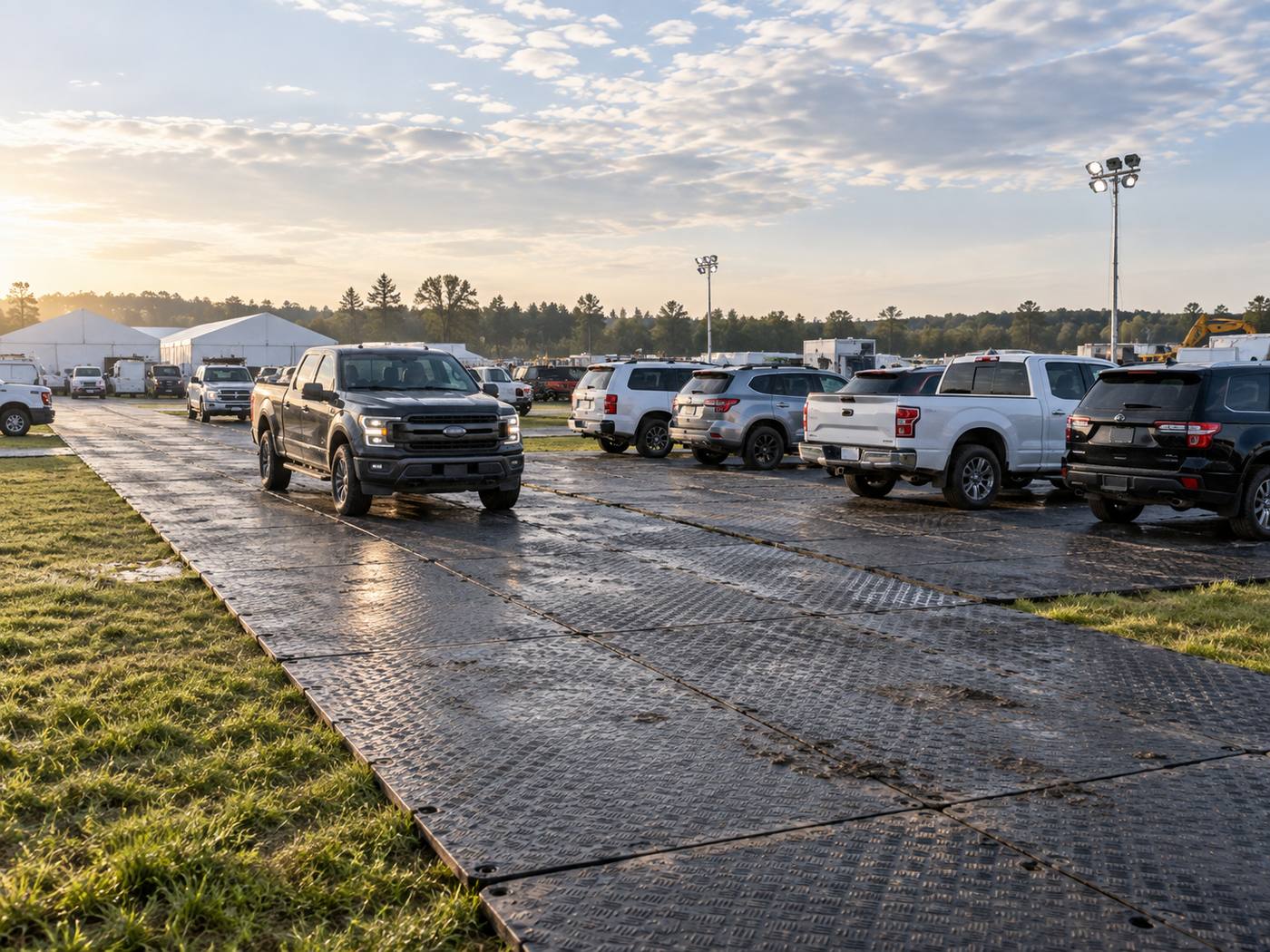
Figure: Trucks, tailboards, forklifts and personnel operating in the same area (contribution material)
A small, representative-routing of the road, covering the softest floor and the most heavy vehicles, could be selected prior to formal entry. The pavements are for passage and the mats for extension of the feeder, which cannot be replaced by one another. A test observation of seams, grass-roots, tyre tracks and operating space will then determine whether to expand width, increase drainage or reorient traffic.
Changes in sedimentation, horizontality, total exposure, edge distance and state of connection are to be reported when shifts are to be made, rather than a description of the appearance. The sutures, shoulders or sub-points repaired in the previous class must be reviewed in the next class. In the event that the turn of the tyre to a foot point beyond the narrow track increases traffic, the speed limit, re-routing or suspension of operations should be immediately limited.
A distinction is to be drawn between product problems and changes in the condition of work. If vehicles are heavier, routed, rainfall increases or cover periods are extended, the original option may no longer be appropriate. The change is recorded in conjunction with the implementation of the complete work package and the provision of a safe distance to the adjoining passage of persons in order to determine the thickness, quantity or organization of the next adjustment.
This section could serve as a list of activities, but not as a separate construction permit. Projects should form a written programme that combines temporary structures, transport, fire protection, site protection and a weather emergency system, with authorized personnel reviewing key carrying and stabilization conditions.
Need for further evaluation of the actual project?
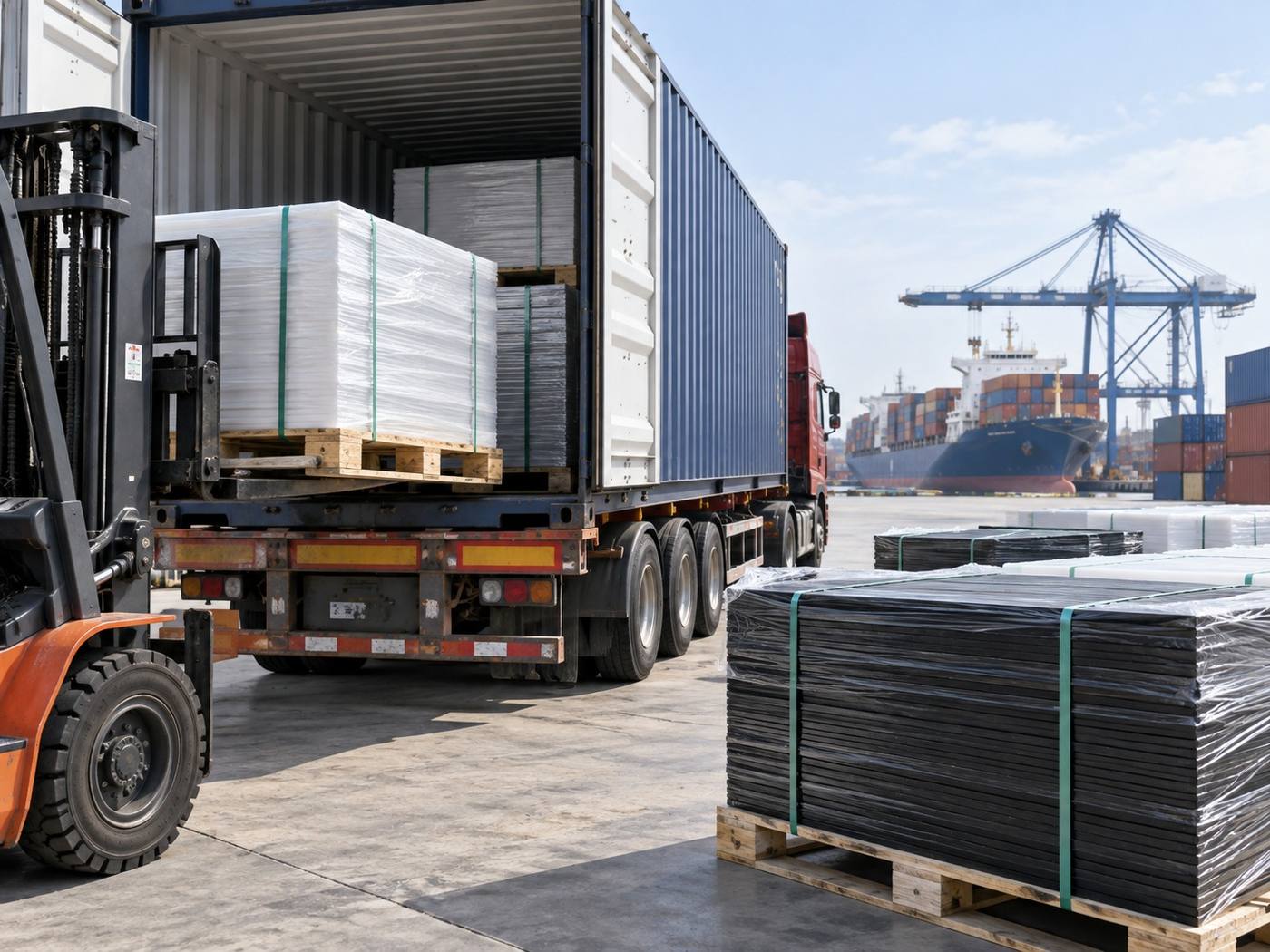
Applications, sizes, quantities, site photographs or drawings and delivery destinations are sent, on which we can identify more suitable products and processing programmes.