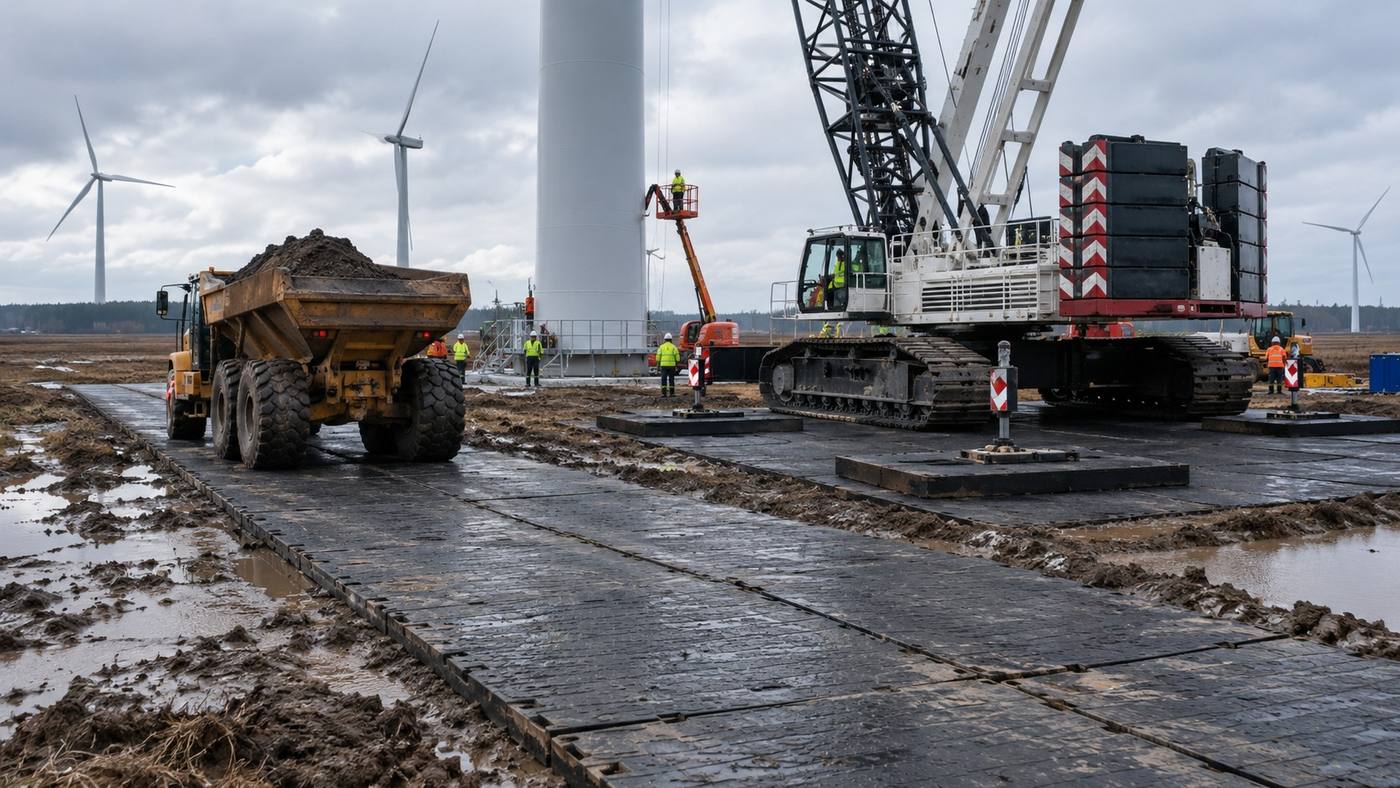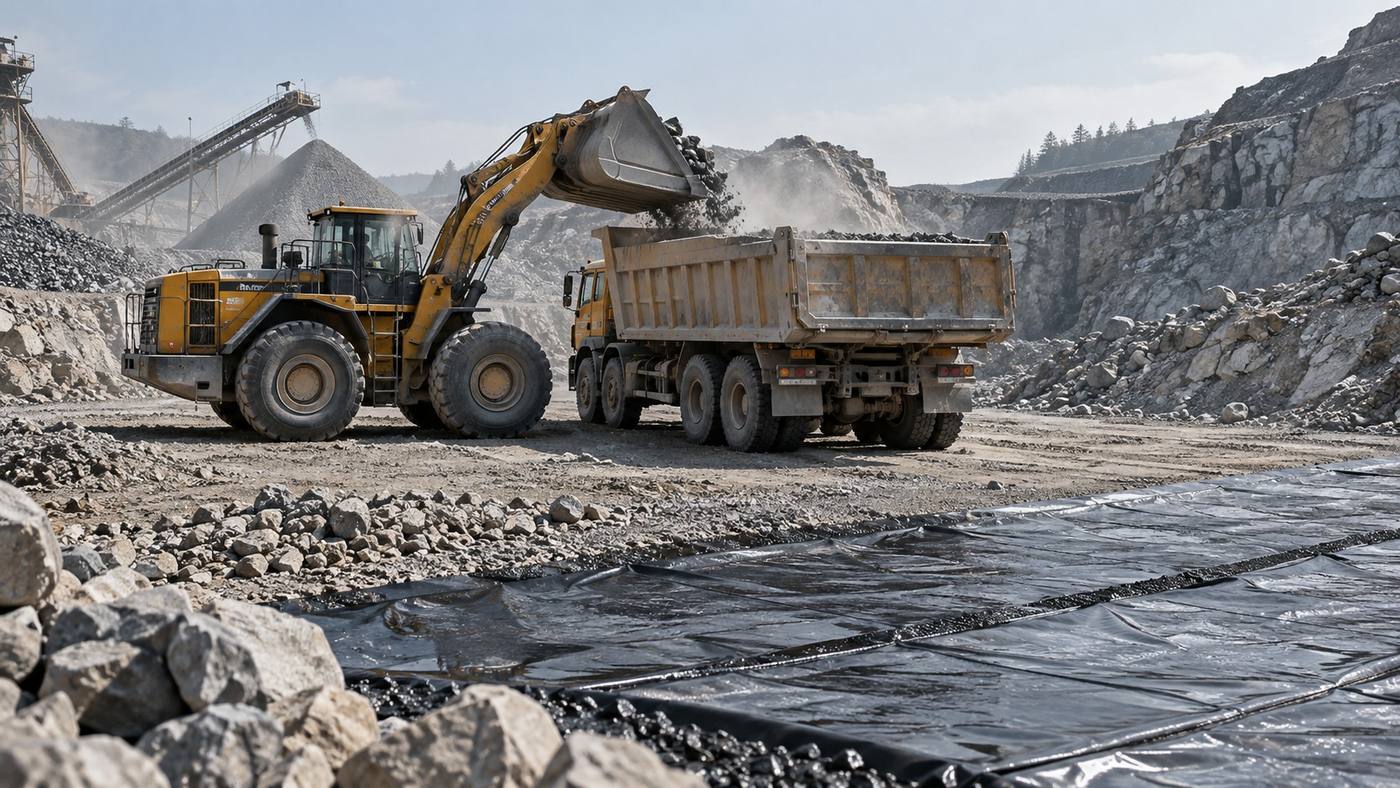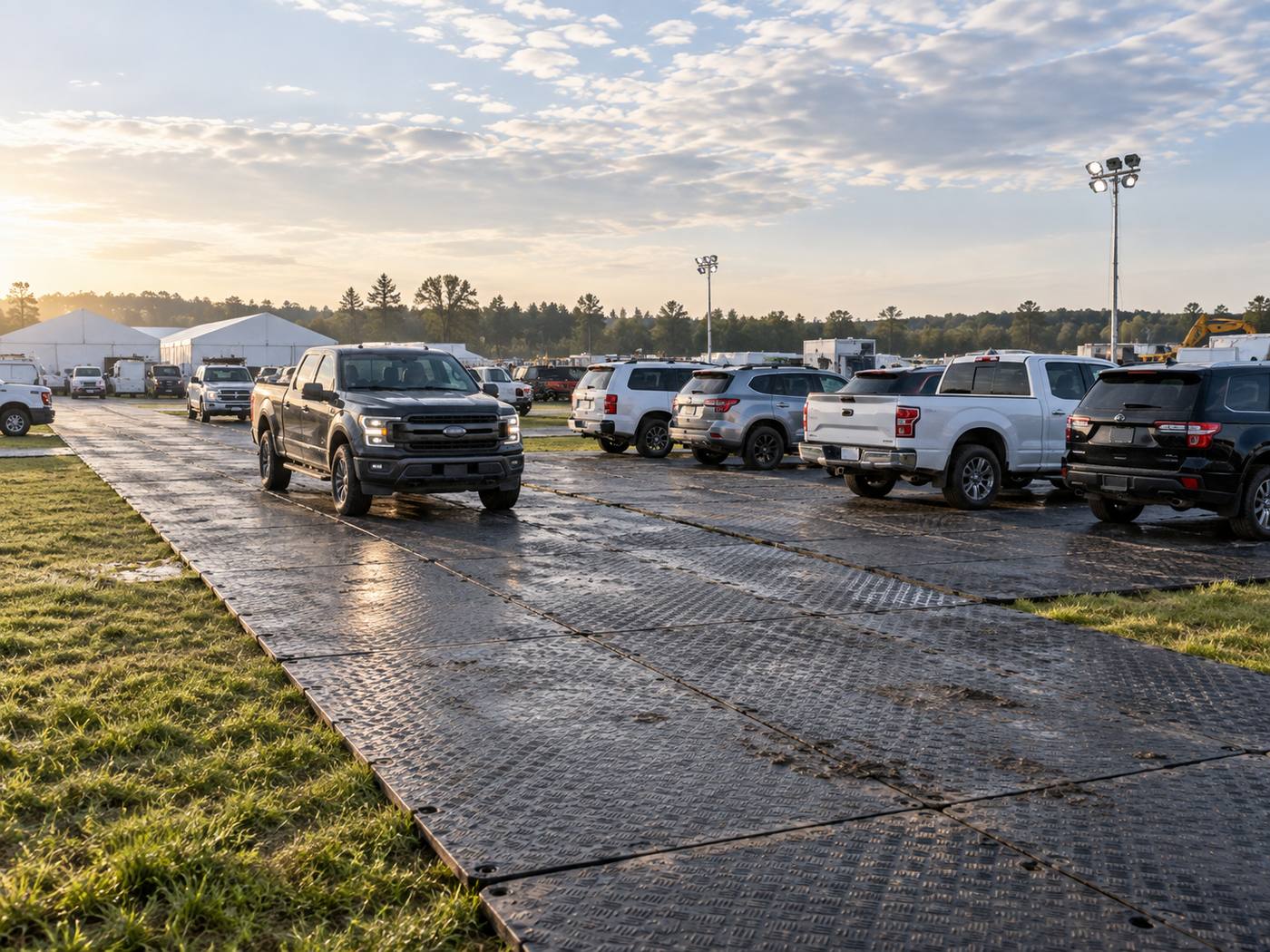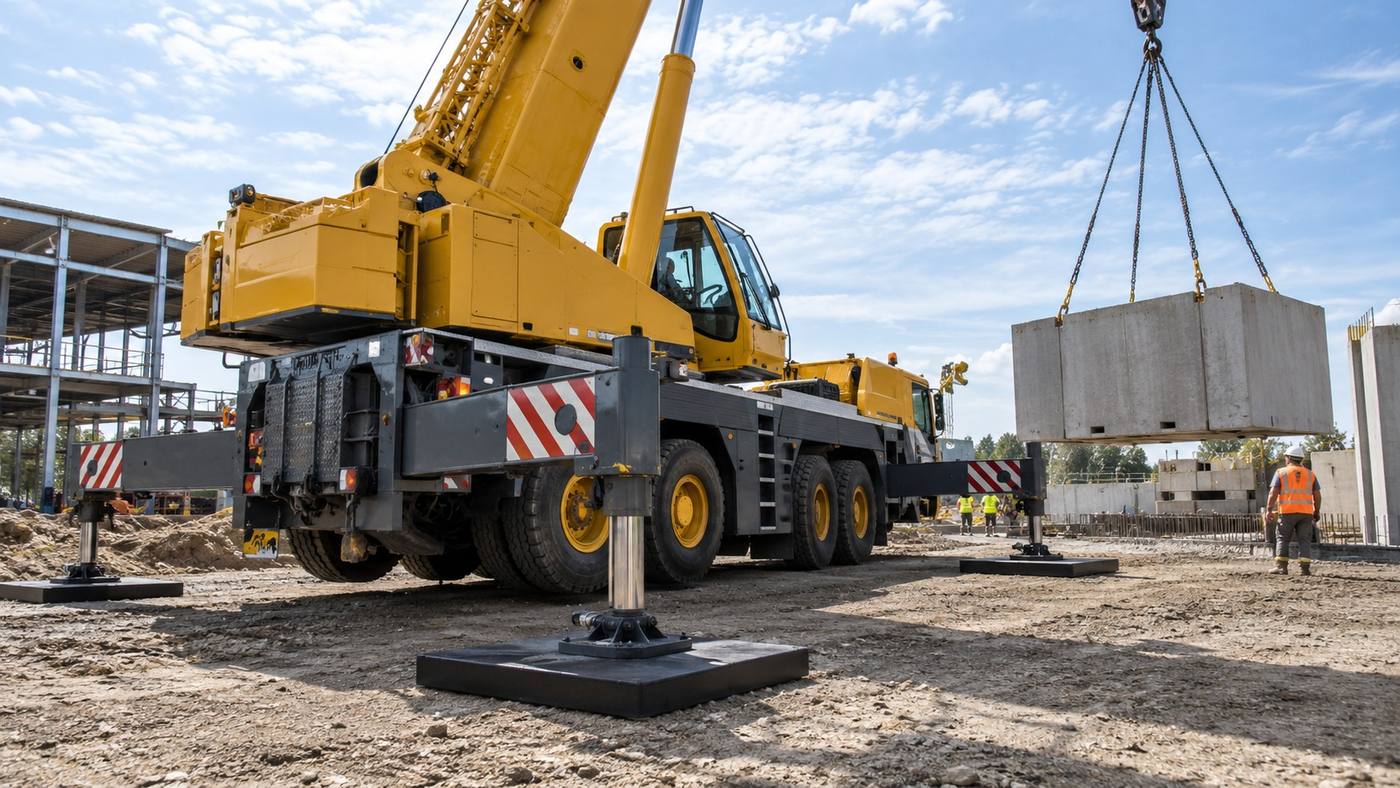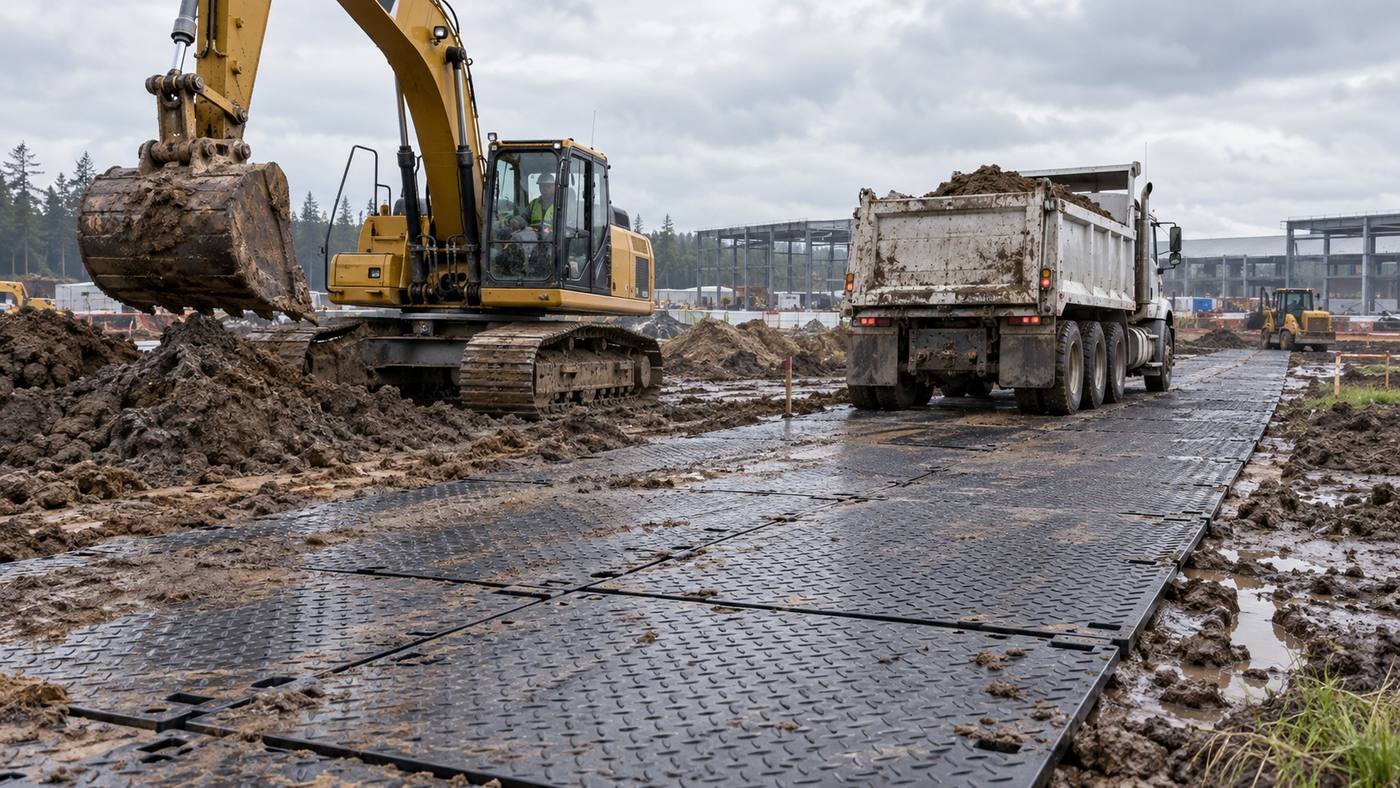
The continuous flow of mud through the slab appears to require only one road, which is actually related to drainage, vehicle movement, site protection and evacuation plans. Before responding to the reasons for the repeated mudslides under the pavement, it is necessary to locate and photograph the ground-level holes as a result of the displacement of the slabs and fine materials and to confirm the frequency of occurrence, the impact on the target and the permitted recovery time.
Technical communication should first identify which of the most unfavourable conditions of rainfall, drainage direction, soil water content, soft point depth, vehicle load and recovery time frame. The coverage, specification and back-up levels of the pavement are determined around increased horizontal drainage and partial liftings, rather than just cleaning of surfaces. The label carries the same product and cannot be compared directly horizontally if the test basis is different.
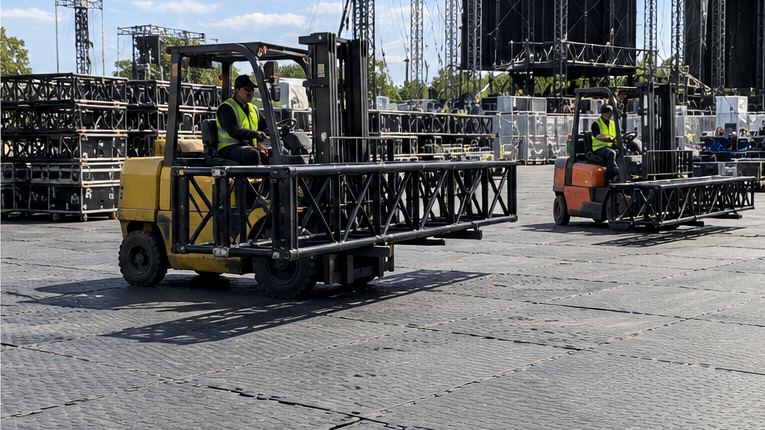
Figure: Continual emergence of mud through the suture of vehicles
The construction organization is as important as the product specifications. Operators shall use means of transport suitable for a single mass, and the vehicle shall be directed by a commander and shall not be braked, wheeled or pressed. The pavement is a temporary layer and cannot be a substitute for drainage and substandard grass-roots treatment. Prior to the opening of public areas, access transitions, trip risks and fence segregation are also checked.
The inspection cycle should be shortened at the beginning of the operation and the product should be stabilized and adjusted for risk. The focus is on water accumulation, pumping mud, sank, edges, connectors and road shoulders, and on the driver ' s compliance with speed limits and shift requirements. Loose connectors, deep mouths, abnormal arctic arctics, or strip shifts should be immediately photographed and closed.
The full life cycle costs include procurement or lease, transportation, laying, inspection, cleaning, maintenance, warehousing and site restoration. When data are created around the ground-level holes due to the migration of the slabs and fine materials, the project will determine whether the combined costs are actually reduced by increasing the horizontal drainage and local liftings.
The security floor must not be reduced by the tight opening or evacuation time. In the event of a emptiness at the grass-roots level as a result of the unbundling of the slabs and the finer, the decision is made to isolate and identify the cause before repairing or rerouting. Any improvement must avoid introducing new risks of slide, trip, overload or human conflict.
Need for further evaluation of the actual project?
Applications, sizes, quantities, site photographs or drawings and delivery destinations are sent, on which we can identify more suitable products and processing programmes.