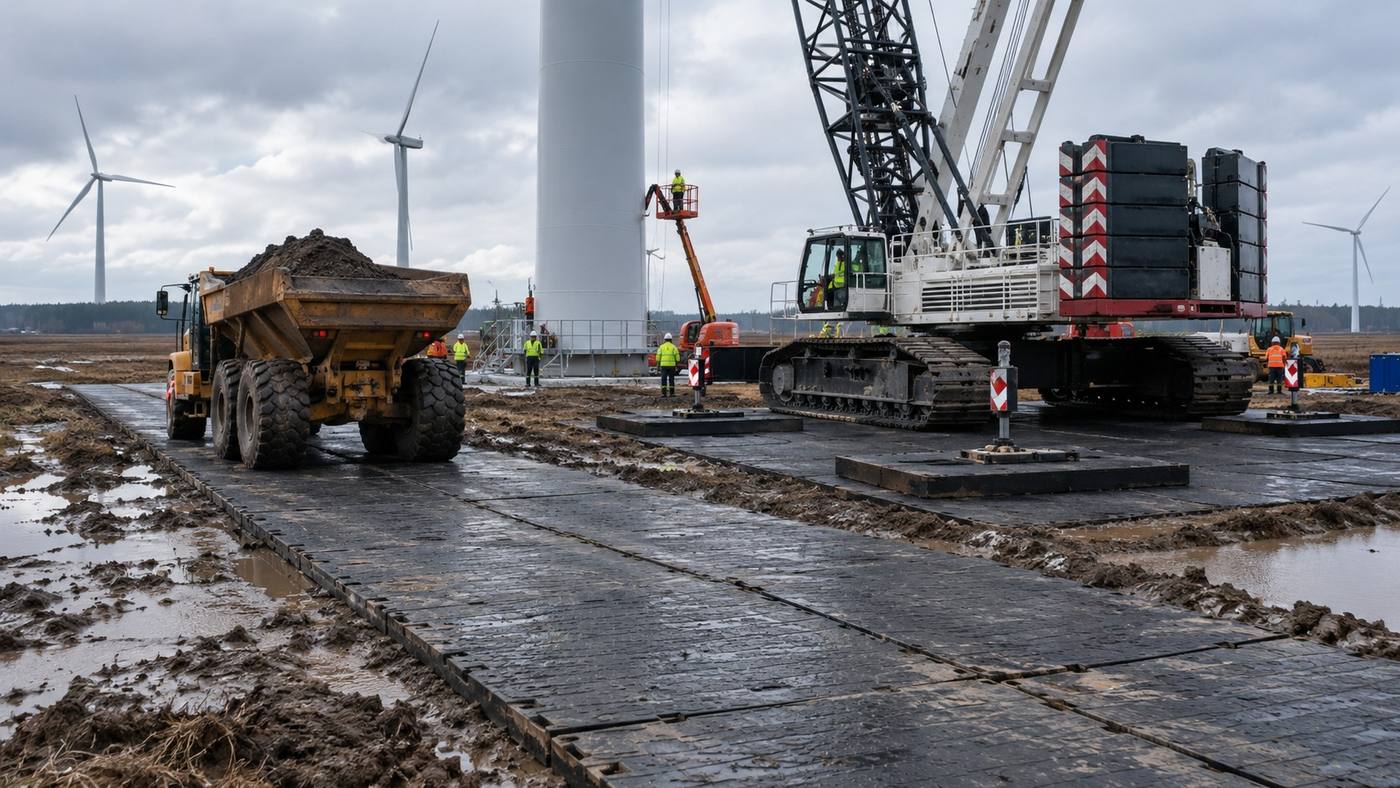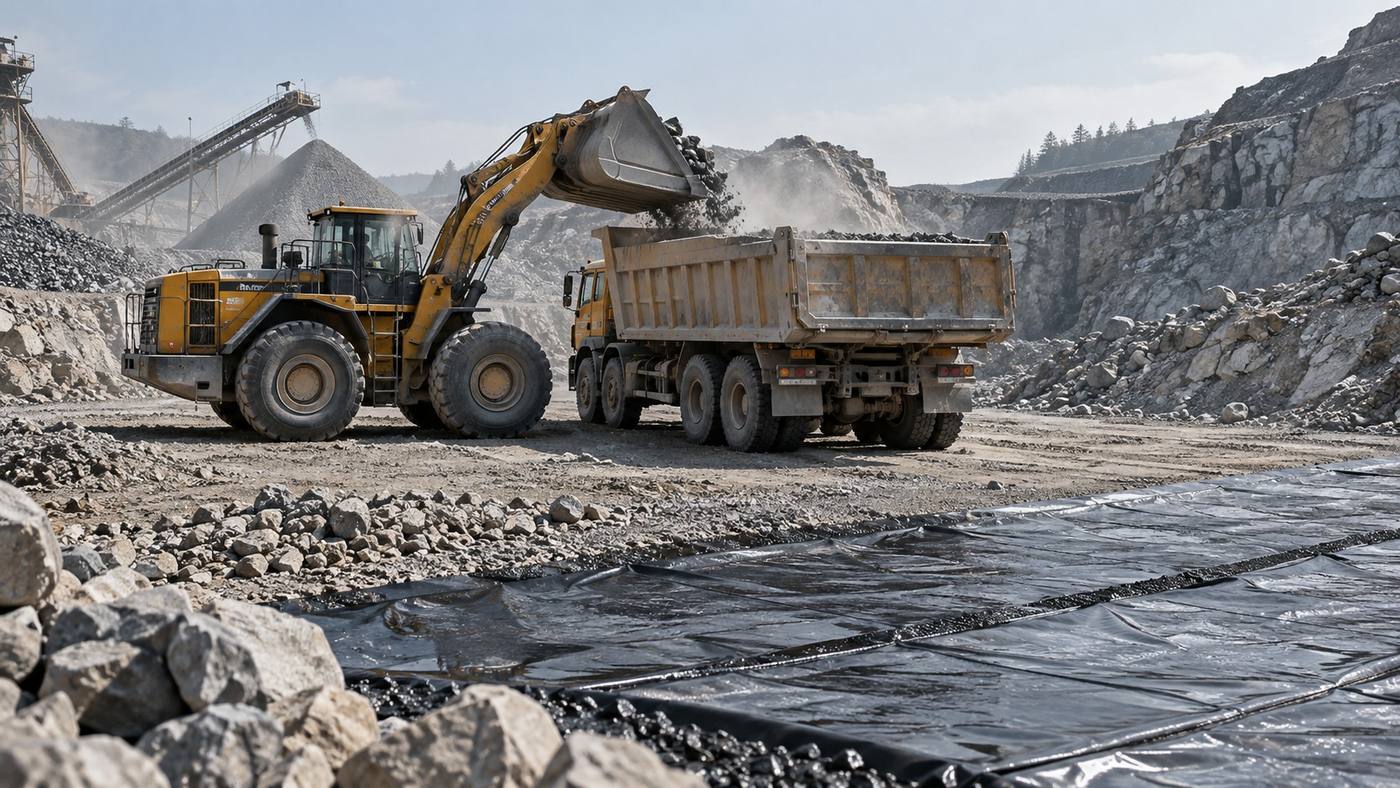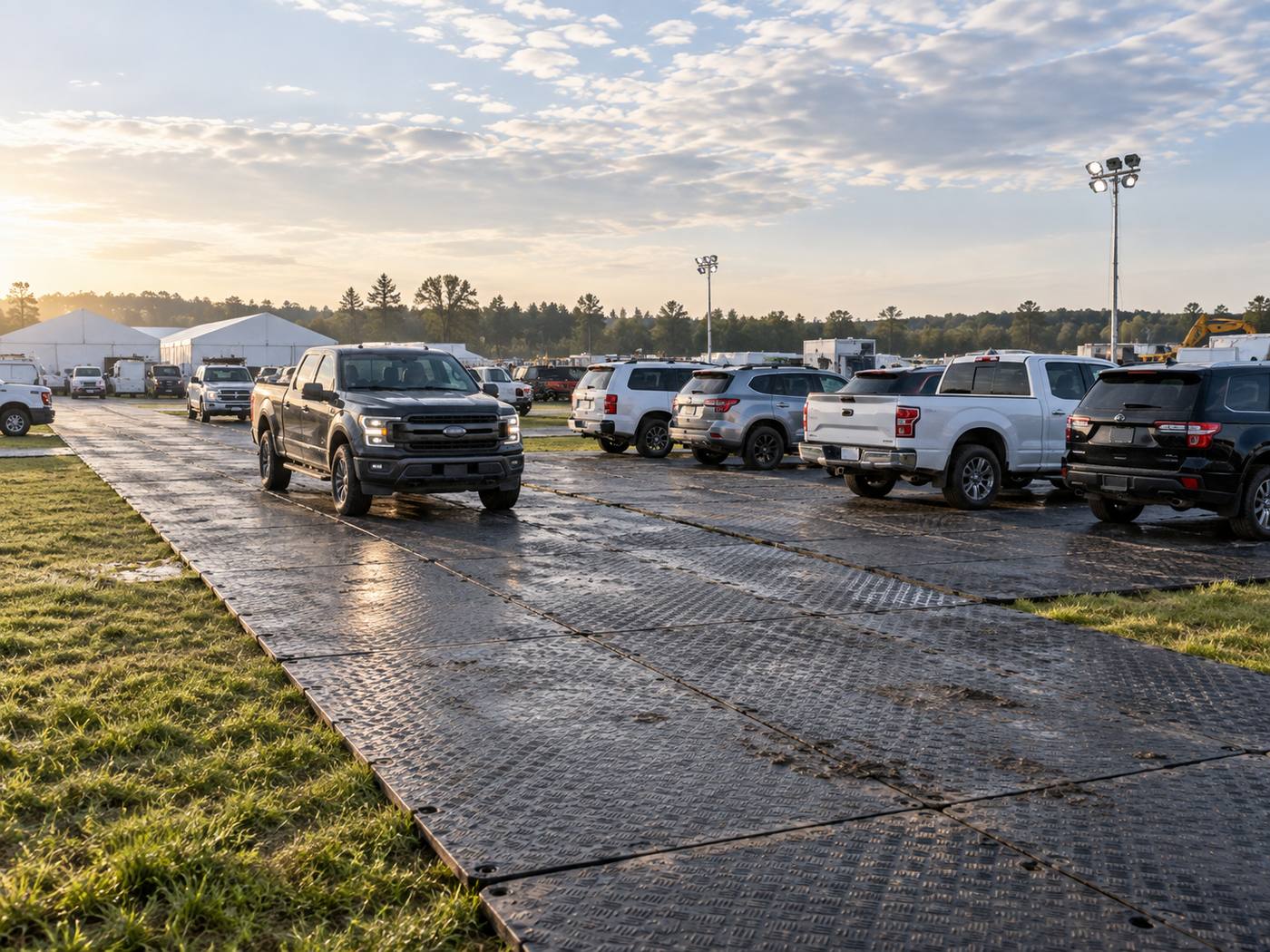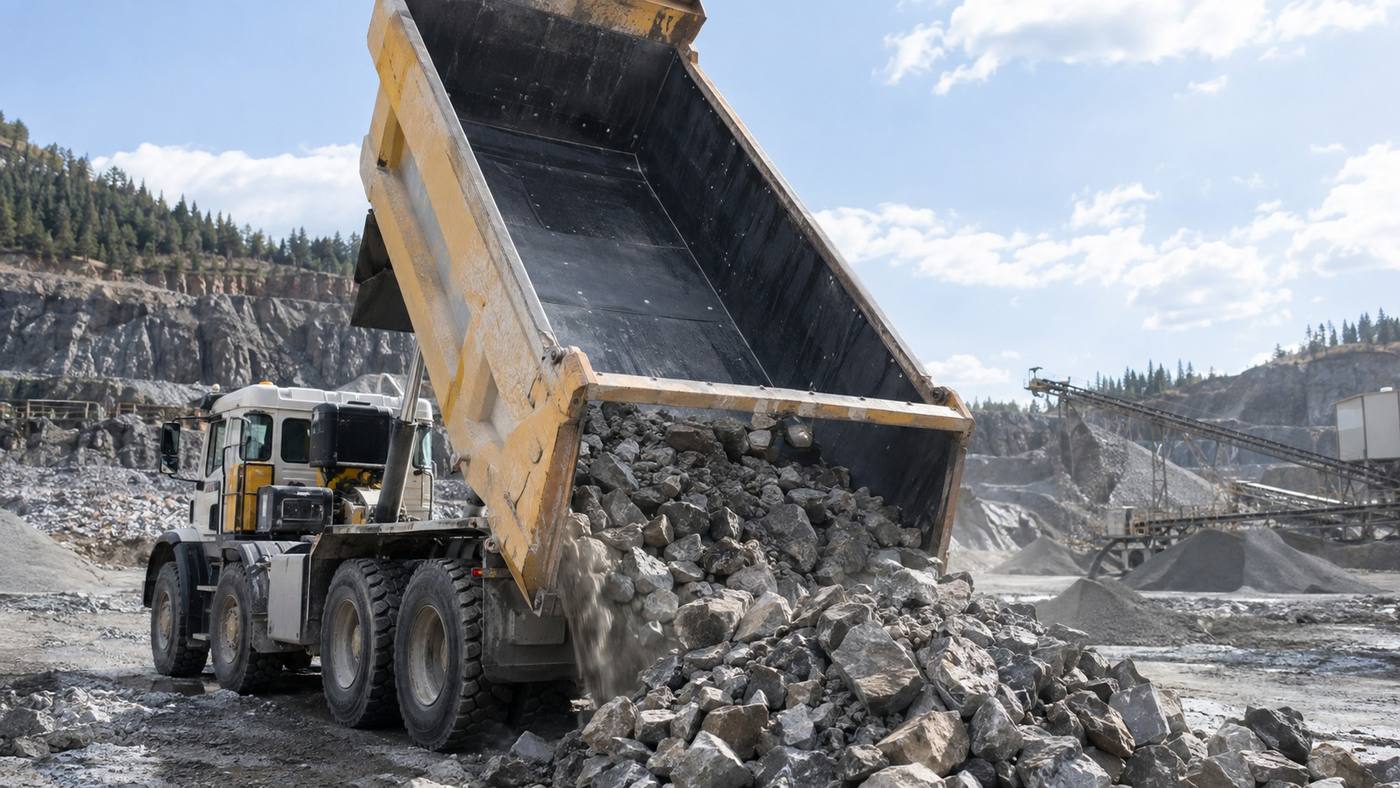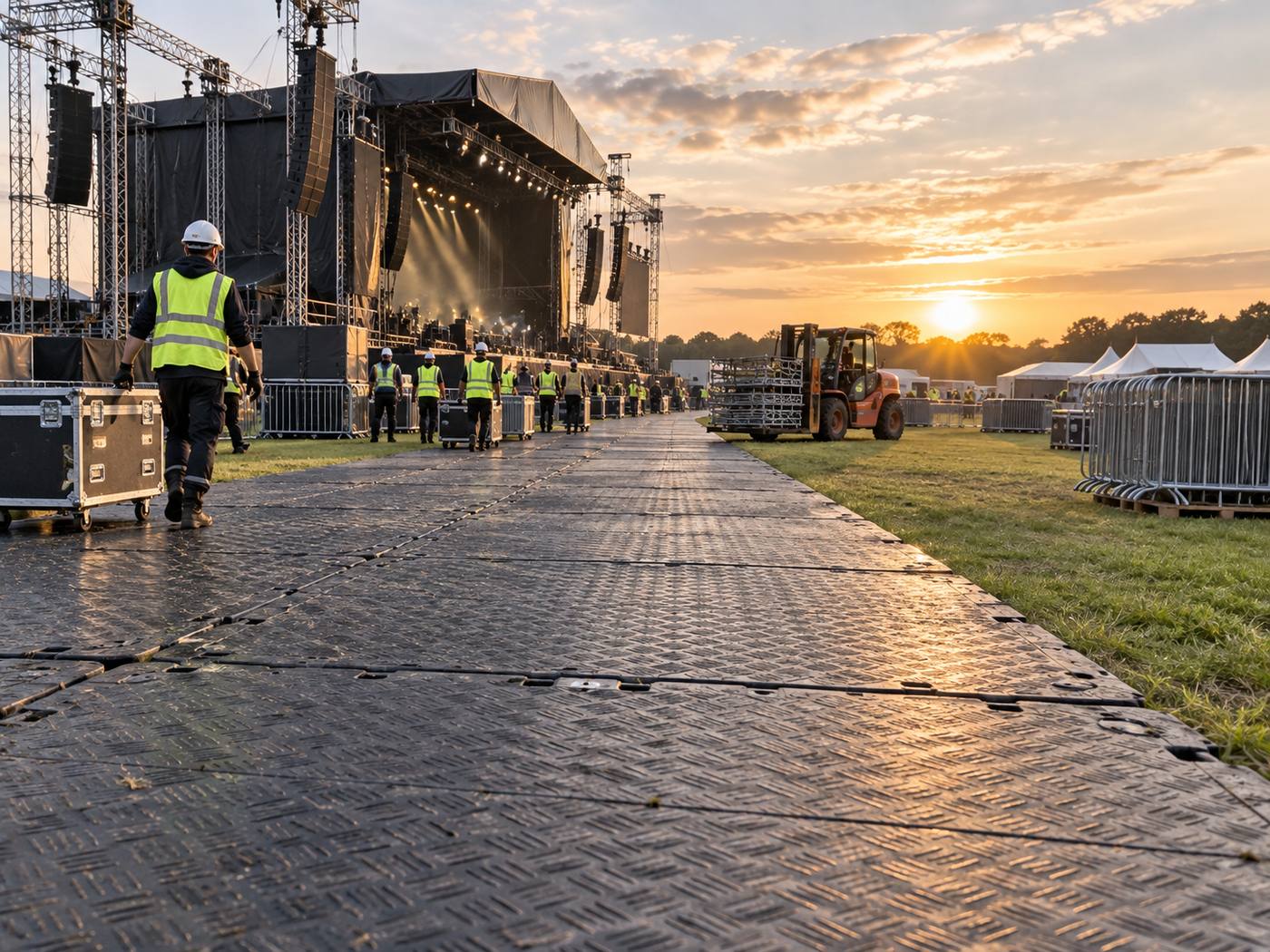
The phasing out of stage, catering and security vehicles appears to require only one road and is actually related to drainage, vehicle movement, site protection and evacuation plans. Before the pavement should begin to be dismantled at the end of the response activity, the site should be located and photographed from the wrong location, which would cut off the export of the remaining equipment and confirm the frequency of occurrence, the impact on the object and the permitted recovery time.
The key to this topic is not to choose the thickest, but to establish a match. Controls based on remaining vehicles, areas to be dismantled, cleaning conditions, order of loading, site acceptance and stocking status, and reverse retrieving from the secondary road to the main road by retrieving the configuration in the order of traffic closure and vehicle withdrawal. If products need to be moved more frequently, manual weights, posts, stacking and cleaning should also be added to the total cost.
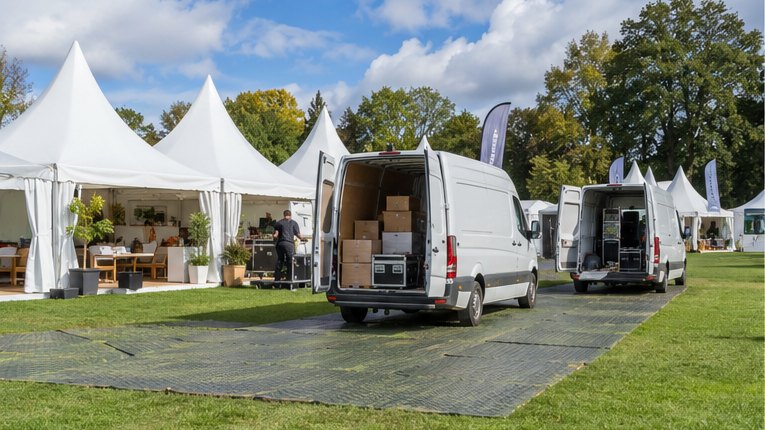
Figure: Phased evacuation of stage, catering and security vehicles
In the event of a shortage of space on the ground, work cannot be done by reducing the necessary coverage or moving the equipment feeder to the road shoulder. Stations and set-up of vehicles should be reordered to allow for the reverse recovery of sufficient work space from the secondary to the main road in the order of traffic closures and vehicle withdrawal. Quick-evacuation sites rely on reverse planning, numbering and zoning operations rather than being looted at the same time. The continuity of routes is reviewed after each change in traffic organization.
The inspection cannot be “normal” only. It should be identified on a case-by-case basis around plate numbers, injuries, contamination, lawn mosaic marks, pallets and delivery records, and the anomalies should be classified into three levels of observation, restriction and decommissioning. Repeated dismantling of the same area from a wrong location would cut off the export of surplus equipment and would require a return to drainage, grass-roots, traffic or re-analysing of specifications, rather than the constant replacement of surface components.
It is recommended that a key route or a device feeder be selected for controlled validation, with observation cycles and exit conditions. The records should cover normal and most unfavourable conditions, with particular attention to the fact that removal from the wrong location would cut off the export of surplus equipment. Once the trial is completed, the scope is expanded to reduce the one-time error configuration.
This section could serve as a list of activities, but not as a separate construction permit. Projects should form a written programme that combines temporary structures, transport, fire protection, site protection and a weather emergency system, with authorized personnel reviewing key carrying and stabilization conditions.
Need for further evaluation of the actual project?
Applications, sizes, quantities, site photographs or drawings and delivery destinations are sent, on which we can identify more suitable products and processing programmes.