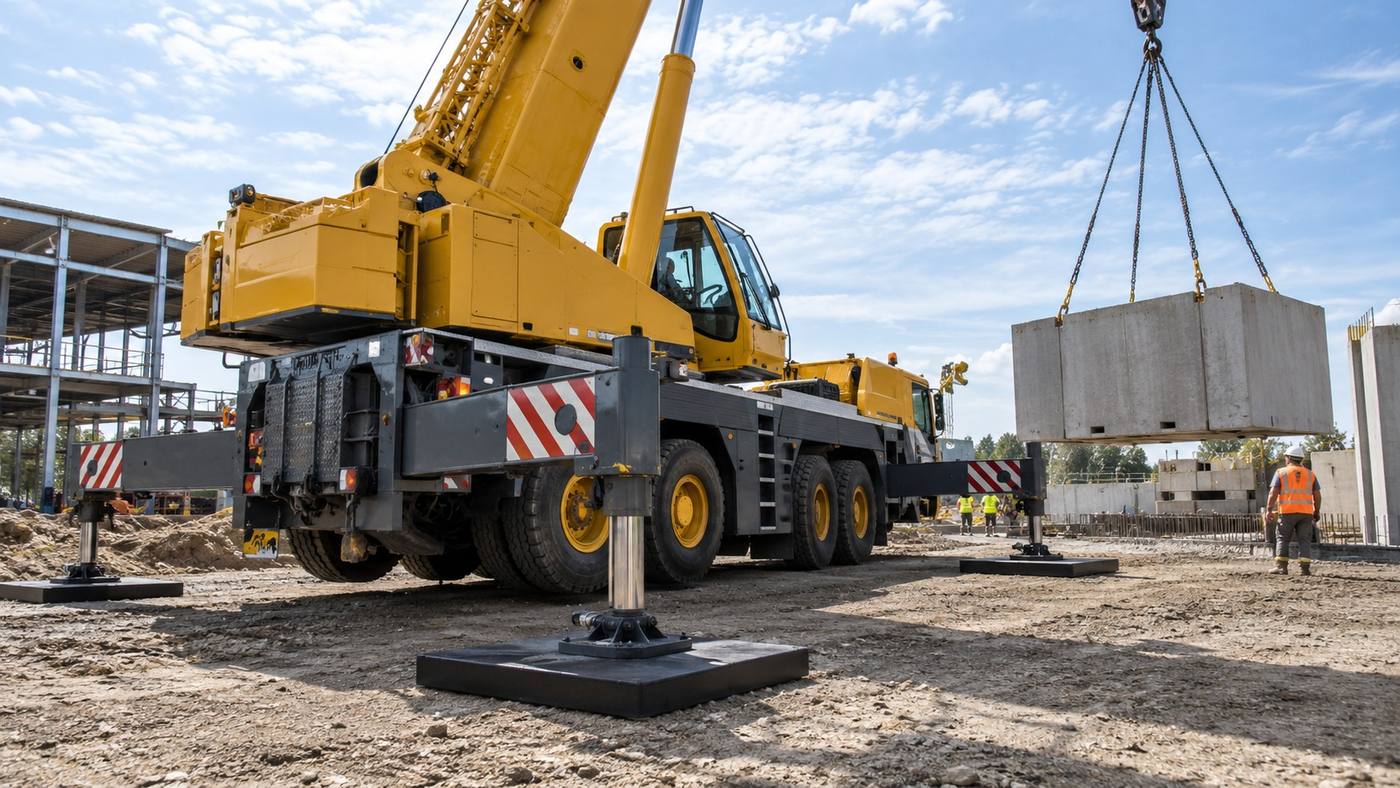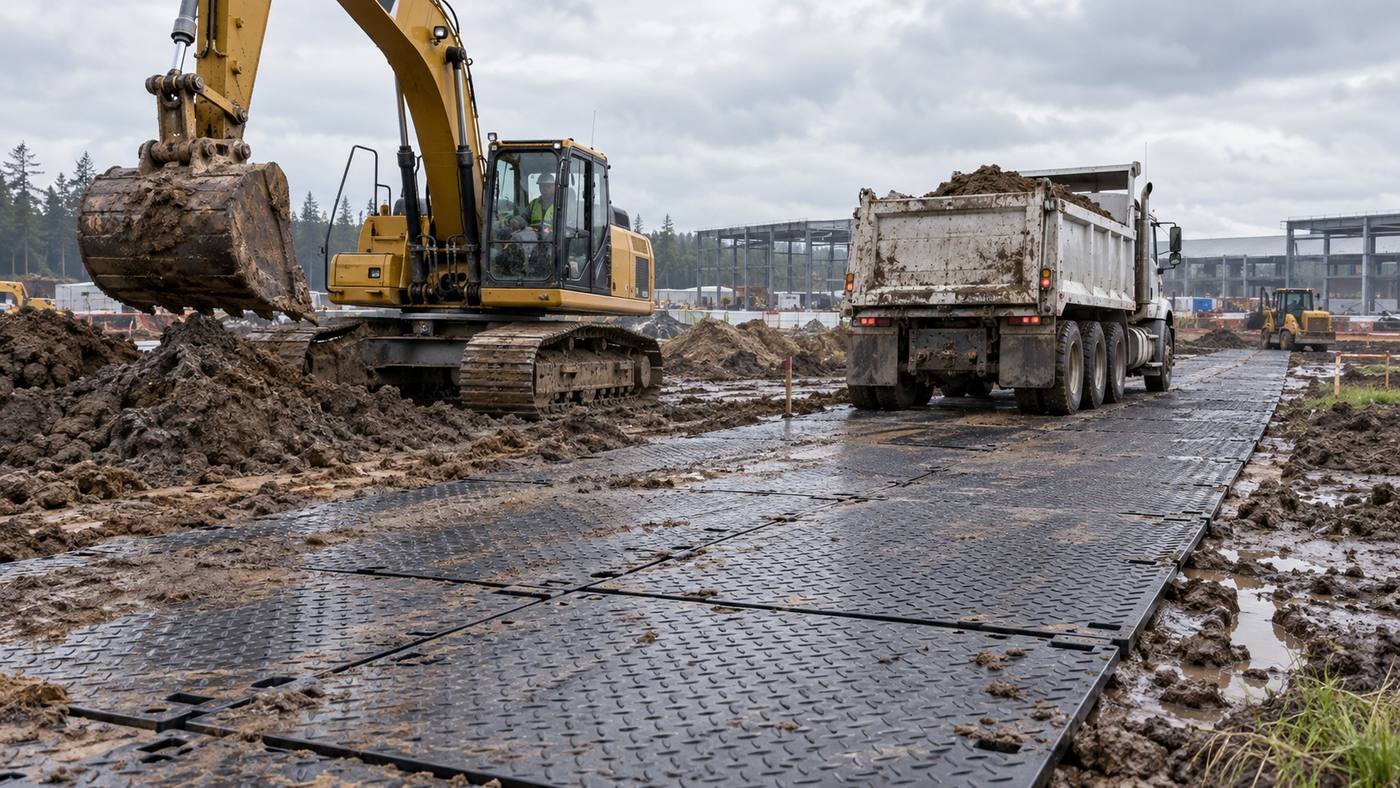
The continued change in the ground-based water content in the suspension window appears to require only one road to be paved and is actually related to drainage, vehicle movement, site protection and evacuation plans. Answering the question as to when rainfall should be suspended in the stage hanger, an on-site location and photograph should be made of the previously qualified endurance that may decline and fall, and the frequency of occurrence, impact on the target and the permitted recovery time.
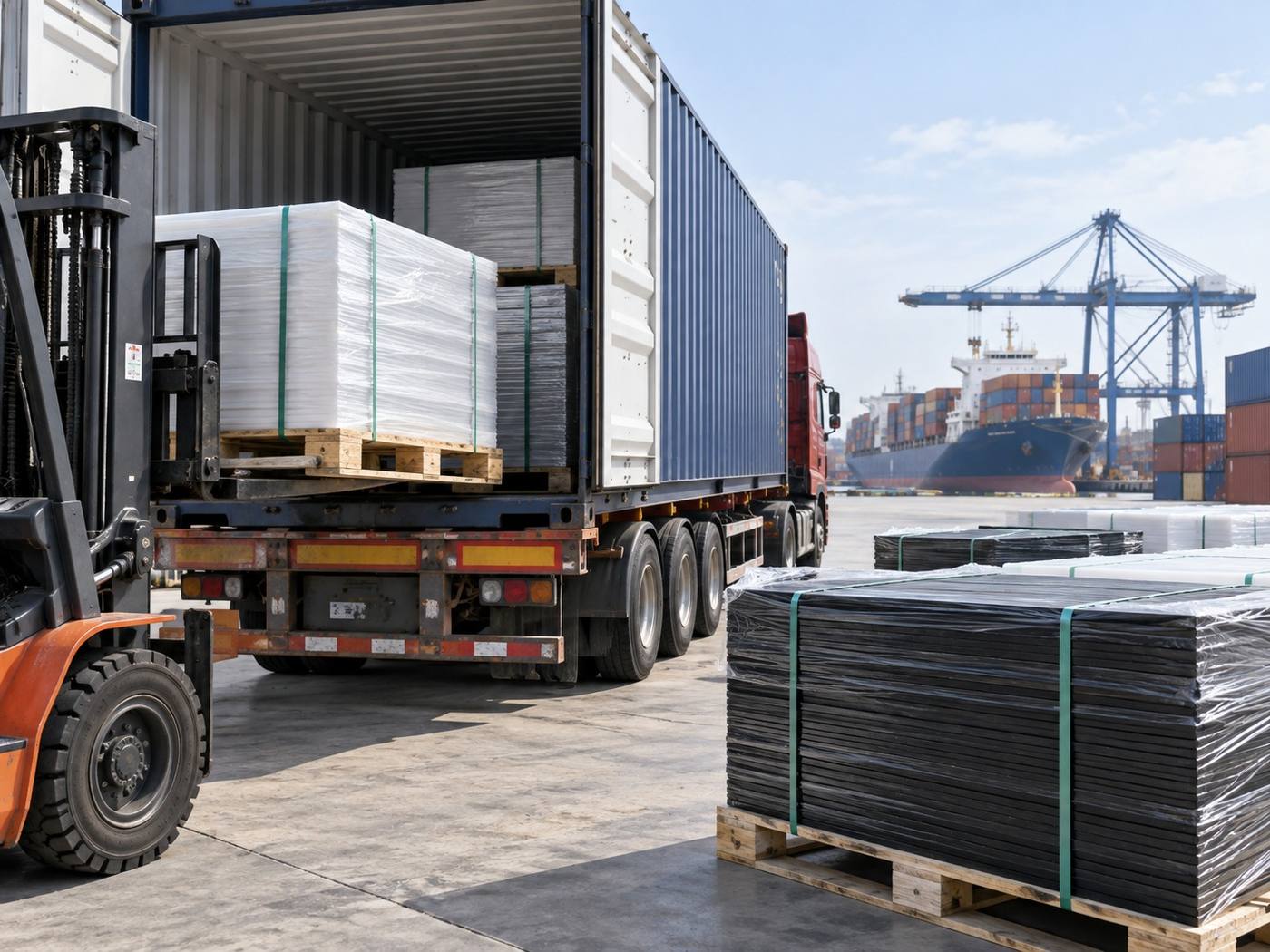
The input information can be organized by vehicle, ground, time and space, with emphasis on the total weight of the equipment, maximum retroactivity of the leg, the loading condition, the endurance of the ground, underground facilities and the weather window. In response to the possible decline in previously qualified endurances and depositions, the more appropriate direction would be to set and review by qualified personnel the trigger values for rainfall, water accumulation and shift. The selection of the product cannot be based solely on thickness or price, but should also confirm connection design, edge transition, reuse, cleaning and transport requirements.
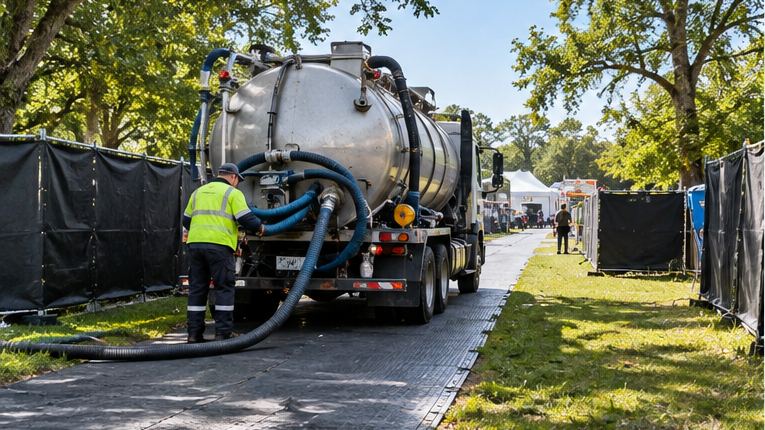
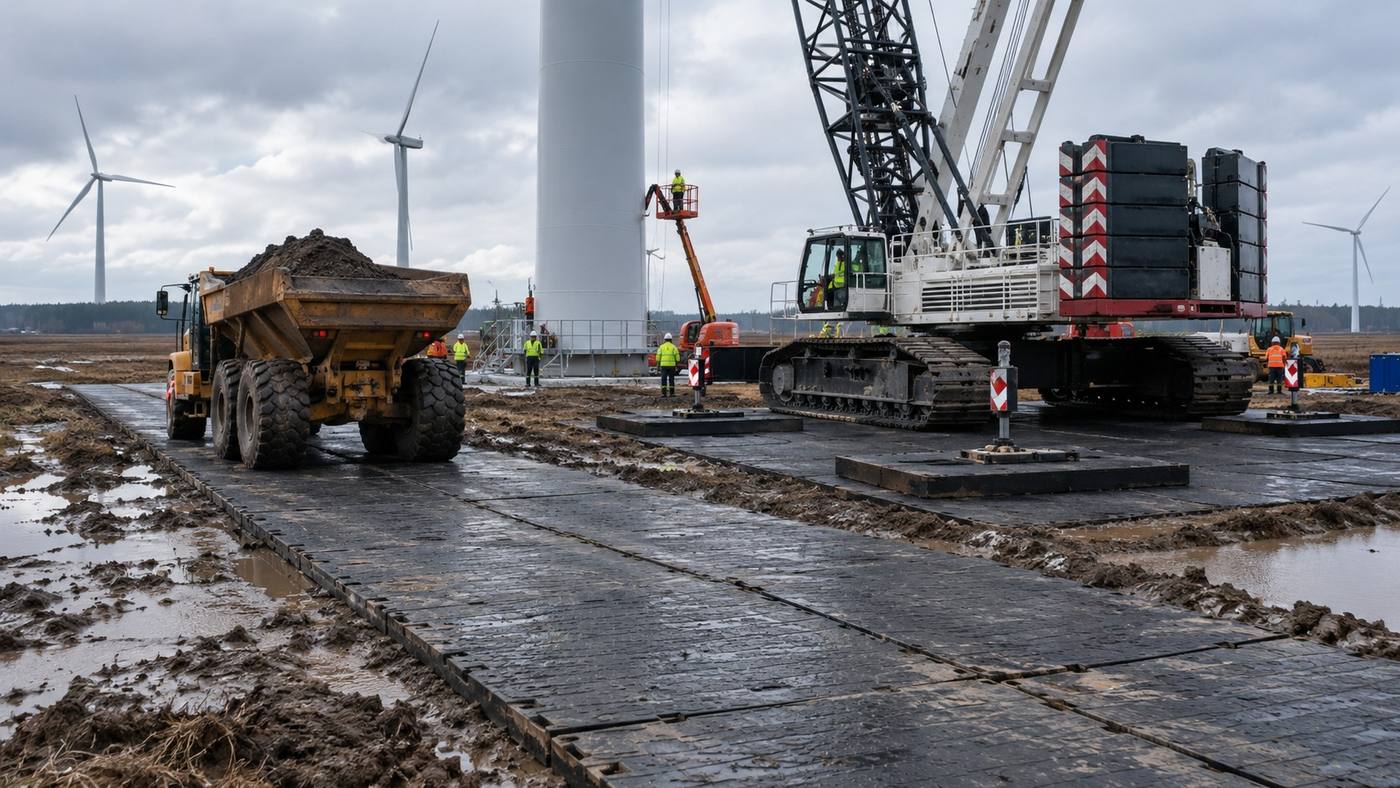
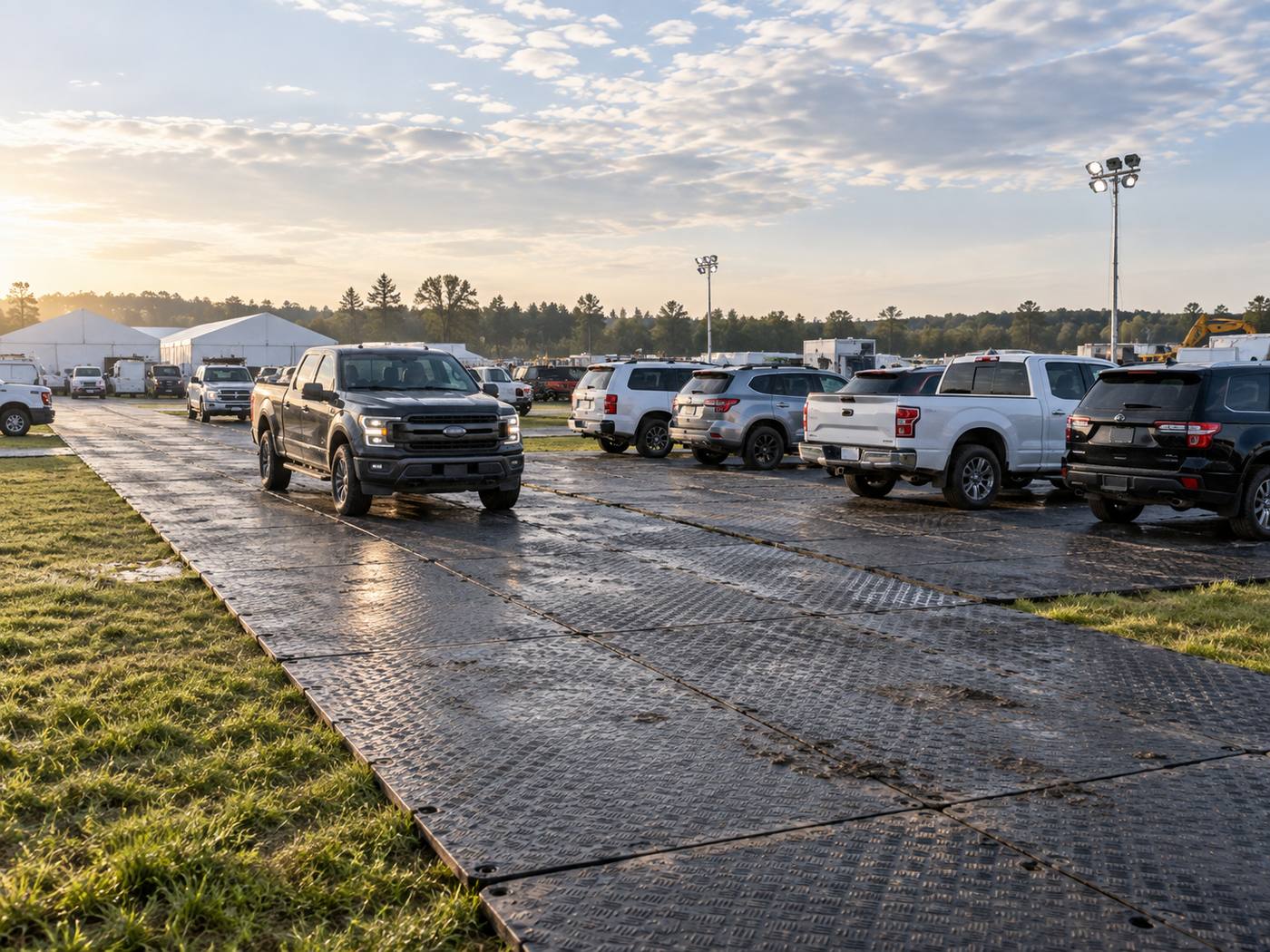
Figure: Ground-based water content changes continuously within the suspension window
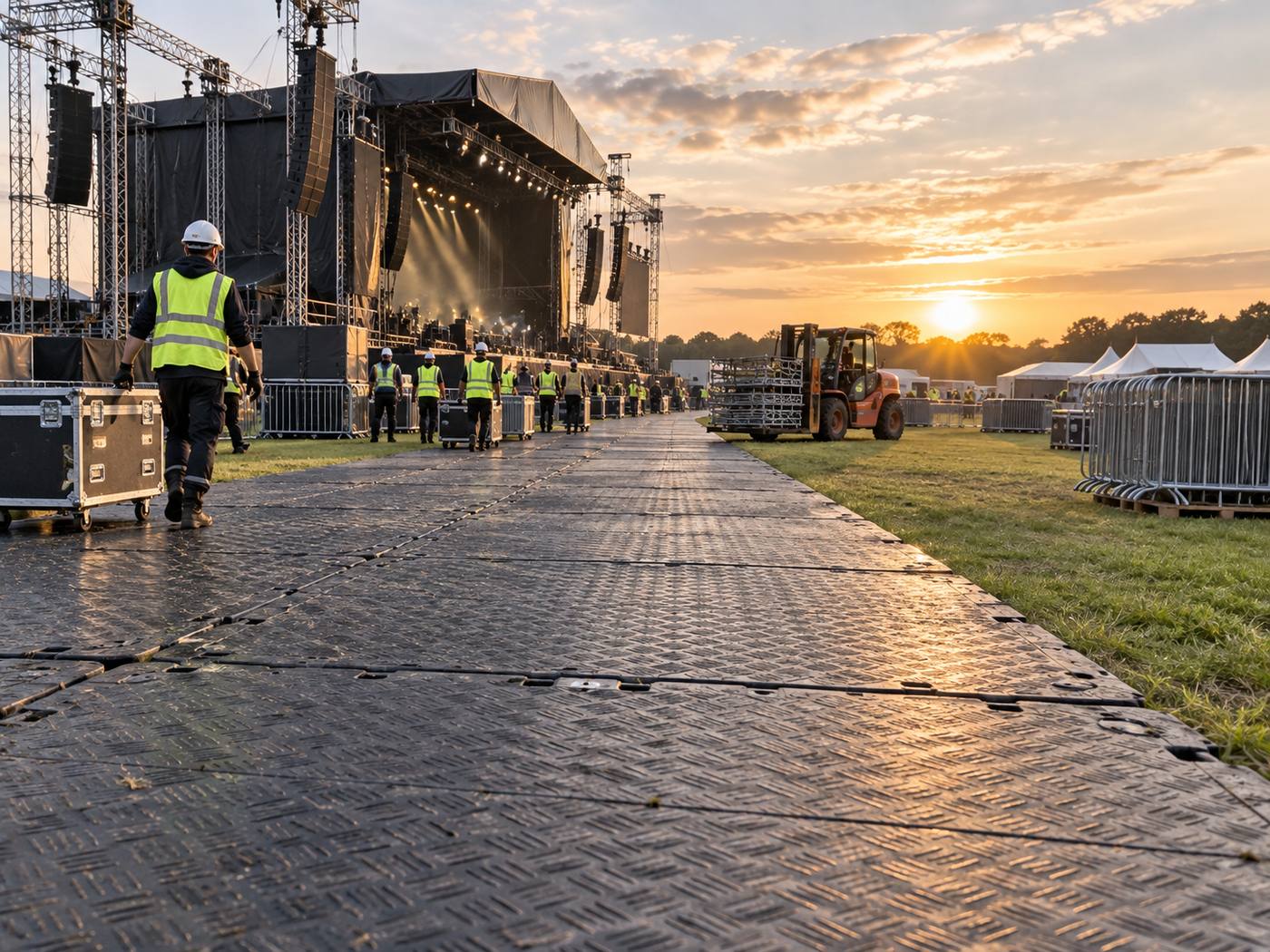
The construction organization is as important as the product specifications. Operators shall use means of transport suitable for a single mass, and the vehicle shall be directed by a commander and shall not be braked, wheeled or pressed. The pavements are for passage and the mats for extension of the feeder, which cannot be replaced by one another. Prior to the opening of public areas, access transitions, trip risks and fence segregation are also checked.
Road-painted and leg pads can be incorporated into the active assets account, numbering the relevant specifications, batches, pavements and hours of use. Maintenance staff focus on deposition, horizontality, full exposure, edge distance and connectivity. The removed components shall be cleaned, dried, flattened and managed according to eligible, assessed and end-of-life zones.
The impact assessment cannot be based solely on the success of the day. A comparison can be made between the number of incoming waits, the number of crashes, the amount of lawn repairs, the hours of cleaning, the loss of connections and the time of evacuation, and the differences between weather and traffic are recorded simultaneously. Only if the data are stable and the maintenance burden is acceptable will the programme be suitable for replication in the follow-up activities.
The security floor must not be reduced by the tight opening or evacuation time. When previously qualified endurance is likely to decline and sink, the reasons are isolated and identified before a decision is made to repair or reroute. Any improvement must avoid introducing new risks of slide, trip, overload or human conflict.
Need for further evaluation of the actual project?
Applications, sizes, quantities, site photographs or drawings and delivery destinations are sent, on which we can identify more suitable products and processing programmes.