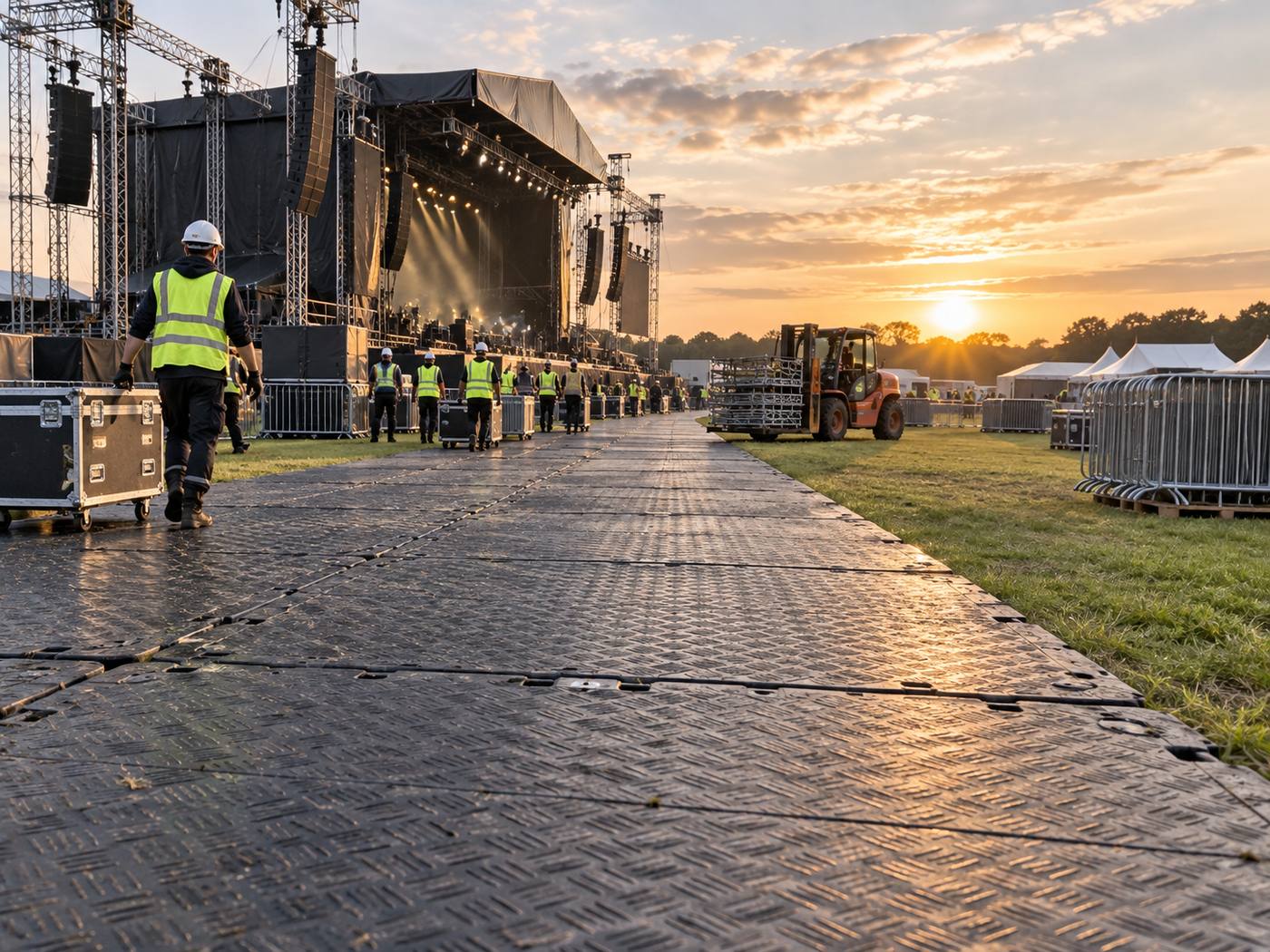
The entry line for the tour van on the grass outside the stadium appears to require only one road, which is actually related to drainage, vehicle movement, site protection and evacuation plans. Before responding to how the concert ' s large vans enter to pave a temporary road, it is necessary to locate and photograph the tracks and lawn damage caused by the repeated crushing of loaded vehicles and to confirm the frequency of occurrence, the impact on the target and the permitted recovery time.
Technical communication should first identify which of the most unfavourable conditions are the maximum vehicle axle, tyre, turn radius, handling rhythm, lawn water and night lighting. Planning for the continuous laying of routes around the most heavy vehicles, the turn track and the weather window, and the determination of the coverage, the specification combination and the back-up of the pavements and the mats. The label carries the same product and cannot be compared directly horizontally if the test basis is different.
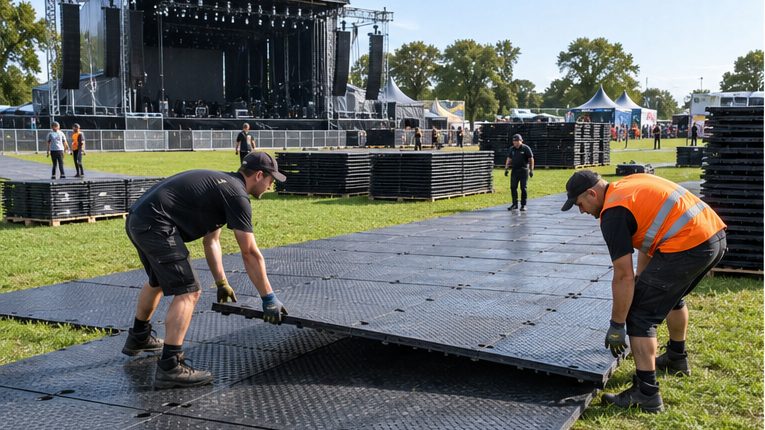
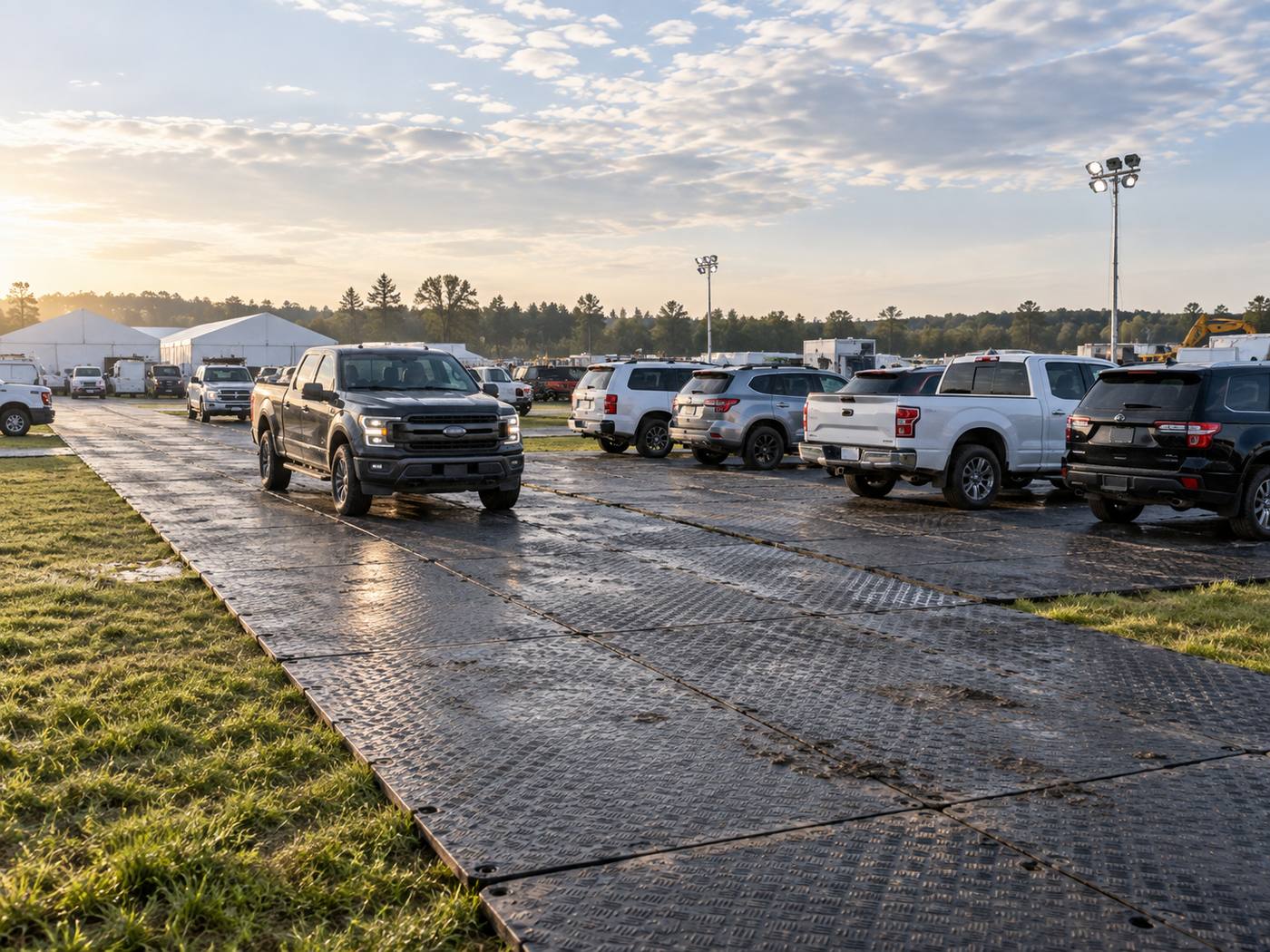
Figure: Line of entry for tour trucks outside the stadium.
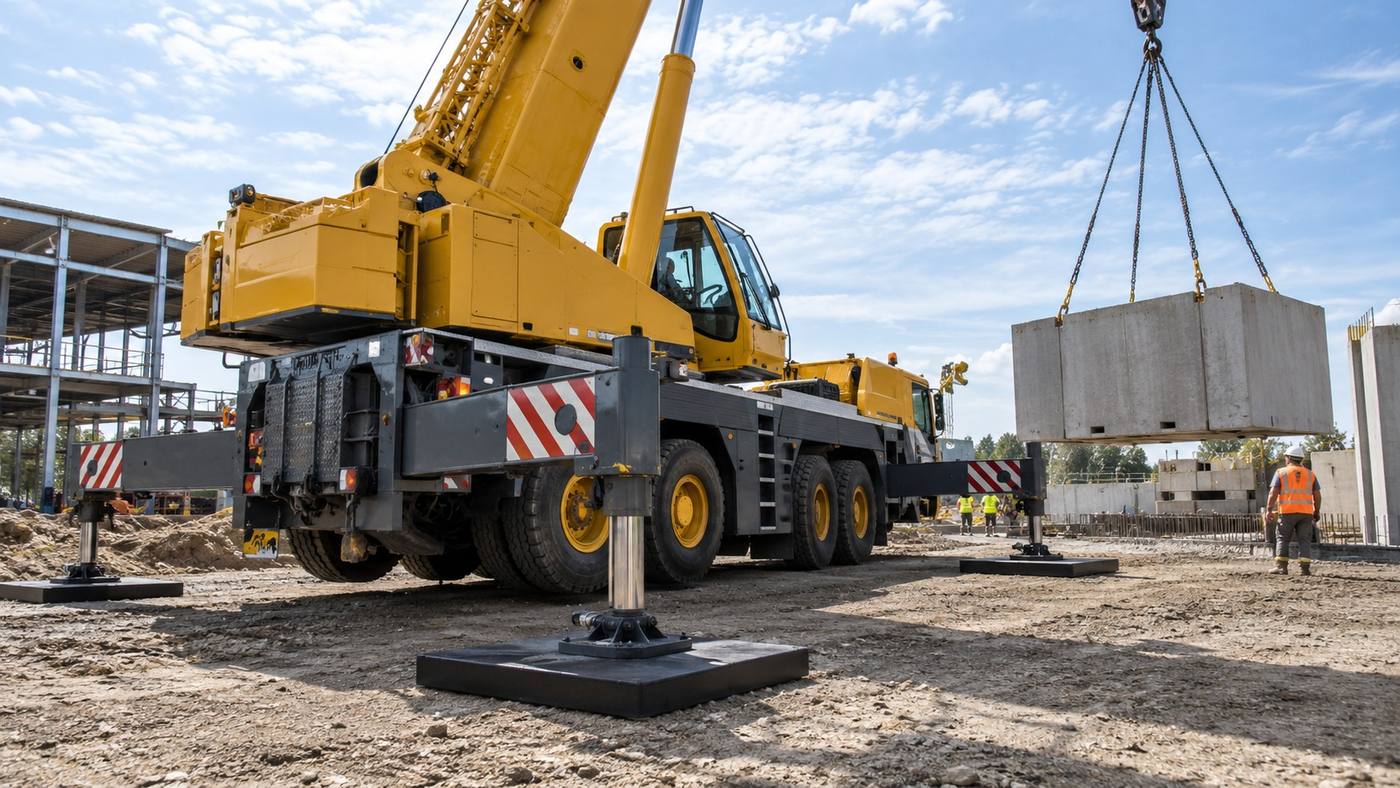
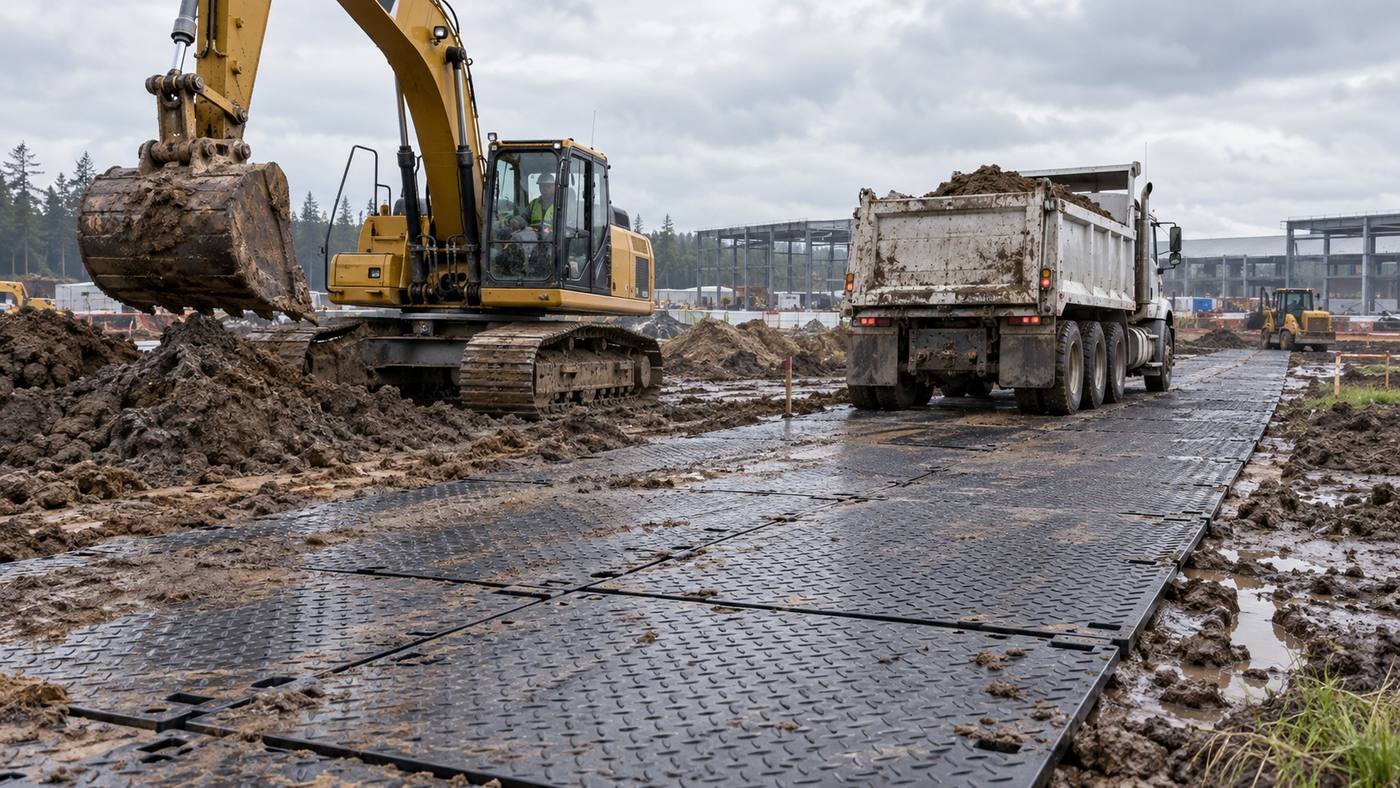
Prior to implementation, the area of operations should be sealed to remove sharp stones, wooden stakes and miscellaneous items that would cause spot loads, repair deep-pit tracks and remove drainage. The concert's roads must be accompanied by heavy transport, isolation and emergency passage. The planks are to be aligned to the main traffic, with an appropriate extension of coverage at the bend and docking points; and the leg mats must be fully exposed and inert, and should not be filled with random stacking or field cutting.
During the operation period, pre-class, post-traffic and post-rainfall focus is on sutures, edges, turn areas, loading points and viewer junctions. It is recommended that key plates and leg pads be numbered to record dates, locations, vehicles, unusual photographs and disposal results. The use of tools that do not cut the surface of polymers in cleaning should be isolated and treated according to the manufacturer ' s standards when permanent deformations, cracks, holes torn or unreliable fixes are found.
Before expanding the application, it was recommended that a common review of operations, build-up, HSE, site and procurement be undertaken. The parties confirm the conditions of movement, inspection, site protection and delivery, and can test whether the continuous route planned for the most heavy vehicles, the turn track and the weather window is truly enforceable.
The conclusions can be summarized as the first confirmation of the boundary, followed by the configuration of pavements and leg pads, followed by inspection and validation of project data. Formal programmes should also identify the use of restrictions, duty-bearers, decommissioning criteria and evacuation methods to avoid the loss of information as a result of shifts or changes in contractors.
Need for further evaluation of the actual project?
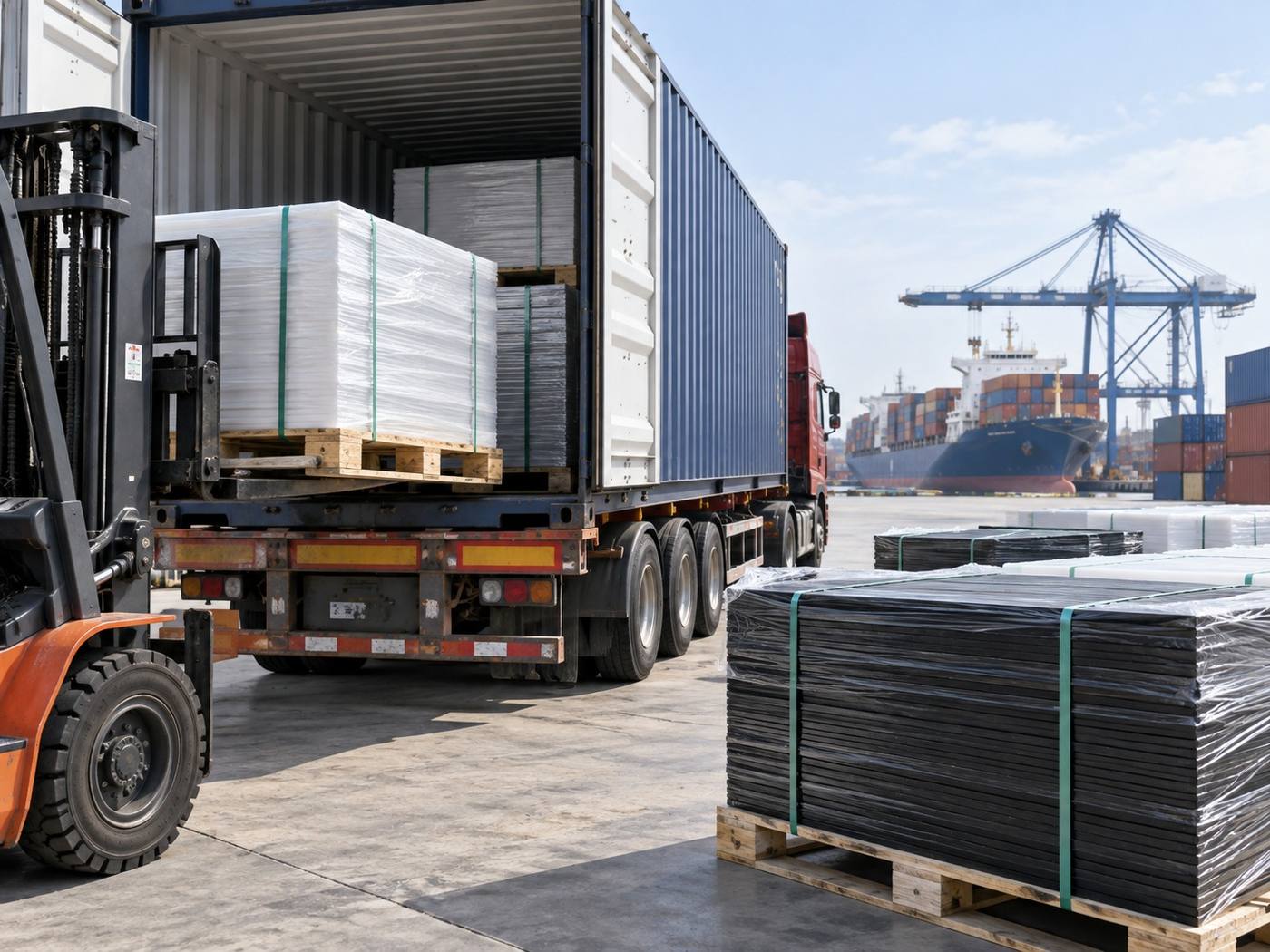
Applications, sizes, quantities, site photographs or drawings and delivery destinations are sent, on which we can identify more suitable products and processing programmes.