The same road map needs to be used by the host, site and builder of the event on how to carry the water and scavenger fields. In the case of water tankers or scavenging vehicles, and the introduction of hoses, it is easy to allow vehicles to enter unprotected areas and to trigger multiple risks from liquid loads, static and bronchial. Only when the boundaries and responsibilities are harmonized will there be a clear basis for product allocation.
Four cores can be used for “site-equipment-product-operated”: site and equipment columns to record full load, stopover time, frequency of supply, revolving space, liquid contamination and diversion of human vehicles, product columns to show sizes and connections, and operating columns to check full load weights and set full docking surfaces to separate pedestrians. Any one still relies on speculation, which may result in multiple risks arising from liquid loads, static loads and troughs at activity peaks.
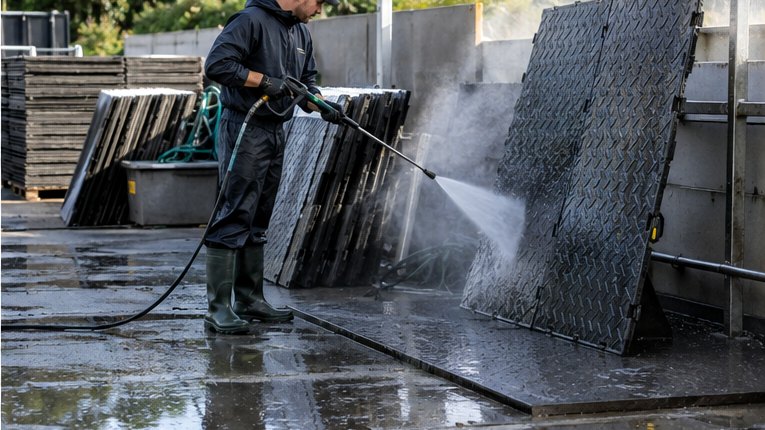
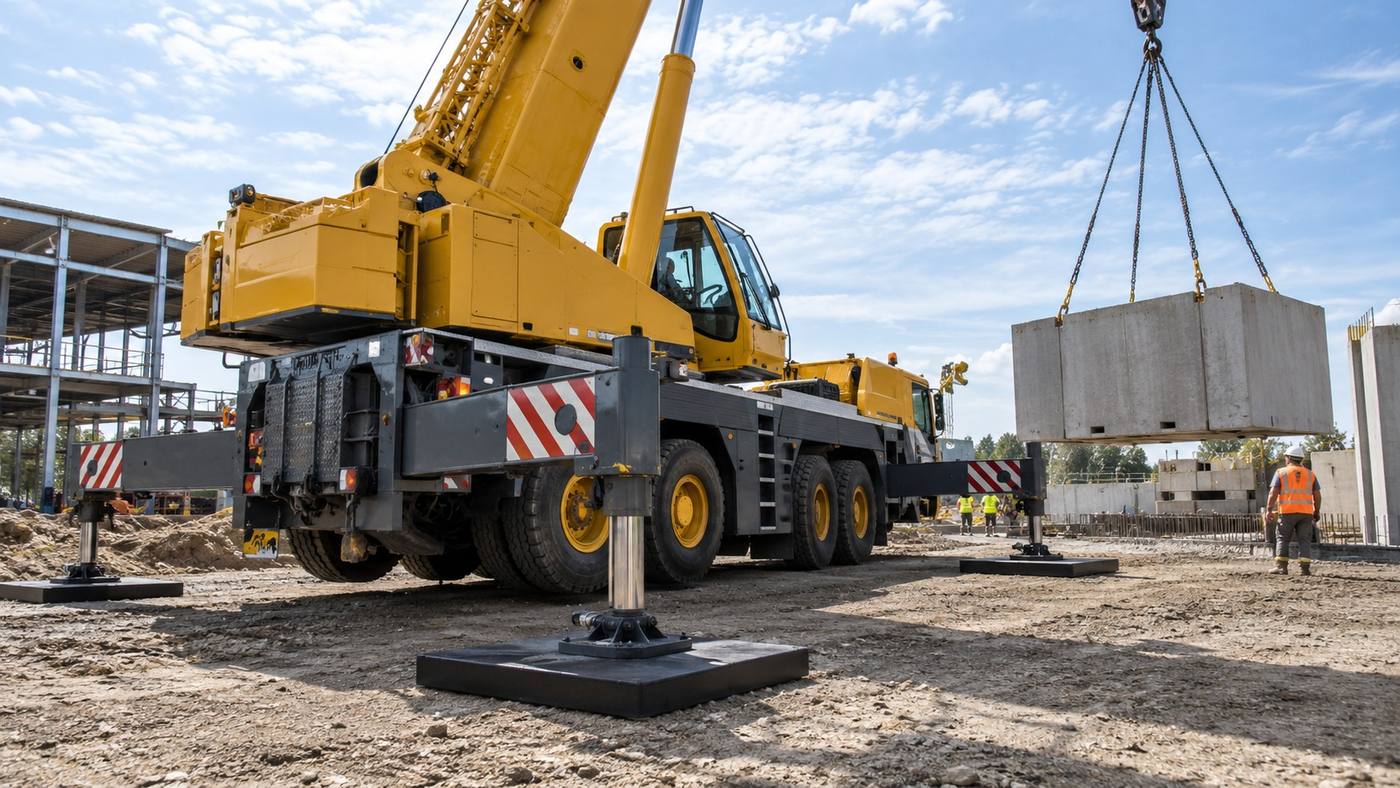
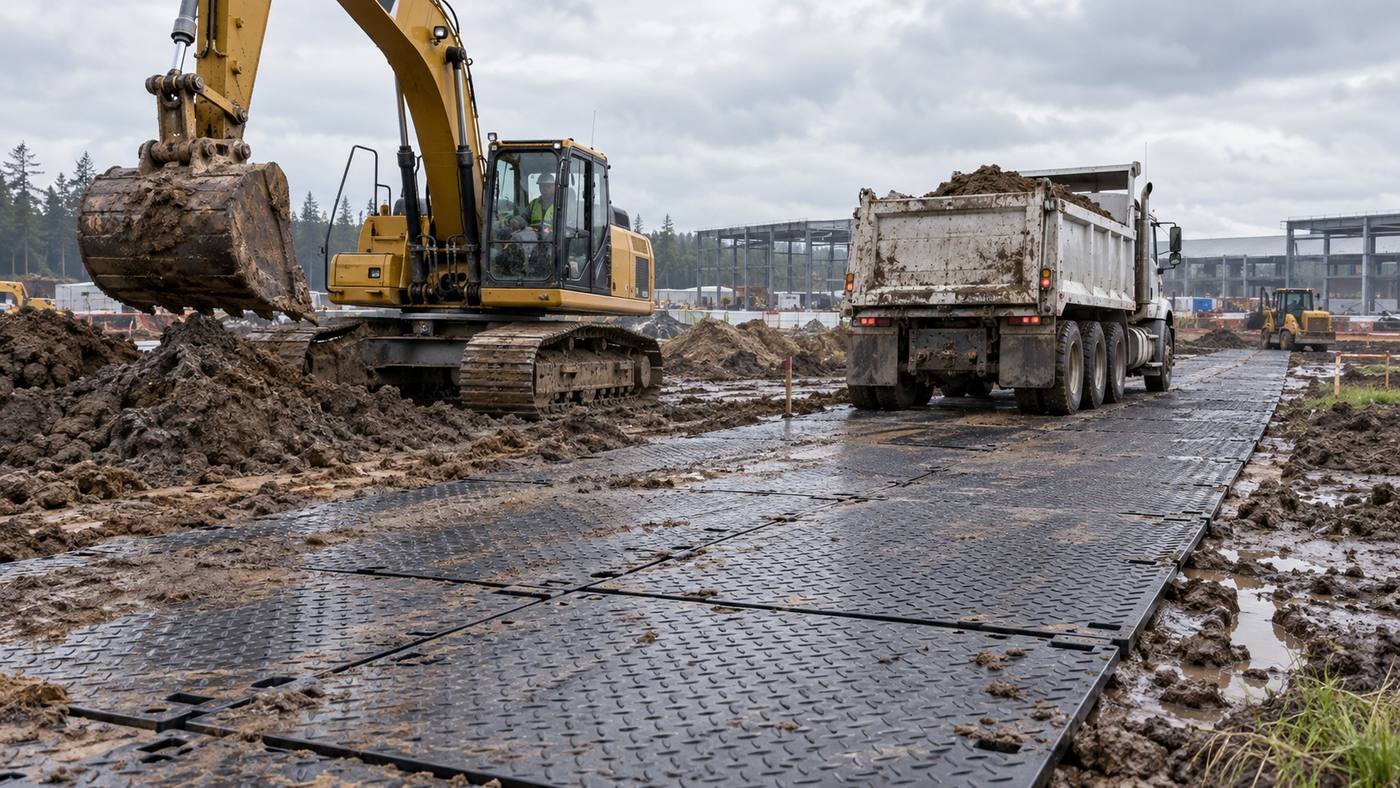
Figure: Water tankers or scavenging cars parked and hosed
Prior to implementation, the area of operations should be sealed to remove sharp stones, wooden stakes and miscellaneous items that would cause spot loads, repair deep-pit tracks and remove drainage. Service roads must be continuously available and clean during the opening of activities. The planks are to be aligned to the main traffic, with an appropriate extension of coverage at the bend and docking points; and the leg mats must be fully exposed and inert, and should not be filled with random stacking or field cutting.
Switching involves reporting changes in docking positions, back-of-car areas, hoses, cables, stains and sutures, rather than just describing the appearance. The sutures, shoulders or sub-points repaired in the previous class must be reviewed in the next class. If multiple risks of liquid loads, static and flexible troughs are formed as traffic increases, the speed limit, rerouting or suspension of operations should be immediate.
It is recommended that a key route or a device feeder be selected for controlled validation, with observation cycles and exit conditions. Records are to cover normal and most unfavourable conditions, with particular attention to the multiple risks posed by liquid loads, static loads and troughs. Once the trial is completed, the scope is expanded to reduce the one-time error configuration.
The security floor must not be reduced by the tight opening or evacuation time. When multiple risks arise from liquid loads, static loads and troughs, the causes are isolated and identified before a decision is made to repair or reroute. Any improvement must avoid introducing new risks of slide, trip, overload or human conflict.
Need for further evaluation of the actual project?
Applications, sizes, quantities, site photographs or drawings and delivery destinations are sent, on which we can identify more suitable products and processing programmes.