When discussing how to avoid early break-ups in the sequence of stage demolition, a distinction should be made between surfaces, equipment support and personnel access. The last load of lifting and transportation equipment still to be evacuated may contain three requirements at the same time, and the premature demolition of the main road will force the vehicle to repressurize the unprotected ground, which will be amplified as traffic overlaps. The division of the site into different functional areas is the first step in determining the product, thickness, width and quantity.
The key to this topic is not to choose the thickest, but to establish a match. Identification and control of the condition based on the total weight of the equipment, maximum retroactivity of the leg, suspension, endurance of the ground, underground facilities and weather windows, and the reverse recovery and retention of the emergency route to the final configuration of the pavement and leg pads, in accordance with the order of exit of the equipment. If products need to be moved more frequently, manual weights, posts, stacking and cleaning should also be added to the total cost.
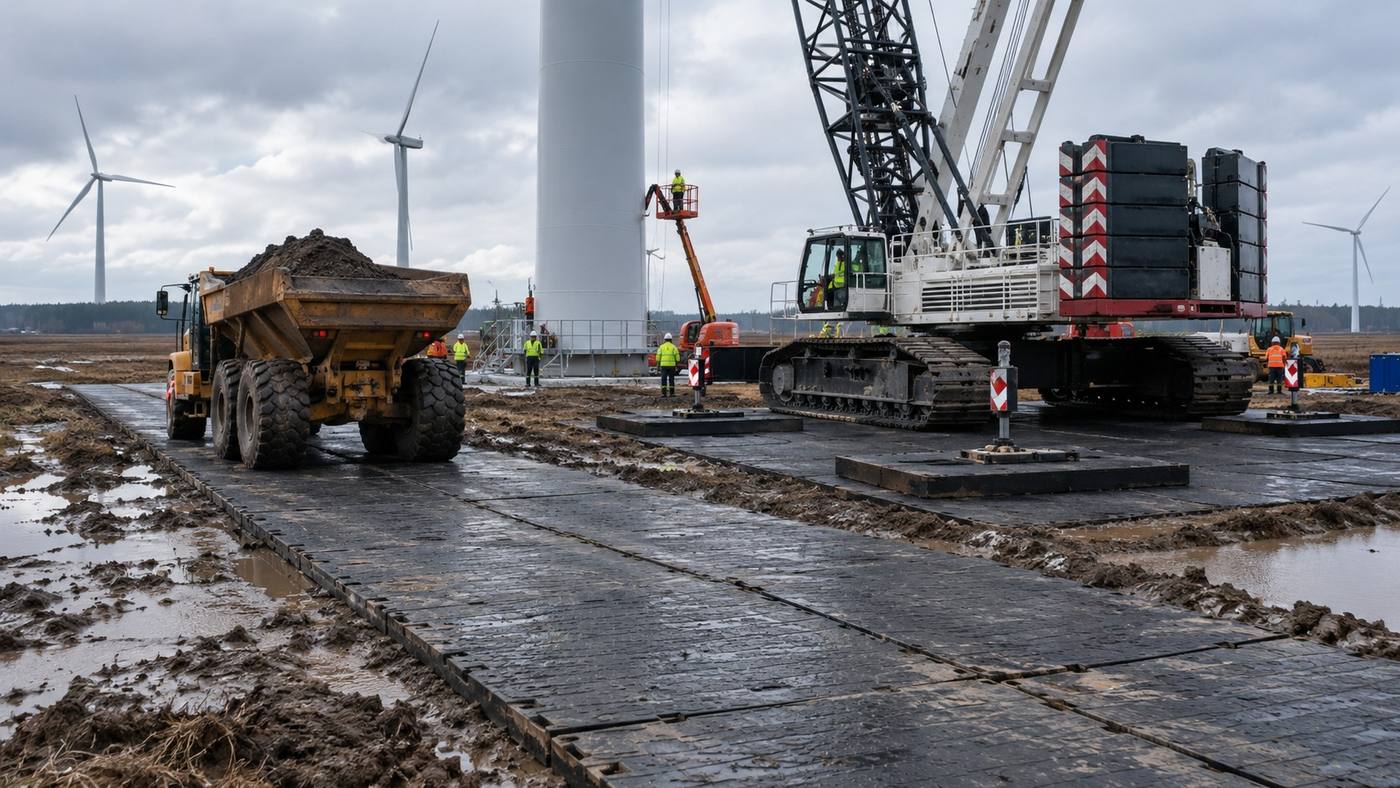
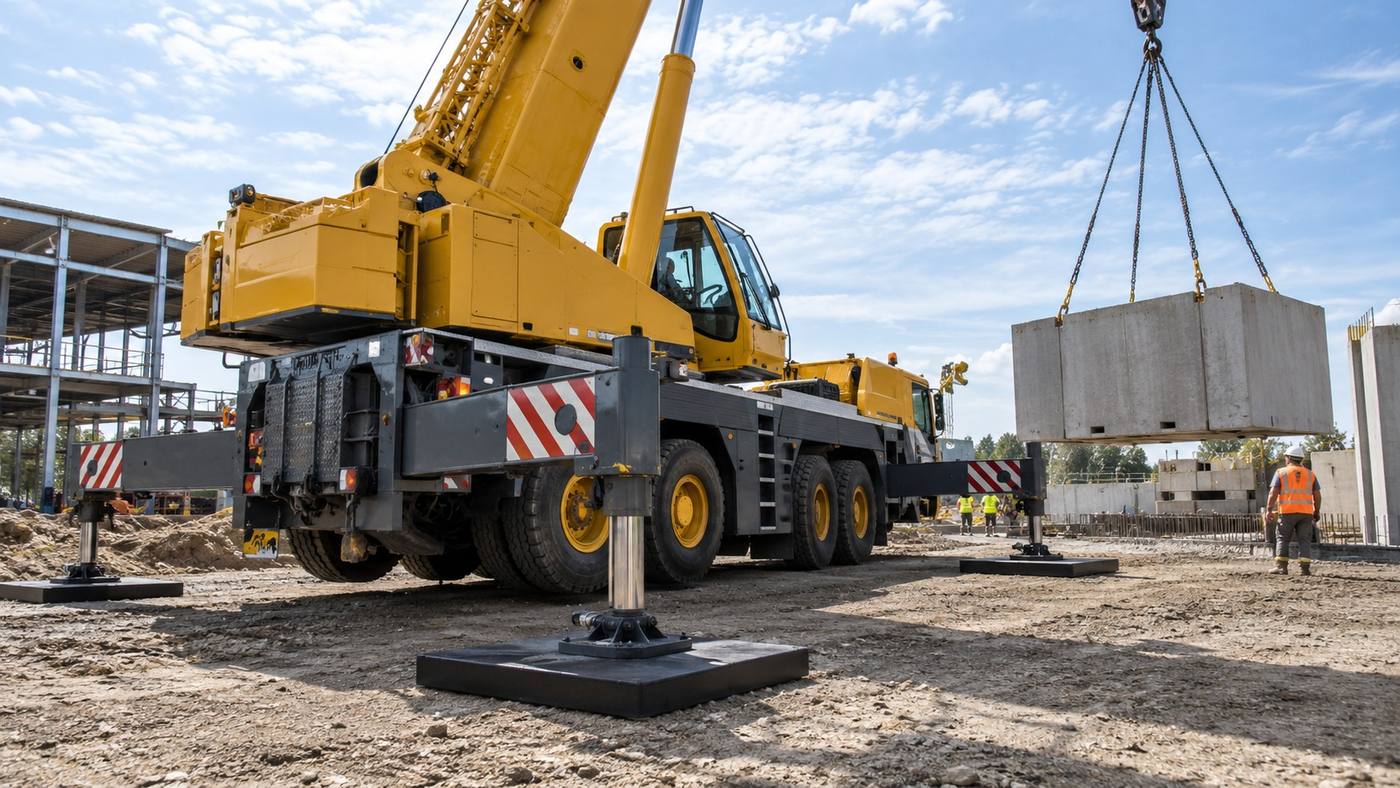
Figure: Last shipment of lifting and transport equipment still needs to be evacuated (inventory material for the plastic network).
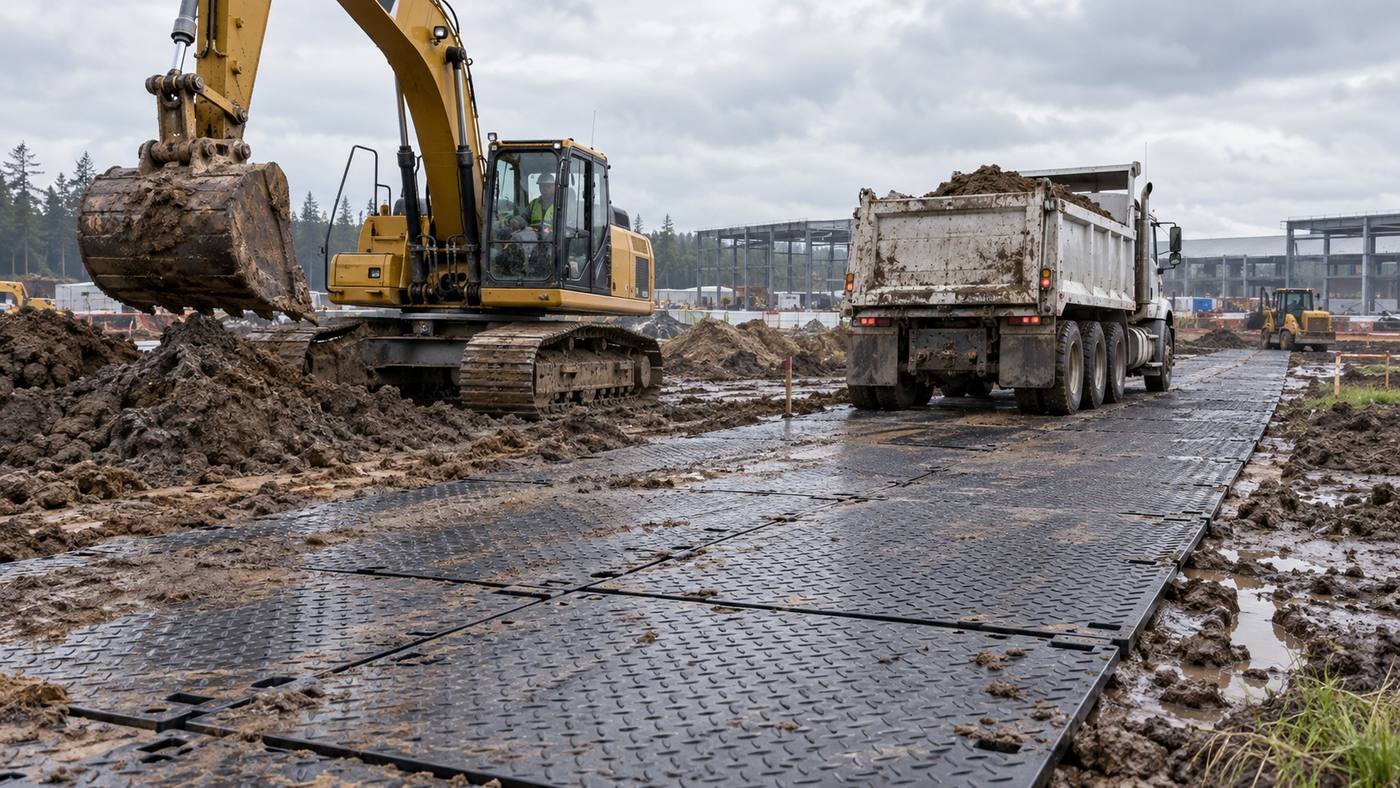
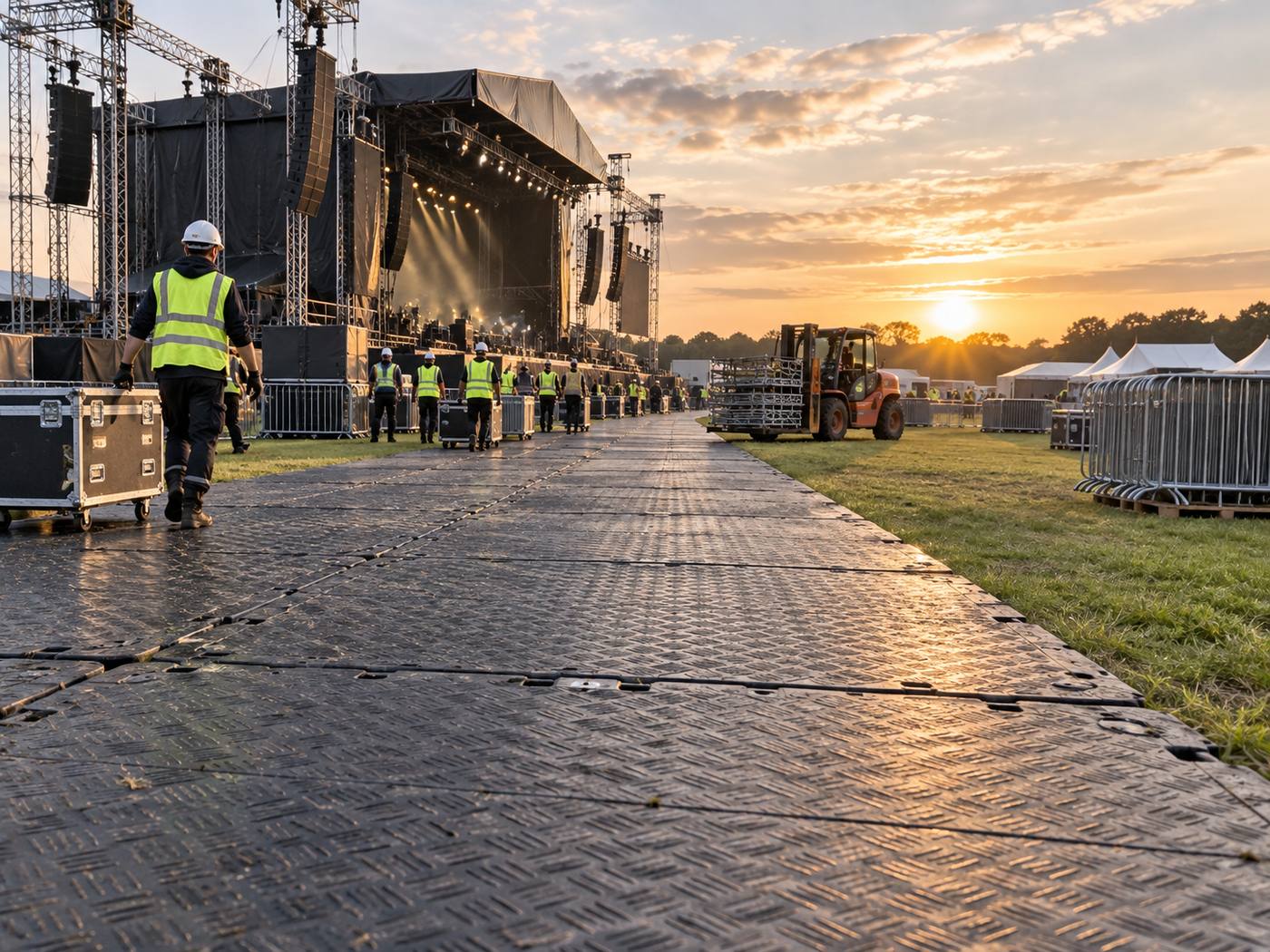
The site installation should be located with the approved drawing number and, for each period completed, the levelling, stitching, edges and drainage. The pavements are for passage and the mats for extension of the feeder, which cannot be replaced by one another. The test operation was first conducted using a low-risk vehicle, which passed by a slow-speed straight line, and then the turnover, parking and full load were gradually validated; it was discovered that the sub-platform continued to sink or the branch position was immediately disabled.
The inspection should not only be “normal”, but should be identified on a case-by-case basis around sedimentation, horizontality, full exposure, edge distance and connectivity, with anomalies divided into three levels of observation, restriction and decommissioning. The repeated and premature demolition of the main road in the same area will force the vehicle to return to the unprotected ground, requiring a return to drainage, grass-roots, traffic or re-analysing of specifications, rather than the constant replacement of surface components.
The impact assessment cannot be based solely on the success of the day. A comparison can be made between the number of incoming waits, the number of crashes, the amount of lawn repairs, the hours of cleaning, the loss of connections and the time of evacuation, and the differences between weather and traffic are recorded simultaneously. Only if the data are stable and the maintenance burden is acceptable will the programme be suitable for replication in the follow-up activities.
It needs to be emphasized that pavements and stubbles can only function in the approved operational system of activities and cannot be a substitute for unsatisfactory foundations, damaged equipment or irregular operations. Any unknown underground facility, perimeter instability, posturing of equipment beyond the Manual or failure to isolate persons should be suspended and upgraded.
Need for further evaluation of the actual project?
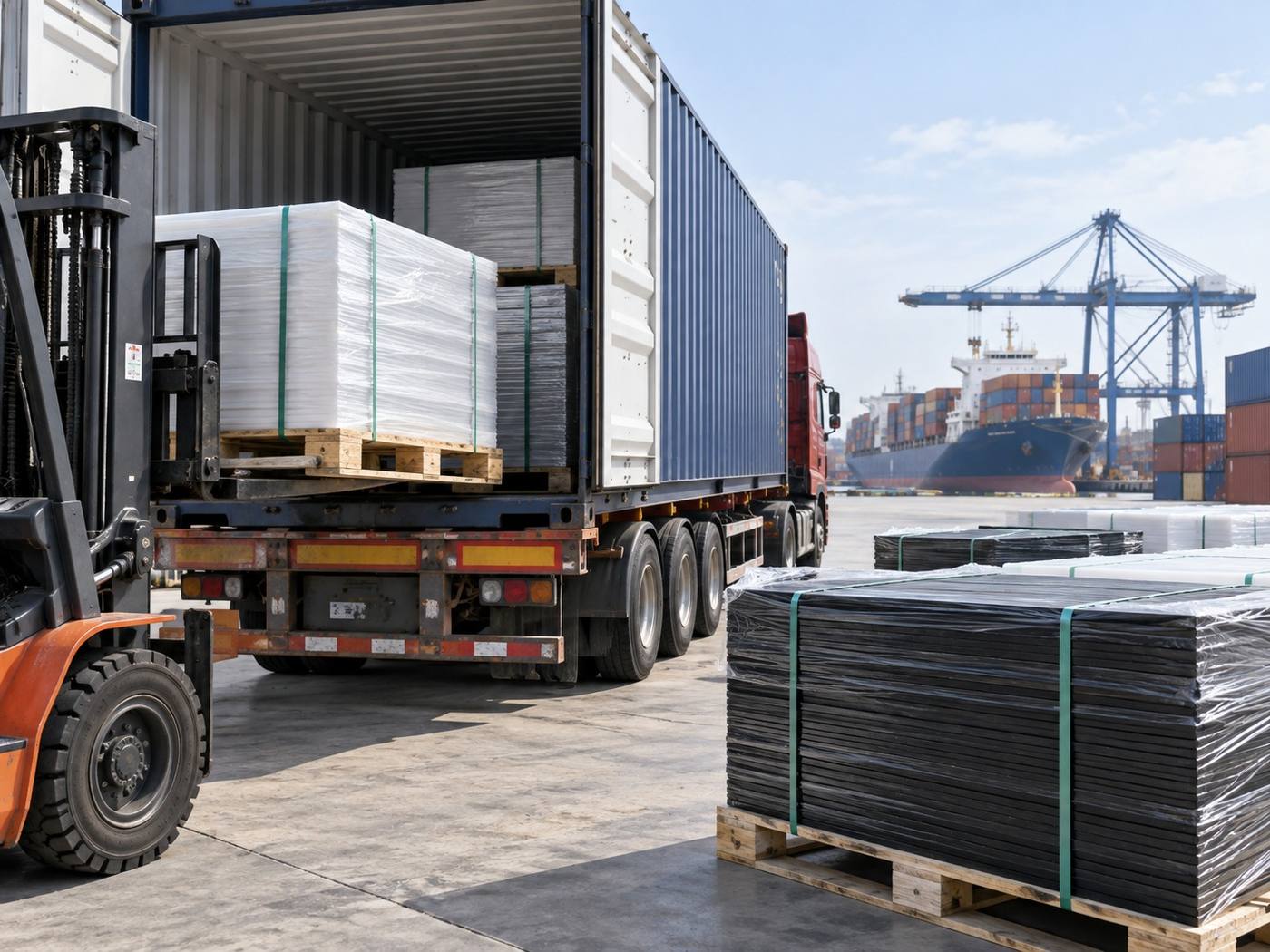
Applications, sizes, quantities, site photographs or drawings and delivery destinations are sent, on which we can identify more suitable products and processing programmes.