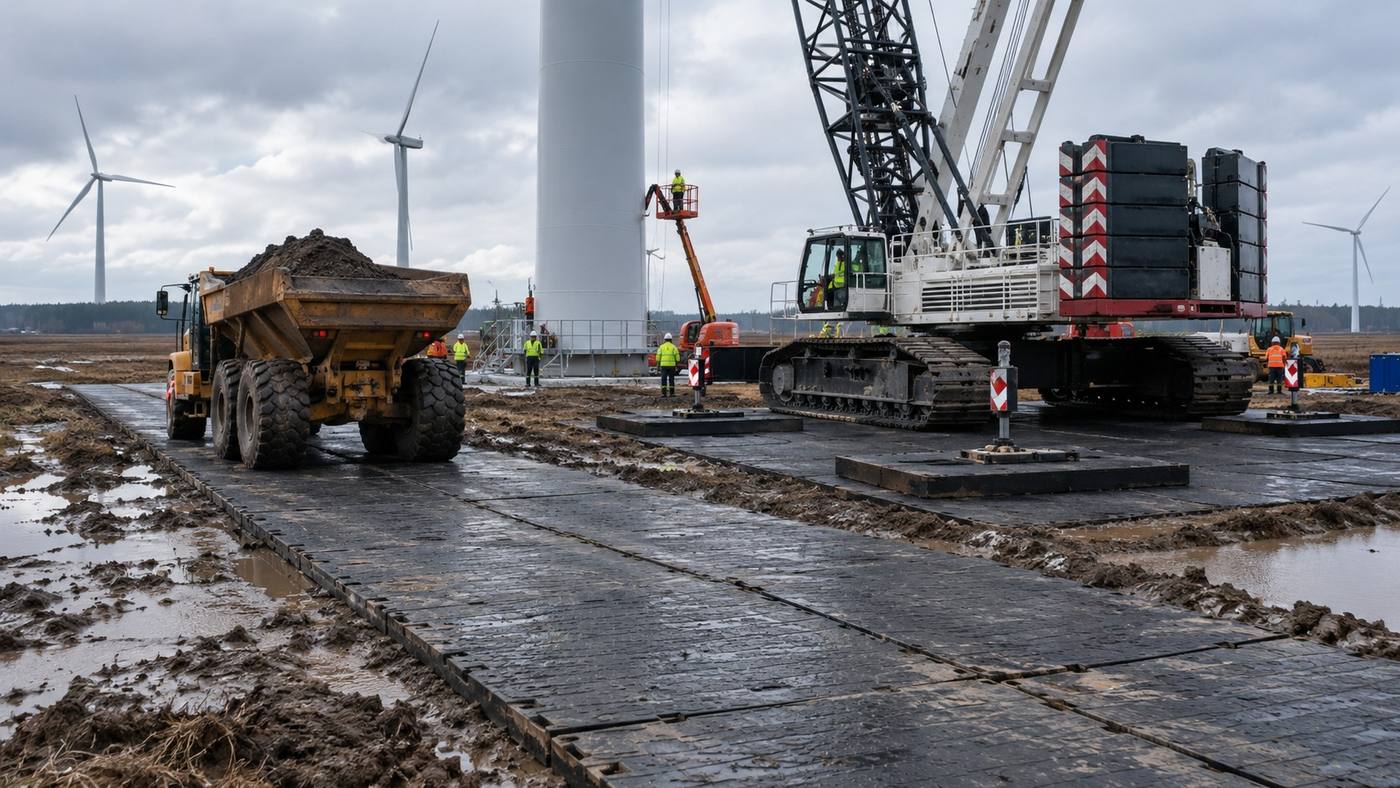
A fixed answer that does not separate from the scene is how to sort the pavement back to the warehouse. Cleaning, scavenging, scavenging and scavenging are influenced by the weather, car type, length of use and human organization, and mixing can lead to a re-opening of the unsuited plate. The correct approach is to identify a combination of payloads and ground conditions before identifying temporary ground systems and management measures.
In order to reduce the temporary changes, the project should submit the remaining vehicles, remove areas, clean up conditions, load sequences, site acceptance and stocking, with an indication of the schedule of activities and exit windows. Vendors are required to present product maps, individual weights, packaging and assumptions around the distribution and simultaneous updating of the inventory system by status and specification; the projecter is responsible for confirming the route, base level and use permit.
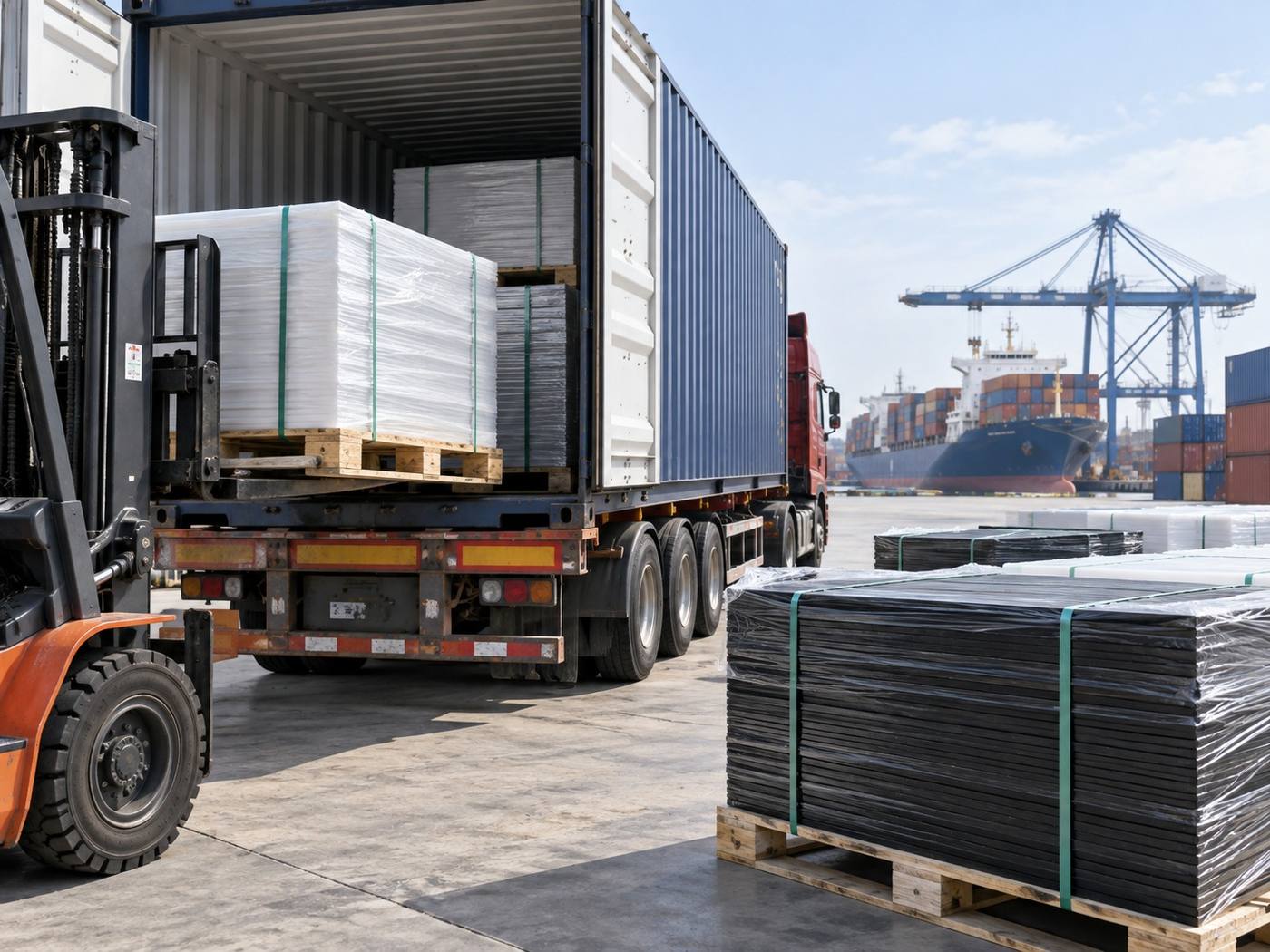
Figure: Clean, unwashed, unrepaired and scrap sheeting back to the library at the same time.
In the event of a shortage of space on the ground, work cannot be done by reducing the necessary coverage or moving the equipment feeder to the road shoulder. Stations and set-up of vehicles should be reordered to allow sufficient work space for the status and specification partitions to be flattened and the inventory system to be updated simultaneously. Quick-evacuation sites rely on reverse planning, numbering and zoning operations rather than being looted at the same time. The continuity of routes is reviewed after each change in traffic organization.
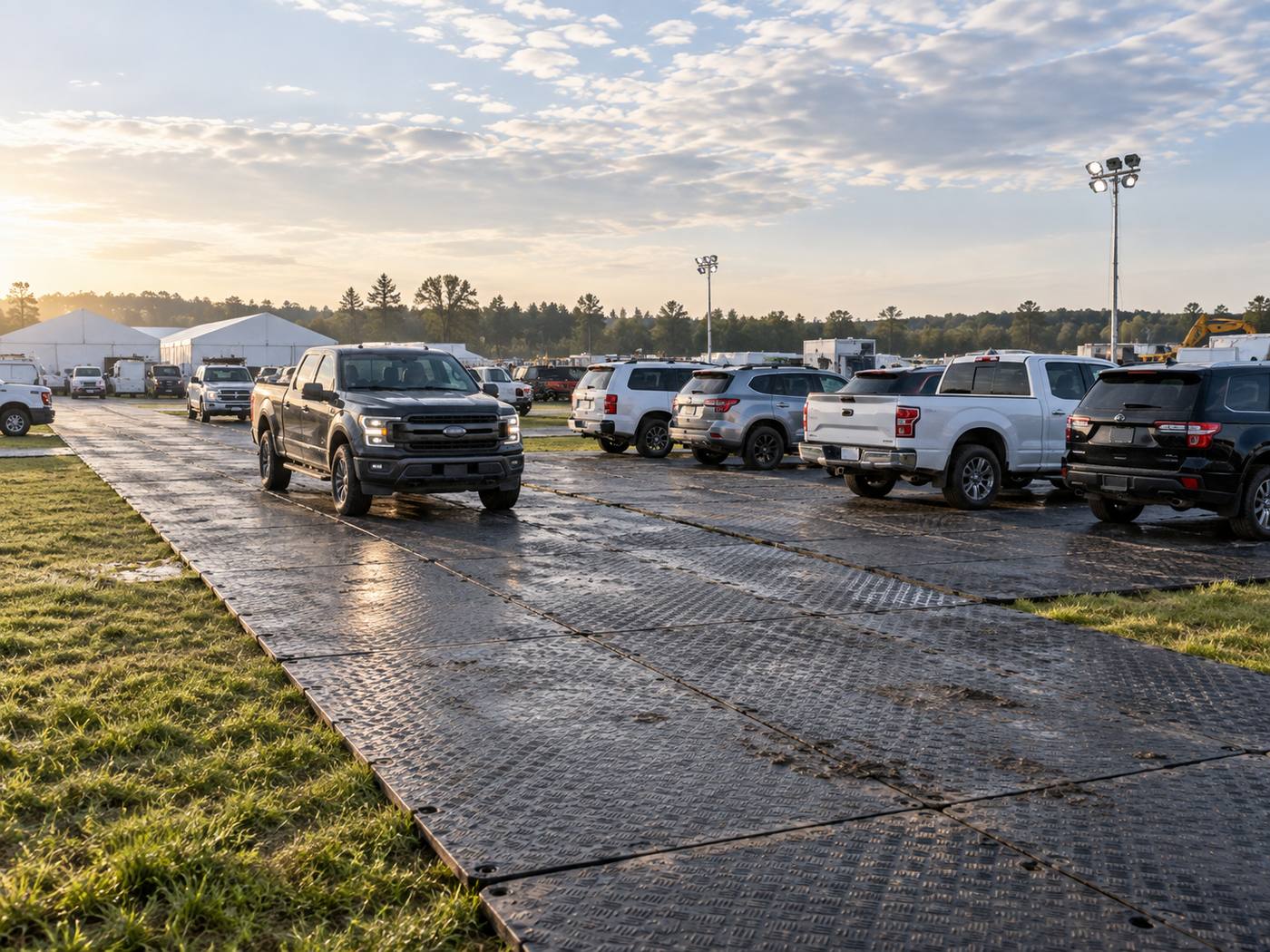
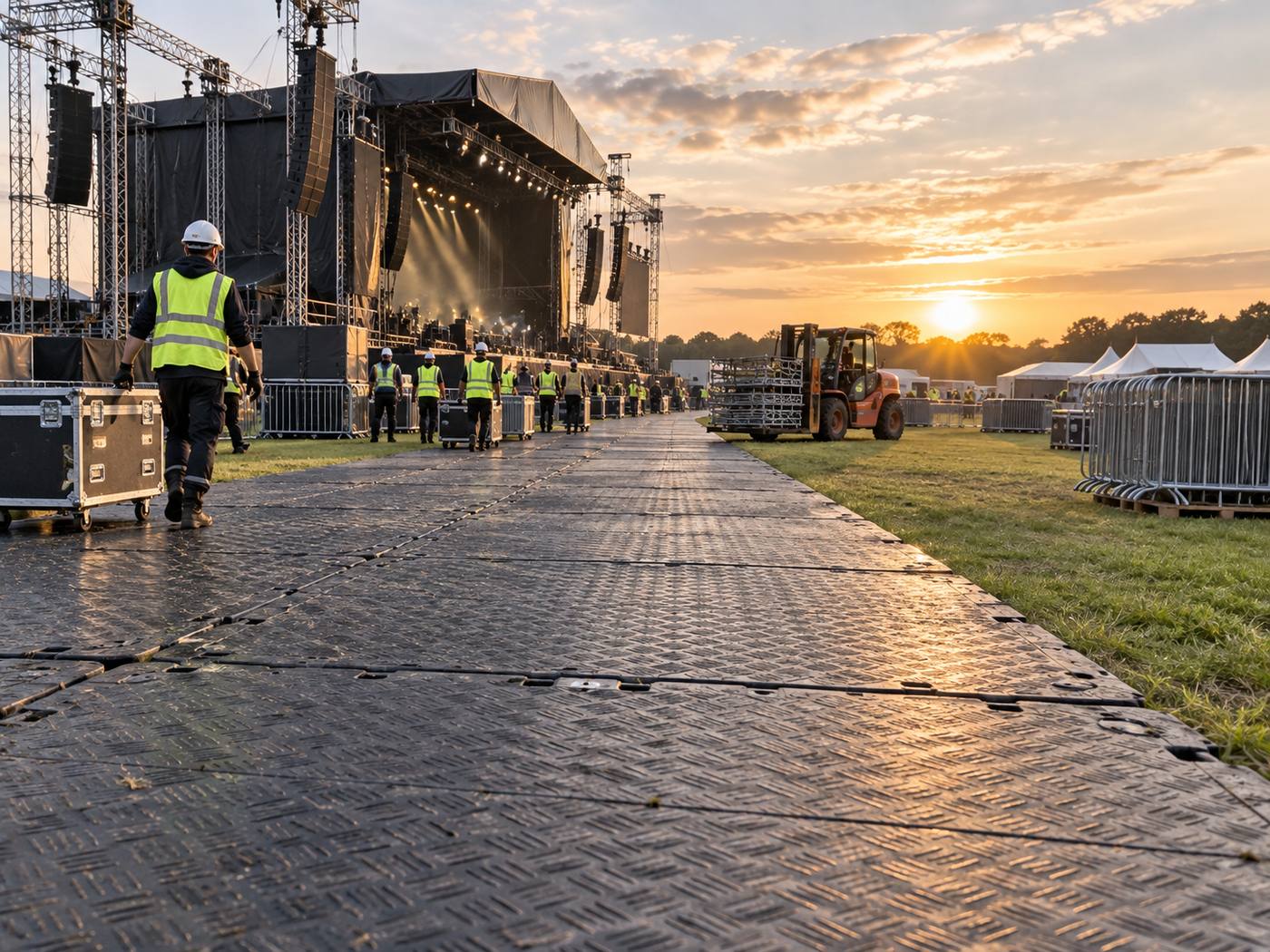
Maintenance of the open-ended period of the event should avoid the peaks of the audience as far as possible, but urgent deficiencies cannot be delayed. Covering, repair, re-checking and release processes around plate numbers, injuries, pollution, lawn moss, pallets and delivery records. Any problem of unconfirmable support or connection should first be disabled.
The quotations for the different products should be compared under the same size, material, connection, packaging, delivery and test basis. Supplementary information should be requested if the supplier gives the maximum carrying figures without indicating ground and test conditions. The event scene requires more attention to reuse, removal and quick evacuation than to single laboratory indicators.
The conclusions can be summarized as the first confirmation of the boundary, then the layout of the pavement, followed by the inspection and validation of the project data. Formal programmes should also identify the use of restrictions, duty-bearers, decommissioning criteria and evacuation methods to avoid the loss of information as a result of shifts or changes in contractors.
Need for further evaluation of the actual project?
Applications, sizes, quantities, site photographs or drawings and delivery destinations are sent, on which we can identify more suitable products and processing programmes.