A distinction should be made between surfaces, equipment support and personnel access when discussing what service vehicle roads are needed in the music festival camps. Clearing, water, medical and security vehicles entering the camp area may have three requirements at the same time, and the proximity of the vehicle to the tent and limited night vision will be magnified by overloading traffic. The division of the site into different functional areas is the first step in determining the product, thickness, width and quantity.
Inputs can be organized by vehicle, ground, time and space columns, with emphasis on activity days, grass, irrigation, terrain, vehicle frequency, viewer traffic and weather forecasting. For vehicles close to their tents and with limited night vision, the more appropriate direction would be a low-speed one-way route, a meeting point and an all-weather emergency route. The selection of the product cannot be based solely on thickness or price, but should also confirm connection design, edge transition, reuse, cleaning and transport requirements.

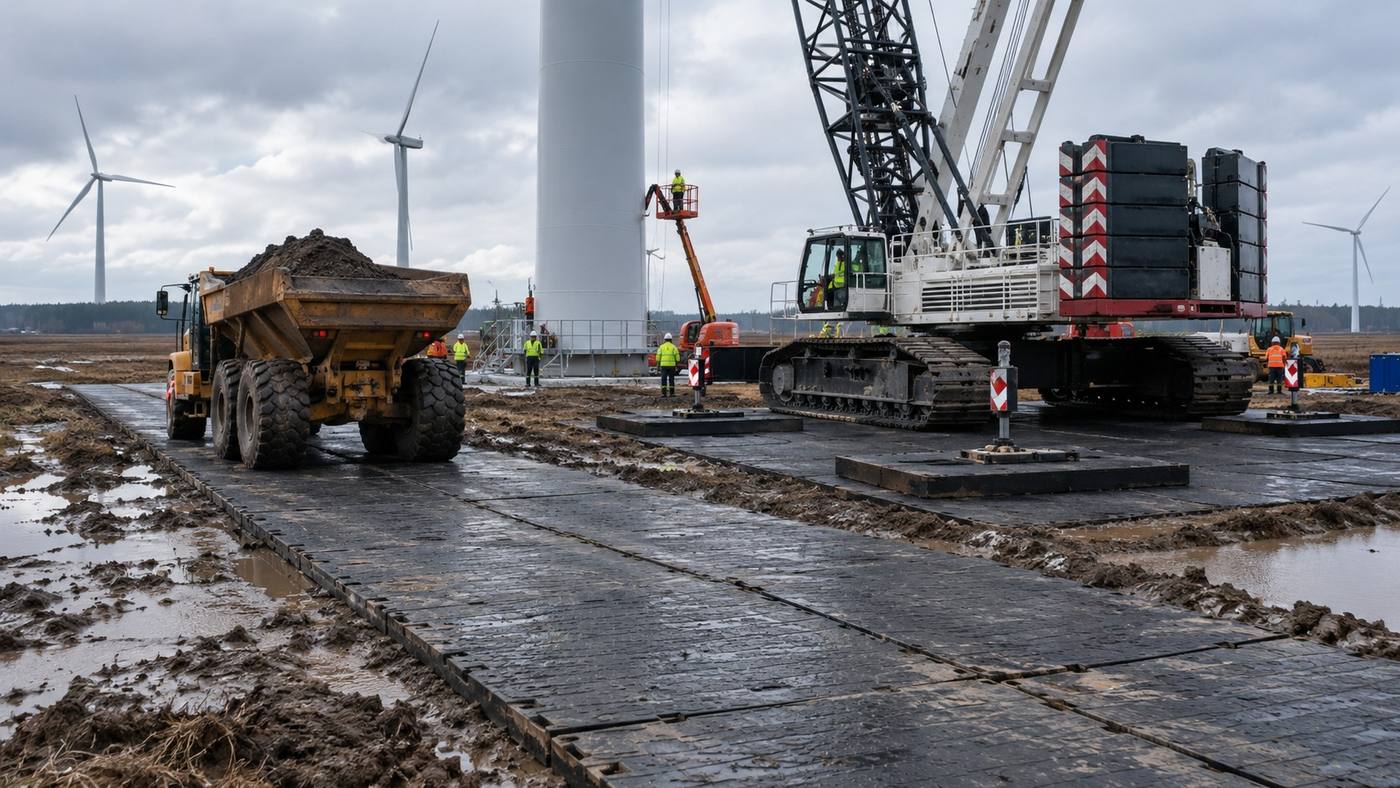
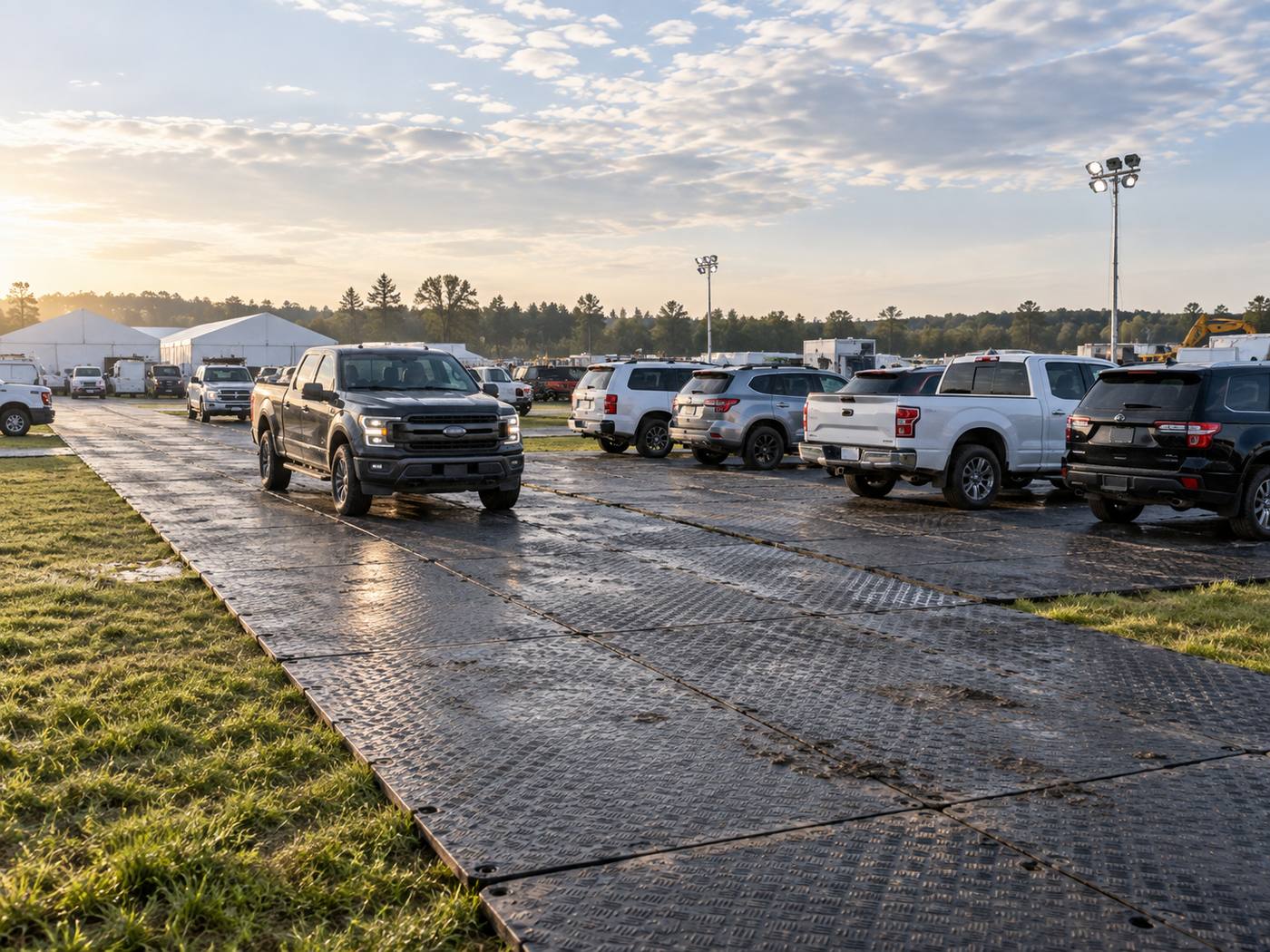
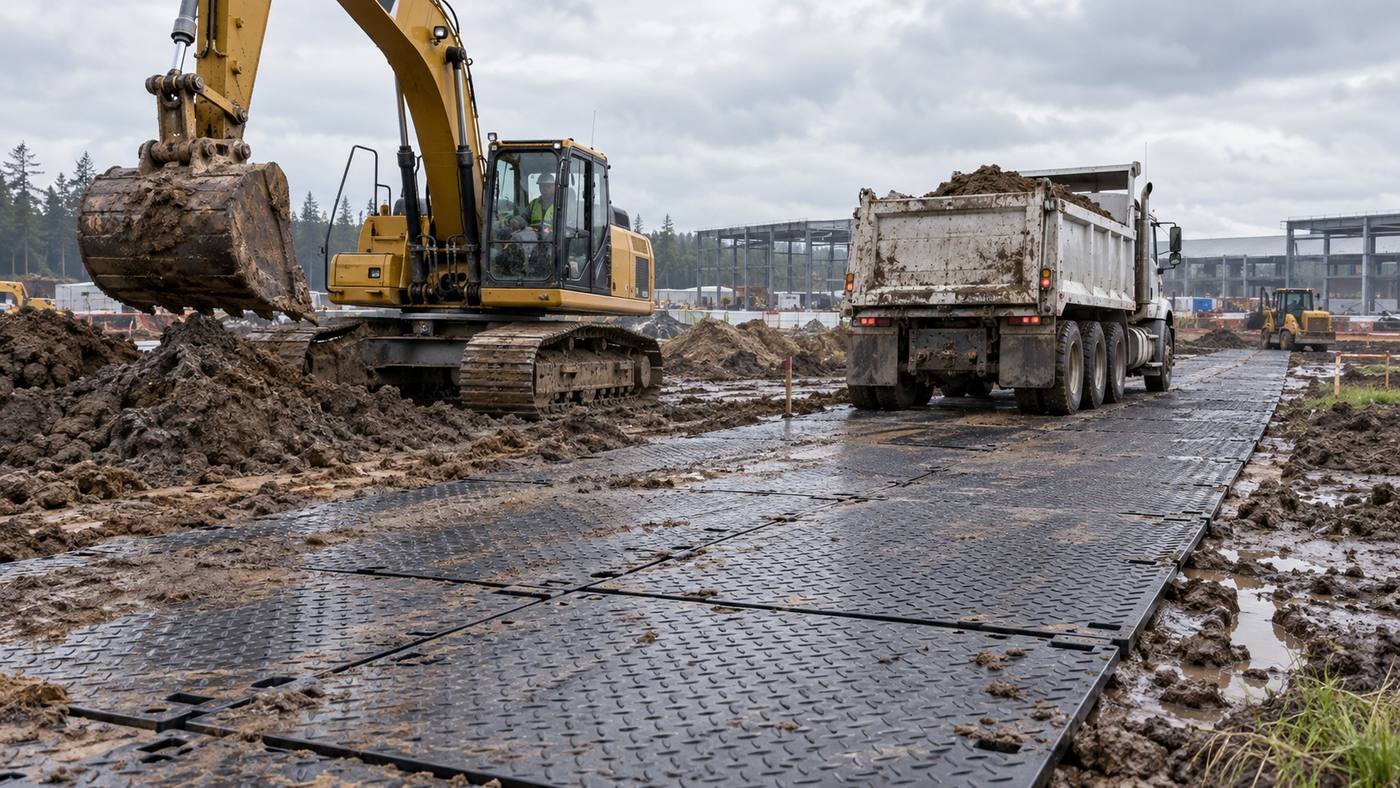
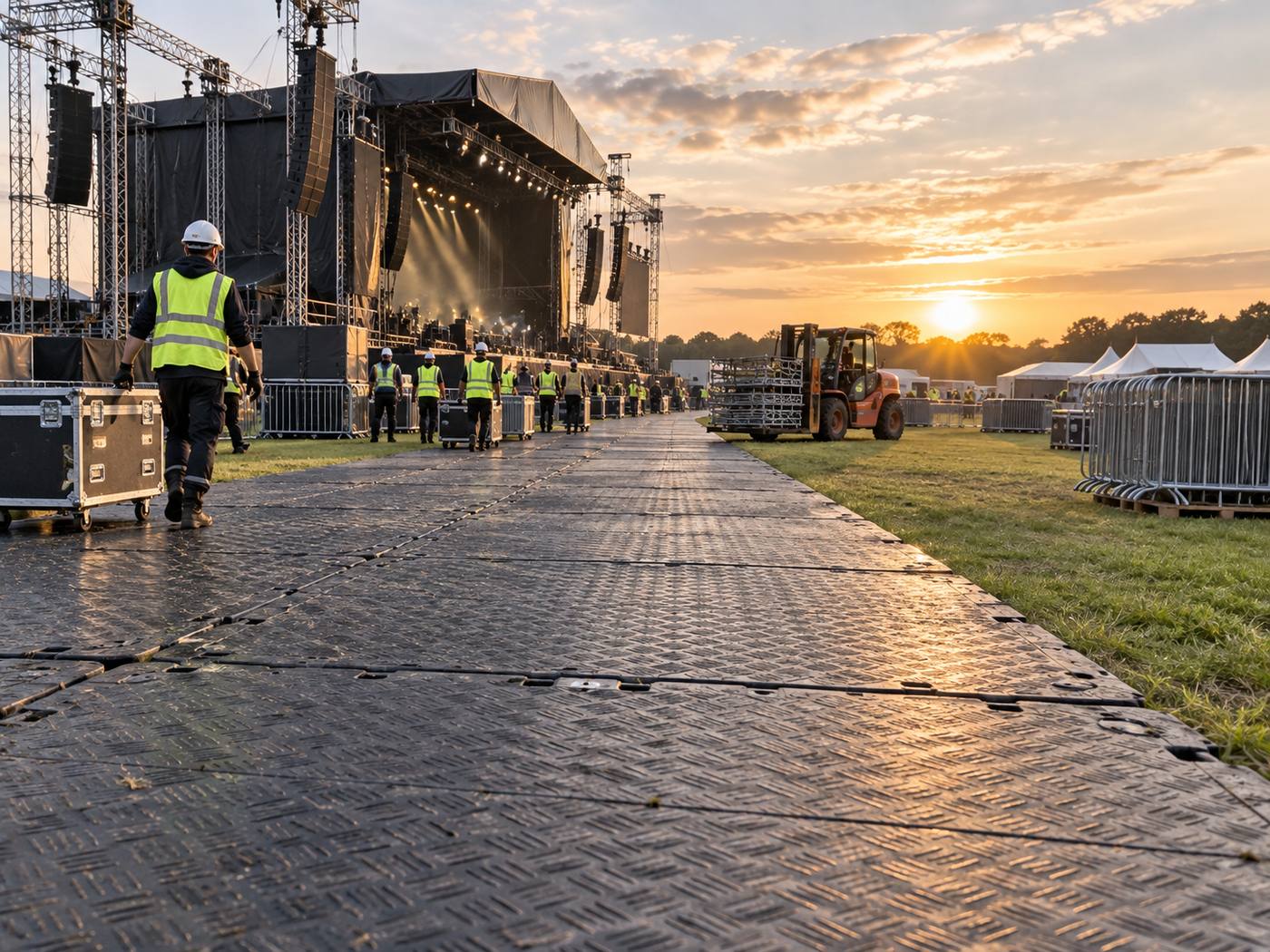
Figure: Transport, water, medical and security vehicles entering camps
In the event of a shortage of space on the ground, work cannot be done by reducing the necessary coverage or moving the equipment feeder to the road shoulder. Stations and set-up of vehicles should be reordered so that there is sufficient work space for a low-speed one-way route, a meeting point and a round-the-clock emergency route. The protection of the lawn must combine carrying, water penetration, cover time and demolition recovery. The continuity of routes is reviewed after each change in traffic organization.
During the operation period, emphasis is placed on the pre-class, post-traffic and post-rainfall examination of the colour of the grass, the water on the plate, the high suture, the sand and the concentration of human flows. It is recommended that key plates and leg pads be numbered to record dates, locations, vehicles, unusual photographs and disposal results. The use of tools that do not cut the surface of polymers in cleaning should be isolated and treated according to the manufacturer ' s standards when permanent deformations, cracks, holes torn or unreliable fixes are found.
For repeated events, annual baselines could be used for each square metre of construction hours, vehicle cycle, cleaning time and damage rate. As a result, the next offer and inventory planning no longer depend on experience, it will also be easier to identify trends in vehicle proximity to tents and limited night vision.
The conclusions can be summarized as the first confirmation of the boundary, then the layout of the pavement, followed by the inspection and validation of the project data. Formal programmes should also identify the use of restrictions, duty-bearers, decommissioning criteria and evacuation methods to avoid the loss of information as a result of shifts or changes in contractors.
Need for further evaluation of the actual project?
Applications, sizes, quantities, site photographs or drawings and delivery destinations are sent, on which we can identify more suitable products and processing programmes.