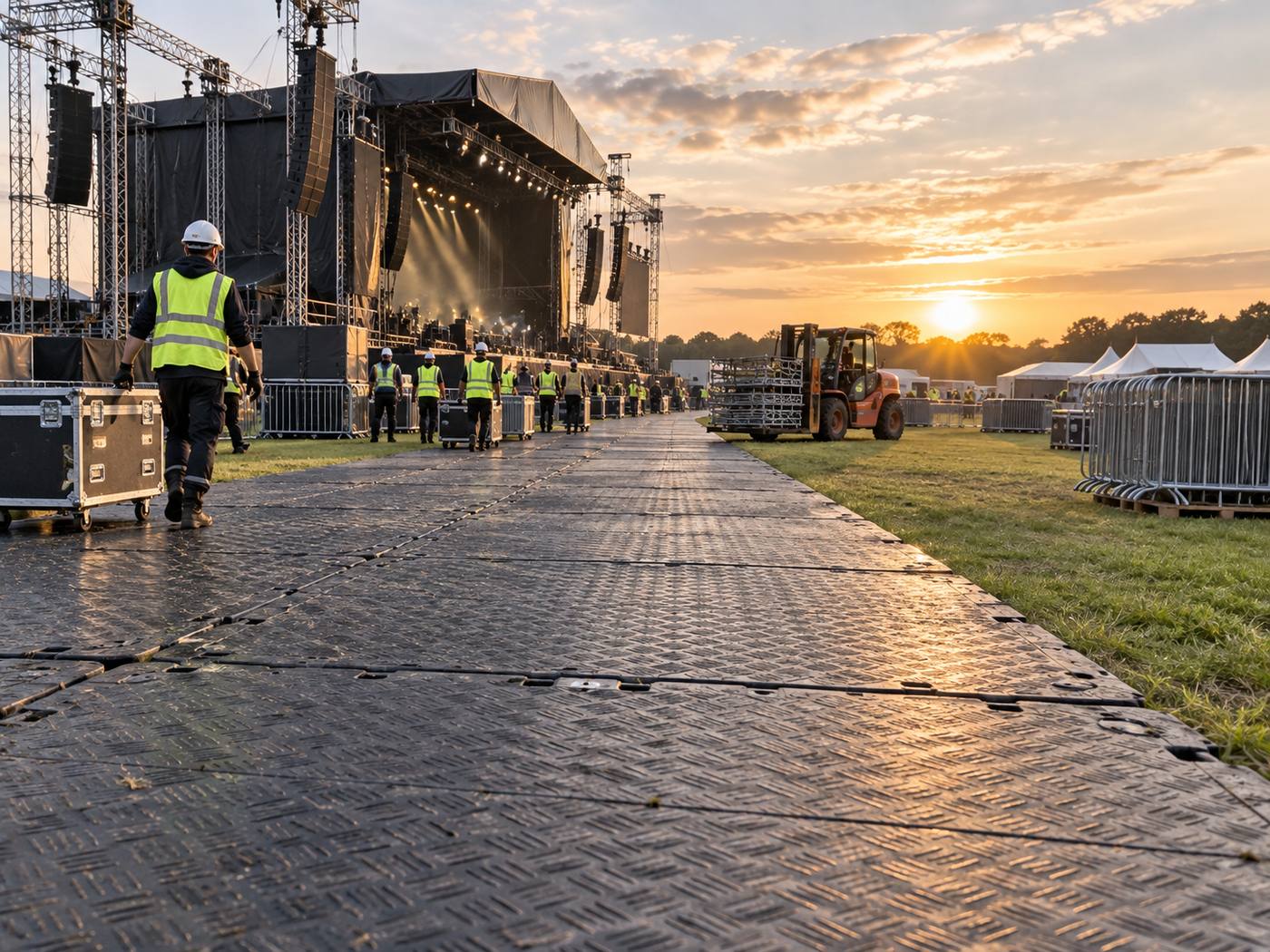
The quick recovery of the lawn at the end of the music festival is not a fixed answer from the scene. Return to the park or stadium as soon as possible after the event is completed is influenced by weather, car type, length of use and human tissue, and recovery of residual sediment, pressure and local oxygen deficiency is only a surface phenomenon. The correct approach is to identify a combination of payloads and ground conditions before identifying temporary ground systems and management measures.
Inputs can be organized by vehicle, ground, time and space columns, with emphasis on activity days, grass, irrigation, terrain, vehicle frequency, viewer traffic and weather forecasting. For the recovery of residual sediment, pressure and local oxygen deficiency effects, the more appropriate direction would be to remove the plates in the order in which the vehicle was withdrawn, clean up and remediate the site. The selection of the product cannot be based solely on thickness or price, but should also confirm connection design, edge transition, reuse, cleaning and transport requirements.
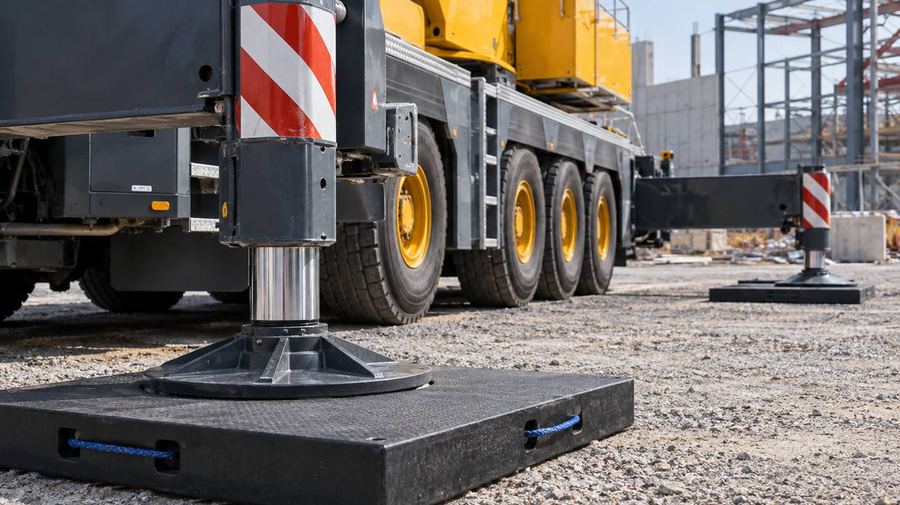
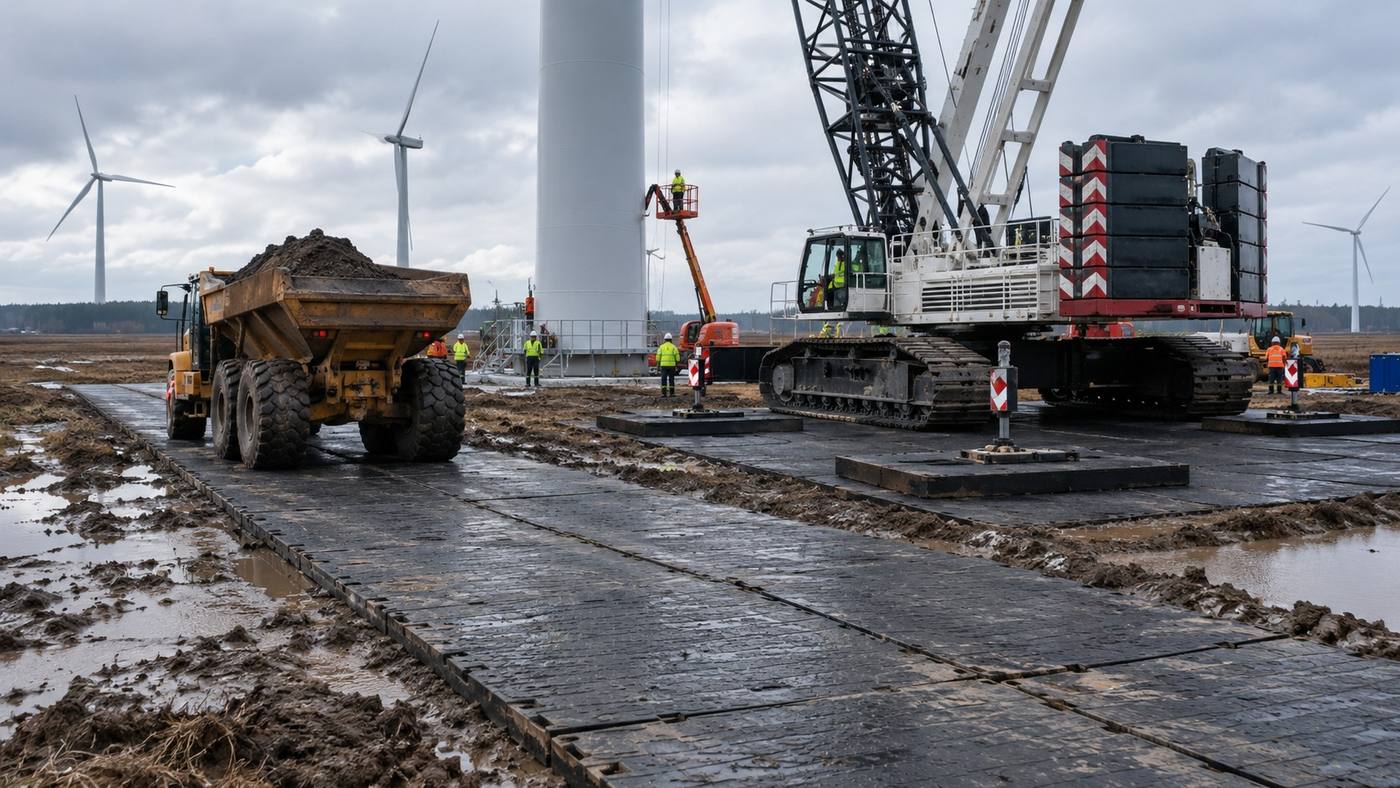
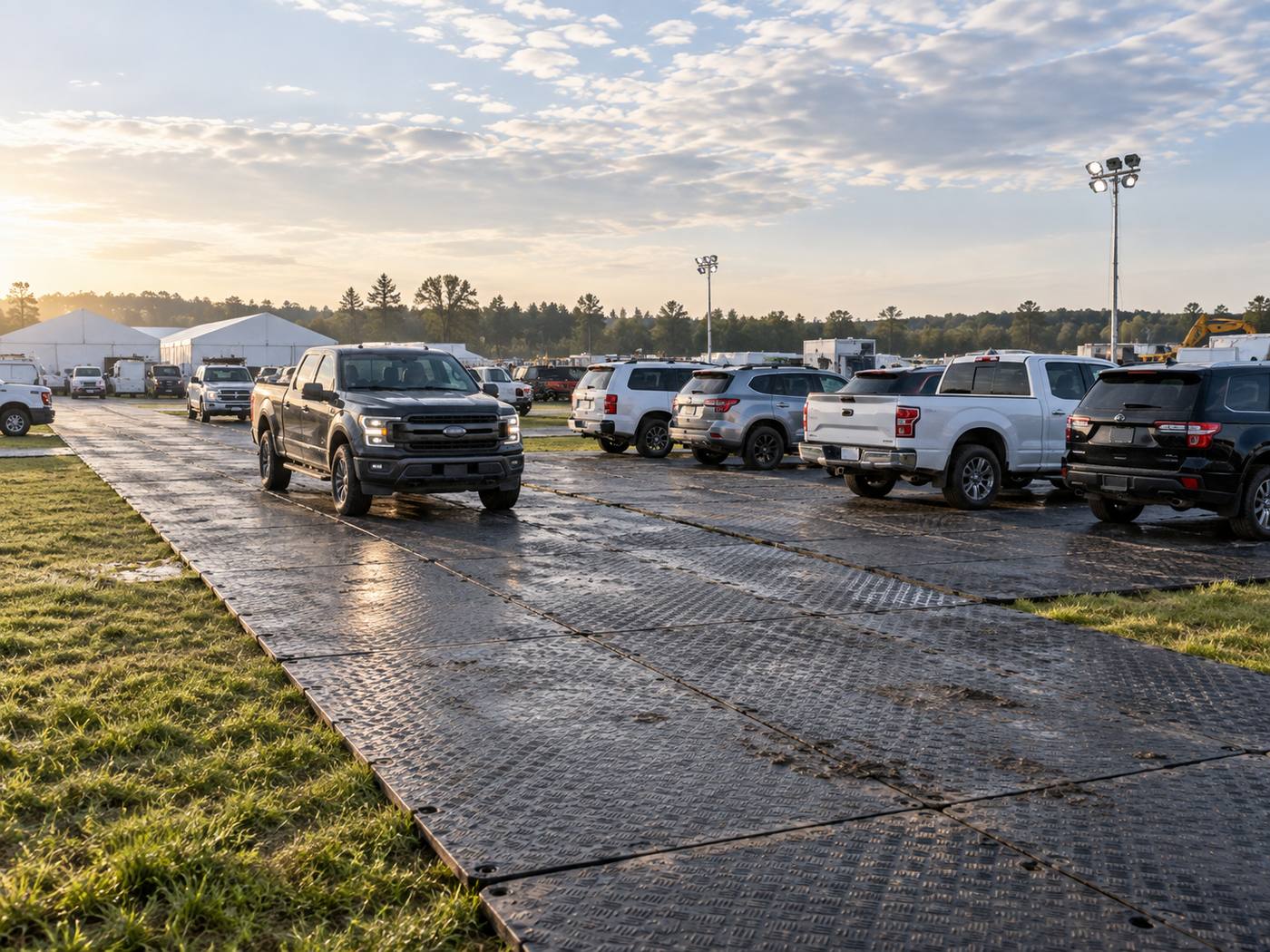
Figure: Return to a park or a stadium as soon as possible after the event is completed (inventory material for the plastic network).
A small, representative-routing of the road, covering the softest floor and the most heavy vehicles, could be selected prior to formal entry. The protection of the lawn must combine carrying, water penetration, cover time and demolition recovery. A test observation of seams, grass-roots, tyre tracks and operating space will then determine whether to expand width, increase drainage or reorient traffic.
During the operation period, emphasis is placed on the pre-class, post-traffic and post-rainfall examination of the colour of the grass, the water on the plate, the high suture, the sand and the concentration of human flows. It is recommended that key plates and leg pads be numbered to record dates, locations, vehicles, unusual photographs and disposal results. The use of tools that do not cut the surface of polymers in cleaning should be isolated and treated according to the manufacturer ' s standards when permanent deformations, cracks, holes torn or unreliable fixes are found.
For repeated events, annual baselines could be used for each square metre of construction hours, vehicle cycle, cleaning time and damage rate. As a result, the next offer and inventory planning will no longer rely on experience and it will be easier to identify trends in recovery of residual sediment, pressure and local oxygen deficiency effects.
Before a procurement release, the host, site, builder and logistics should confirm the use of the same version of data. An example of size or thickness in this paper is not an on-site commitment value, and the actual performance is affected by materials, temperature, foundation and installation, and the recommended results should indicate the assumptions and non-applicability.
Need for further evaluation of the actual project?
Applications, sizes, quantities, site photographs or drawings and delivery destinations are sent, on which we can identify more suitable products and processing programmes.