When discussing whether it would be possible to break boards by walking in the rain, a distinction should be made between the surface of the transport, the support of the equipment and the passage of persons. The vehicles are still leaving the scene and the need for simultaneous removal may involve three requirements at the same time, and the risk of a sudden disruption of cross-operations and routes resulting in an increase in the number of trapped vehicles and persons will be magnified by overloading. The division of the site into different functional areas is the first step in determining the product, thickness, width and quantity.
The “site-equipment-product-operated” cores can be used: the site and equipment column records the remaining vehicles, remove areas, clean-up conditions, load order, site acceptance and storage status, the product column specifies the size and connection, the operating column contains a closed area and a clear release order, and the demolition is prohibited by the mobile traffic. Any one still relies on speculation, which may lead to an increase in trapping and human risk at the peak of activity as a result of sudden disruptions in cross-operations and routes.
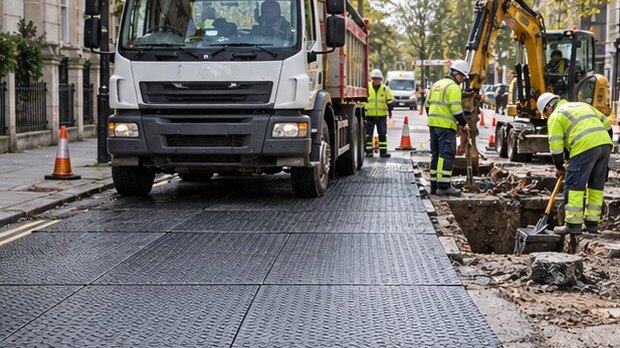
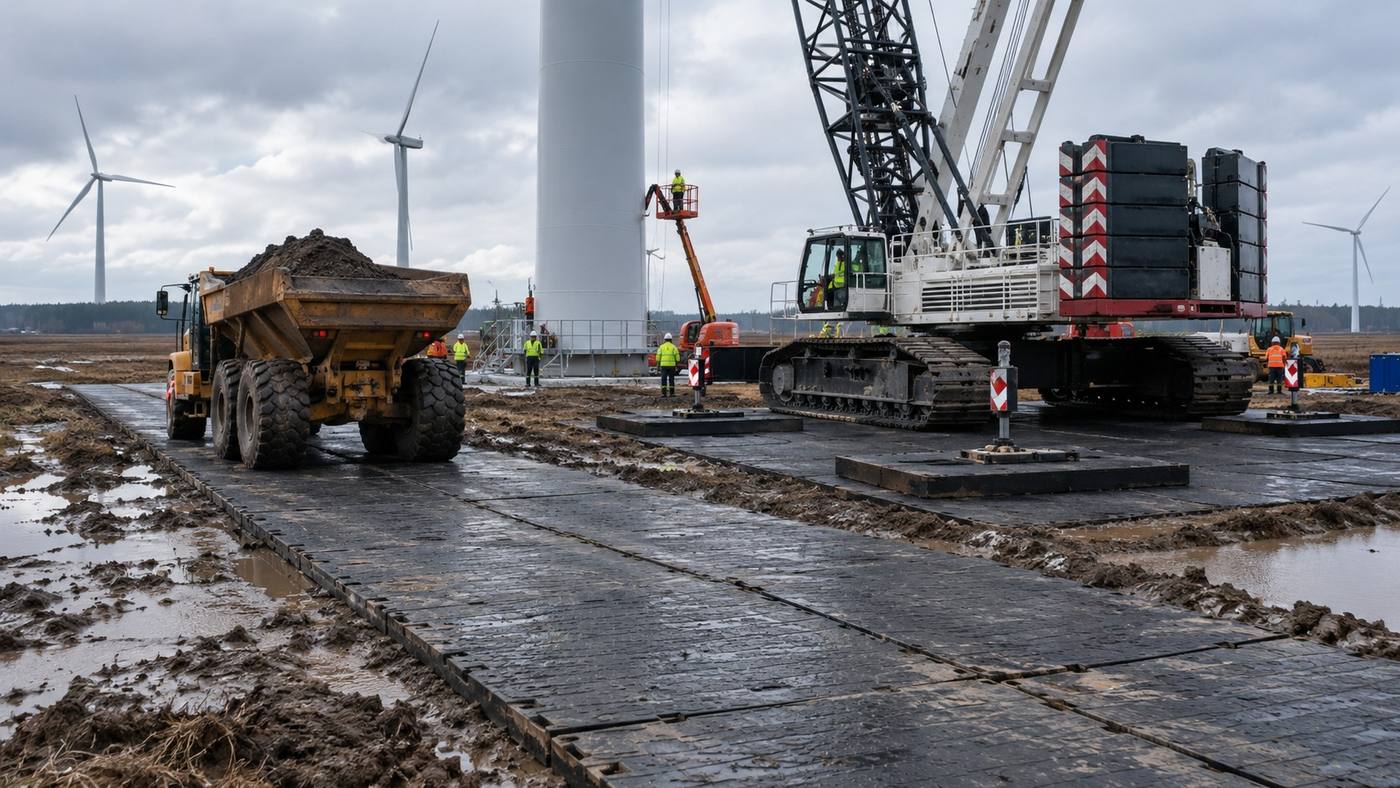
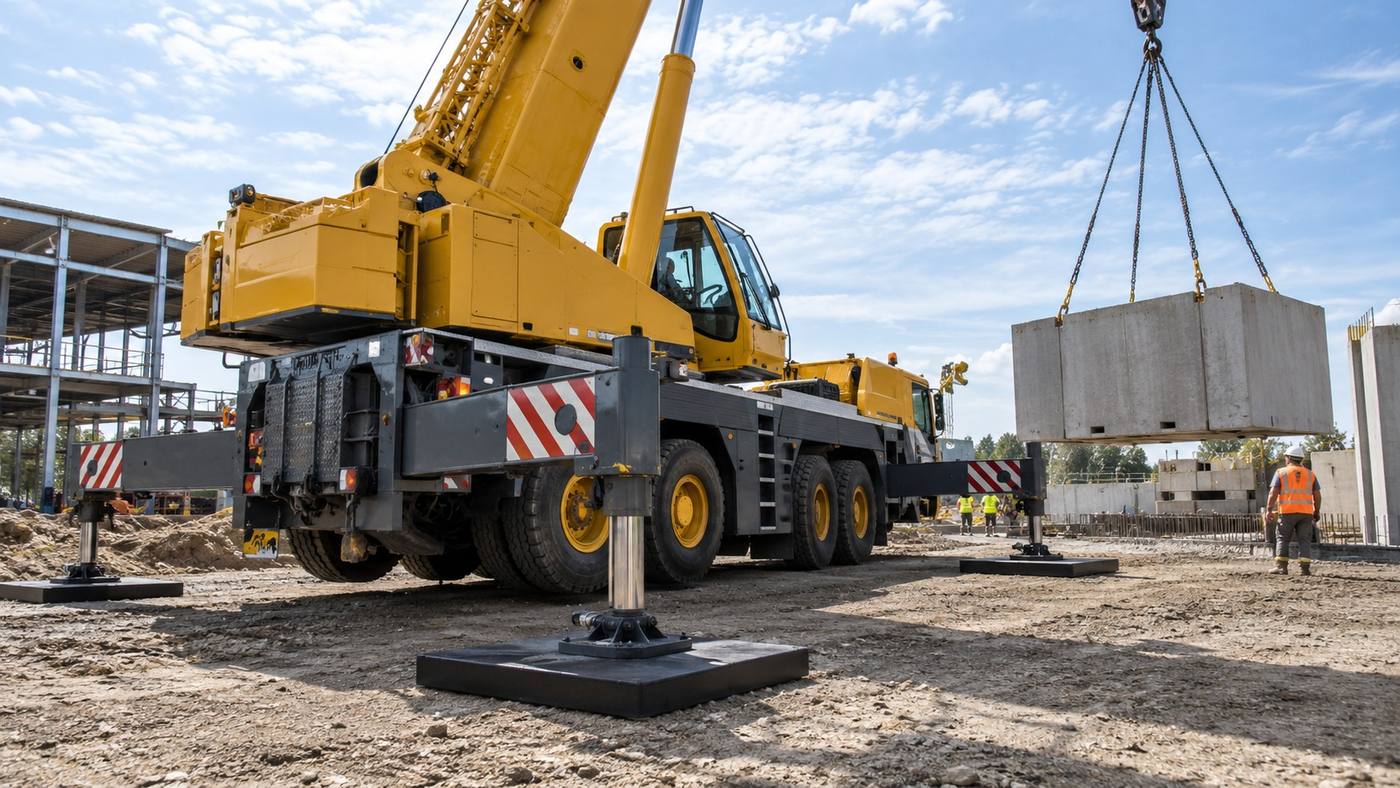
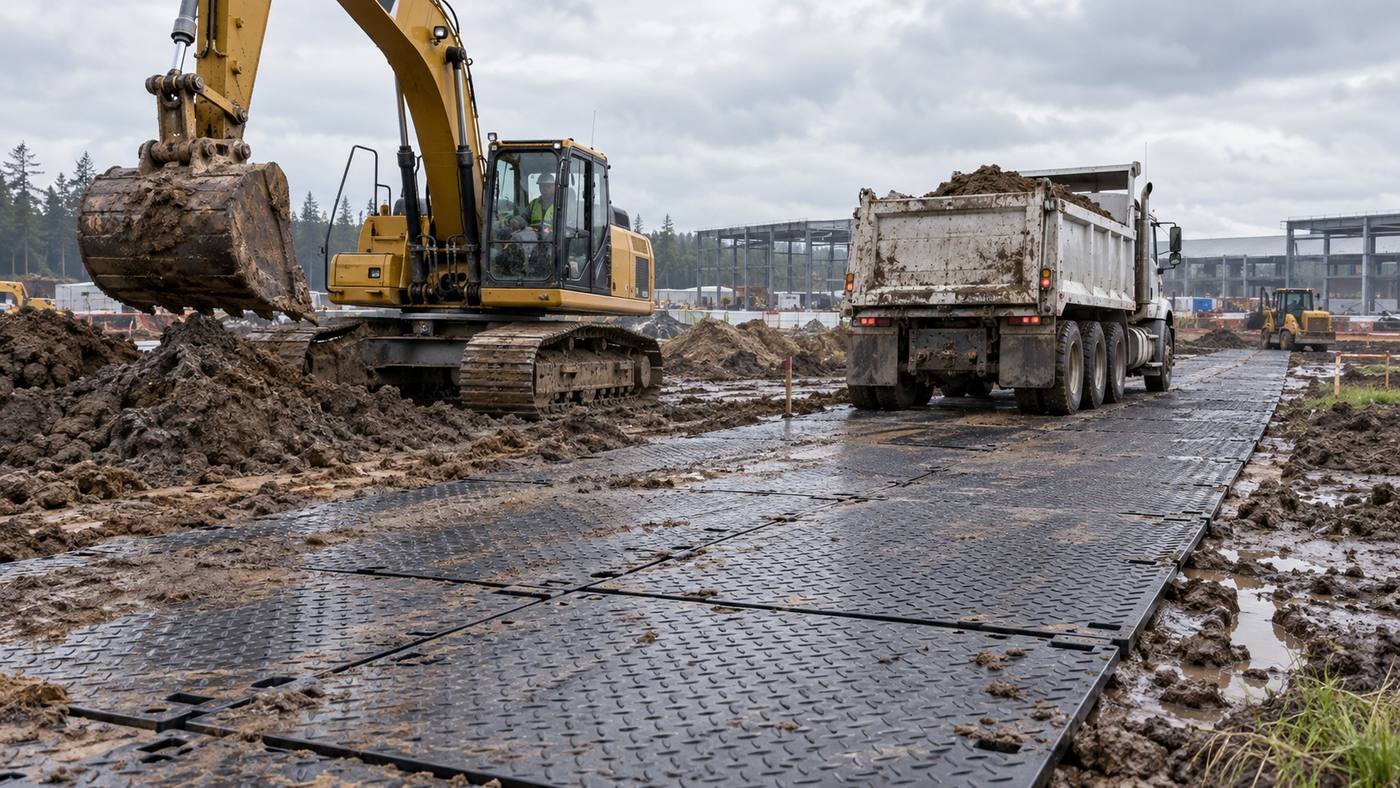
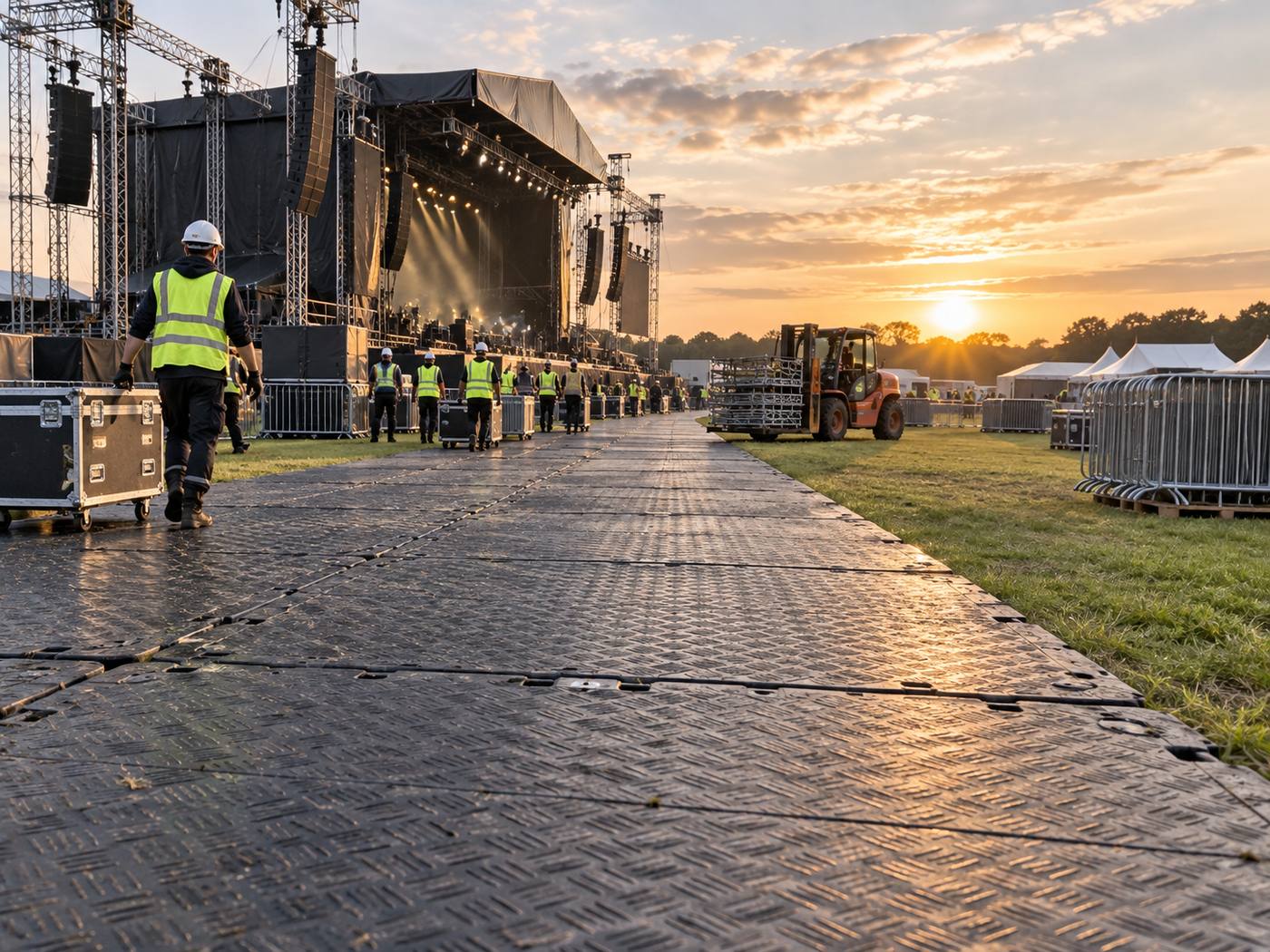
Figure: Vehicles are still leaving the scene and the work schedule requires simultaneous demolition.
The site installation should be located with the approved drawing number and, for each period completed, the levelling, stitching, edges and drainage. Quick-evacuation sites rely on reverse planning, numbering and zoning operations rather than being looted at the same time. The test operation was first conducted using a low-risk vehicle, which passed by a slow-speed straight line, and then the turnover, parking and full load were gradually validated; it was discovered that the sub-platform continued to sink or the branch position was immediately disabled.
The inspection cannot be “normal” only. It should be identified on a case-by-case basis around plate numbers, injuries, contamination, lawn mosaic marks, pallets and delivery records, and the anomalies should be classified into three levels of observation, restriction and decommissioning. Repeated cross-operations and abrupt disruptions of routes in the same region increase the risk of trapped vehicles and people, requiring a return to drainage, grass-roots, transportation or re-analysing of specifications, rather than constantly replacing surface components.
Before expanding the application, it was recommended that a common review of operations, build-up, HSE, site and procurement be undertaken. The conditions for movement, inspection, site protection and delivery are identified by each party, which can test whether the imposition of a closed zone and a clear release sequence prohibiting the looting of vehicles by the movement stream is truly enforceable.
If the conditions on the ground are different from the assumptions in this paper, the application of the conclusions should be suspended and reassessed. Stations for suspension, temporary parking, viewer access and rainy operations are subject to local rules, equipment manuals and statutory requirements. The supplier can assist in matching the product, but the final placement and release is approved by the responsible party for the project.
Need for further evaluation of the actual project?
Applications, sizes, quantities, site photographs or drawings and delivery destinations are sent, on which we can identify more suitable products and processing programmes.