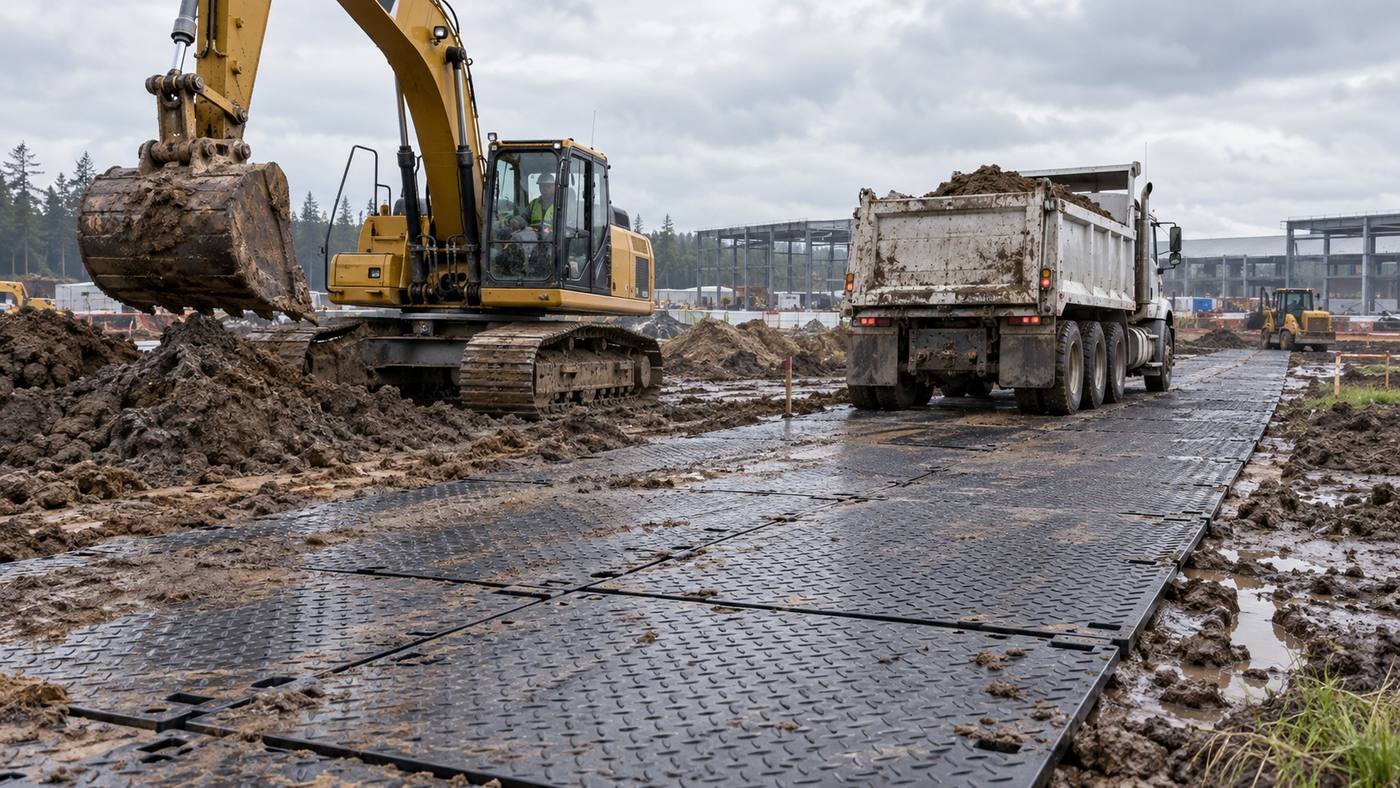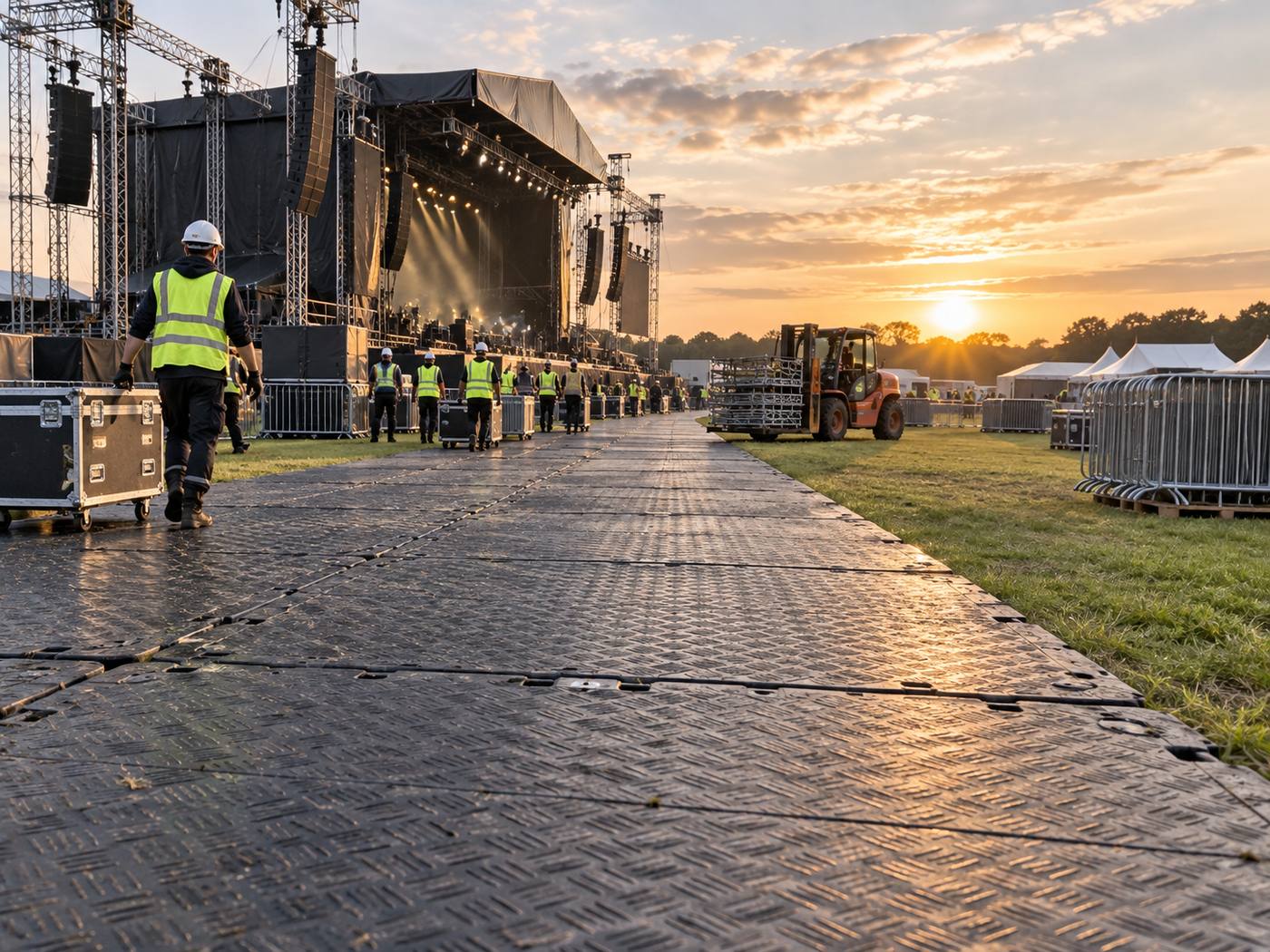
To address how leasing companies can reduce the rate of loss of pavements, there is no need to use “tons of load” as the only criterion. The spread of large sites and the simultaneous removal of tyres by multiple contractors can change the outcome, especially when unnumbered plates are easily lost or mixed into other people ' s stocks, which may well exceed average local loads.
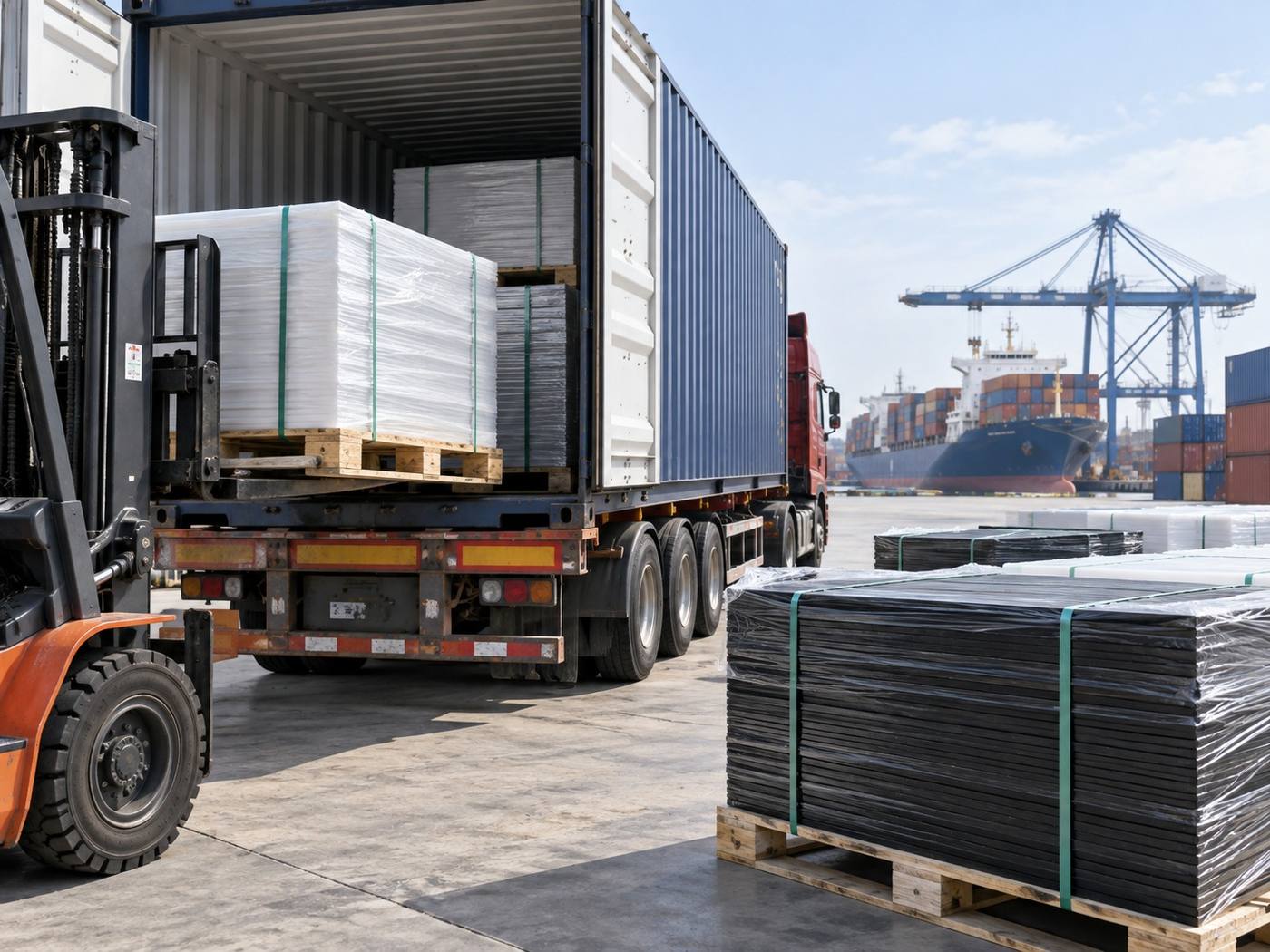
The key to this topic is not to choose the thickest, but to establish a match. (b) The identification and control of the work, based on the project area, vehicle data, inventory specifications, swing cycle, wear and tear rate, transport and destination port, followed by a four-stage tracking of the pavement and stubs through the implementation of the plate number, area, pallet and sign-off. If products need to be moved more frequently, manual weights, posts, stacking and cleaning should also be added to the total cost.
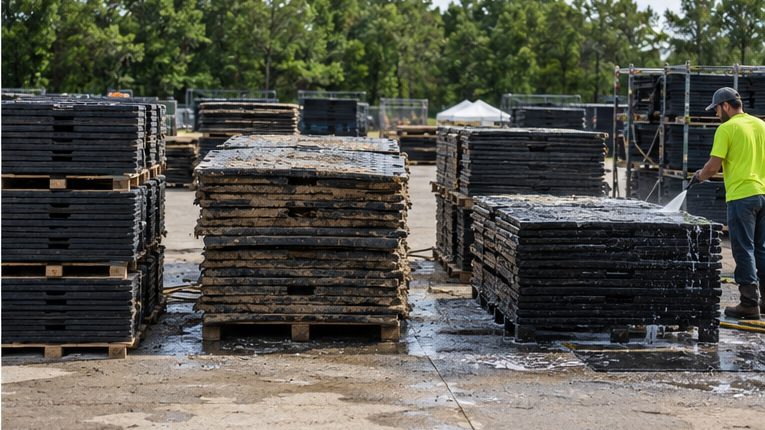
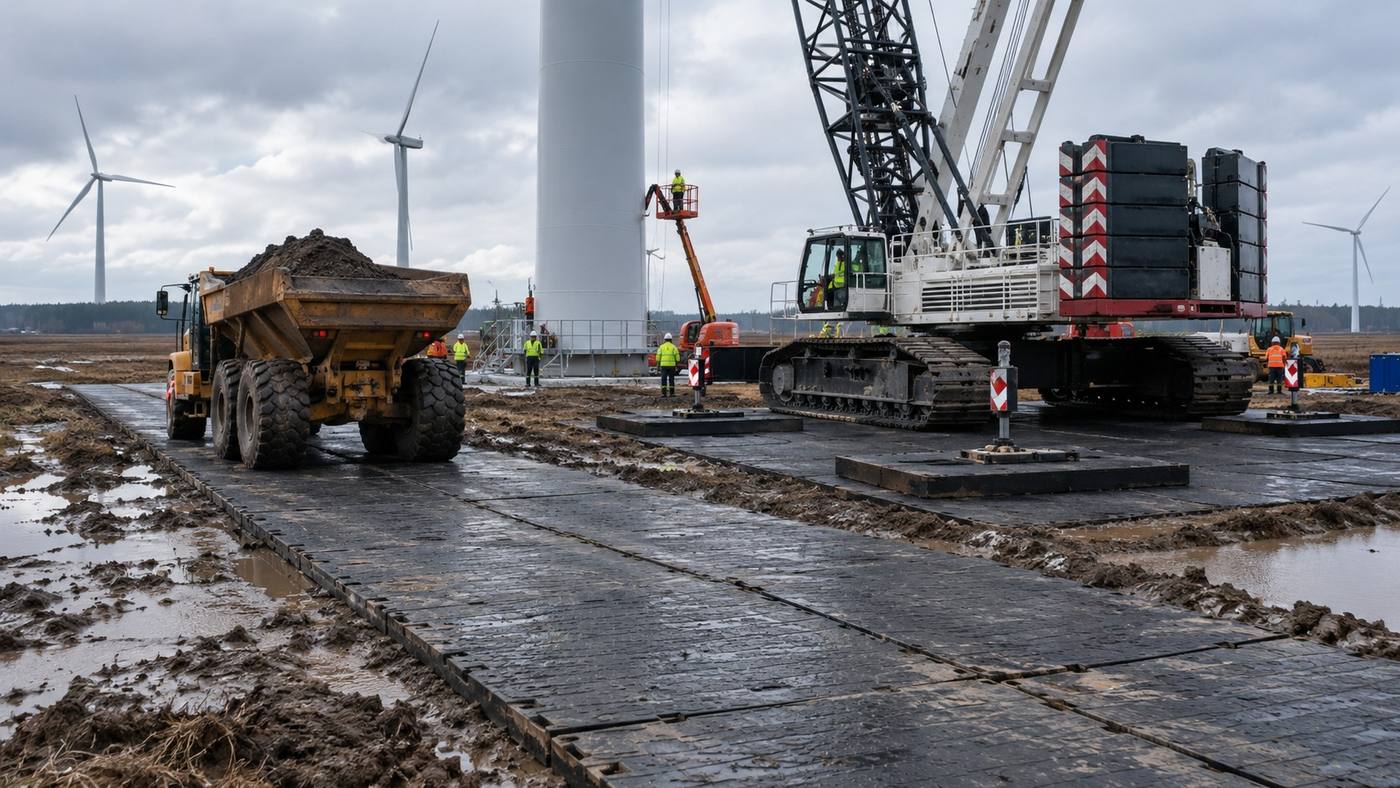
Figure: Large and scattered sites with multiple contractors moving away
In the event of a shortage of space on the ground, work cannot be done by reducing the necessary coverage or moving the equipment feeder to the road shoulder. Stations and set-up of vehicles should be reordered to allow a level-IV tracking of board, area, pallet and sign-in to have sufficient work space. Leases and procurement offers must be based on the same working conditions and full cost boundary. The continuity of routes is reviewed after each change in traffic organization.
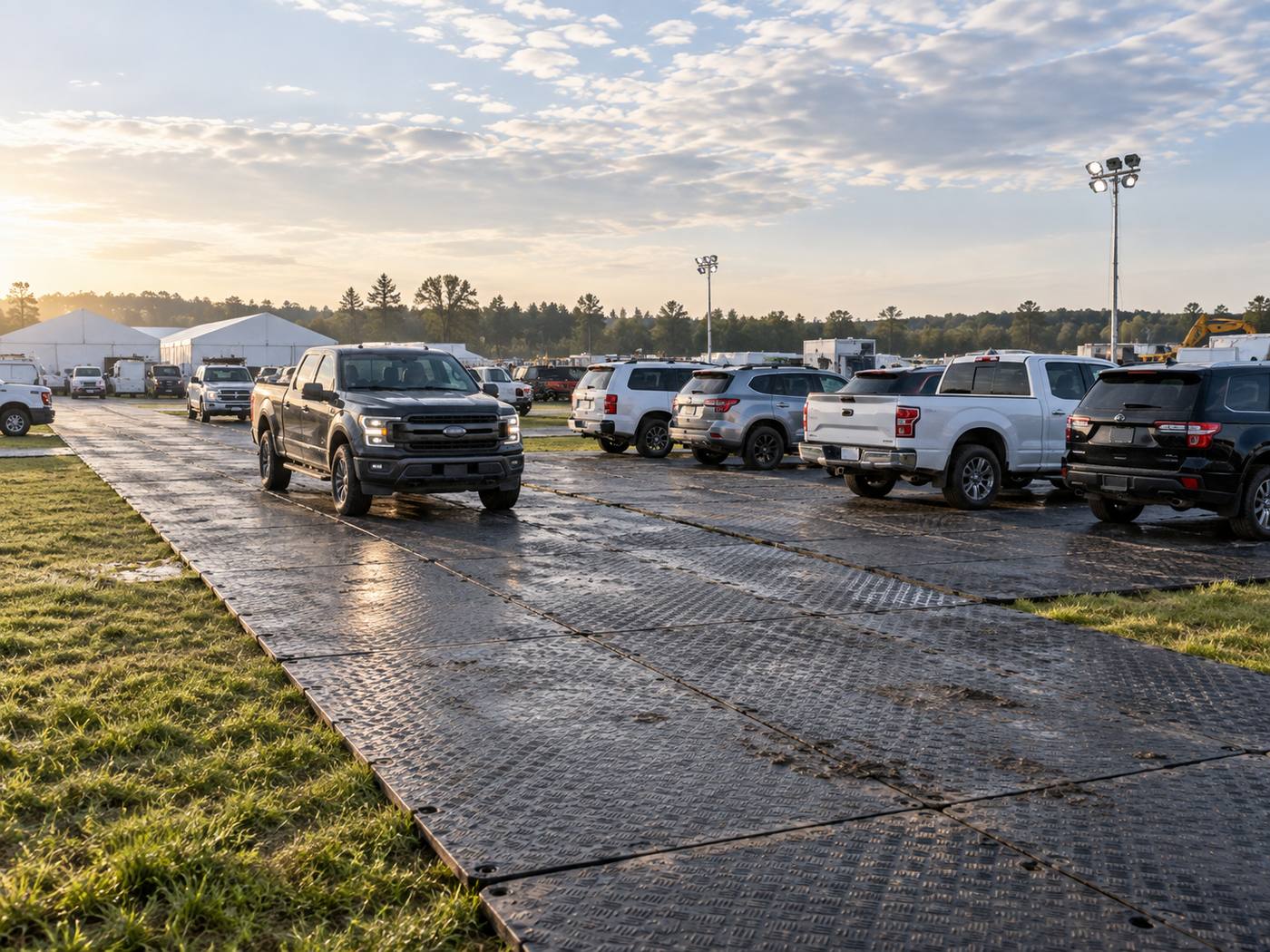
Maintenance of the open-ended period of the event should avoid the peaks of the audience as far as possible, but urgent deficiencies cannot be delayed. Covering, repair, re-checking and release processes around utilization, maintenance, missing, number of containers, packaging and acceptance. Any problem of unconfirmable support or connection should first be disabled.
The quotations for the different products should be compared under the same size, material, connection, packaging, delivery and test basis. Supplementary information should be requested if the supplier gives the maximum carrying figures without indicating ground and test conditions. The event scene requires more attention to reuse, removal and quick evacuation than to single laboratory indicators.
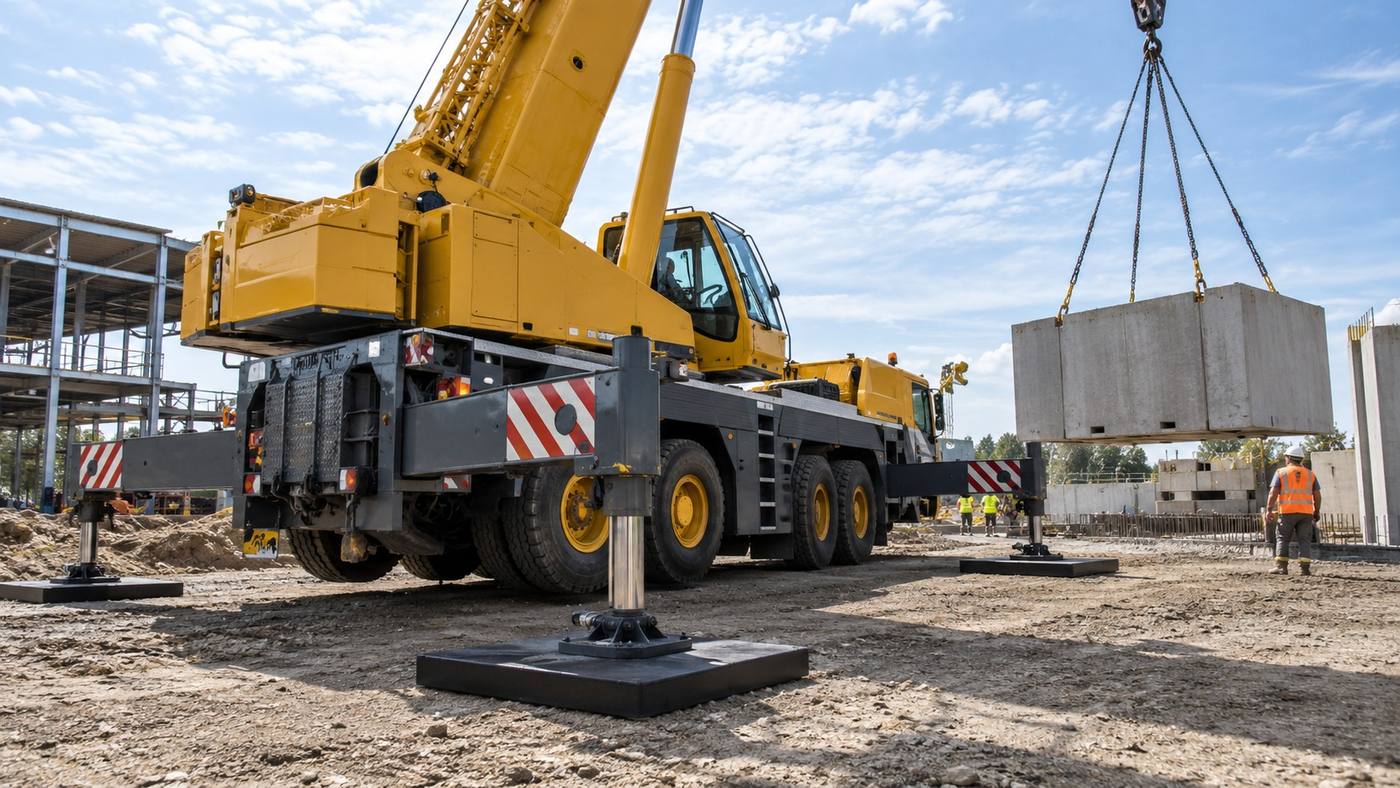
The conclusions can be summarized as the first confirmation of the boundary, followed by the configuration of pavements and leg pads, followed by inspection and validation of project data. Formal programmes should also identify the use of restrictions, duty-bearers, decommissioning criteria and evacuation methods to avoid the loss of information as a result of shifts or changes in contractors.
Need for further evaluation of the actual project?
Applications, sizes, quantities, site photographs or drawings and delivery destinations are sent, on which we can identify more suitable products and processing programmes.