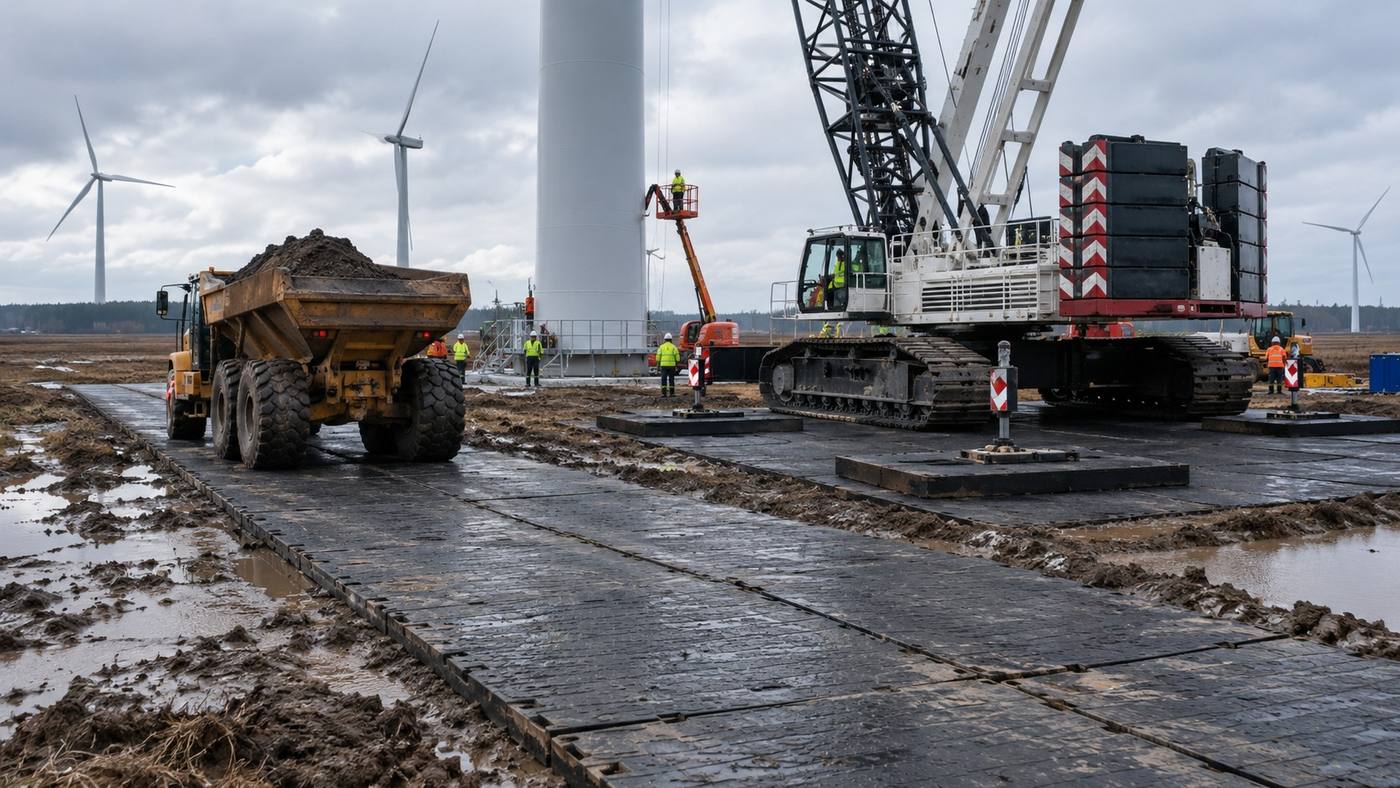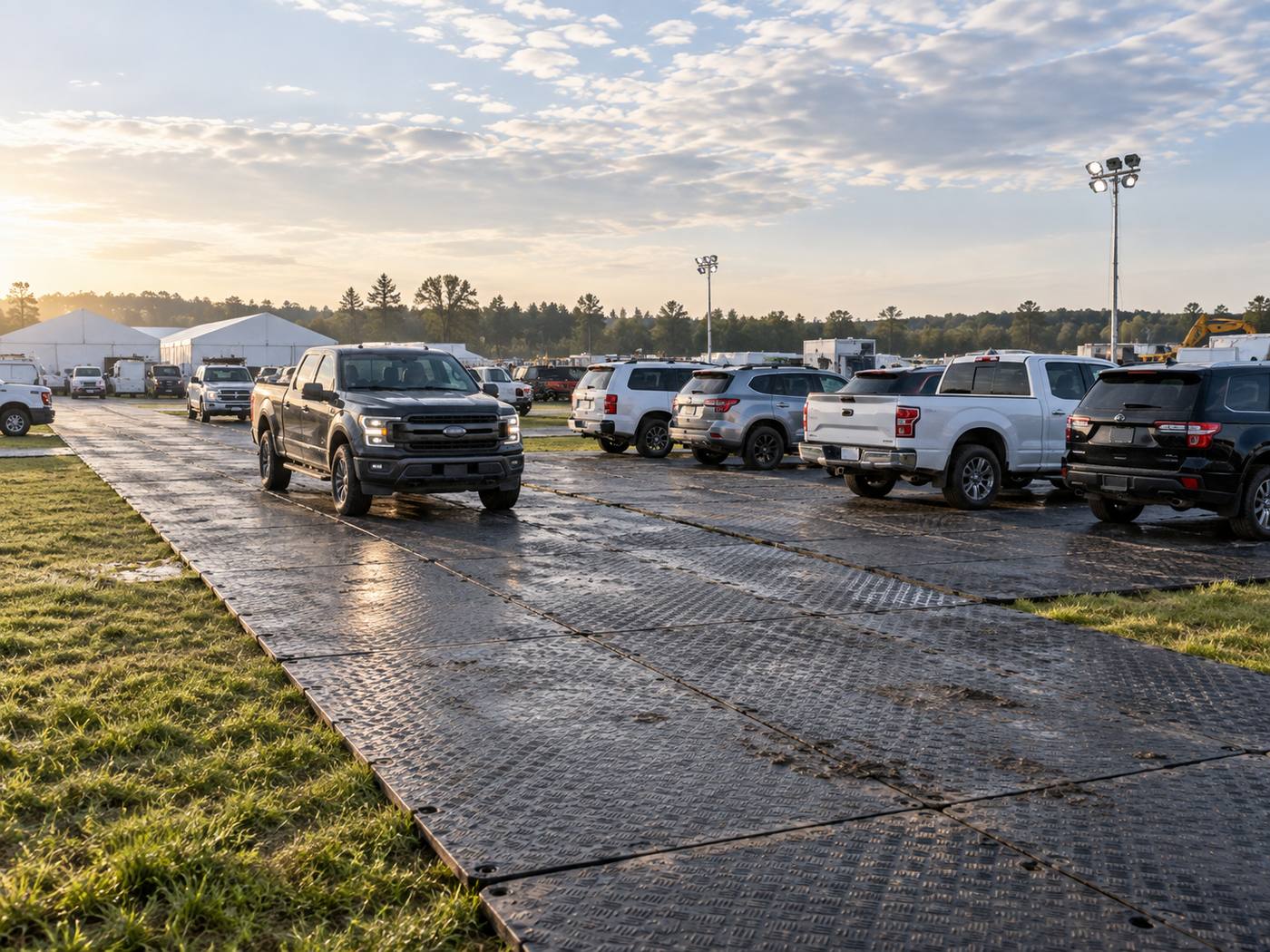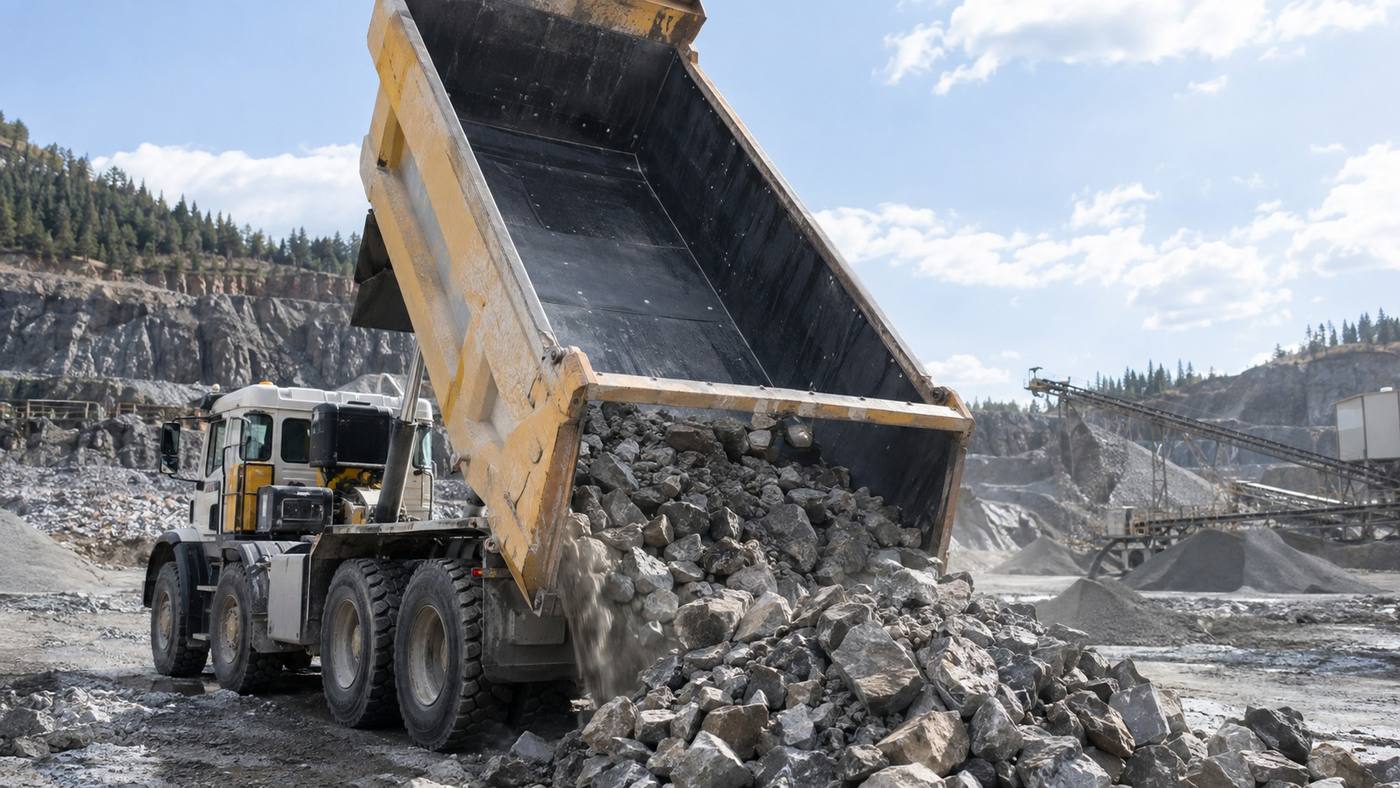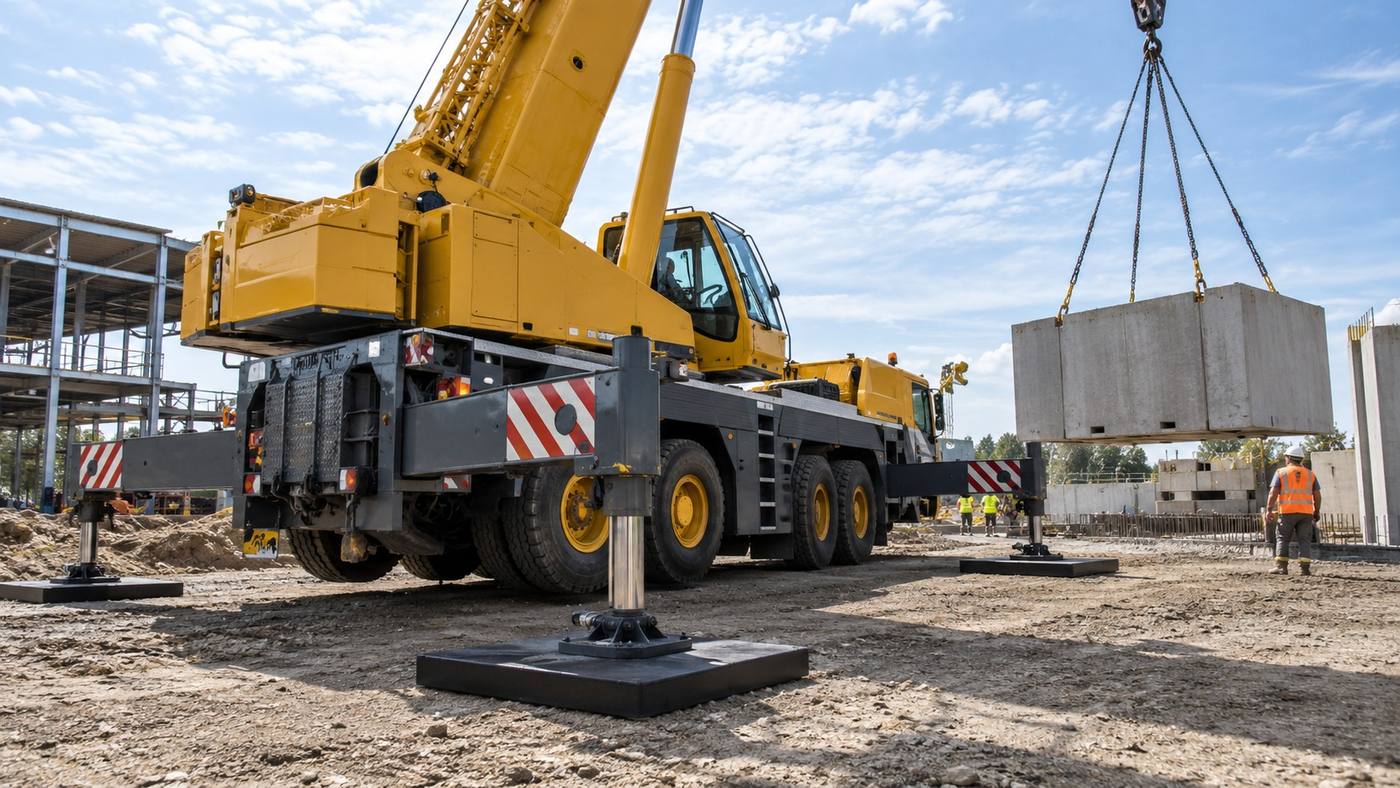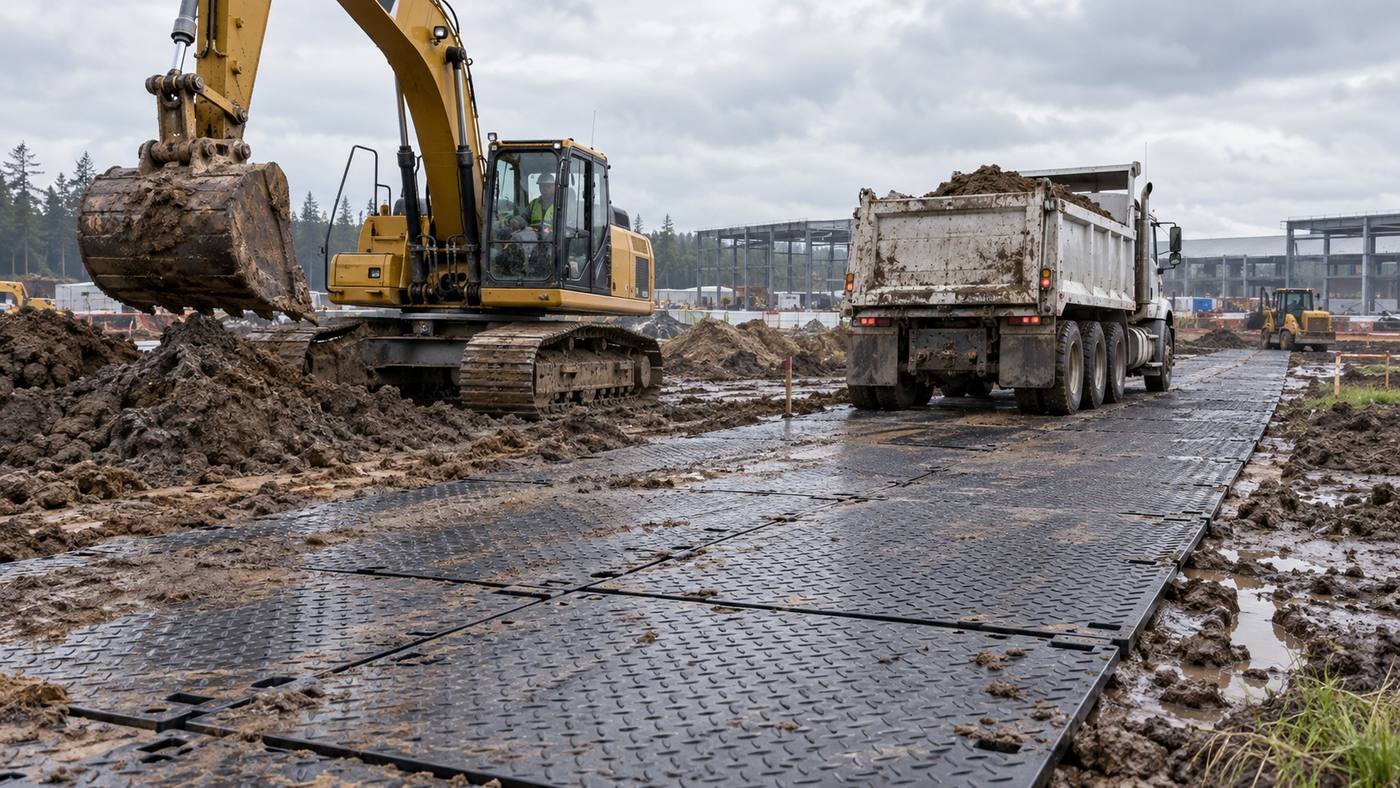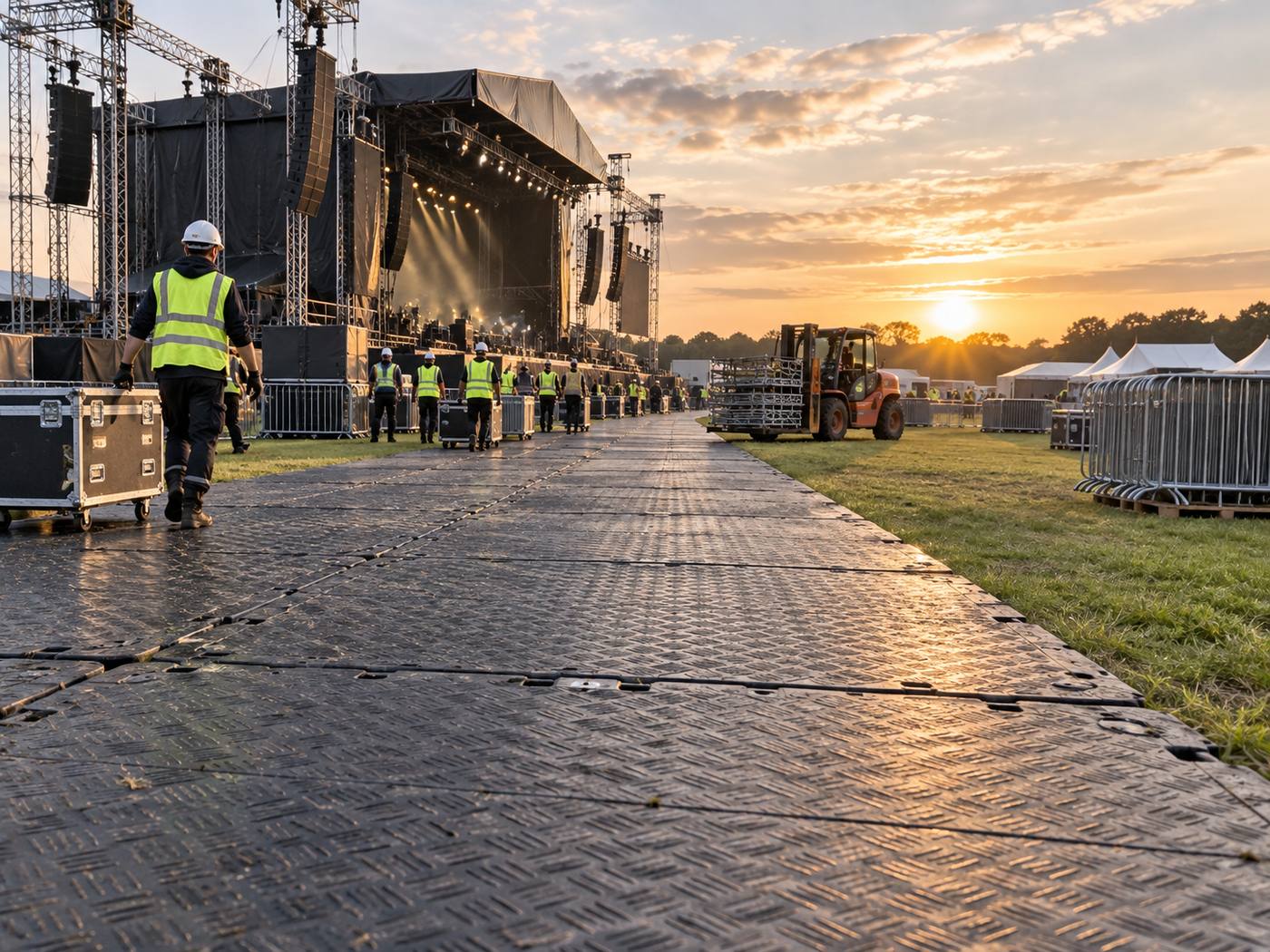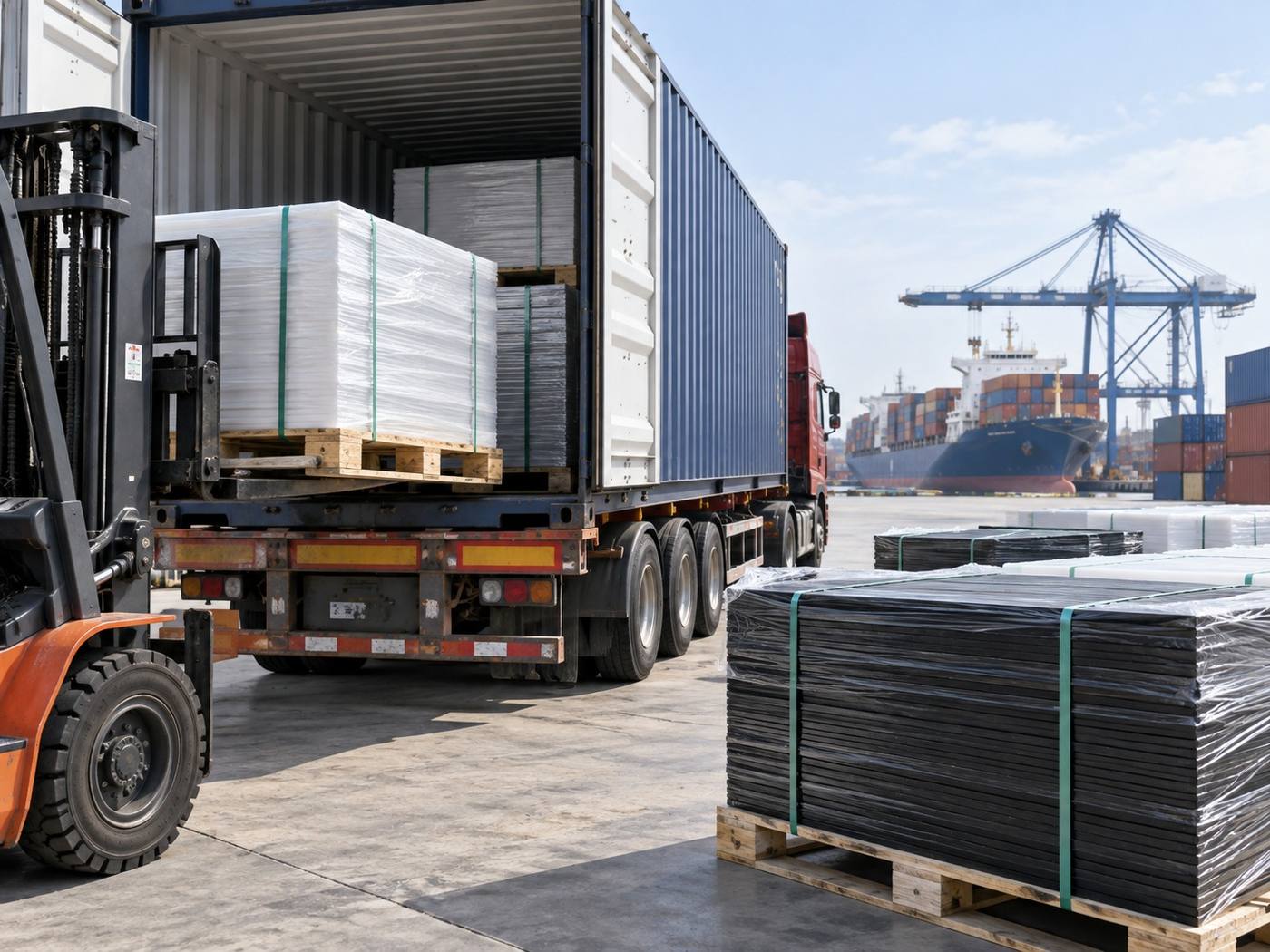
In the condition that the ground-based state was changed by rainfall during the suspension period, the legs of the stage crane needed to be re-examined after the heavy rains. The effects of vehicular entry, low-speed rotation, parking, loading and unloading and departure are different, and the existing leg pad area may not be able to compensate for the fall in loads, often only at one point or another. It would be more reliable to record the timing and movements of anomalies before choosing the pavement or leg pads, as opposed to a space-only offer.
The procurement staff should provide rainfall, drainage direction, soil water content, soft spot depth, vehicle load and recovery time frames together with site photographs, and indicate areas of existing leg pads that may not make up for the drop in the load. The programme could start with a check-out and re-confirmation of the foundation and feed points by qualified personnel, requiring the supplier to indicate the plate number of the material, the grade of the finished product, the basis of the test, the conditions of limitation and the boundary of quality assurance.
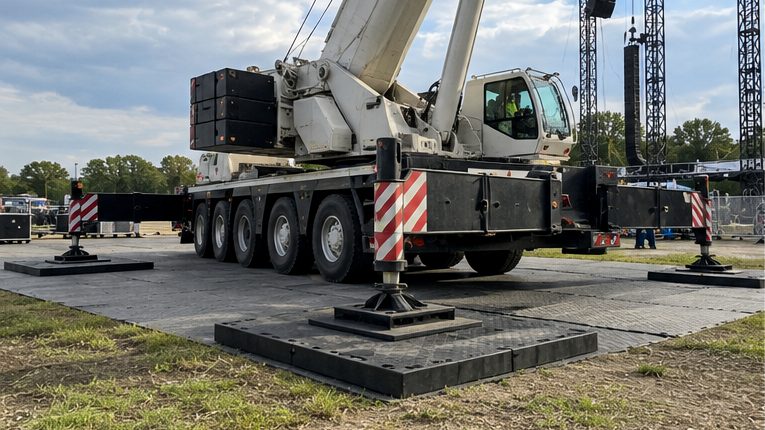
Figure: Change in ground-based status due to rainfall during suspension
The construction organization is as important as the product specifications. Operators shall use means of transport suitable for a single mass, and the vehicle shall be directed by a commander and shall not be braked, wheeled or pressed. The pavement is a temporary layer and cannot be a substitute for drainage and substandard grass-roots treatment. Prior to the opening of public areas, access transitions, trip risks and fence segregation are also checked.
During the operation of the activity, emphasis is placed on pre-class, post-trip and post-rainfall inspection of water catchments, pumping mud, sinking, edges, connectors and road shoulders. It is recommended that key plates and leg pads be numbered to record dates, locations, vehicles, unusual photographs and disposal results. The use of tools that do not cut the surface of polymers in cleaning should be isolated and treated according to the manufacturer ' s standards when permanent deformations, cracks, holes torn or unreliable fixes are found.
For repeated events, annual baselines could be used for each square metre of construction hours, vehicle cycle, cleaning time and damage rate. This would make the next offer and inventory planning less empirical and would make it easier to identify areas of existing leg pads that might not be able to compensate for the declining load.
The conclusions can be summarized as the first confirmation of the boundary, then the layout of the pavement, followed by the inspection and validation of the project data. Formal programmes should also identify the use of restrictions, duty-bearers, decommissioning criteria and evacuation methods to avoid the loss of information as a result of shifts or changes in contractors.
Need for further evaluation of the actual project?
Applications, sizes, quantities, site photographs or drawings and delivery destinations are sent, on which we can identify more suitable products and processing programmes.