The only criterion for solving the problem of how to avoid being caught in a car in the rain is not to rush to use “tons of weight”. The low-speed turn of the bus on the moist grasslands and the low-teaming of tyres in the queues change the outcome, particularly when wheel-sliding can quickly destroy the ground floor and possibly the local payload is much above average.
In order to reduce temporary changes, the project should submit, on a one-time basis, parking volumes, vehicle types, access peaks, ground loads, accessibility requirements and evacuation programmes, together with a schedule of activities and exit windows. Vendors are required to set up continuous routes ahead of schedule and to reduce the number of short, hard, hard and long-term stopovers to give product maps, individual weights, packaging and assumptions; the projecter is responsible for confirming the route, base level and use permits.
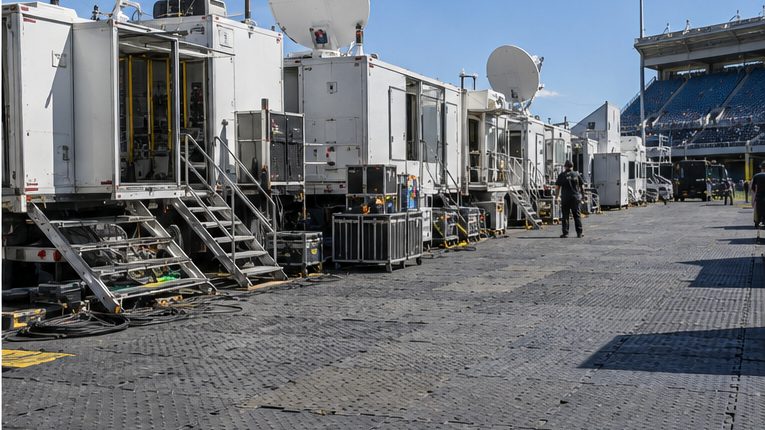
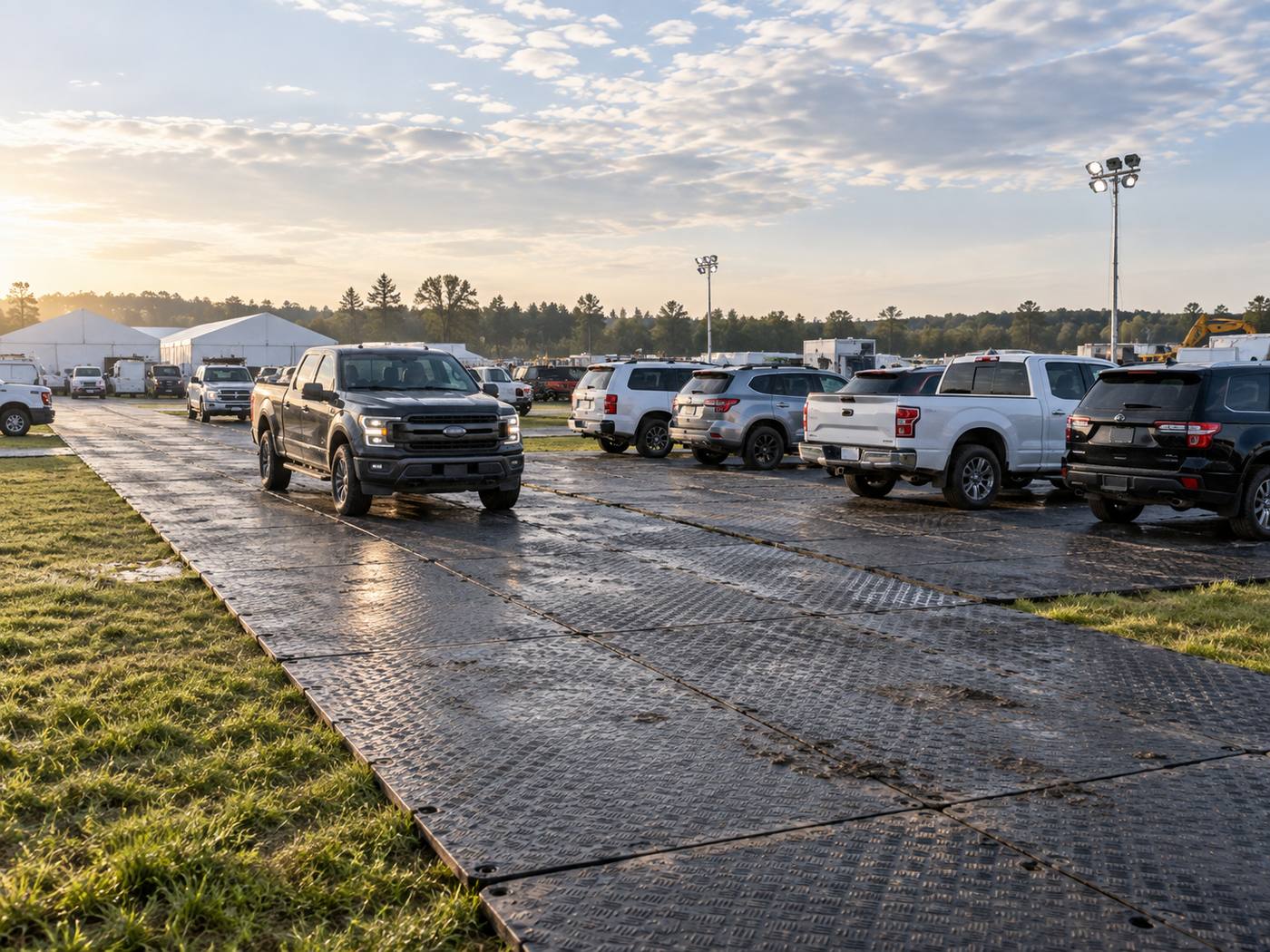
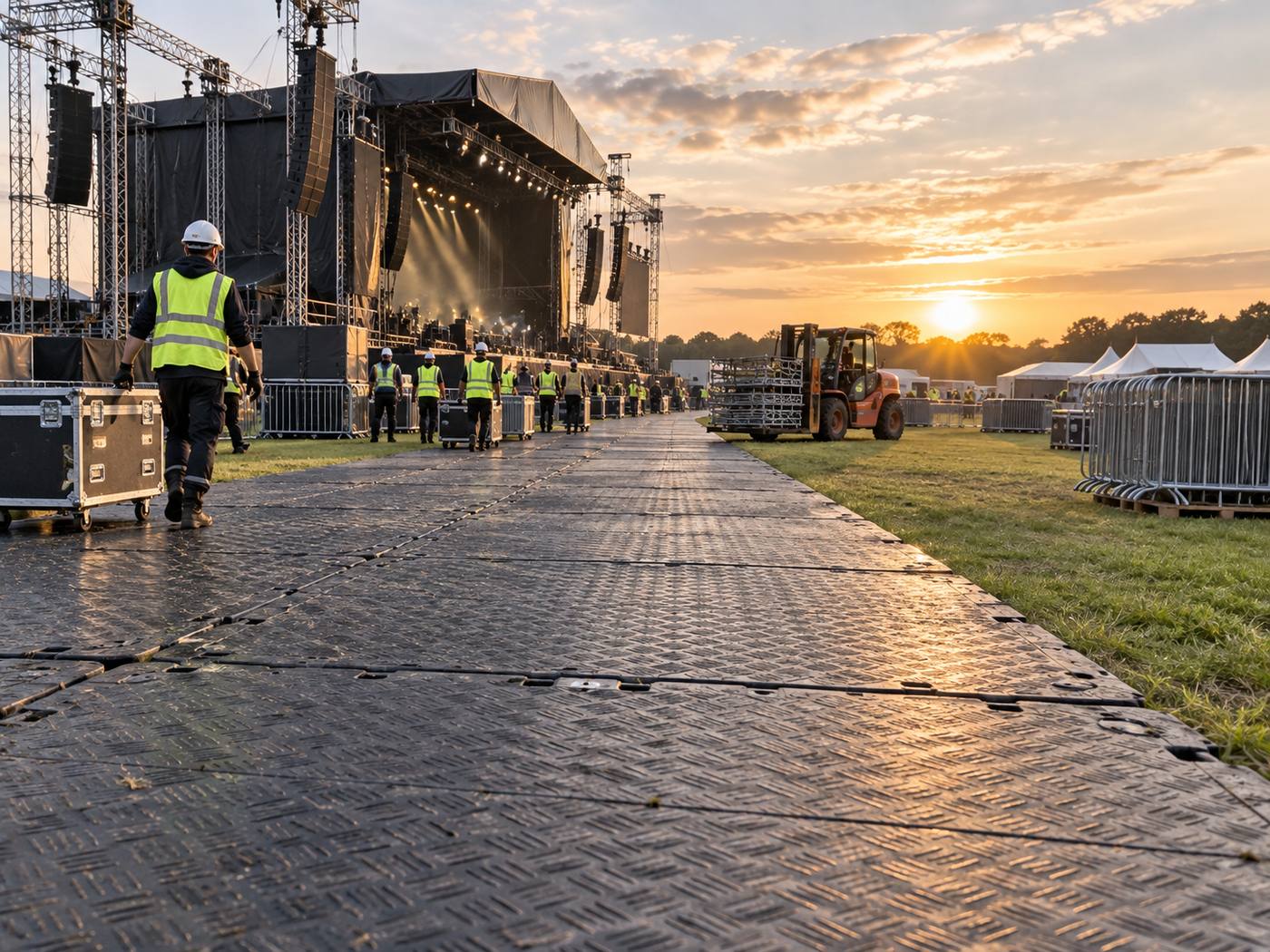
Figure: Low-speed turn and queue of buses on wet grass
The installation should leave measurement and photographic evidence. First, ground leveling and drainage are identified, and then full access, connections, edges and transitions on the pavement are checked. The temporary parking area does not cover grassland alone, but is a complete transport organization. Any situation requiring forced re-evaluation of holes, temporary advances or piles should be returned to the head of the technology.
Inspections cannot be “normal” only, they should be identified on a case-by-case basis around entrances, lanes, turns, low-lying areas, edges and emergency exports, and they should be classified into three levels of observation, restriction and decommissioning. Repeated wheel-drives in the same region quickly destroys the grass-roots level, requiring a return to drainage, grass-roots, transportation or re-analysing of specifications rather than changing surface components.
The quotations for the different products should be compared under the same size, material, connection, packaging, delivery and test basis. Supplementary information should be requested if the supplier gives the maximum carrying figures without indicating ground and test conditions. The event scene requires more attention to reuse, removal and quick evacuation than to single laboratory indicators.
The security floor must not be reduced by the tight opening or evacuation time. When a driving wheel slides quickly destroys the grass roots, it is first sequestered and the reasons are identified before it is decided to repair or reroute. Any improvement must avoid introducing new risks of slide, trip, overload or human conflict.
Need for further evaluation of the actual project?
Applications, sizes, quantities, site photographs or drawings and delivery destinations are sent, on which we can identify more suitable products and processing programmes.