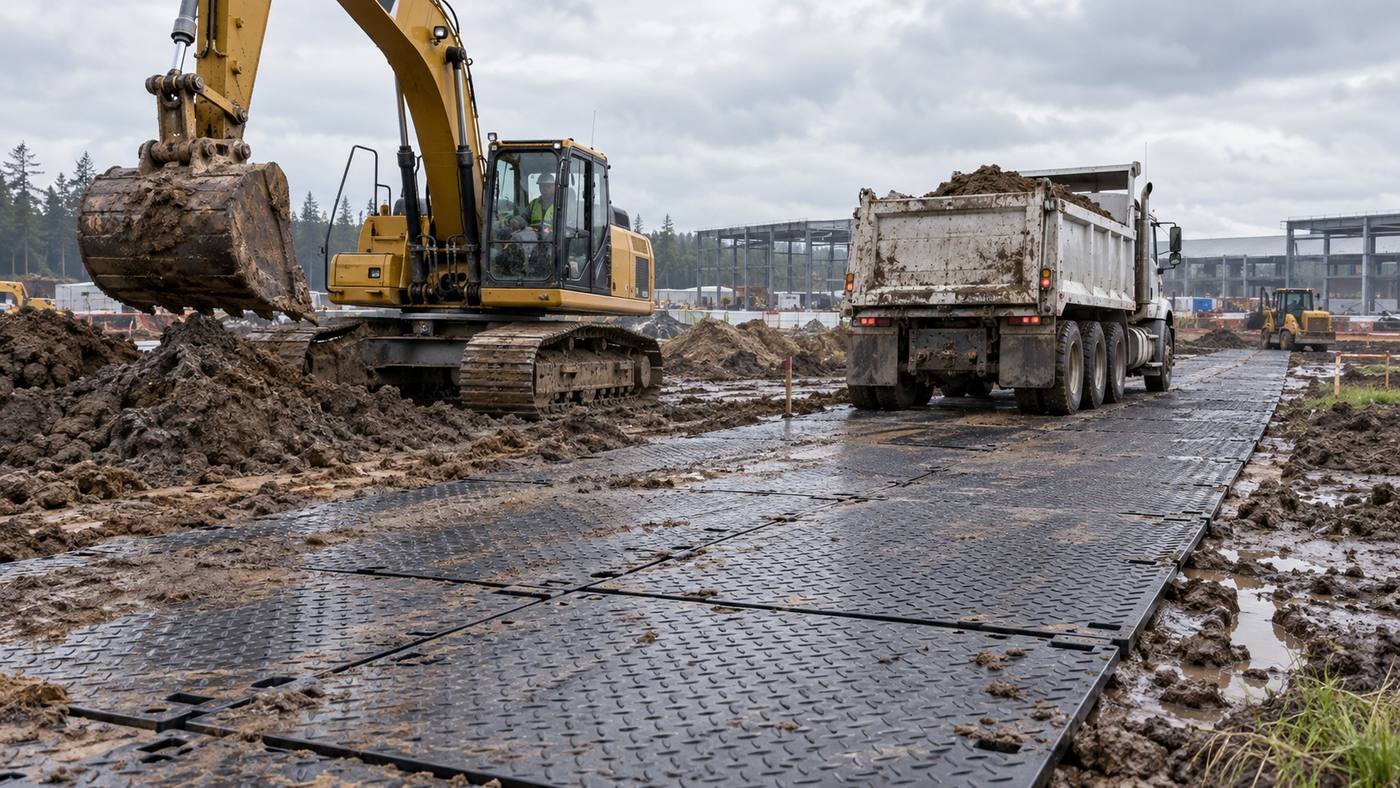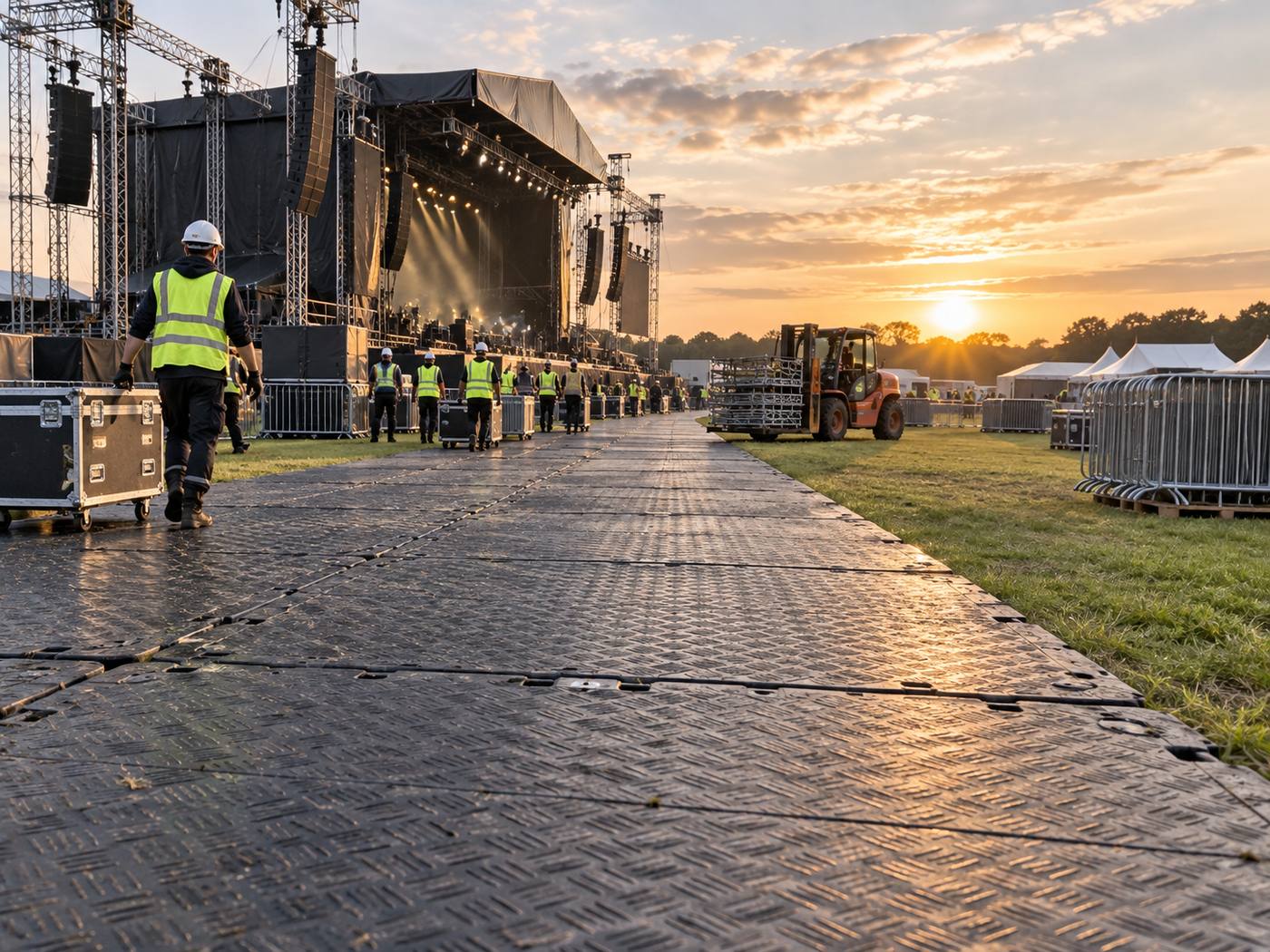
The way in which the caravans are built to protect the site cannot be determined solely by the availability of vehicles on the day of the event. Forklifts and scalding arms to carry tent components usually undergo multiple stages of entry, build, open, resupply and evacuation, and ground water coverage and traffic levels continue to change. The first to be controlled is the rapid destruction of pastures caused by frequent diversions and local parking, otherwise temporary roads, if paved, may again fail because of route, grass-roots or operational problems.
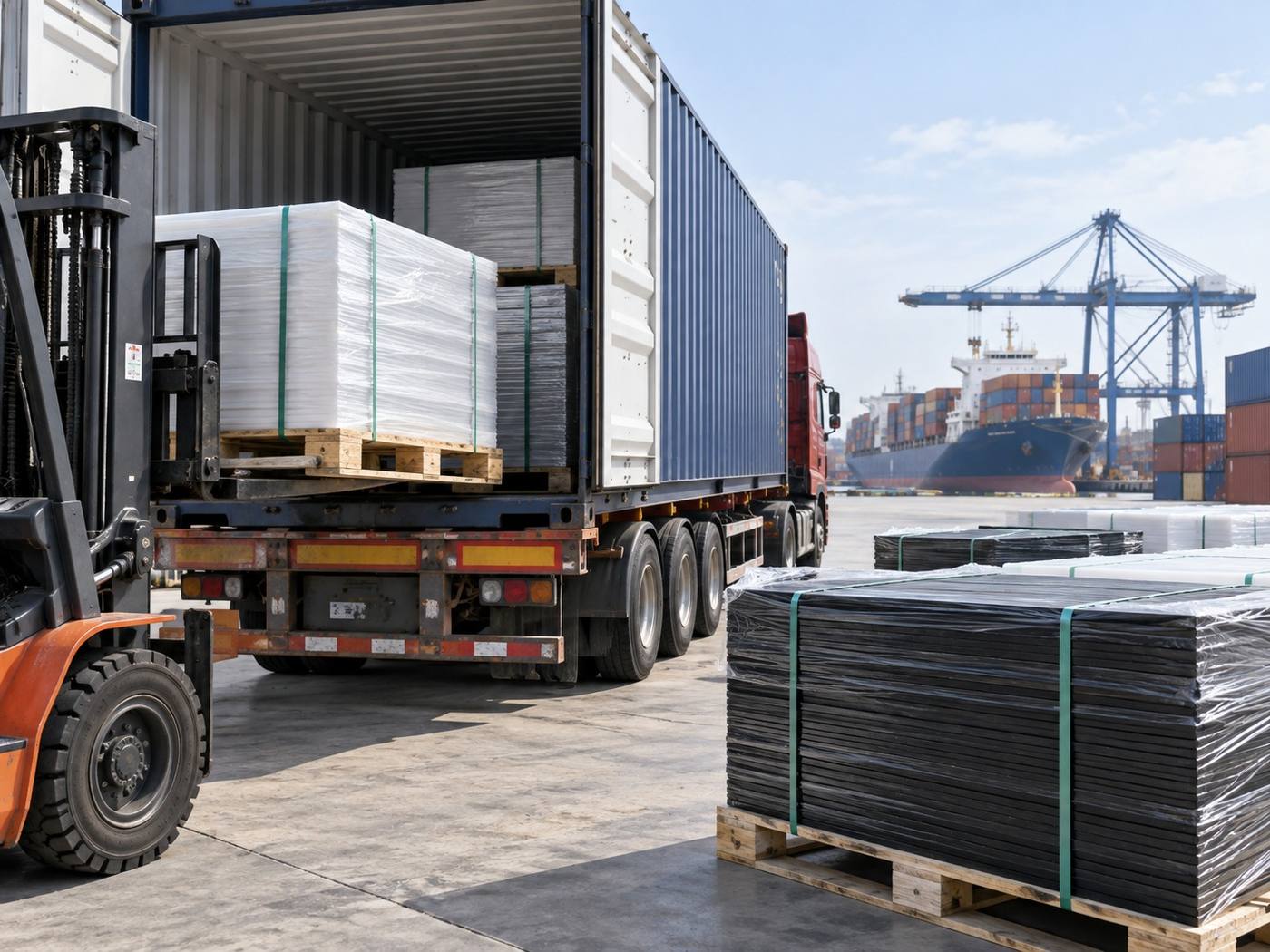
In order to reduce temporary changes, the project should be submitted on a one-time basis to the tour car type, tow weight, tent setting, feed-point resonance, fire route and recycle, with an indication of the schedule of activities and exit window. Vendors are required to provide product maps, individual weights, packaging and assumptions around the full operational trajectory and to set up special stacks and revolving areas; the projecter is responsible for confirming the route, base level and use permit.
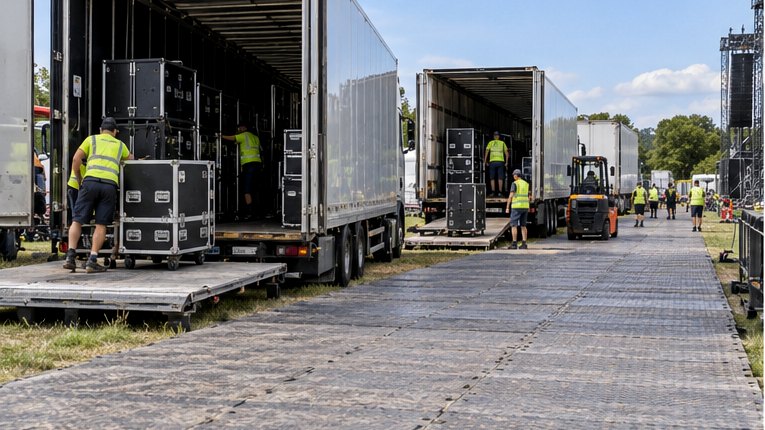
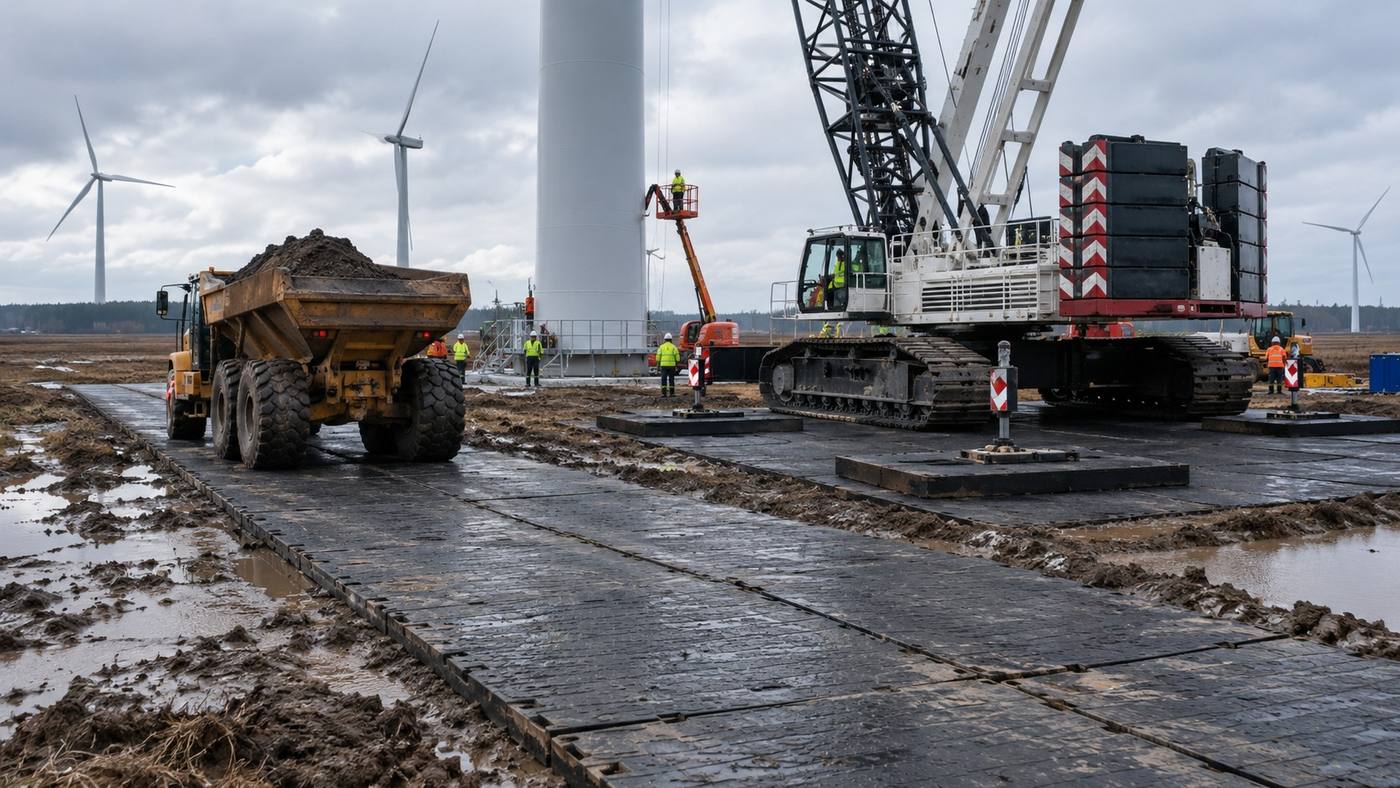
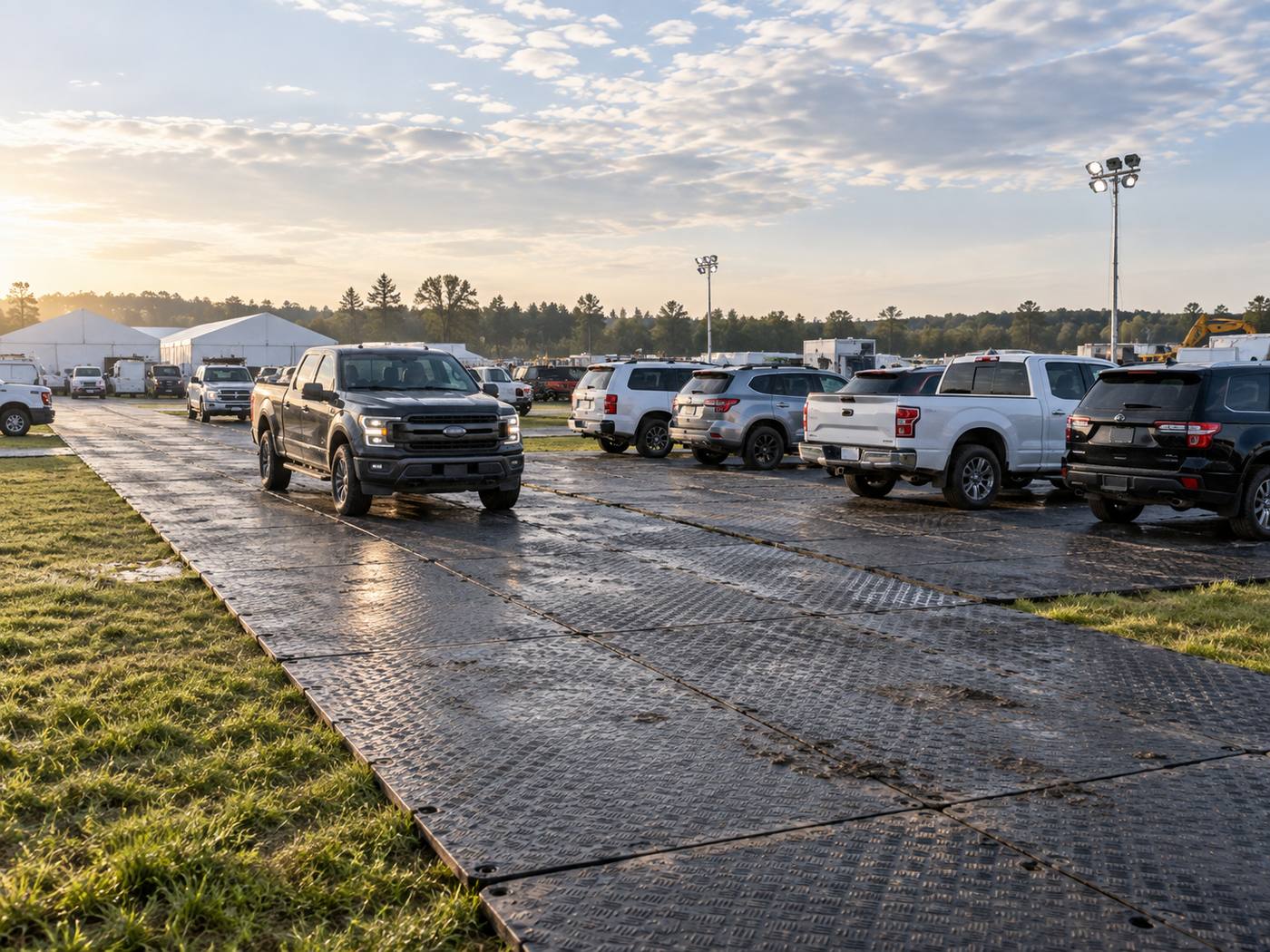
Figure: Forklift and scalable arm moving tent components
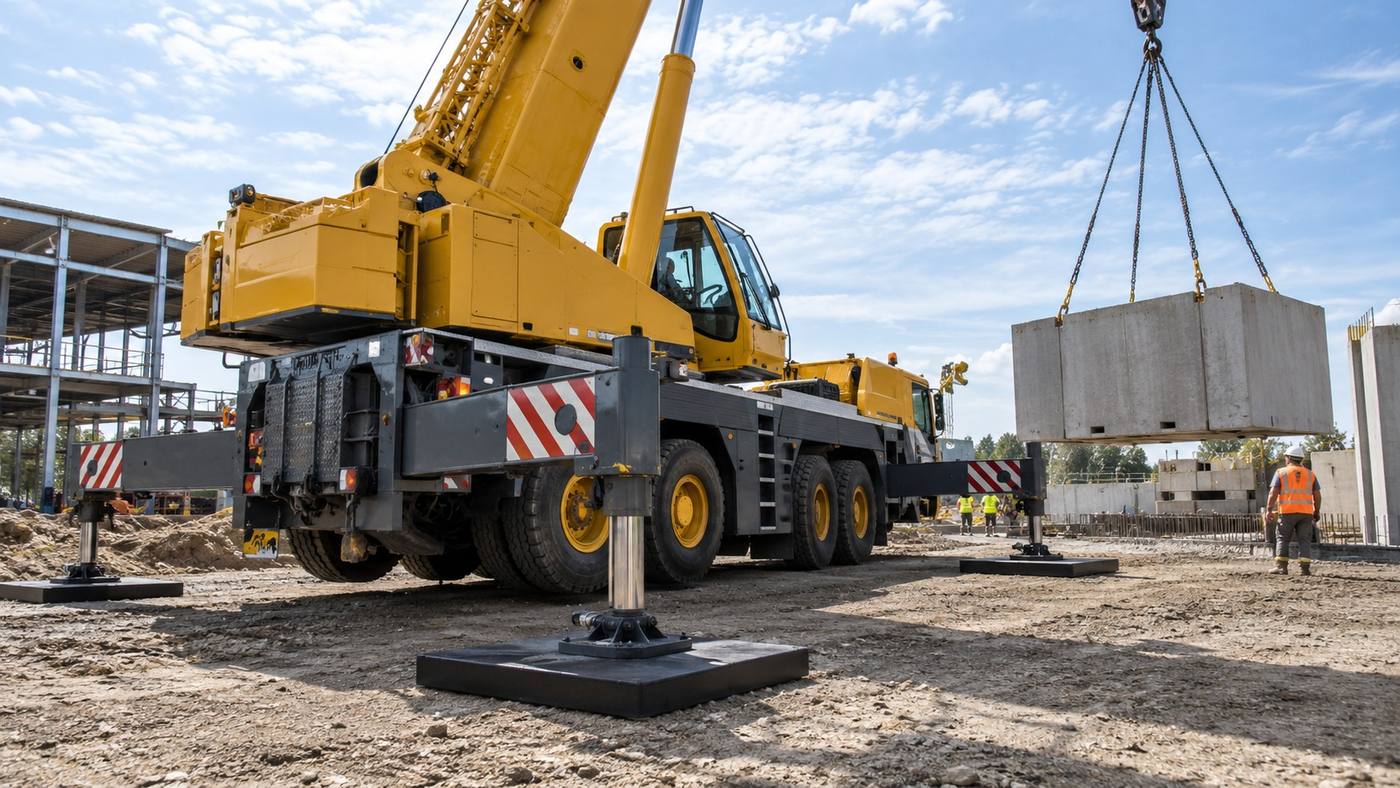
The installation should leave measurement and photographic evidence. First, ground leveling and drainage are identified, and then full contact, connection, edge and transition of the pavement with the leg mat is checked. The tour requires systems that can be quickly laid, numbered and reused. Any situation requiring forced re-evaluation of holes, temporary advances or piles should be returned to the head of the technology.
Maintenance of the open-ended period of the event should avoid the peaks of the audience as far as possible, but urgent deficiencies cannot be delayed. Blocking, repair, re-checking and release processes around camp roads, perimeters of tents, legs, drainage and fire-fighting. Any problem of unconfirmable support or connection should first be disabled.
Before expanding the application, it was recommended that a common review of operations, build-up, HSE, site and procurement be undertaken. Each party identifies conditions for movement, inspection, site protection and delivery, which allow for the verification of the full operational trajectory and the actual enforceability of the dedicated stacking and turning areas.
This paper provides a selection and management approach that does not replace equipment specifications, interim structural programmes, ground-based evaluations and local regulations. Work involving lifting support, underground facilities, vehicular roll-backs, public traffic or access to dangerous areas shall be reviewed and quarantine and emergency procedures implemented by persons with appropriate qualifications. The above data can be provided in the request for quotations to obtain recommendations for size, thickness, quantity, packaging and shipment.
Need for further evaluation of the actual project?
Applications, sizes, quantities, site photographs or drawings and delivery destinations are sent, on which we can identify more suitable products and processing programmes.