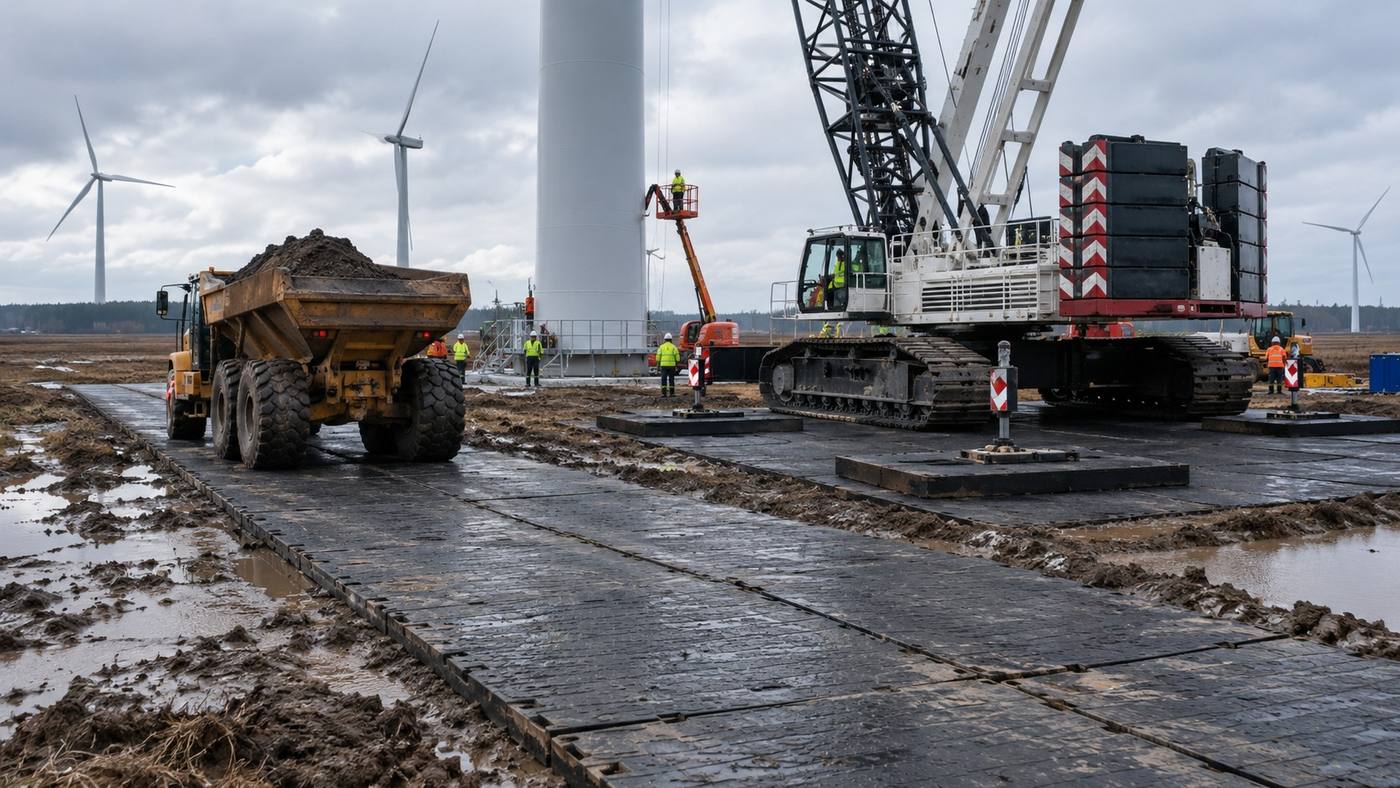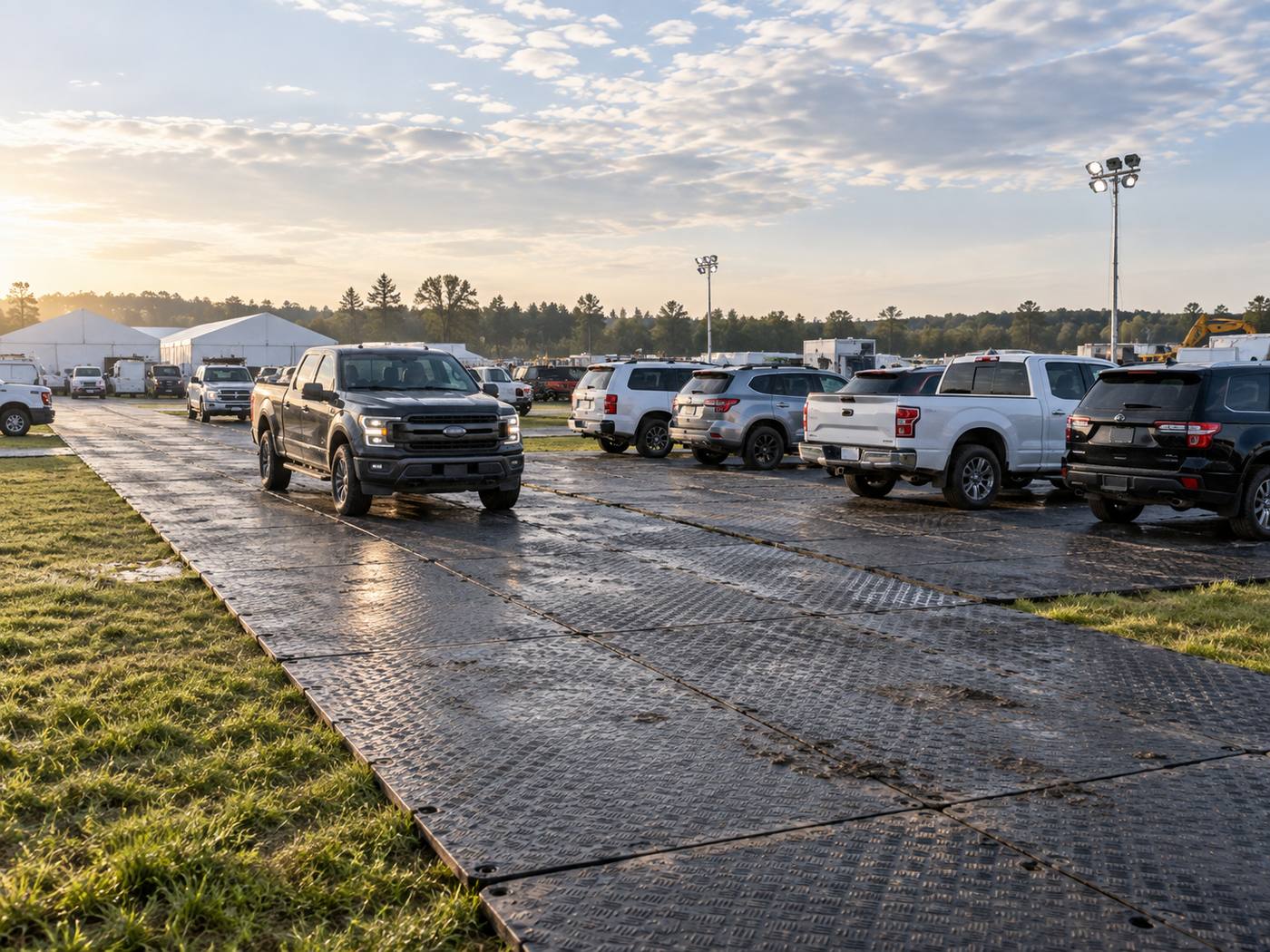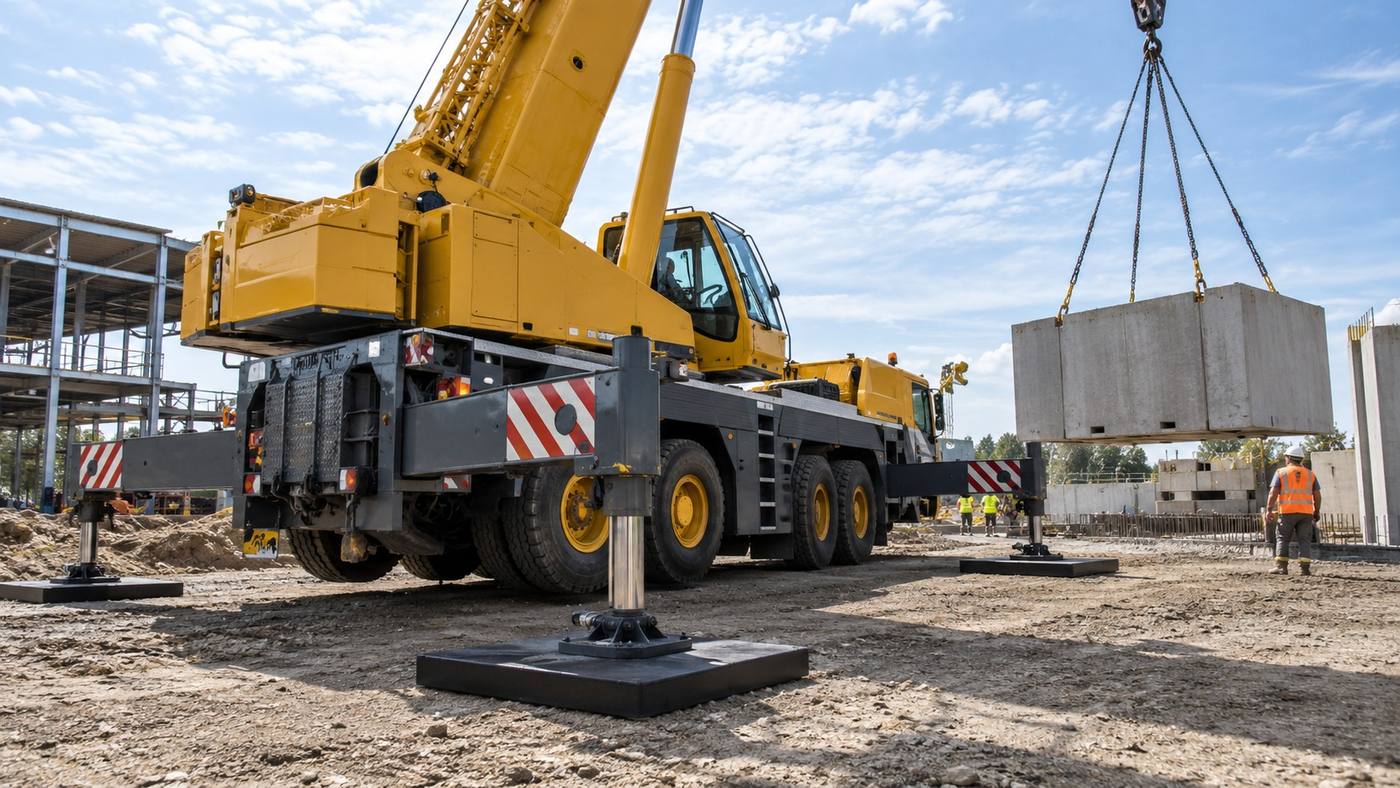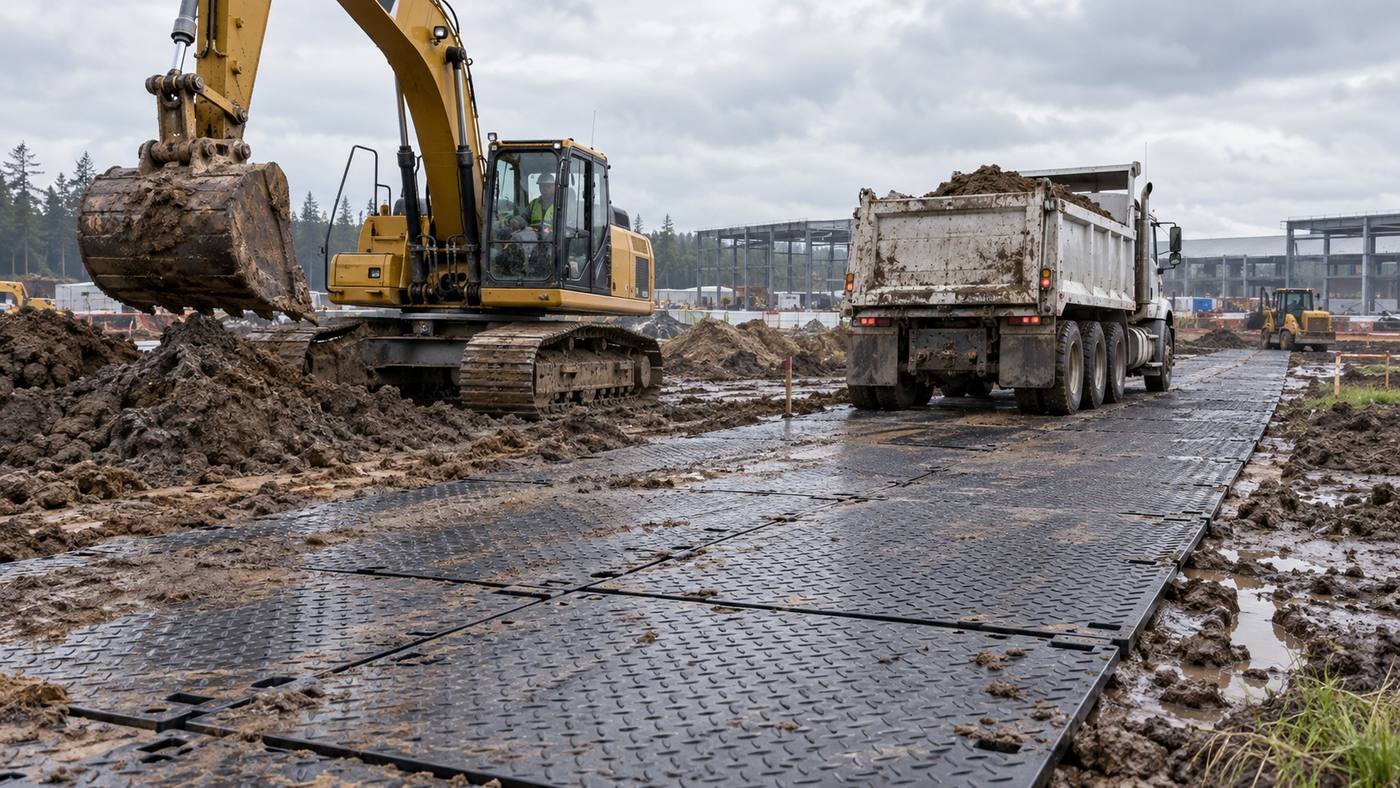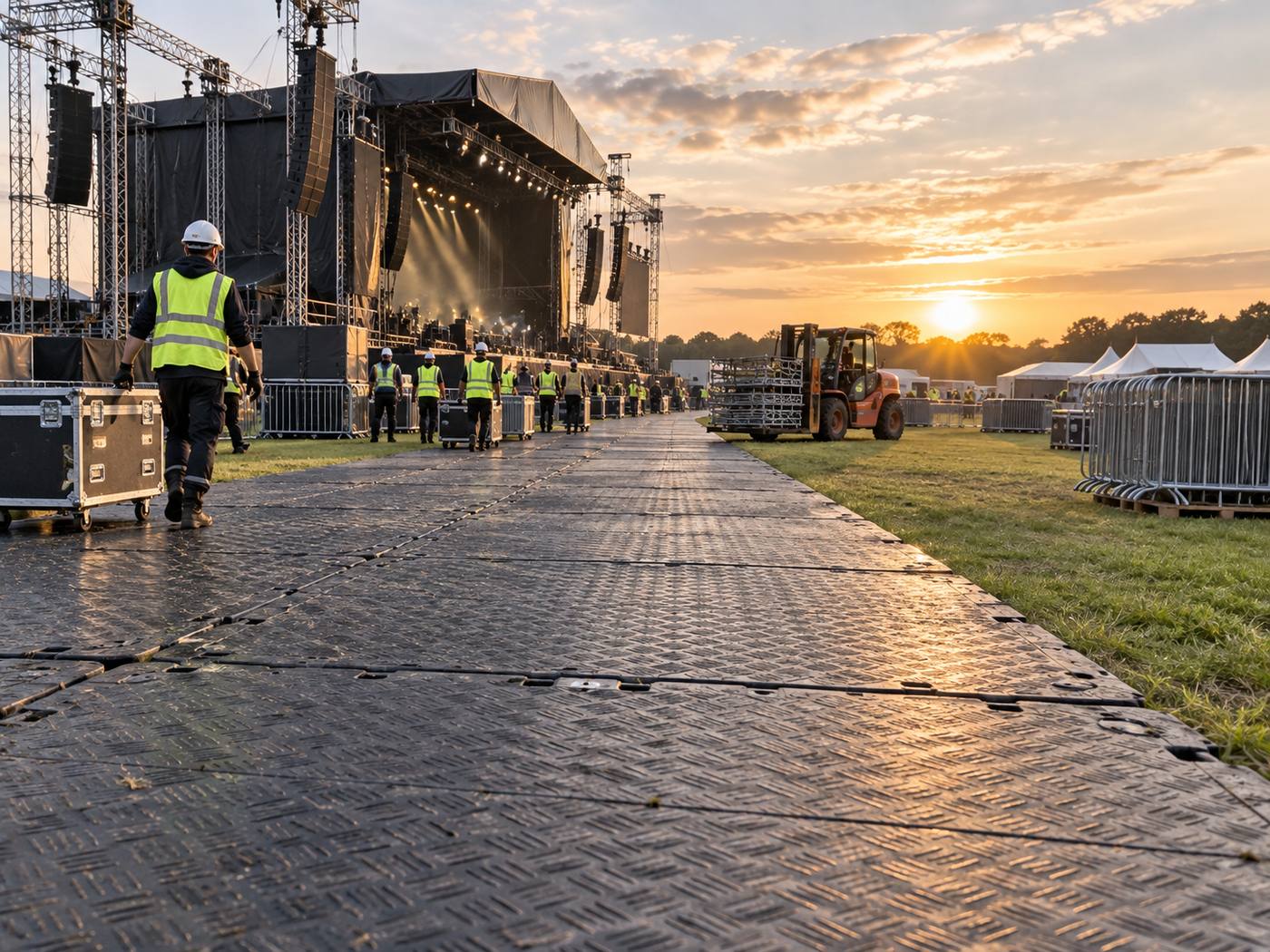
When discussing how rainfall should be prioritized on the day before the event, a distinction should be made between surfaces, equipment support and personnel access. The opening is approaching and multiple routes may be damaged with three needs at the same time, and the fragmentation of resources may result in critical equipment and emergency routes not being completed being magnified by overloading. The division of the site into different functional areas is the first step in determining the product, thickness, width and quantity.
The key to this topic is not to choose the thickest, but to establish a match. Identification and control of the condition based on rainfall, drainage direction, water content of the soil, depth of soft points, vehicle loads and time limits for recovery, and, in turn, the restoration of fire protection, stage mains, medical and electrical circuits, as a matter of priority. If products need to be moved more frequently, manual weights, posts, stacking and cleaning should also be added to the total cost.
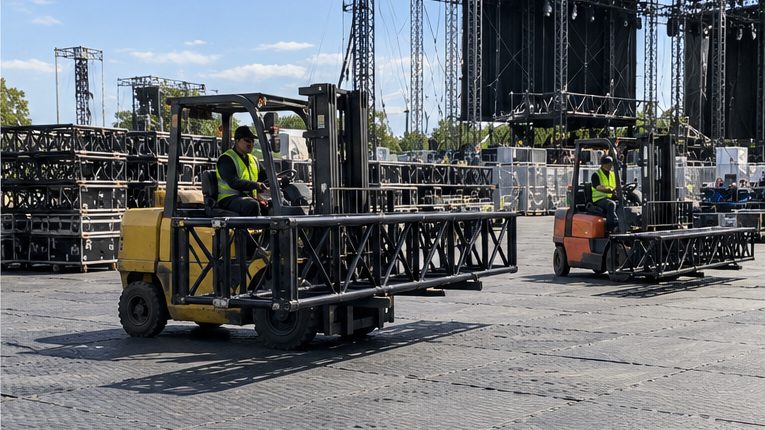
Figure: Opening near and multiple routes damaged
In the event of a shortage of space on the ground, work cannot be done by reducing the necessary coverage or moving the equipment feeder to the road shoulder. Stations and set-up of vehicles should be reordered to give priority to the restoration of fire fighting, stage mains, medical and electrical access to adequate working space. The pavement is a temporary layer and cannot be a substitute for drainage and substandard grass-roots treatment. The continuity of routes is reviewed after each change in traffic organization.
Lease or multi-shift projects can record water accumulation, pump mud, sunk, edged, connector and shoulder, and link road maps. The system should alert the engineering review when successive fragmentation of resources may result in the non-completion of critical equipment and emergency corridors. Backup panels and connectors will also be synchronized to avoid a lack of matching specifications at the site.
The receiving and inspection information shall be maintained in the form of a map, product number, photographs of the entry and exit site, initial status and an abnormal work list. In the event of a lawn or road dispute at the end of the activity, the information may distinguish between the original problem, the change in use and the fallout.
It needs to be stressed that paved boards can only function in an approved operational system of activities and cannot be a substitute for substandard foundations, damaged equipment or irregular operations. Any unknown underground facility, perimeter instability, posturing of equipment beyond the Manual or failure to isolate persons should be suspended and upgraded.
Need for further evaluation of the actual project?
Applications, sizes, quantities, site photographs or drawings and delivery destinations are sent, on which we can identify more suitable products and processing programmes.