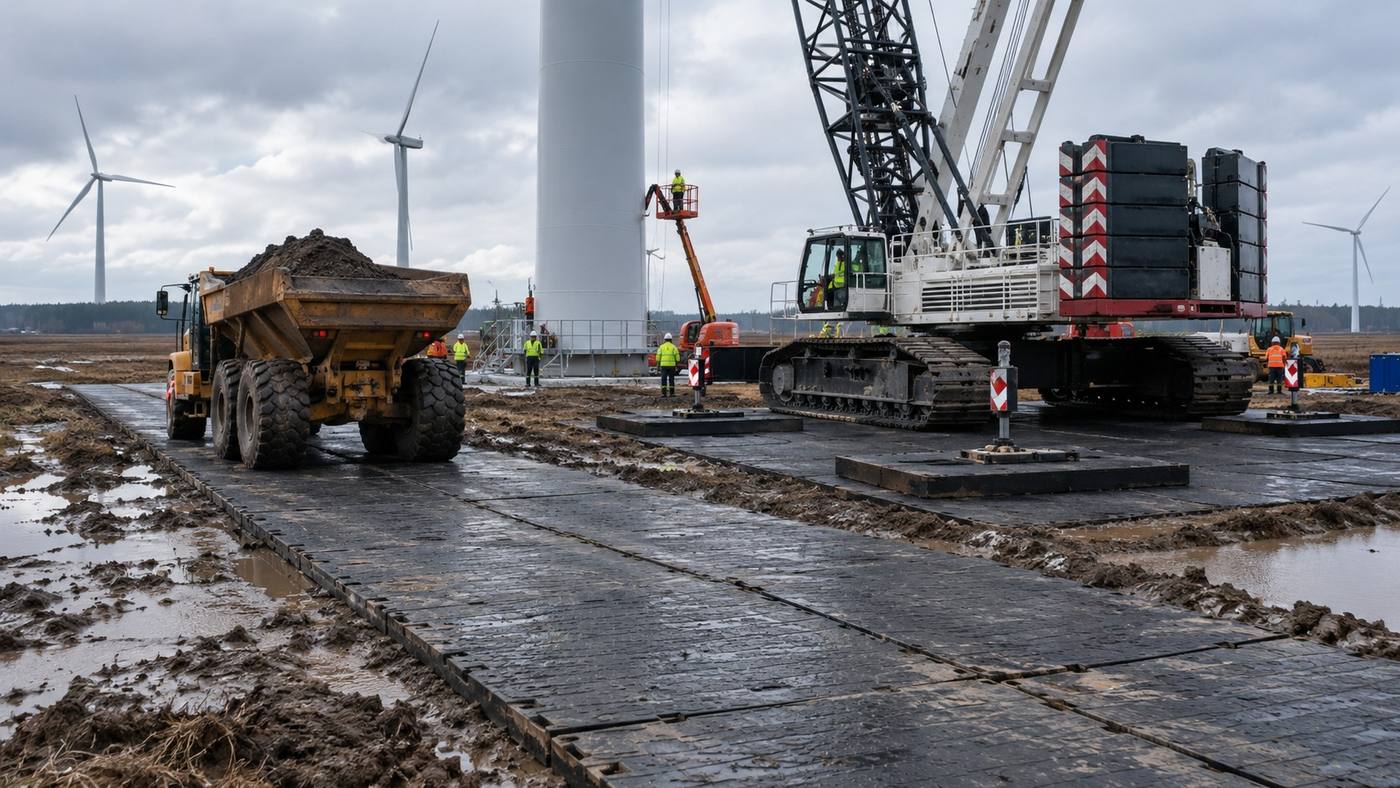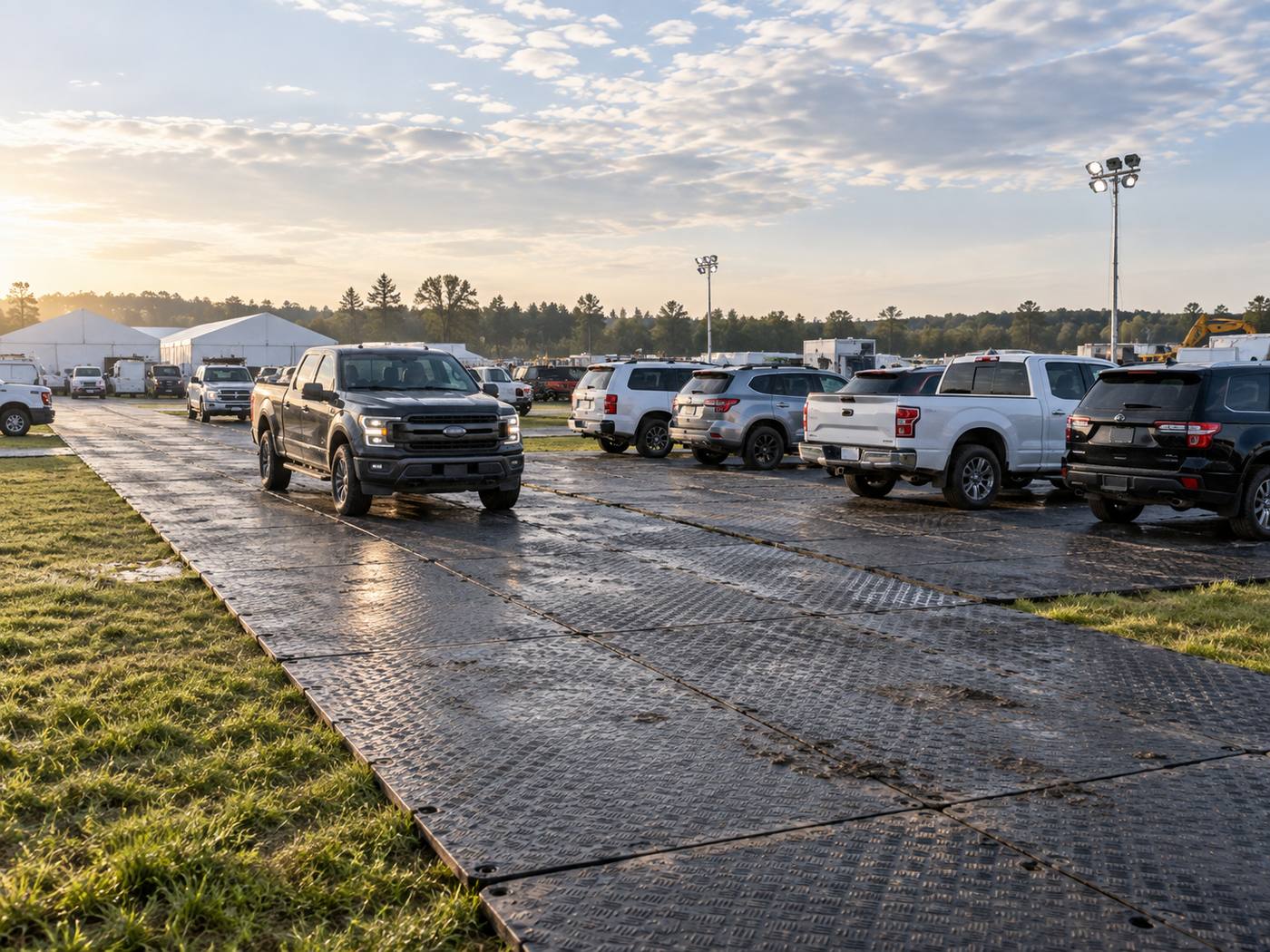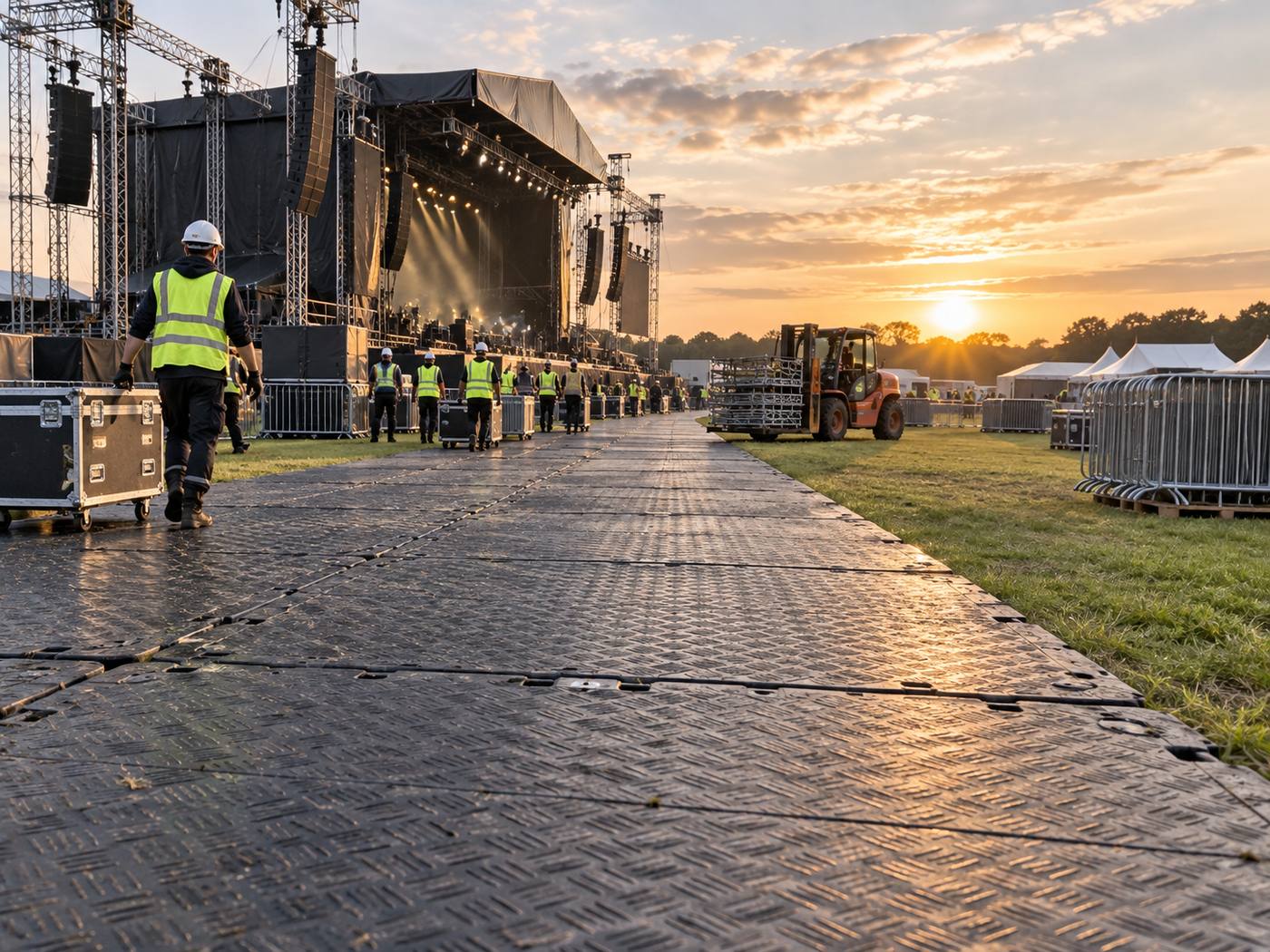
The opening of the sector after the temporary parking lot rains cannot be limited to the day of the event. Some of the stable and low-lying areas remain saturated, often through multiple stages of access, build, open, resupply and evacuation, and ground water coverage and traffic continue to change. What needs to be controlled first is that one-off opening leads vehicles into unrecovered areas, otherwise temporary roads, if paved, may again fail because of route, ground or operational problems.
Four cores can be used: site-equipment-product-operated: site and equipment column to record rainfall, drainage direction, soil water content, soft spot depth, vehicle load and recovery time, product column to specify sizes and connections, and operating column to define open, restricted and closed areas with inspection results and set guidance. Any one still relies on speculation and may allow one-off access to cause vehicles to slip into unrecovered areas to re-emerge at peak activity.
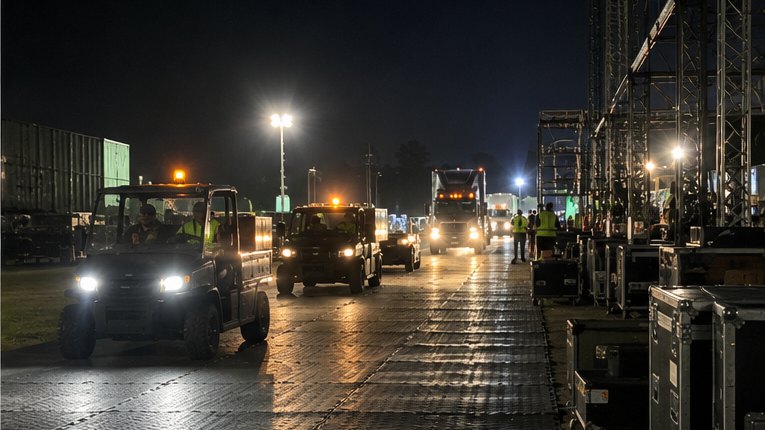
Figure: Saturation of stable and low-lying areas in selected regions
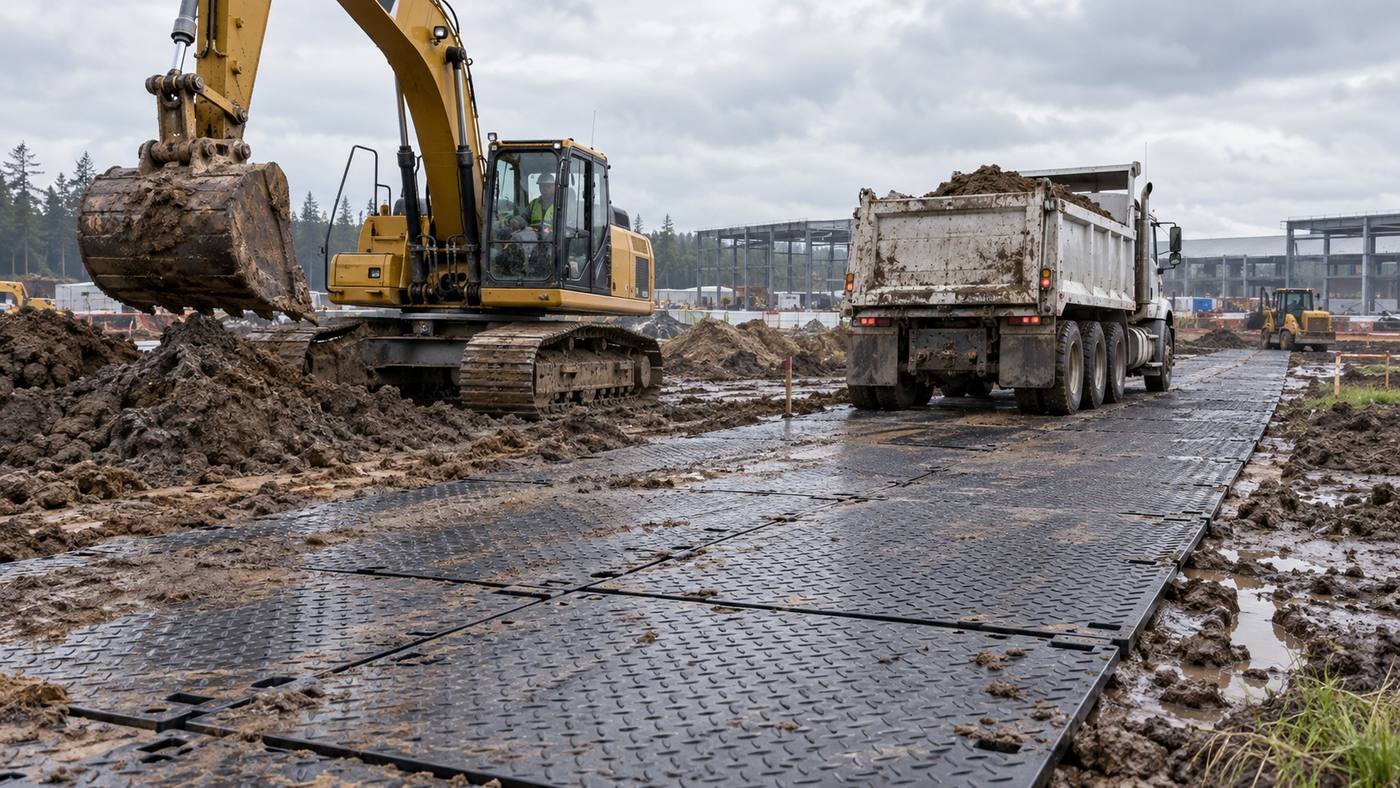
The installation should leave measurement and photographic evidence. First, ground leveling and drainage are identified, and then full access, connections, edges and transitions on the pavement are checked. The pavement is a temporary layer and cannot be a substitute for drainage and substandard grass-roots treatment. Any situation requiring forced re-evaluation of holes, temporary advances or piles should be returned to the head of the technology.
The inspection cycle should be shortened at the beginning of the operation and the product should be stabilized and adjusted for risk. The focus is on water accumulation, pumping mud, sank, edges, connectors and road shoulders, and on the driver ' s compliance with speed limits and shift requirements. Loose connectors, deep mouths, abnormal arctic arctics, or strip shifts should be immediately photographed and closed.
Before expanding the application, it was recommended that a common review of operations, build-up, HSE, site and procurement be undertaken. The parties confirm the conditions of movement, inspection, site protection and delivery, and can test whether the separation of open, restricted and closed areas with the results of inspections and the setting of guidance are truly enforceable.
If the conditions on the ground are different from the assumptions in this paper, the application of the conclusions should be suspended and reassessed. Stations for suspension, temporary parking, viewer access and rainy operations are subject to local rules, equipment manuals and statutory requirements. The supplier can assist in matching the product, but the final placement and release is approved by the responsible party for the project.
Need for further evaluation of the actual project?
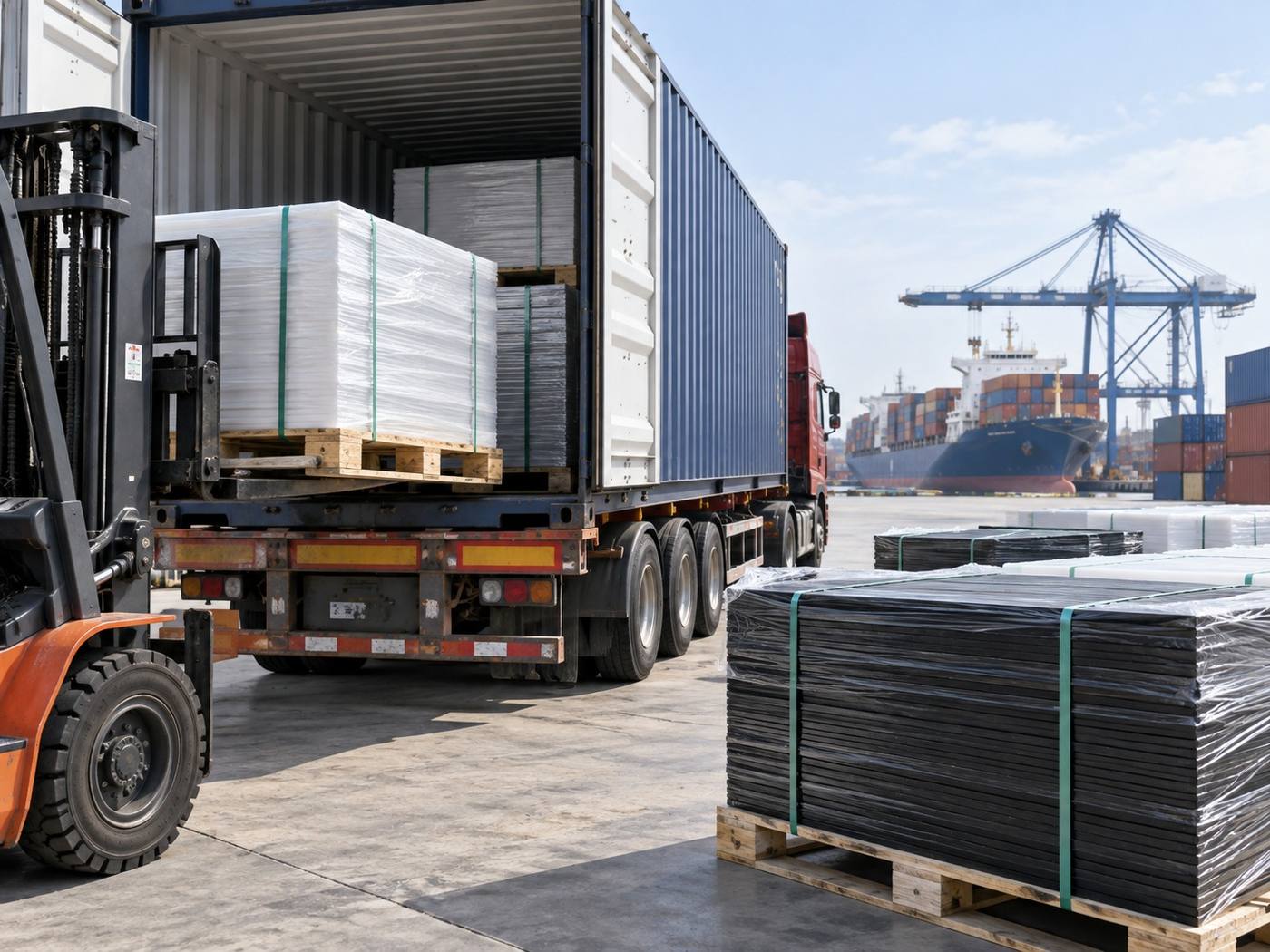
Applications, sizes, quantities, site photographs or drawings and delivery destinations are sent, on which we can identify more suitable products and processing programmes.