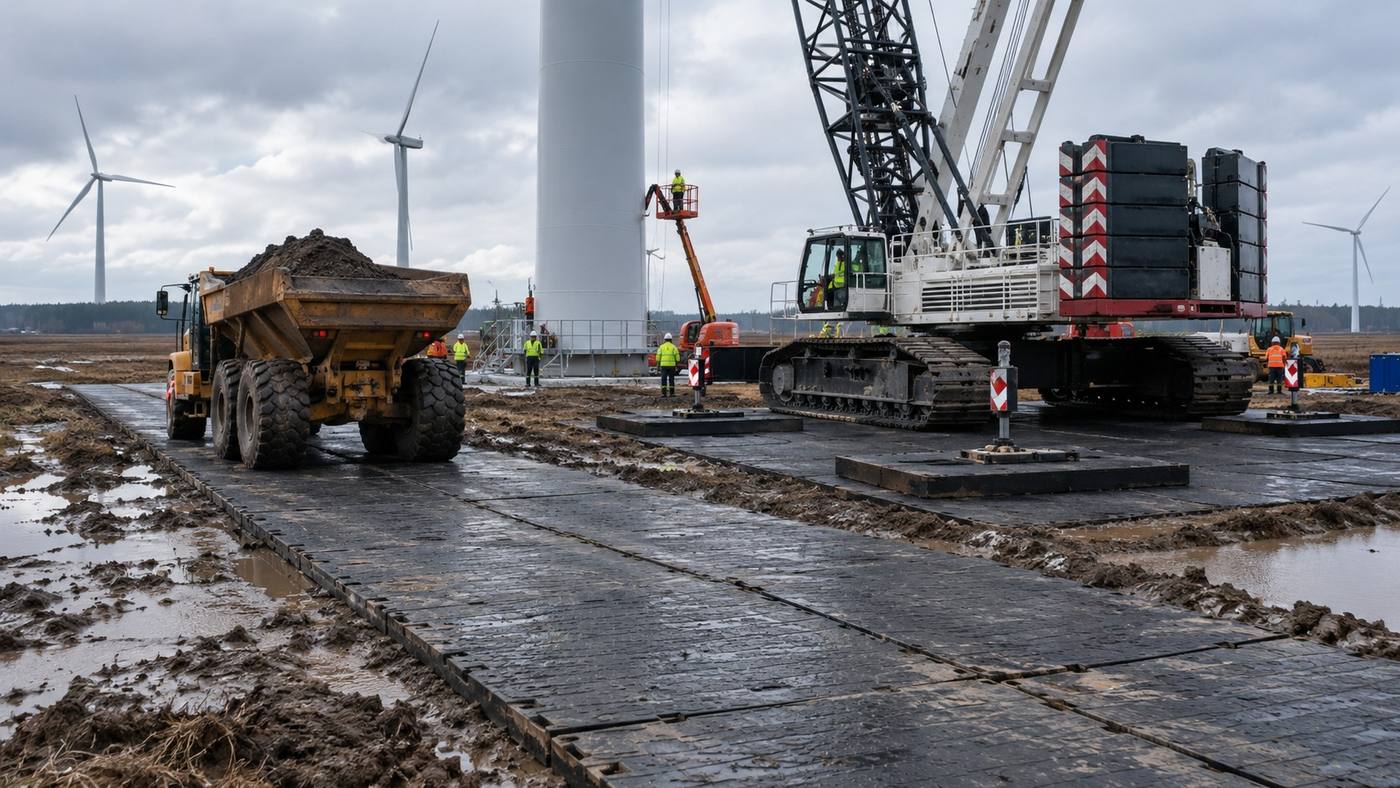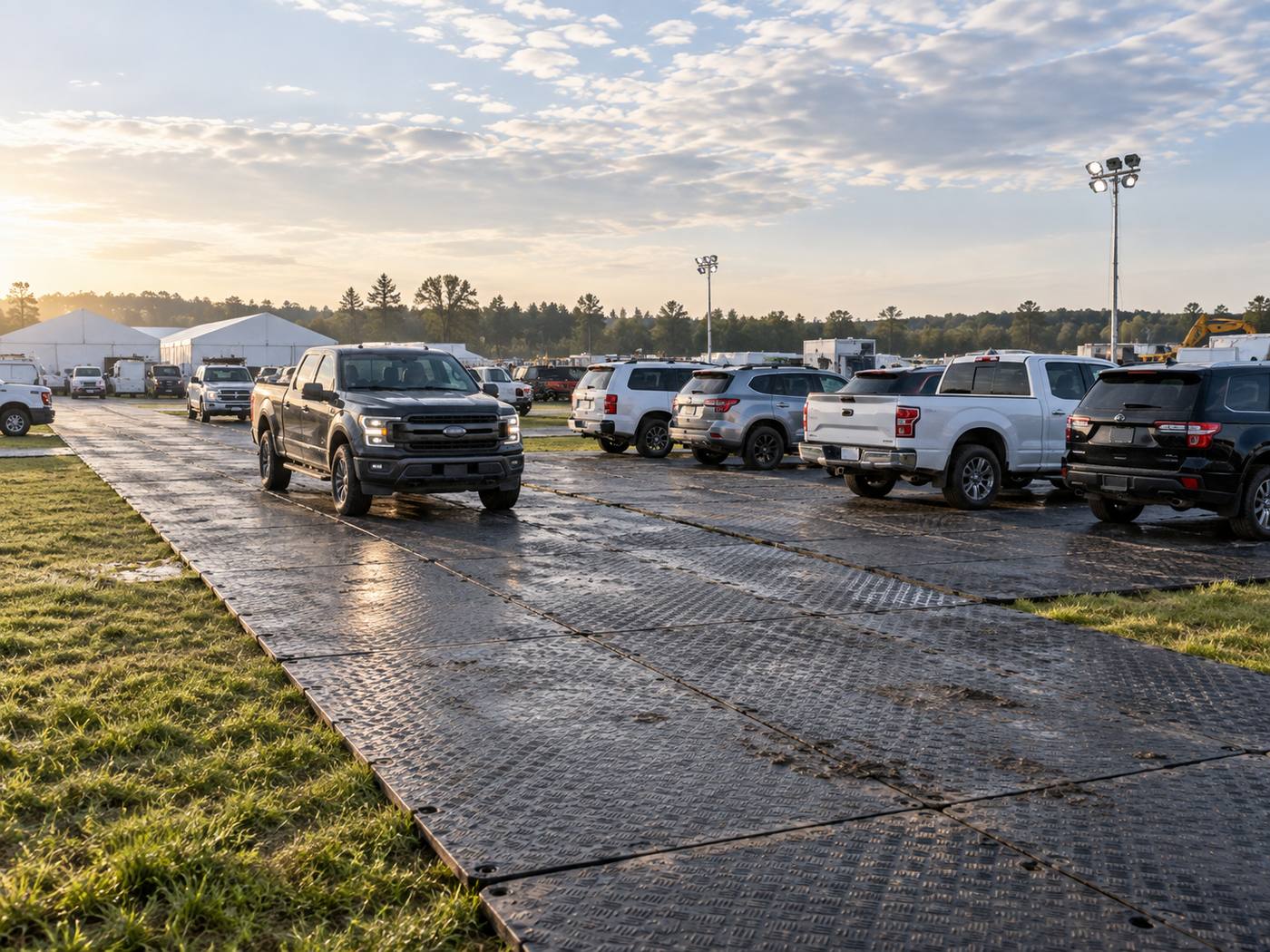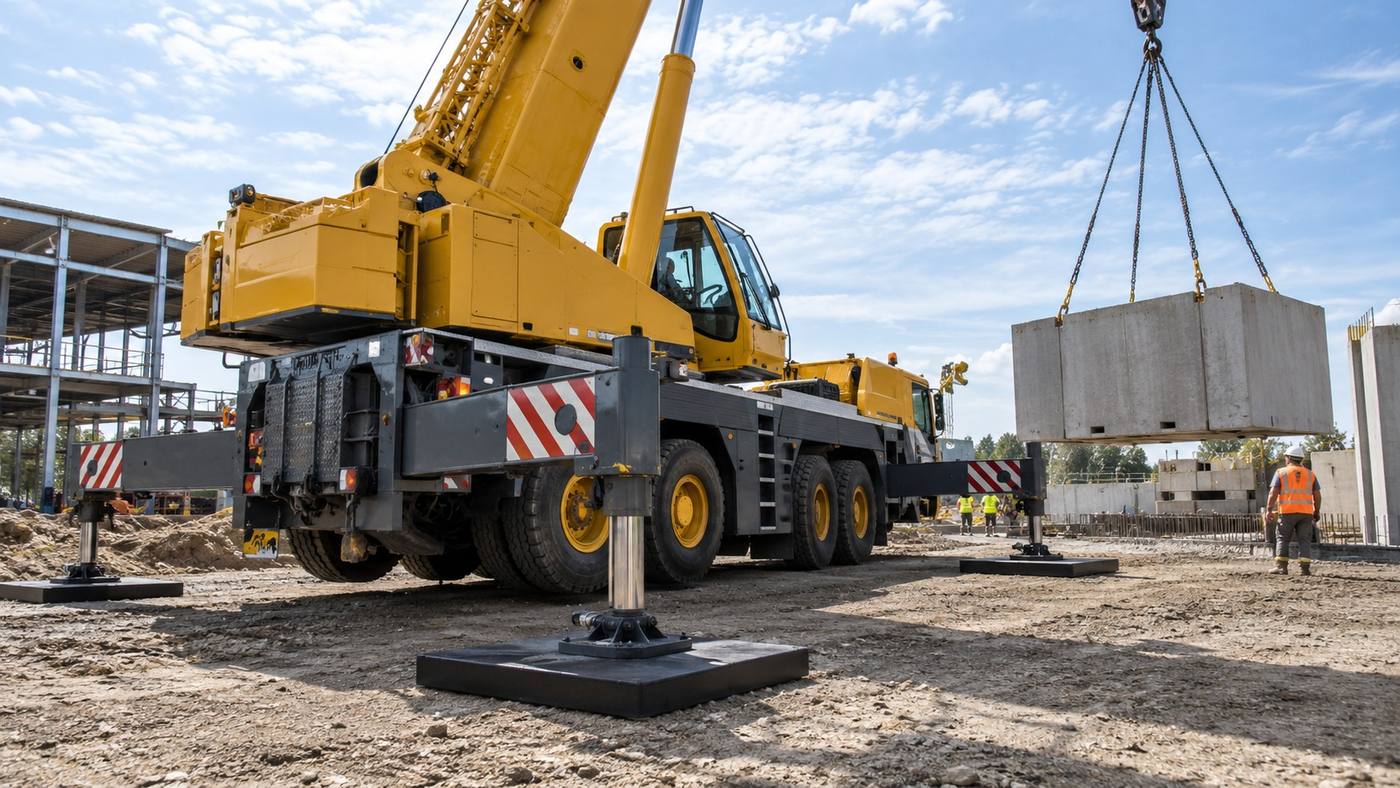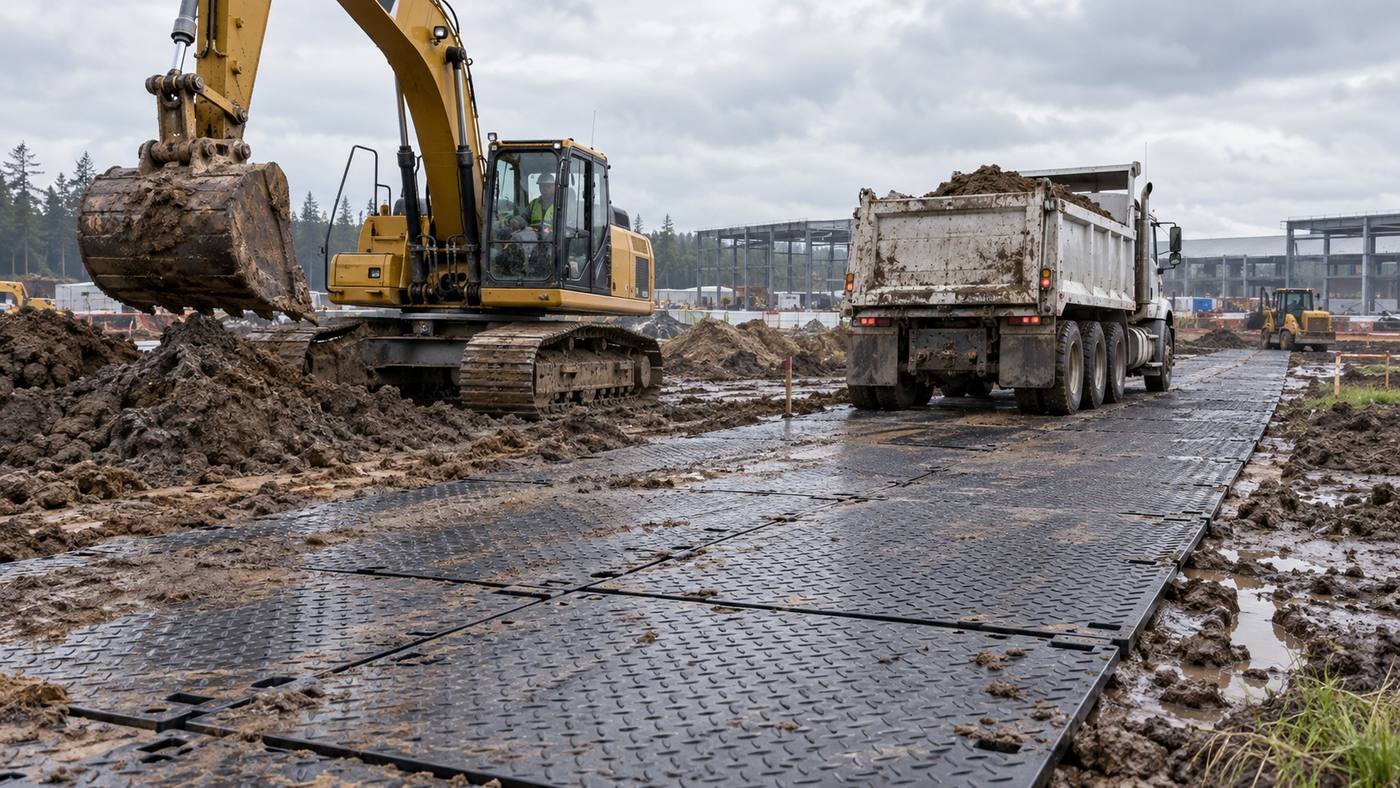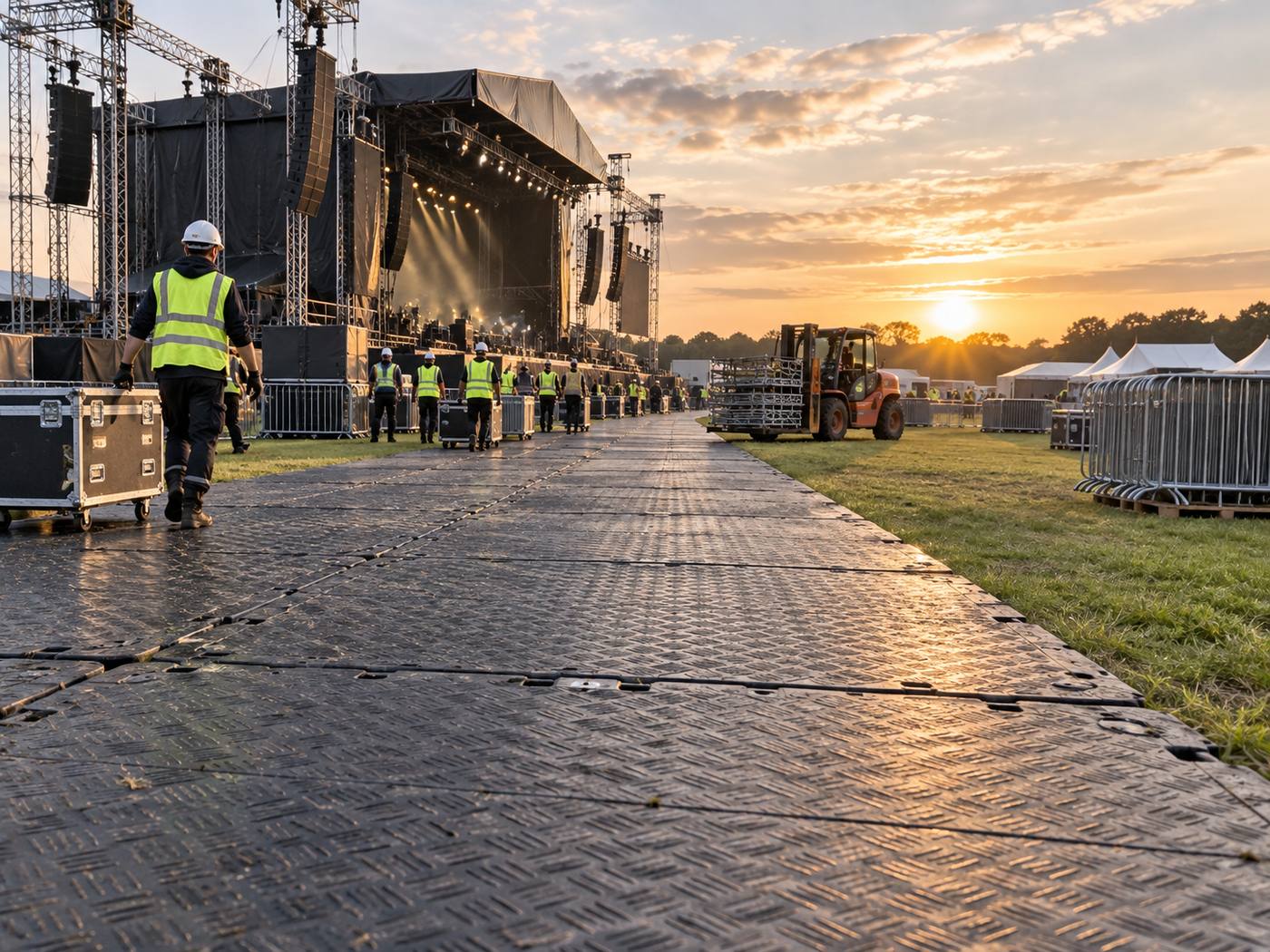
The same road map needs to be used by the organizers, the site and the builder of the event to check the fall of the legs at the stage of night work. In the case of night work and complex on-site lighting, it is easy to allow vehicles to enter unprotected areas and trigger small depositions and edge cracks that are not detectable if separate teams are planned. Only when the boundaries and responsibilities are harmonized will there be a clear basis for product allocation.
Four cores can be used for “site-equipment-product-operated”: site and equipment column to record the total mass of the equipment, maximum retrogressive force of the leg, suspension, endurance of the ground, underground facilities and weather windows, product column to specify sizes and connections, and operating column to write reference marks, even lighting and specialized monitoring records. Any one still relies on speculation and may make it difficult to detect a re-emergence at the peak of activity, with small depositions and cleavages.
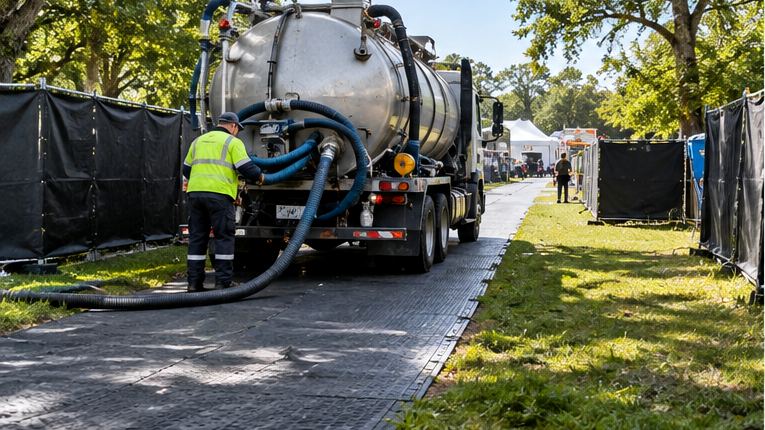
Figure: Night construction and complex on-site lighting
Prior to implementation, the area of operations should be sealed to remove sharp stones, wooden stakes and miscellaneous items that would cause spot loads, repair deep-pit tracks and remove drainage. The pavements are for passage and the mats for extension of the feeder, which cannot be replaced by one another. The planks are to be aligned to the main traffic, with an appropriate extension of coverage at the bend and docking points; and the leg mats must be fully exposed and inert, and should not be filled with random stacking or field cutting.
Maintenance of the open-ended period of the event should avoid the peaks of the audience as far as possible, but urgent deficiencies cannot be delayed. Covering, repair, rechecking and release processes around deposition, horizontality, full exposure, edge distance and connectivity. Any problem of unconfirmable support or connection should first be disabled.
The full life cycle costs include procurement or lease, transportation, laying, inspection, cleaning, maintenance, warehousing and site restoration. Once data are created around small depositions and edges that cannot easily be detected, the project will be able to judge whether the setting of baseline markers, even lighting and personal monitoring records actually reduces the combined costs.
It needs to be emphasized that pavements and stubbles can only function in the approved operational system of activities and cannot be a substitute for unsatisfactory foundations, damaged equipment or irregular operations. Any unknown underground facility, perimeter instability, posturing of equipment beyond the Manual or failure to isolate persons should be suspended and upgraded.
Need for further evaluation of the actual project?
Applications, sizes, quantities, site photographs or drawings and delivery destinations are sent, on which we can identify more suitable products and processing programmes.