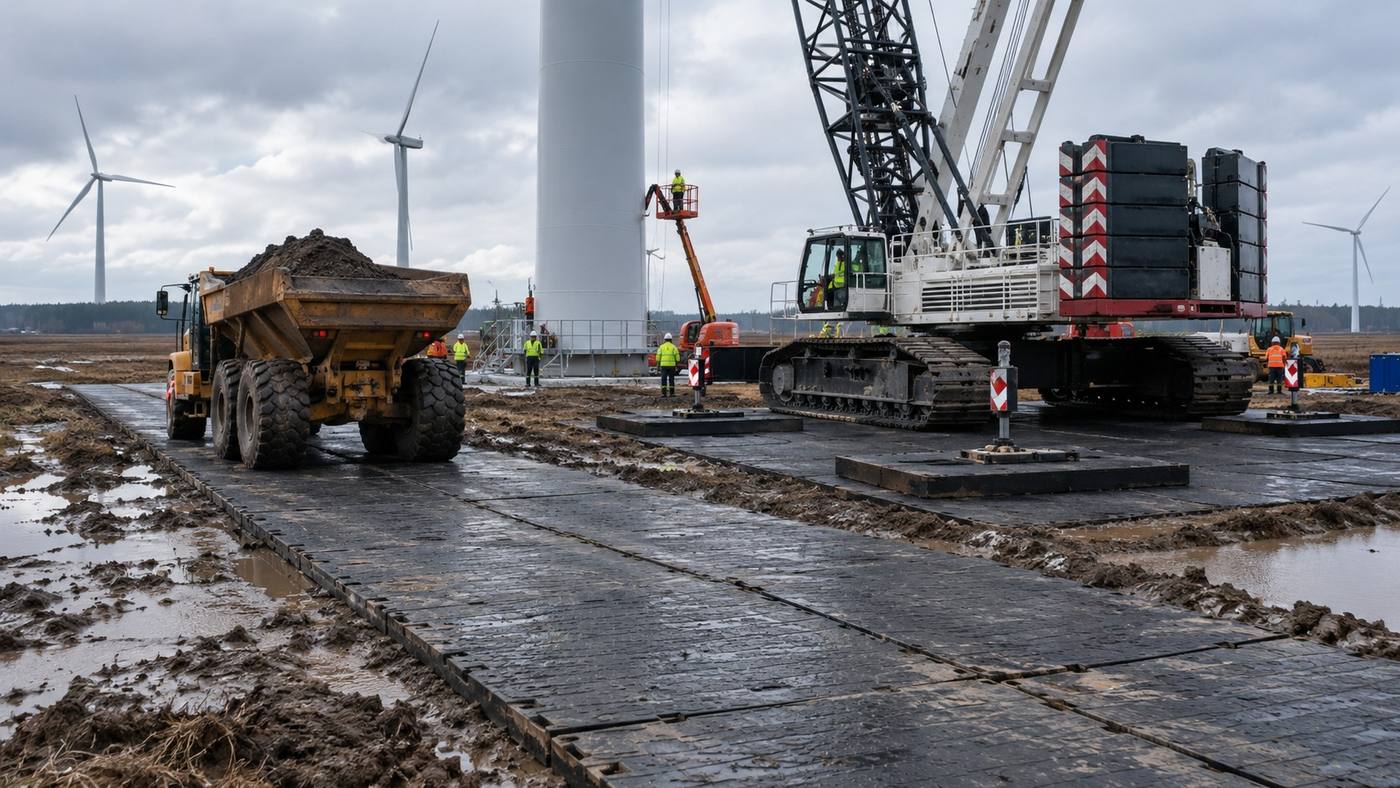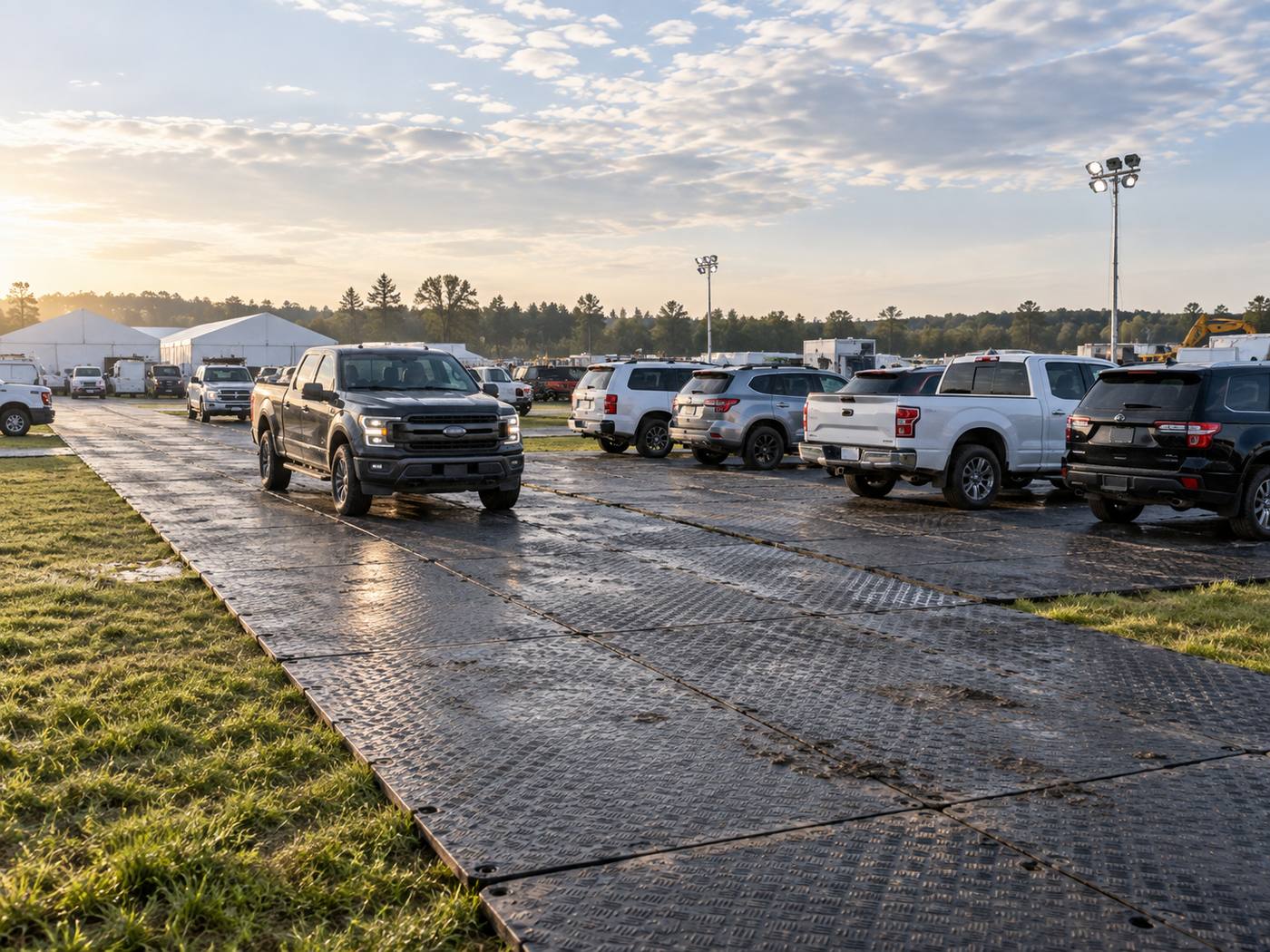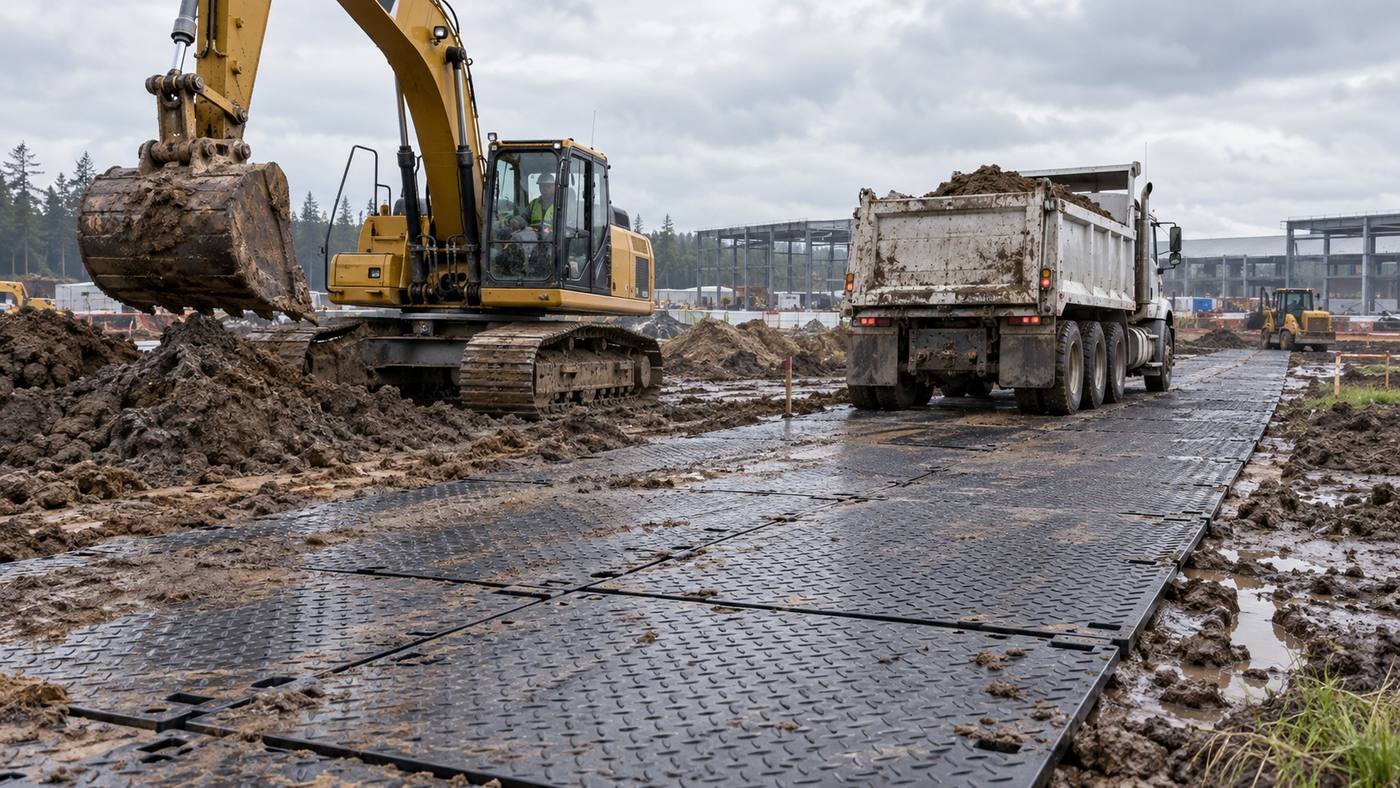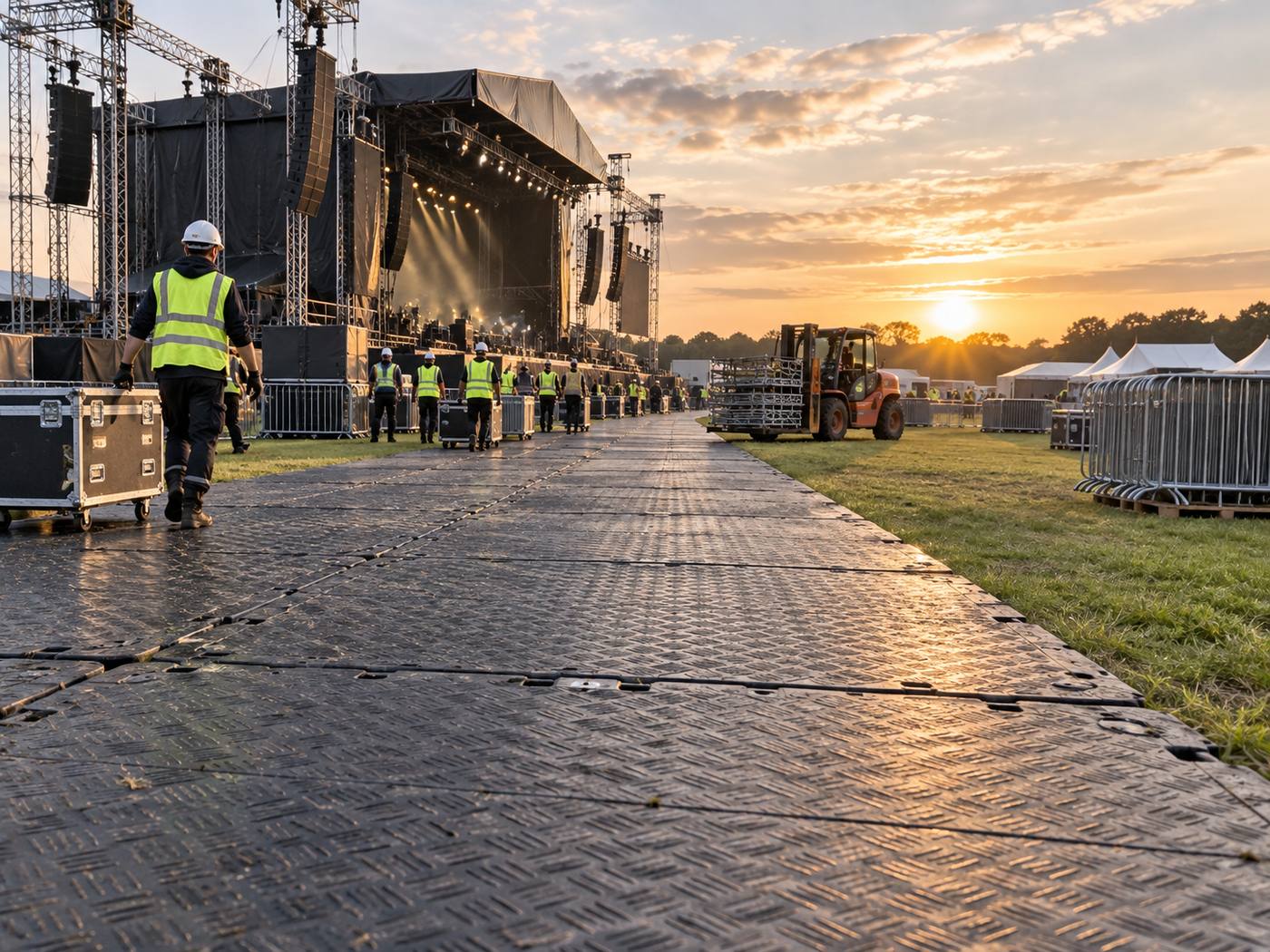
The site was of short duration, but the ground programme could not be temporarily boarded. The project should first indicate how temporary roads are maintained around the event when the rain breaks, and should first indicate the target for use, the most unfavourable weather and the routes that must be maintained when the equipment is dispersed and the traffic of the audience is affected by rainfall. Neglecting the increased water content of the road-base, which leads to a near-margin slurry and loose connectivity, may lead to vehicle waiting, equipment stoppages, lawn claims or audience safety problems.
The procurement staff shall provide the maximum axle load of the vehicle, tyres, turn radius, handling rhythms, grassland water and night lighting together with photographs of the site, and mark the location where the rise in the water content of the route base leads to a periphery and loose connection. The programme could begin with the retention of a dedicated exit line, enhanced drainage patrols and batching of heavy vehicles, and suppliers were asked to indicate the number of the material on the pavement and the mat, the grade of the finished product, the basis for testing, the conditions of limitation and the boundary of quality protection.
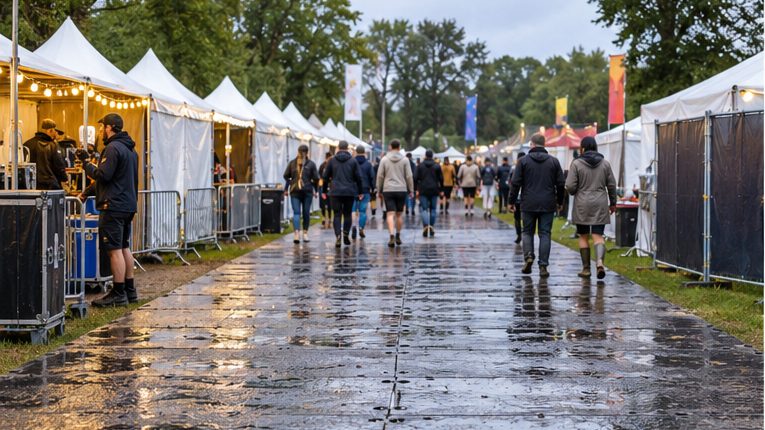
Figure: Post-dispersion equipment is affected by rainfall at the same time as audience traffic
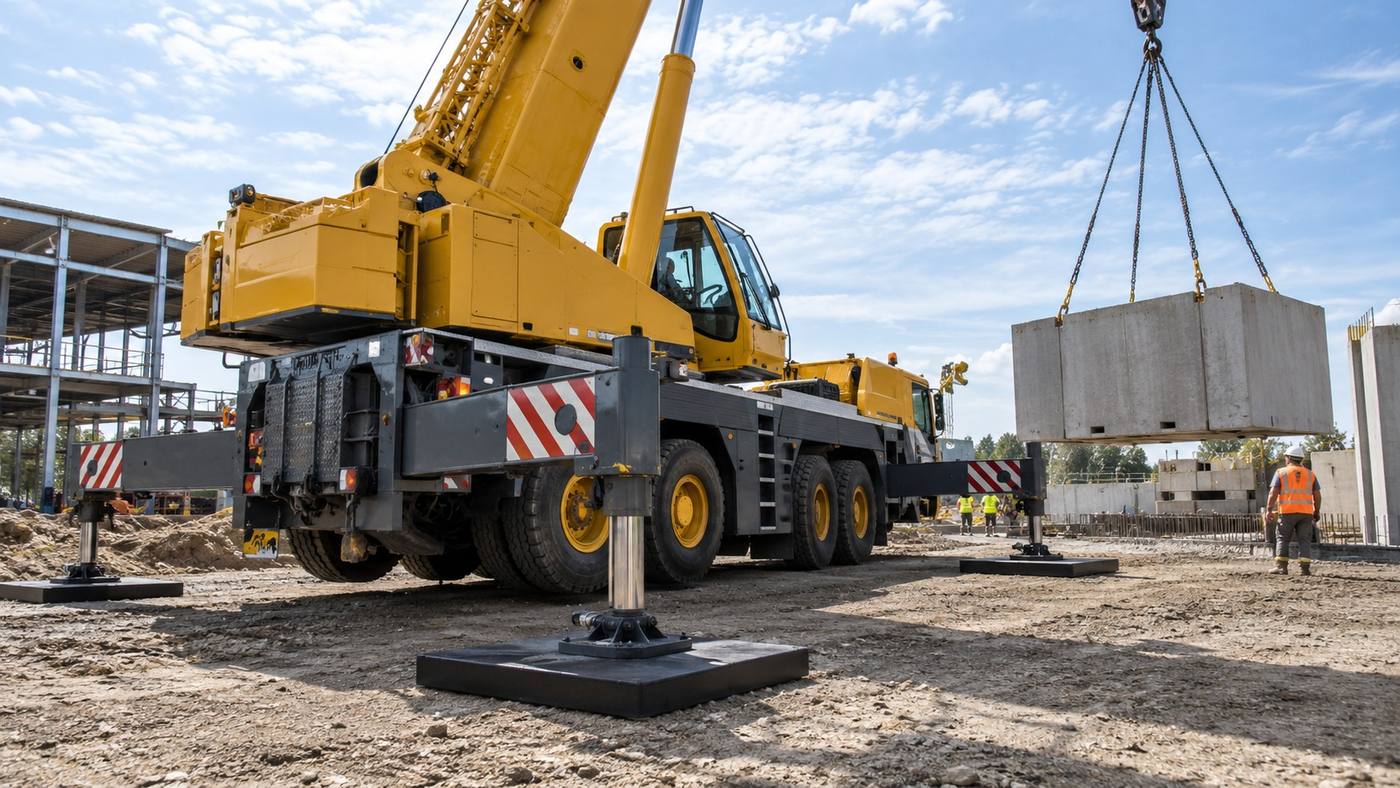
The installation should leave measurement and photographic evidence. First, ground leveling and drainage are identified, and then full contact, connection, edge and transition of the pavement with the leg mat is checked. The concert's roads must be accompanied by heavy transport, isolation and emergency passage. Any situation requiring forced re-evaluation of holes, temporary advances or piles should be returned to the head of the technology.
The shift involves reporting changes in the seams, edges, turn areas, loading points and viewer junctions, rather than just describing the appearance. The sutures, shoulders or sub-points repaired in the previous class must be reviewed in the next class. In the event that the increase in the water content of the road-base results in increased permafrost and loose connections, the speed limit, rerouting or suspension of operations should be immediate.
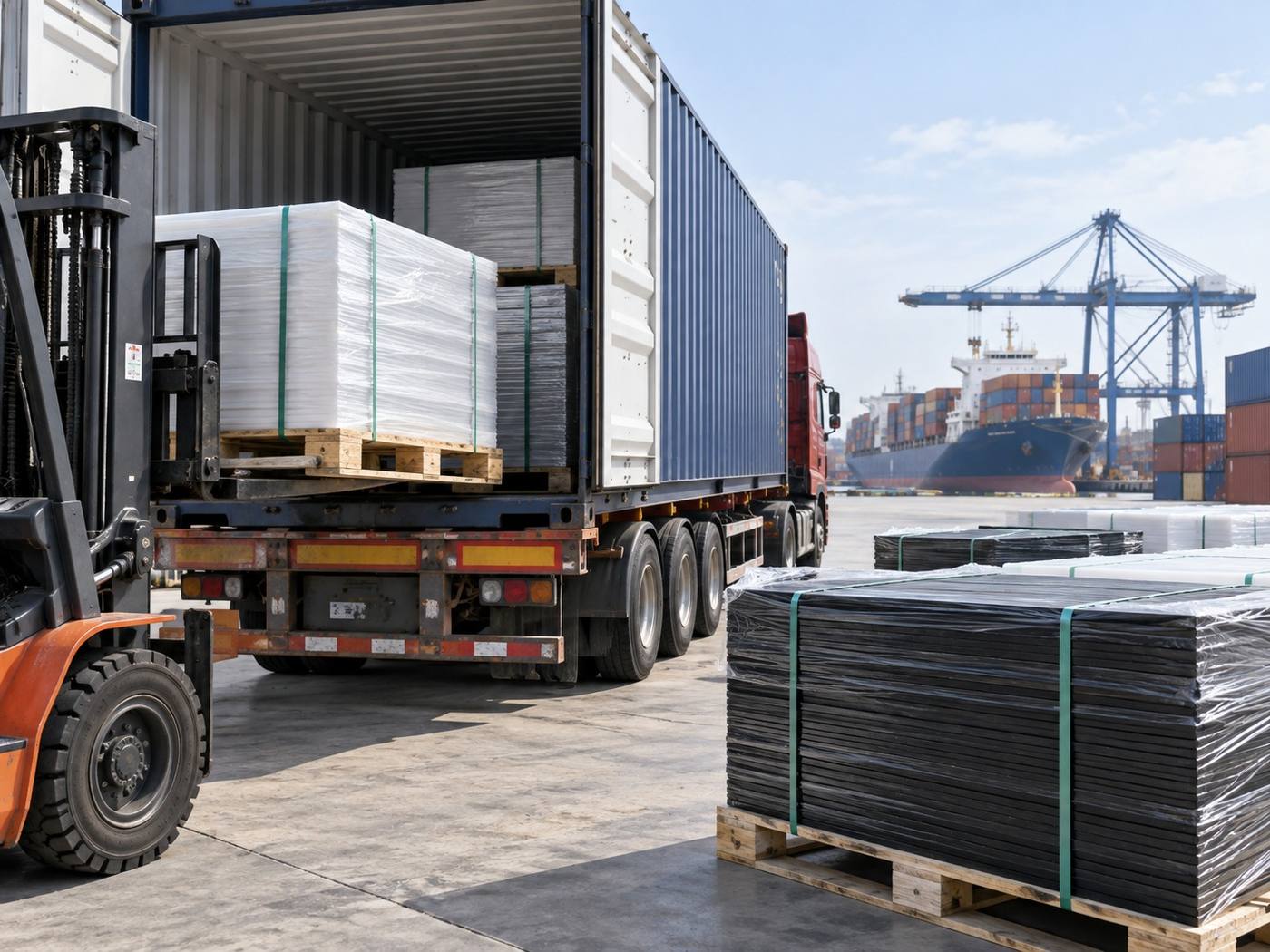
The quotations for the different products should be compared under the same size, material, connection, packaging, delivery and test basis. Supplementary information should be requested if the supplier gives the maximum carrying figures without indicating ground and test conditions. The event scene requires more attention to reuse, removal and quick evacuation than to single laboratory indicators.
The conclusions can be summarized as the first confirmation of the boundary, followed by the configuration of pavements and leg pads, followed by inspection and validation of project data. Formal programmes should also identify the use of restrictions, duty-bearers, decommissioning criteria and evacuation methods to avoid the loss of information as a result of shifts or changes in contractors.
Need for further evaluation of the actual project?
Applications, sizes, quantities, site photographs or drawings and delivery destinations are sent, on which we can identify more suitable products and processing programmes.