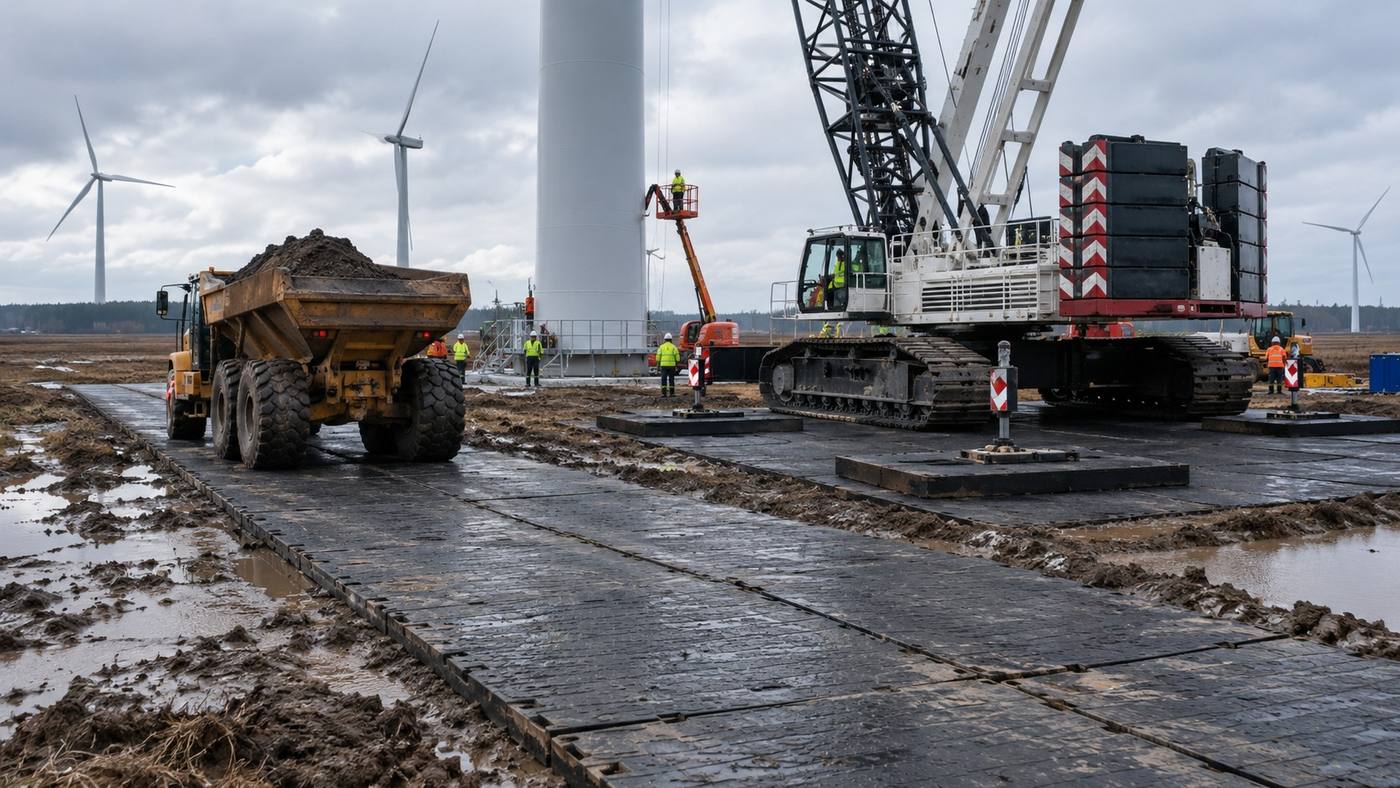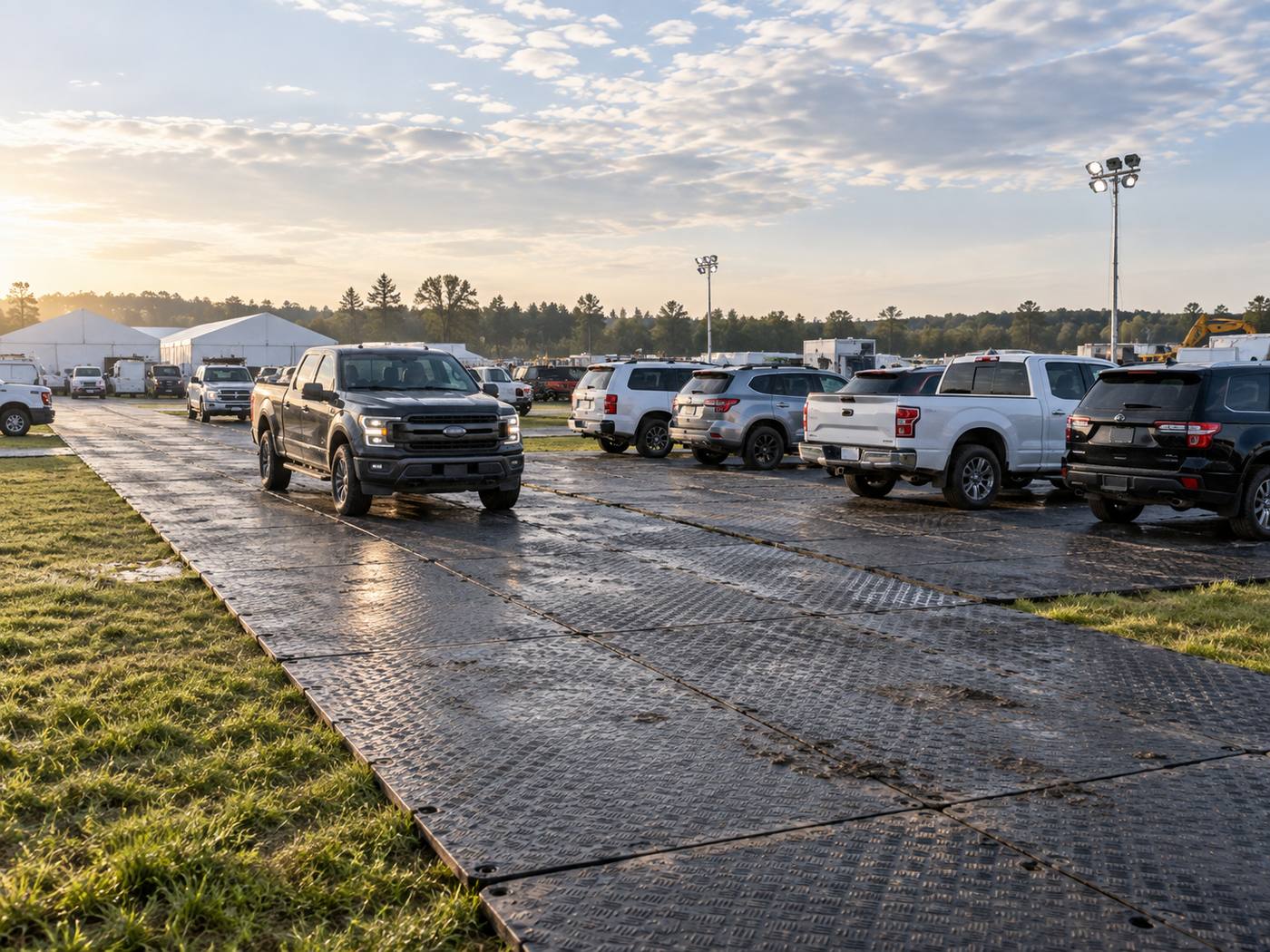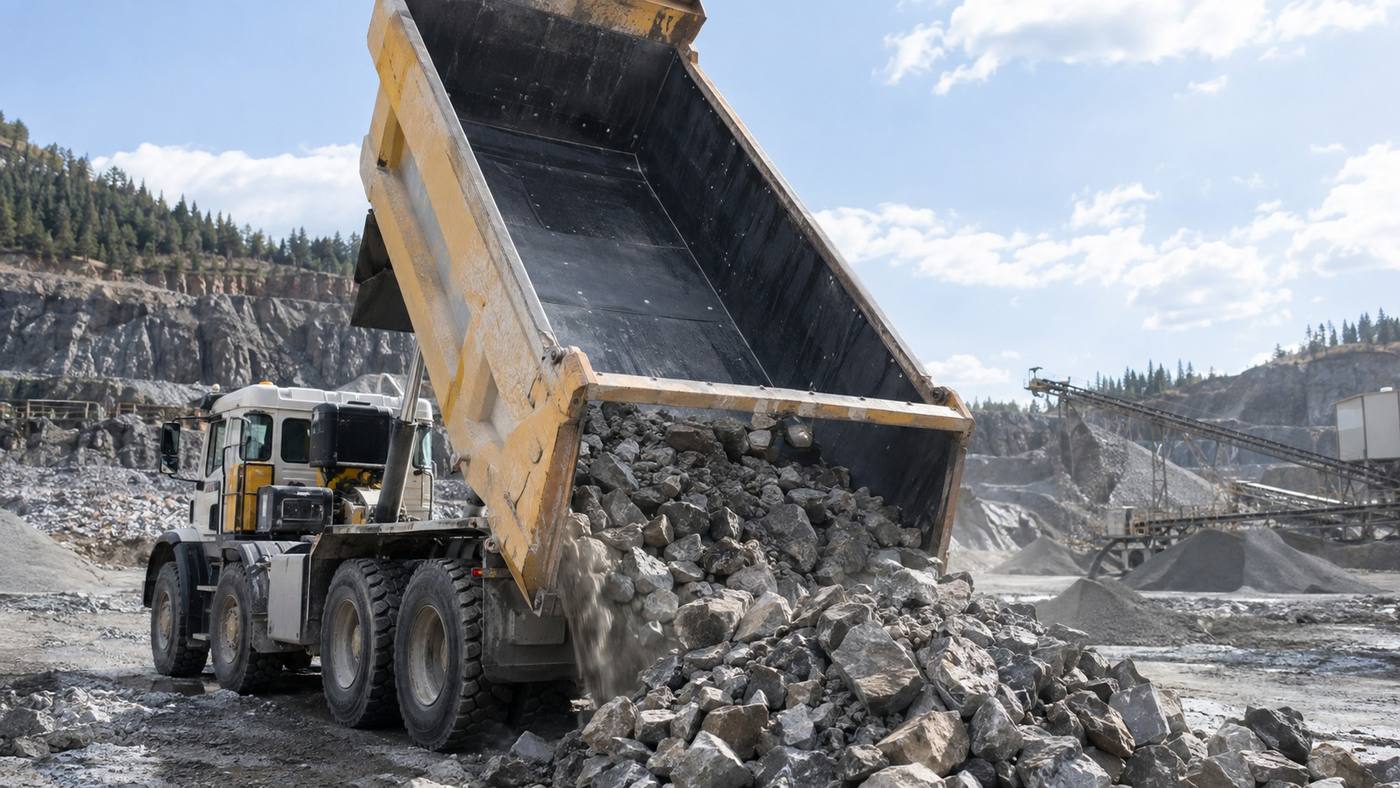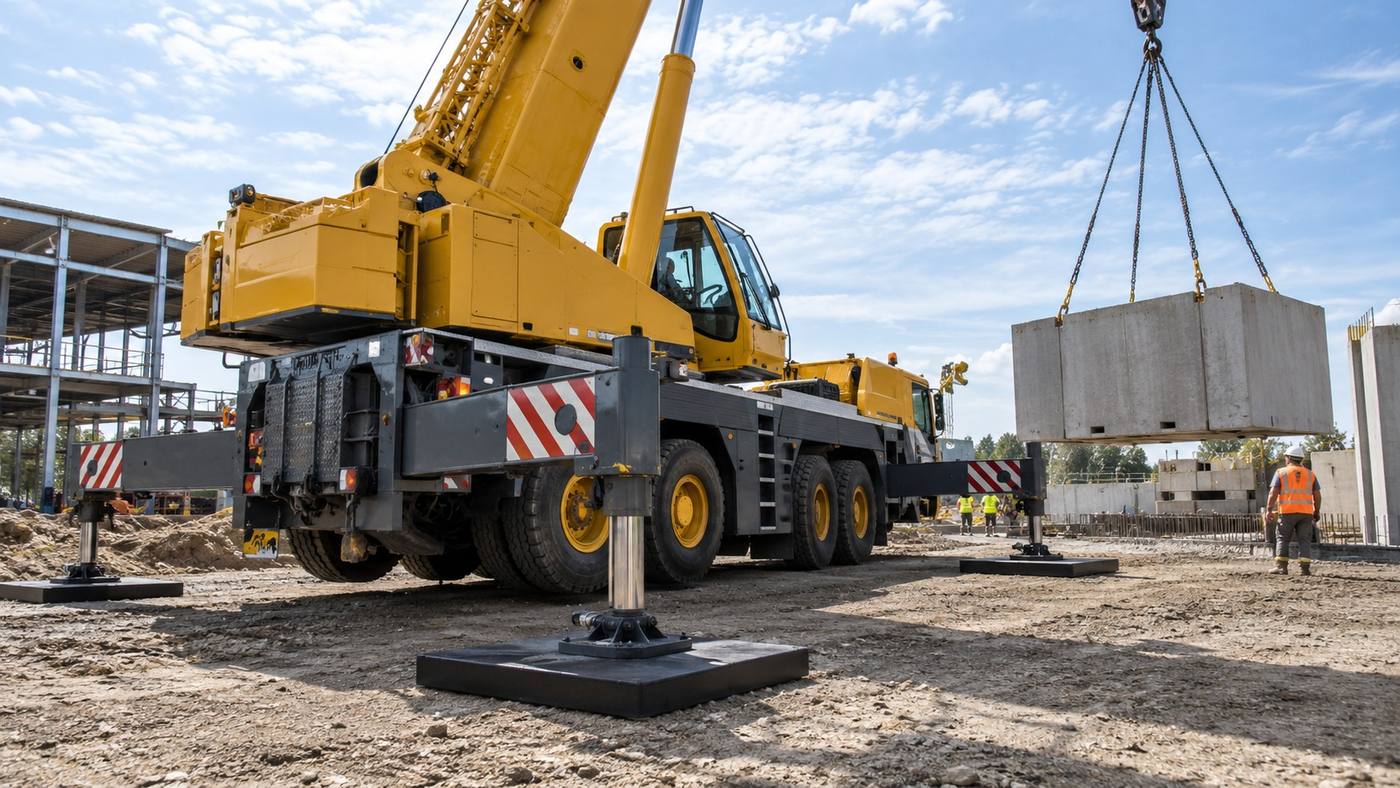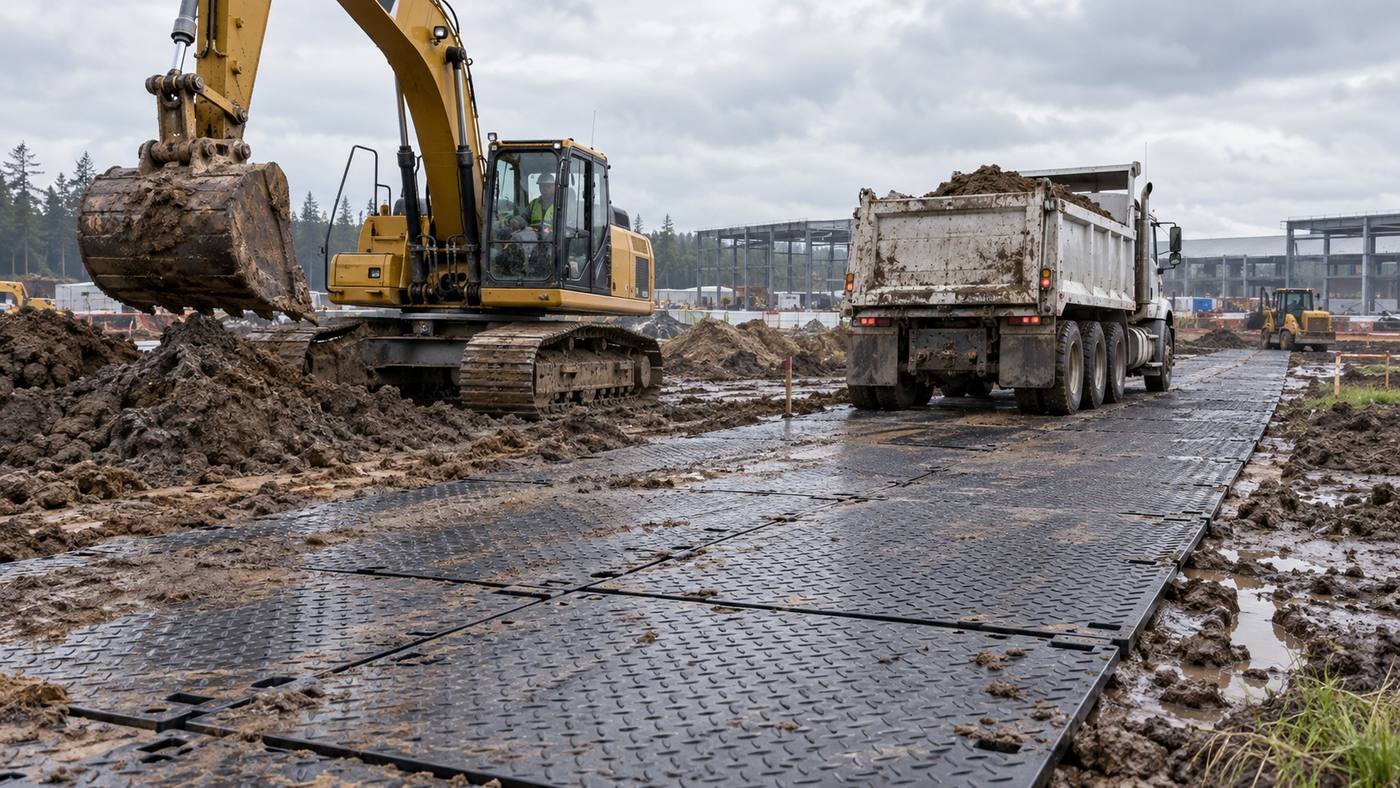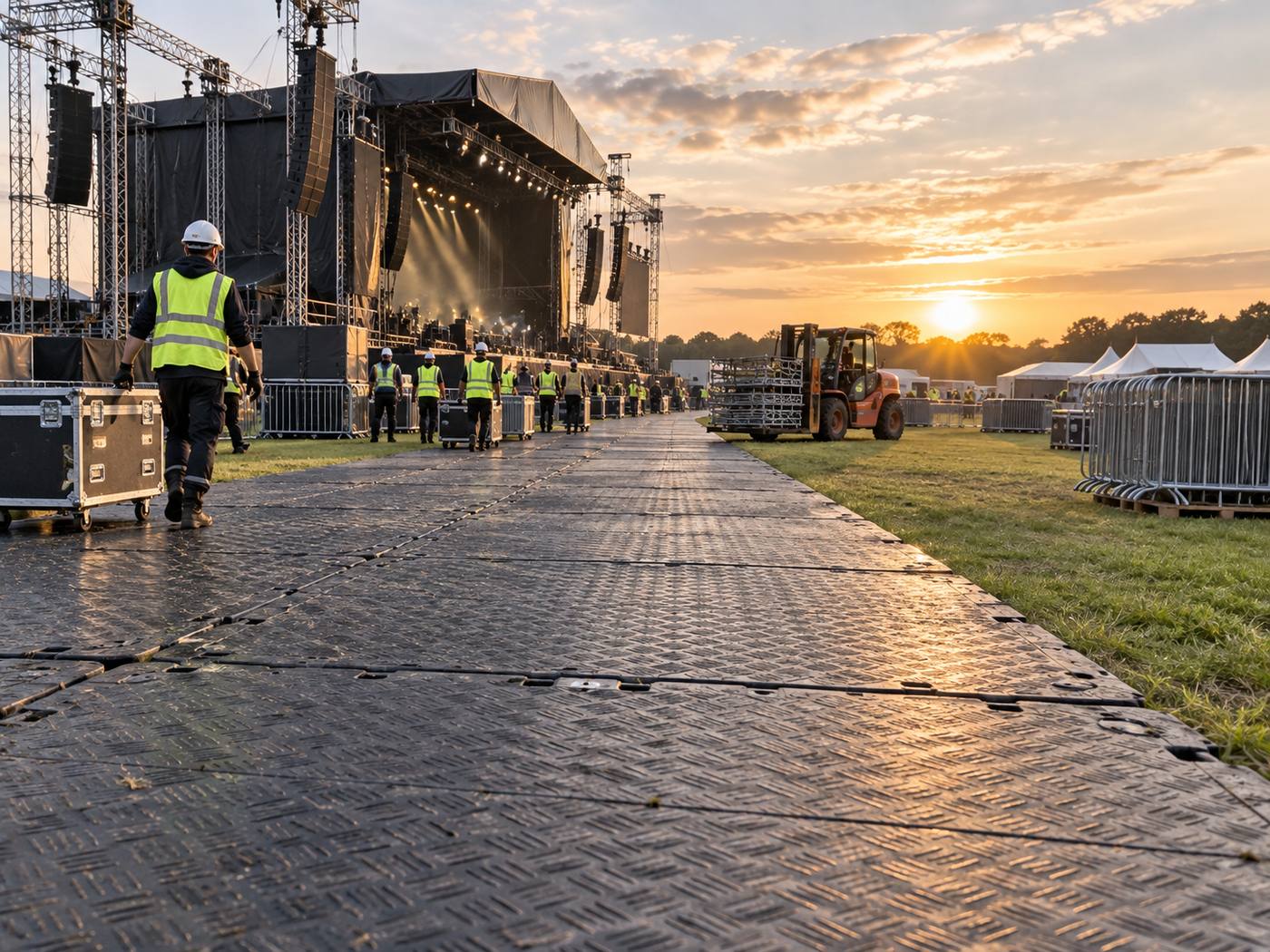
The site was of short duration, but the ground programme could not be temporarily boarded. The project should first indicate the use targets, the most unfavourable weather and the routes that must be maintained for the duration of the continuous rainfall. If drainage congestion and seam migration are ignored, there may be subsequent vehicle waiting, equipment stoppage, lawn claims or audience safety issues.
The procurement staff should provide rainfall, drainage direction, soil water content, soft spot depth, vehicle load and recovery time frames together with site photographs, and indicate where drainage congestion and seams may develop rapidly. The programme can start by increasing the frequency of inspections and recording water accumulation, deposition, plumbing and traffic, and requires suppliers to indicate the number of the material on the board, the grade of the finished product, the basis for testing, the conditions of limitation and the quality of the boundary.
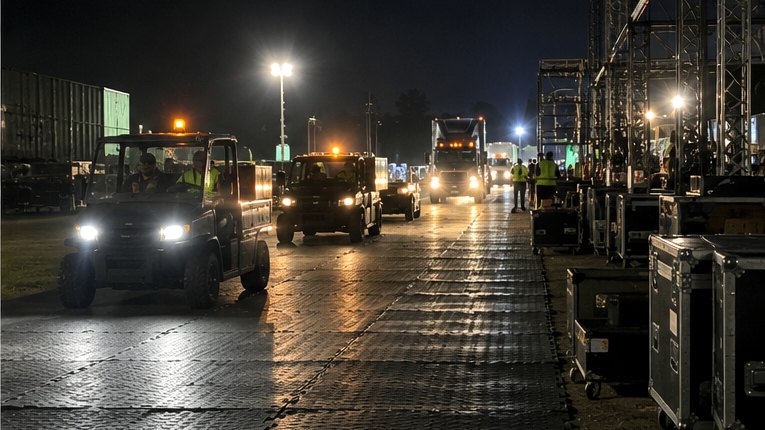
Figure: Activities lasting several days and intermittent rainfall
In the event of a shortage of space on the ground, work cannot be done by reducing the necessary coverage or moving the equipment feeder to the road shoulder. Vehicle stations should be repositioned and sequenced to allow for increased frequency of patrols and sufficient work space to record water accumulation, deposition, plumbing and traffic. The pavement is a temporary layer and cannot be a substitute for drainage and substandard grass-roots treatment. The continuity of routes is reviewed after each change in traffic organization.
Maintenance of the open-ended period of the event should avoid the peaks of the audience as far as possible, but urgent deficiencies cannot be delayed. Covering, repair, re-checking and release processes around water harvesting, pumping mud, sank, edges, connectors and shoulders. Any problem of unconfirmable support or connection should first be disabled.
The receiving and inspection information shall be maintained in the form of a map, product number, photographs of the entry and exit site, initial status and an abnormal work list. In the event of a lawn or road dispute at the end of the activity, the information may distinguish between the original problem, the change in use and the fallout.
The conclusions can be summarized as the first confirmation of the boundary, then the layout of the pavement, followed by the inspection and validation of the project data. Formal programmes should also identify the use of restrictions, duty-bearers, decommissioning criteria and evacuation methods to avoid the loss of information as a result of shifts or changes in contractors.
Need for further evaluation of the actual project?
Applications, sizes, quantities, site photographs or drawings and delivery destinations are sent, on which we can identify more suitable products and processing programmes.