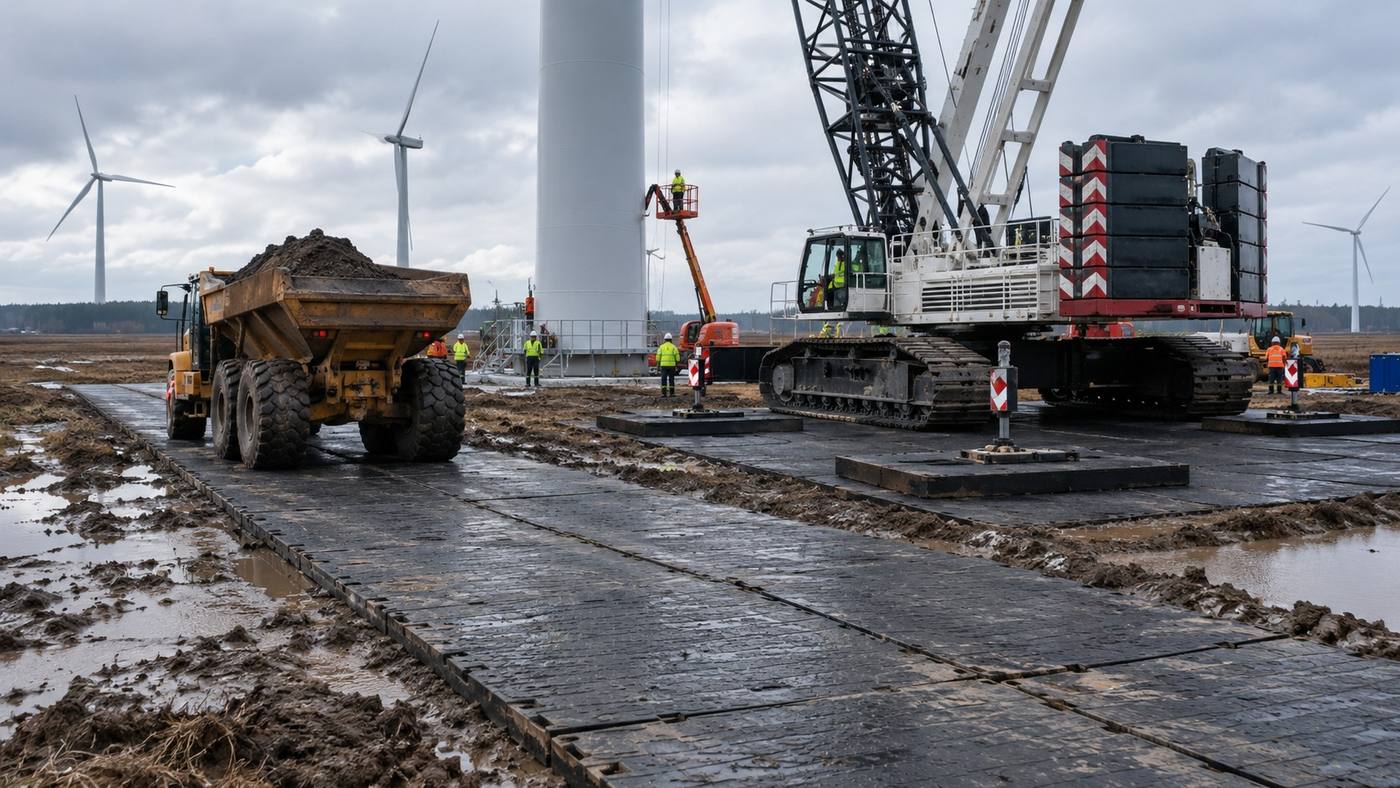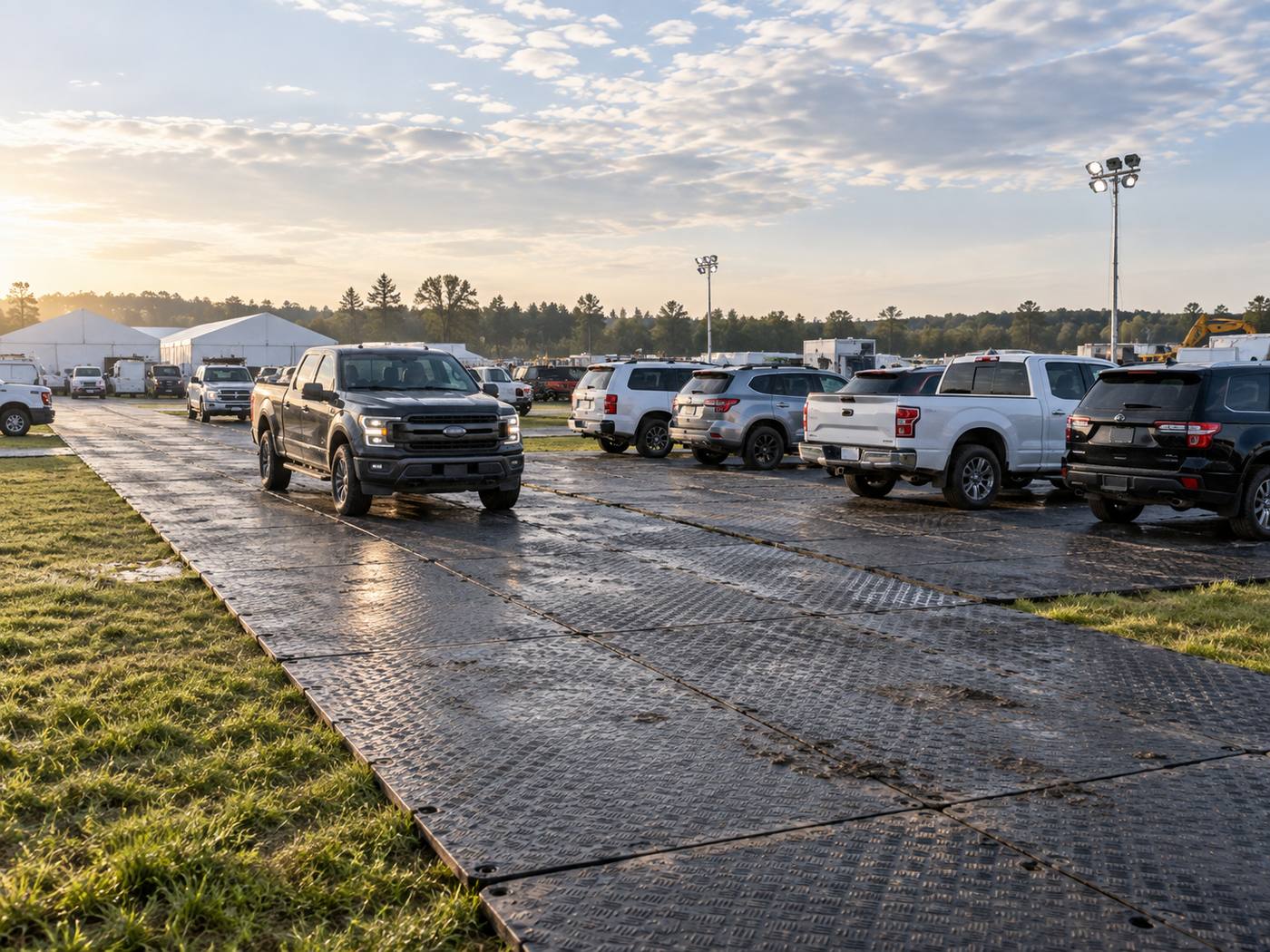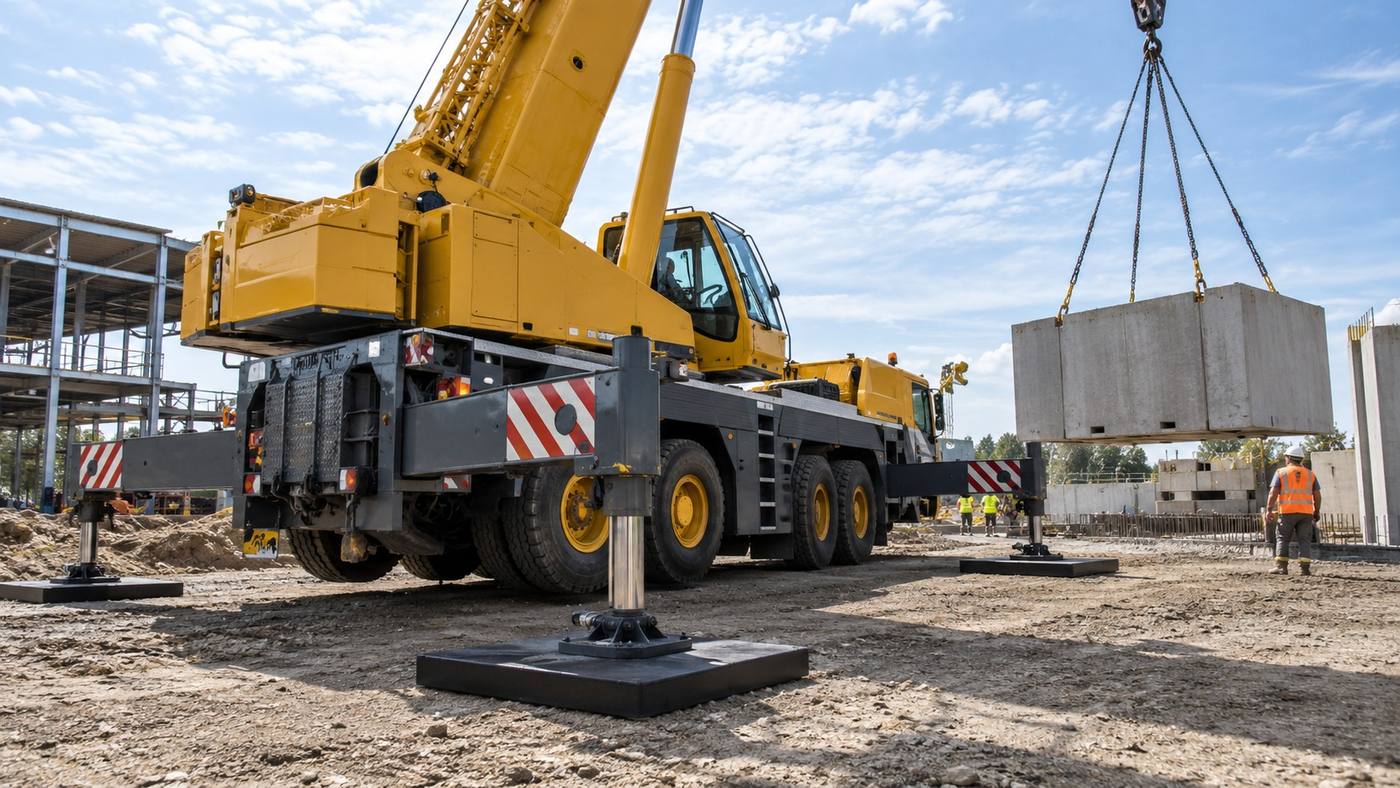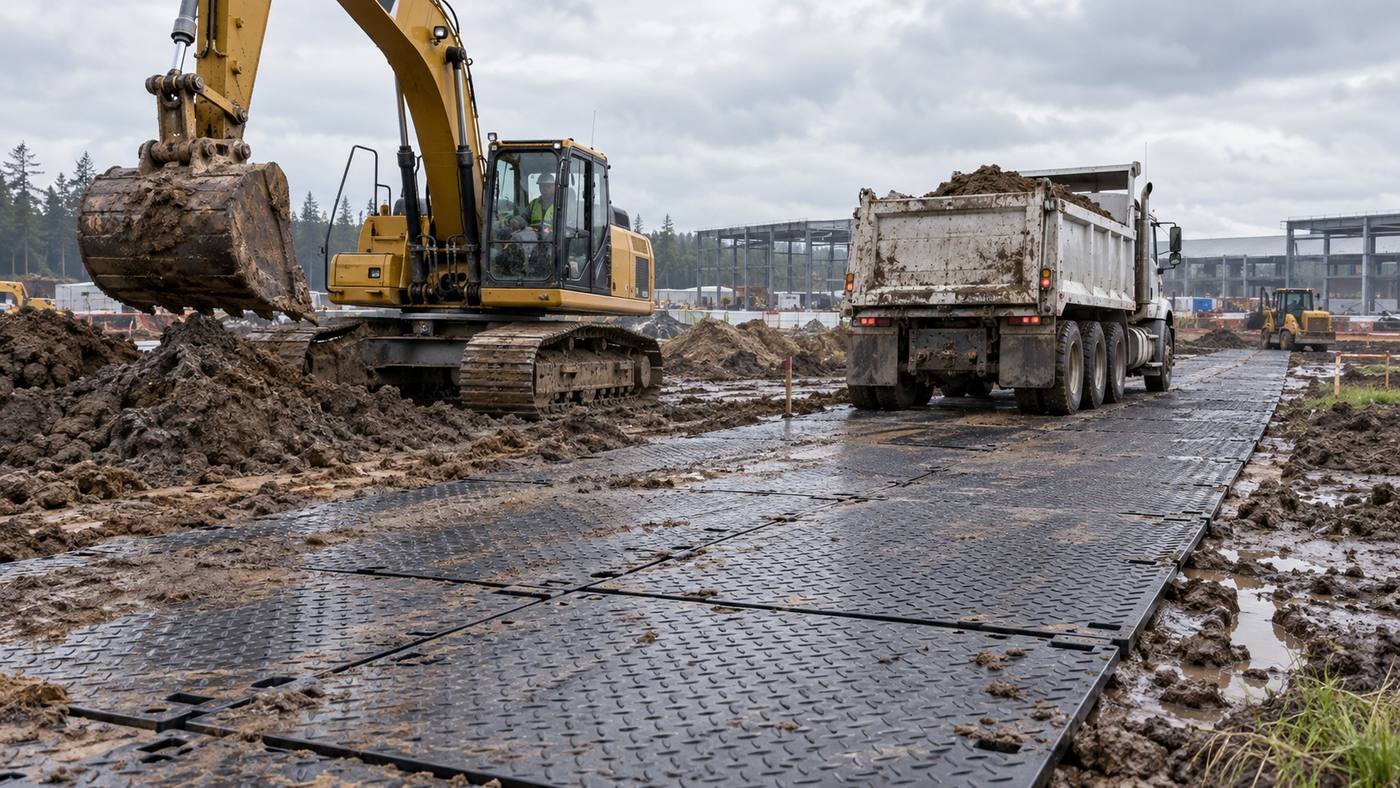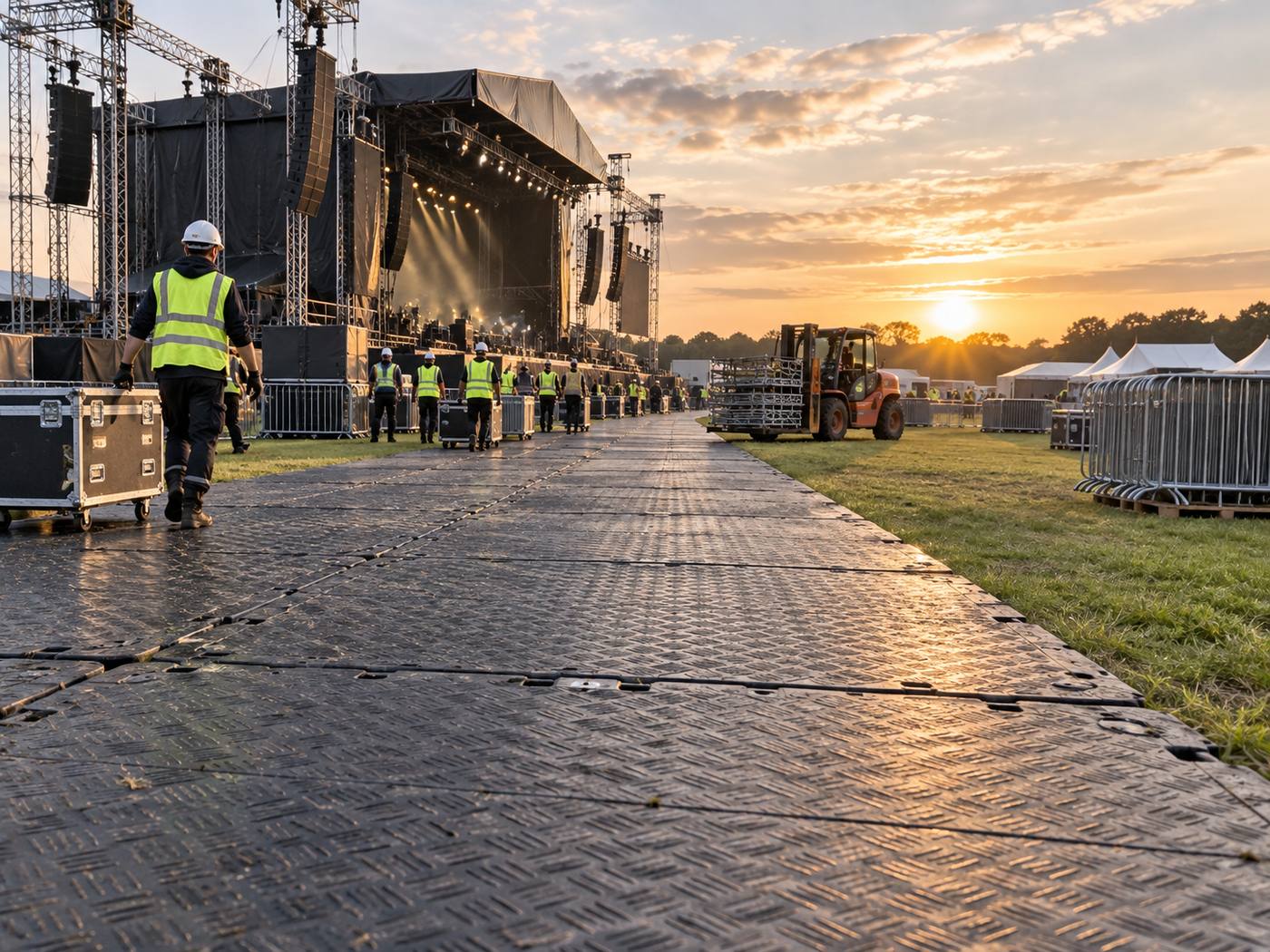
When discussing how the frequent rotation of tour sites could improve the efficiency of laying, a distinction should be made between the surface of the transport, the equipment support and the personnel access. The tour, which replaces the city every few days, may contain three requirements at the same time, and the next entry, which is delayed by misnumbering and missequence, is magnified by traffic overlay. The division of the site into different functional areas is the first step in determining the product, thickness, width and quantity.
The model can be divided into three steps: first, to verify the tour model, the weight of the trailer, the setting of the tent, the resonance of the feeder, the fire route and the rotation cycle, and then to slow down the next entry field by misnumbering and misordering the load to the carrying, stabilization, smoothing or site restoration requirements, and finally to implement the establishment of the road map, the plate number and the reverse load list. Common 15, 20, 25 or 30 mm specifications can only serve as the starting point for the request for quotations, and the final option is to be confirmed in conjunction with the location of the vehicle and the base support.
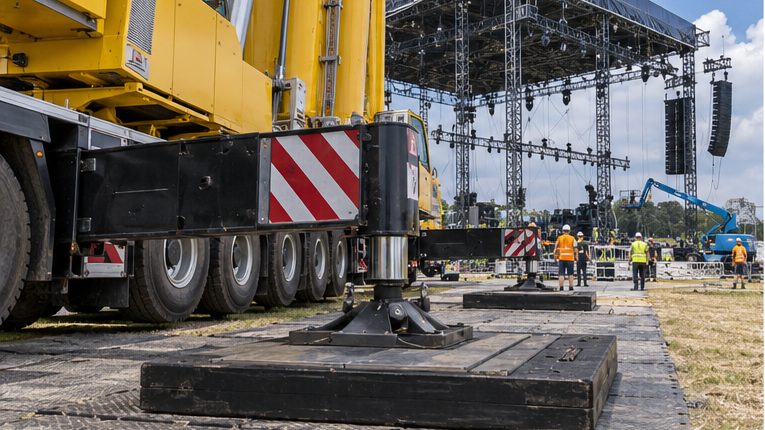
Figure: Change of tour of cities every few days
A small, representative-routing of the road, covering the softest floor and the most heavy vehicles, could be selected prior to formal entry. The tour requires systems that can be quickly laid, numbered and reused. A test observation of seams, grass-roots, tyre tracks and operating space will then determine whether to expand width, increase drainage or reorient traffic.
The inspection cannot be “normal” only. It should be identified on a case-by-case basis around the camp road, the perimeter of the tent, legs, drainage and fire-fighting areas, and the anomalies should be classified into three levels of observation, restriction and decommissioning. Repeated miscalculation and miscalculation of the next entry in the same area require a return to drainage, grass-roots, traffic or re-analysing of specifications rather than the constant replacement of surface components.
The quotations for the different products should be compared under the same size, material, connection, packaging, delivery and test basis. Supplementary information should be requested if the supplier gives the maximum carrying figures without indicating ground and test conditions. The event scene requires more attention to reuse, removal and quick evacuation than to single laboratory indicators.
The conclusions can be summarized as the first confirmation of the boundary, followed by the configuration of pavements and leg pads, followed by inspection and validation of project data. Formal programmes should also identify the use of restrictions, duty-bearers, decommissioning criteria and evacuation methods to avoid the loss of information as a result of shifts or changes in contractors.
Need for further evaluation of the actual project?
Applications, sizes, quantities, site photographs or drawings and delivery destinations are sent, on which we can identify more suitable products and processing programmes.