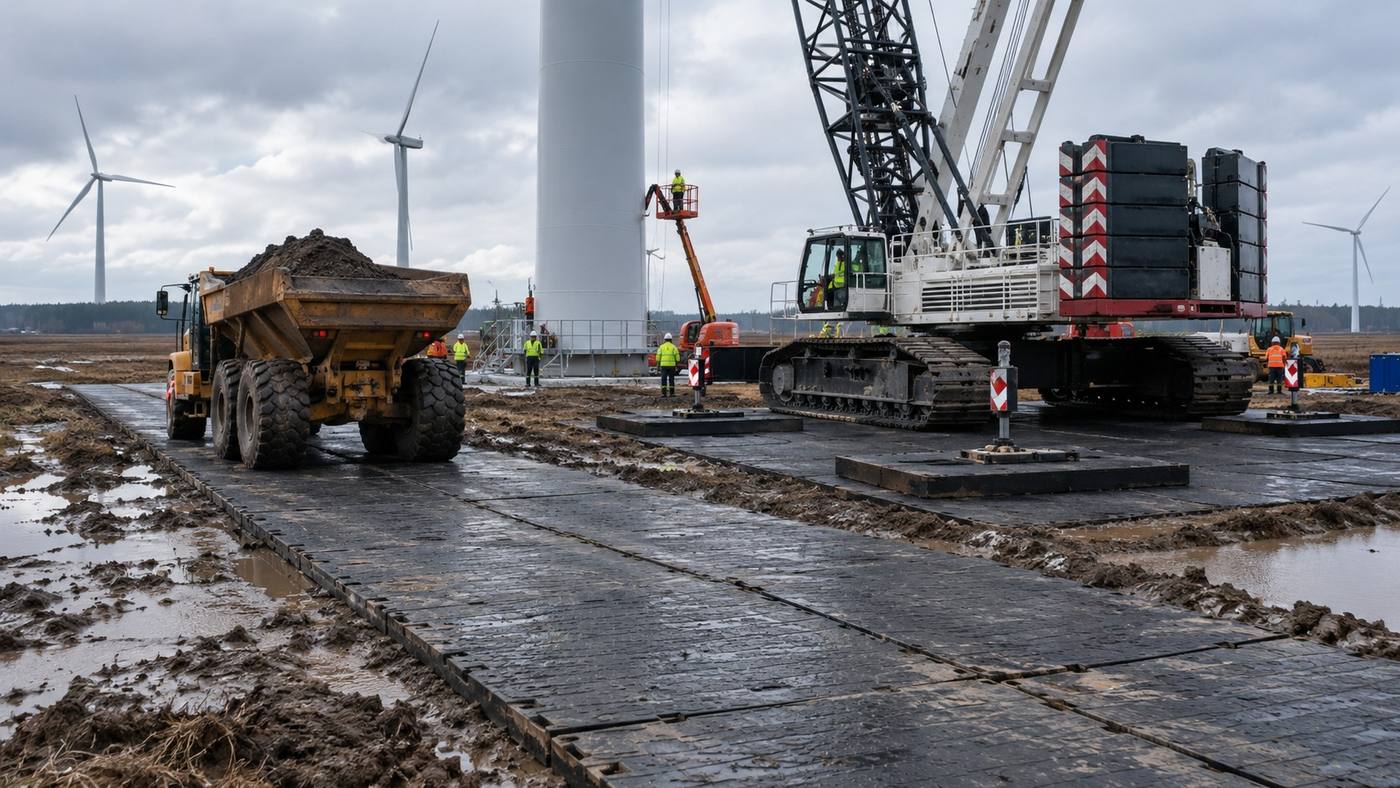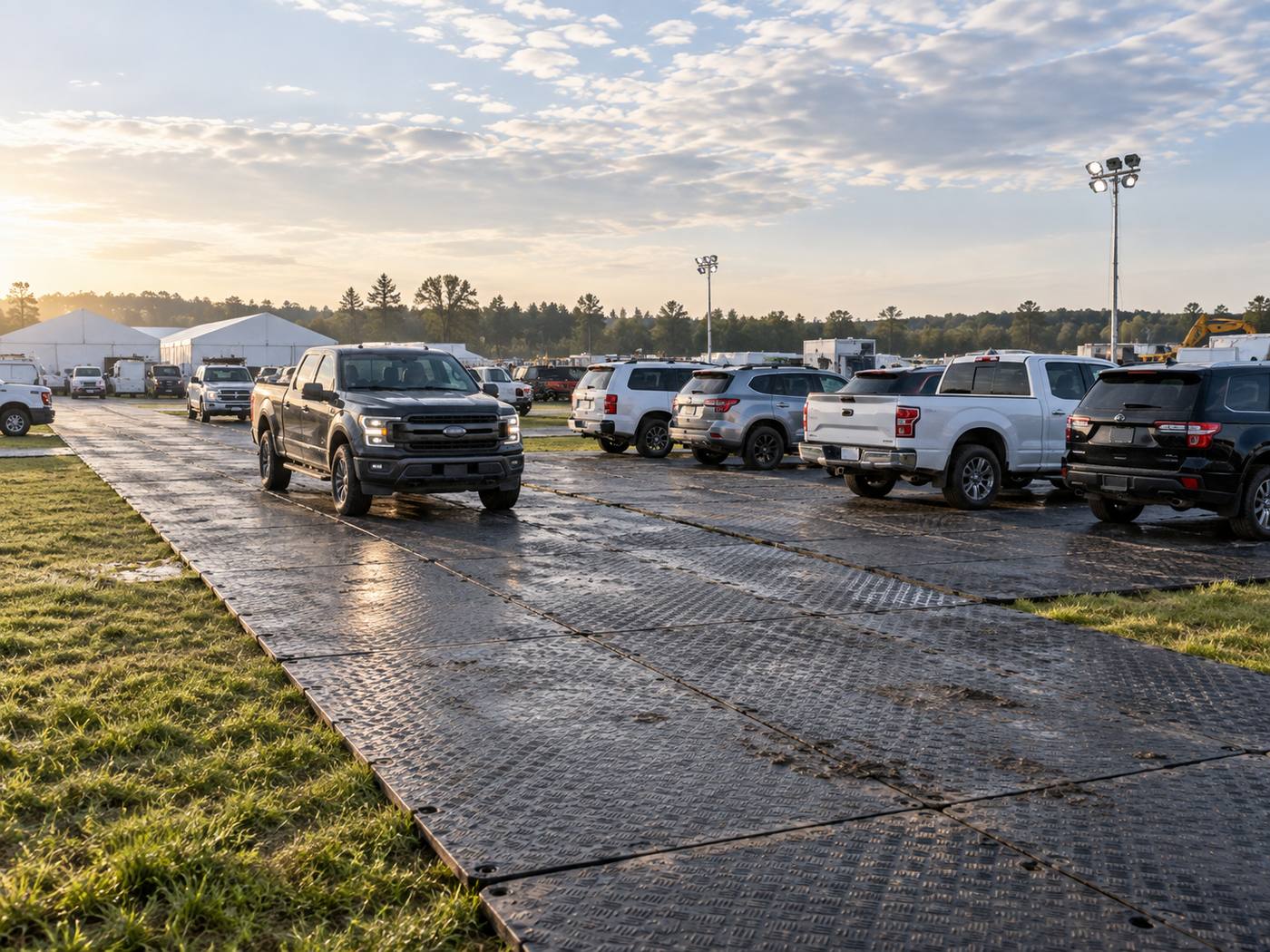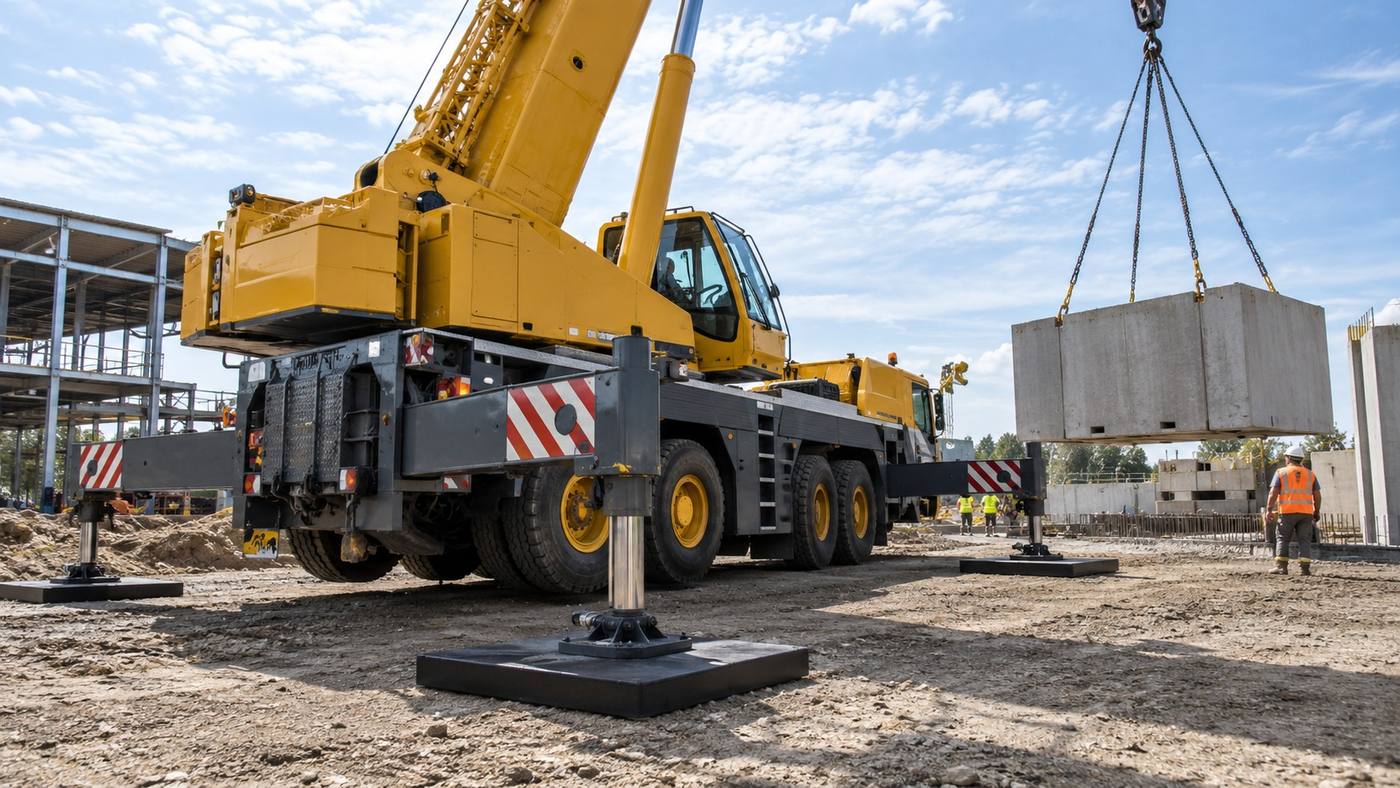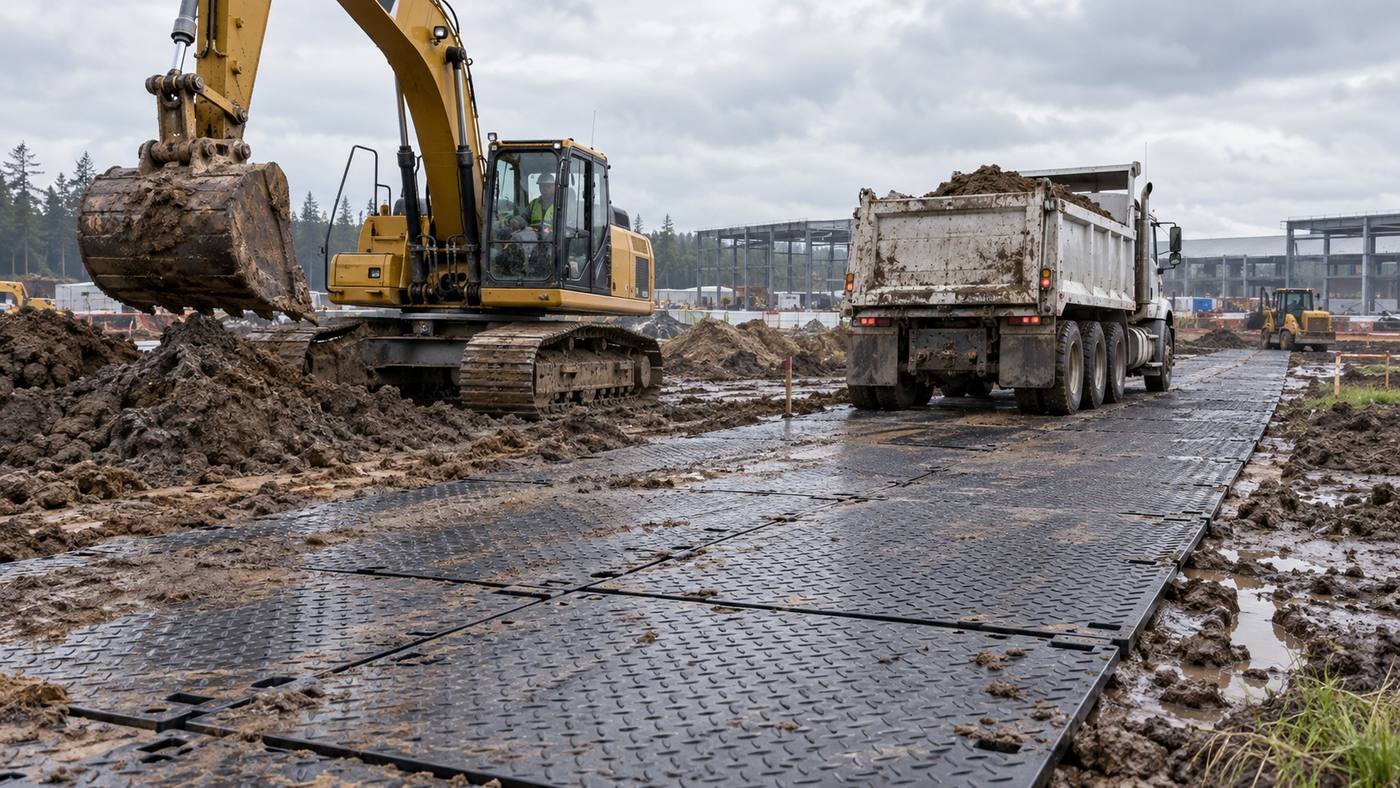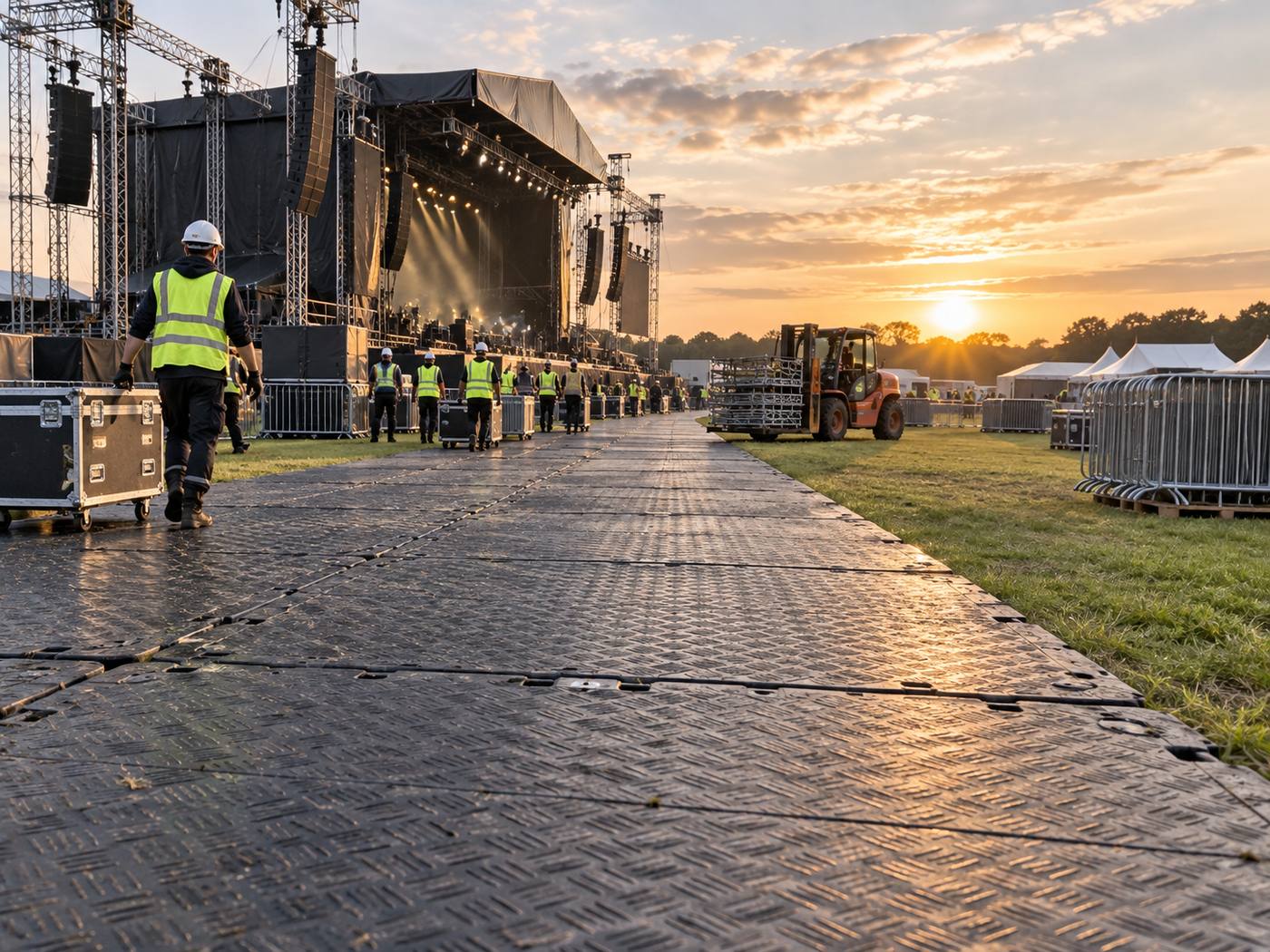
The base of the sound towers and light towers is not the only way to protect the ground and to see if they are accessible on the day of the event. The base of the tower is subject to static and wind loads on the lawn, which usually undergo multiple stages of entry, build, open, resupply and evacuation, with continuous changes in the water content and traffic on the ground. The first to be controlled is the possibility that small floors may collapse and change verticality, otherwise temporary roads, even if paved, may again fail because of route, grass-roots or operational problems.
The procurement staff shall provide the total weight of the equipment, maximum retroactivity of the leg, the suspension condition, the endurance of the ground, the underground facility and the weather window, together with the photographs of the site, and shall mark the possible crushing of the small area base and change the position of the vertically present. The programme could begin with a comparison between the provision of flat support under the structural programme and continuous check of ground-based changes, requiring suppliers to indicate the plate number of the material, the grade of the finished product, the basis of testing, the conditions of limitation and the boundary of quality protection.
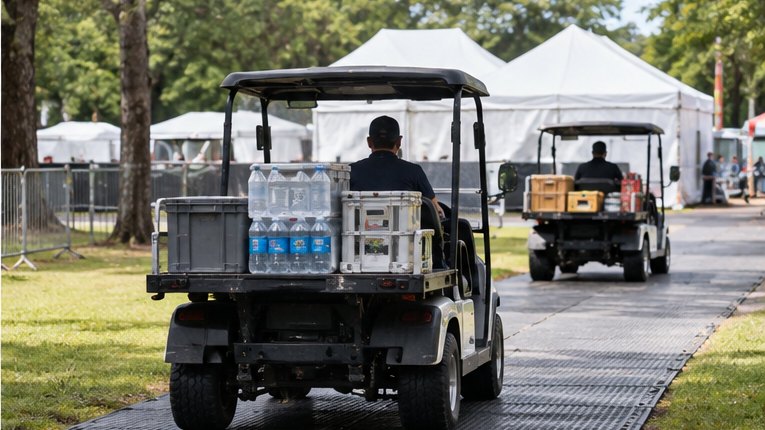
Figure: Stationary and wind load on the lawn at the base of the tower
The installation should leave measurement and photographic evidence. First, ground leveling and drainage are identified, and then full contact, connection, edge and transition of the pavement with the leg mat is checked. The pavements are for passage and the mats for extension of the feeder, which cannot be replaced by one another. Any situation requiring forced re-evaluation of holes, temporary advances or piles should be returned to the head of the technology.
The inspection cycle should be shortened at the beginning of the operation and the product should be stabilized and adjusted for risk. Focus on sedimentation, horizontality, full exposure, edge distance and connectivity, while observing drivers ' compliance with speed limits and shift requirements. Loose connectors, deep mouths, abnormal arctic arctics, or strip shifts should be immediately photographed and closed.
Before expanding the application, it was recommended that a common review of operations, build-up, HSE, site and procurement be undertaken. The requirements for movement, inspection, site protection and delivery are identified separately by each party and can be tested for the provision of flat support under the structural programme and for the continued examination of whether ground-based changes are truly implementable.
It needs to be emphasized that pavements and stubbles can only function in the approved operational system of activities and cannot be a substitute for unsatisfactory foundations, damaged equipment or irregular operations. Any unknown underground facility, perimeter instability, posturing of equipment beyond the Manual or failure to isolate persons should be suspended and upgraded.
Need for further evaluation of the actual project?
Applications, sizes, quantities, site photographs or drawings and delivery destinations are sent, on which we can identify more suitable products and processing programmes.