The same road map needs to be used by the event sponsors, the site and the builders for what ground protection is required for the race repeater parking area. In the case of heavy repeater vehicles, for long periods of time and equipment, it is easy to get vehicles into unprotected areas and trigger a combination of static, legs and cables to affect the ground, if they are planned separately. Only when the boundaries and responsibilities are harmonized will there be a clear basis for product allocation.
The selection can be divided into three steps: first, to verify the number of parking, the type of vehicle, the peak of access, the ground load, accessibility requirements and the evacuation programme, then to co-expose static, leg and cable trenches to the ground for carrying, stabilizing, smoothing or site restoration requirements, and finally to implement the design of a continuous load surface and a separate leg pad for the feeder. Common 15, 20, 25 or 30 mm specifications can only serve as the starting point for the request for quotations, and the final option is to be confirmed in conjunction with the location of the vehicle and the base support.
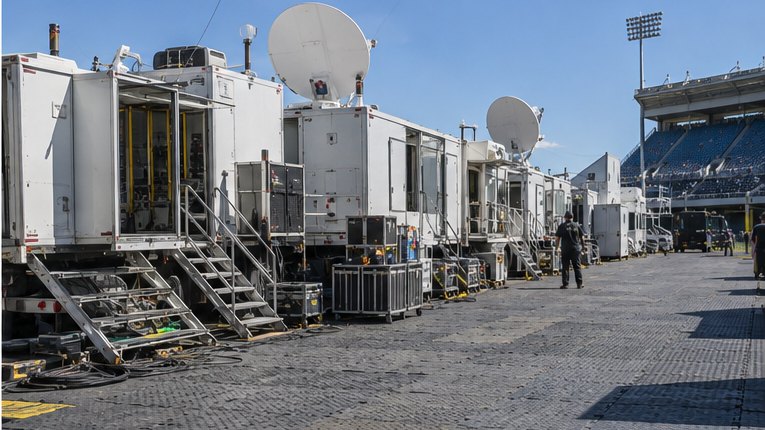
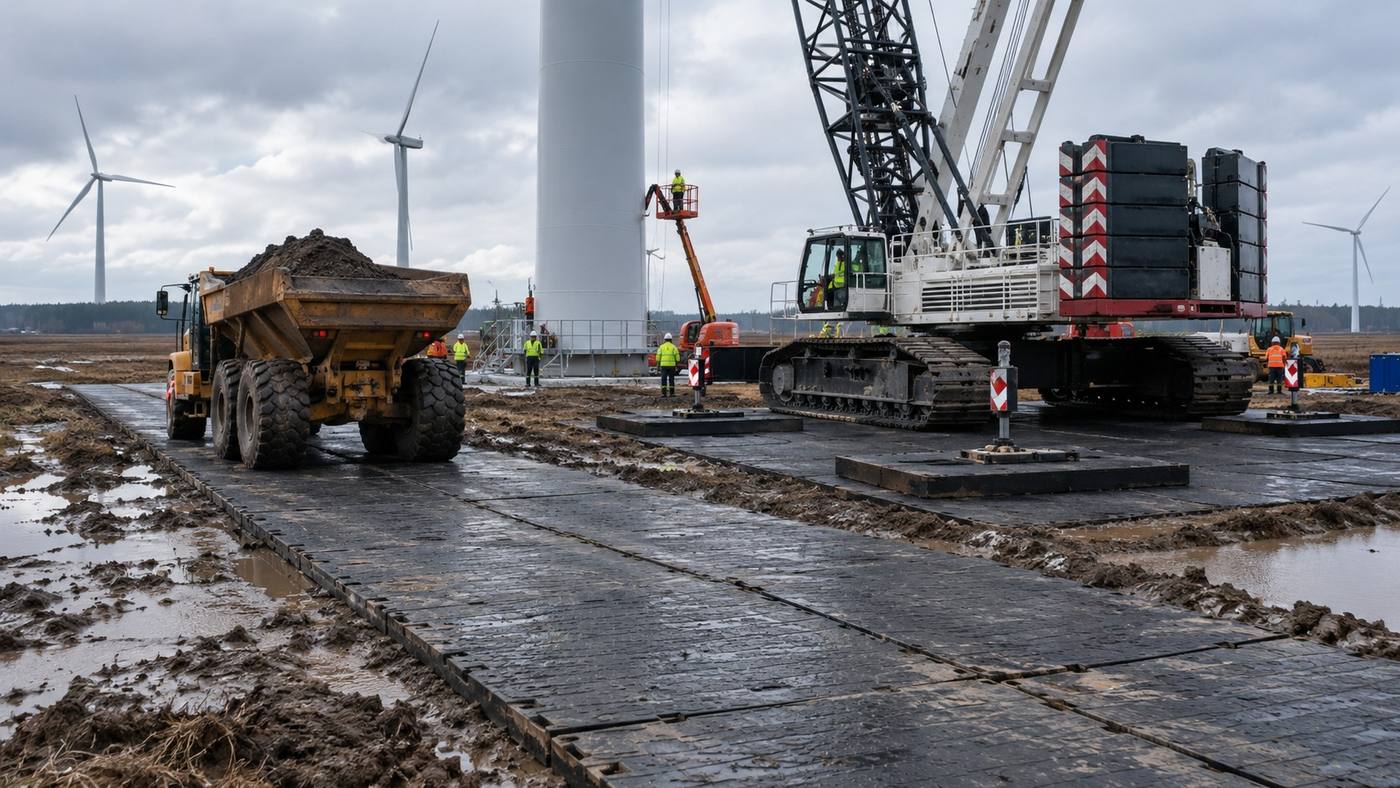
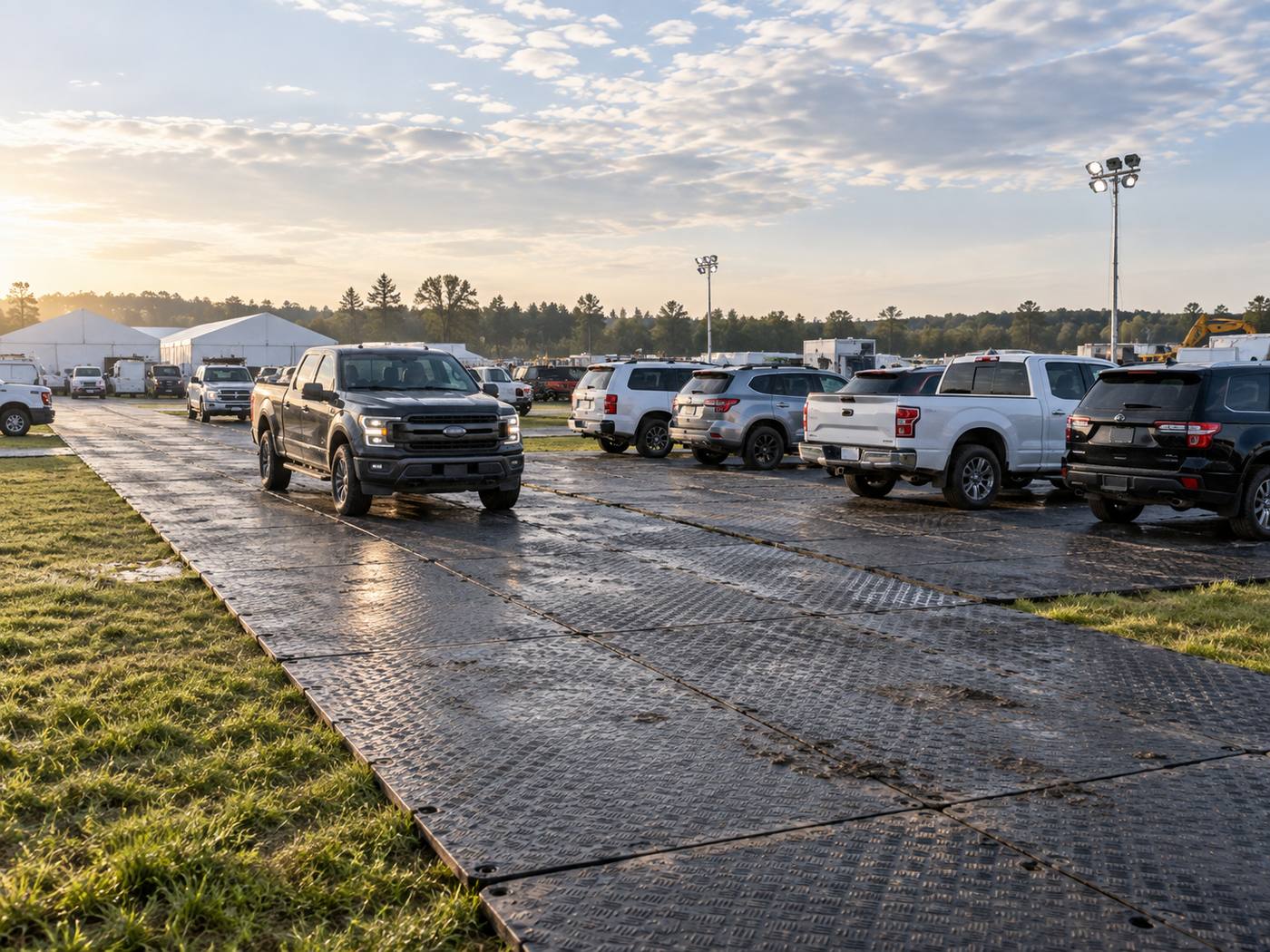
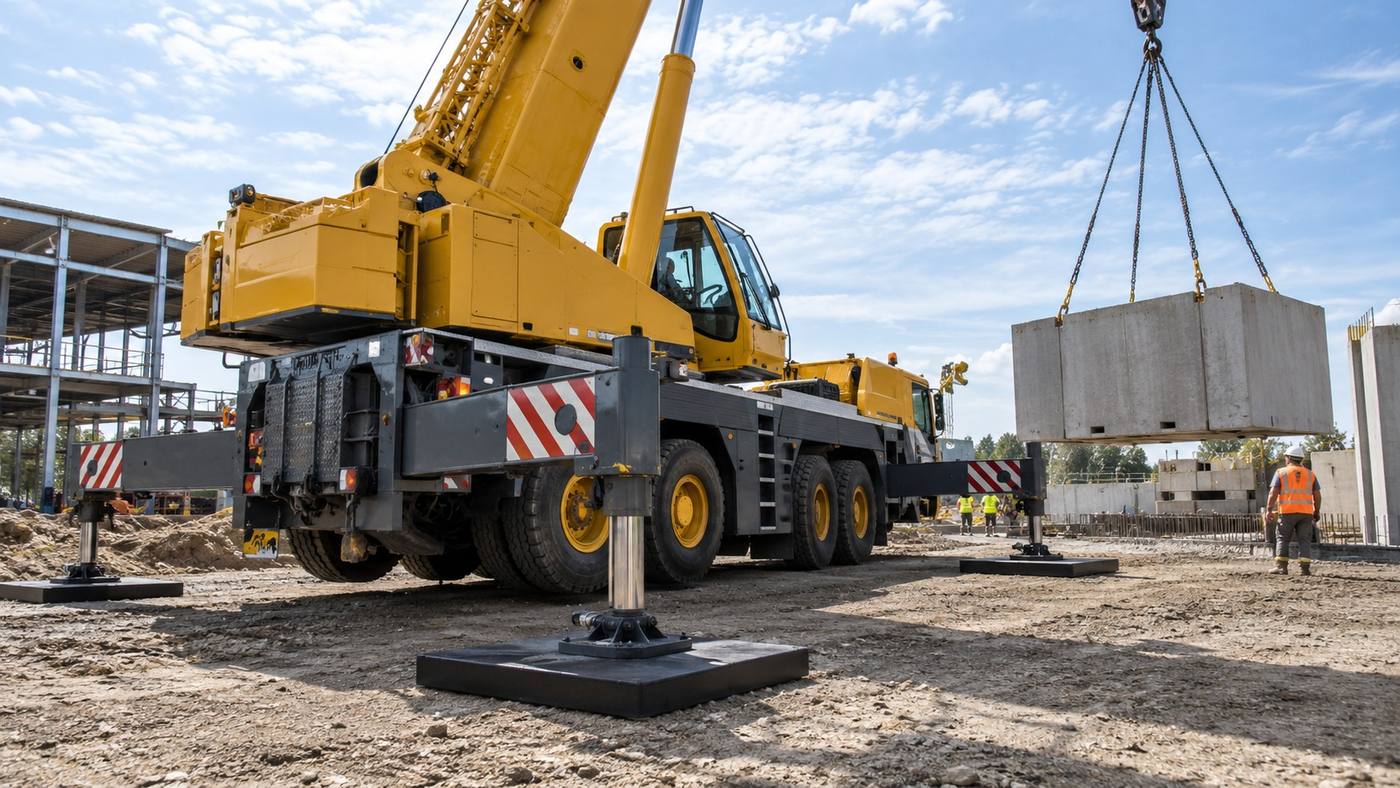
Figure: Heavy repeater vehicles stationed for long periods and equipment deployed
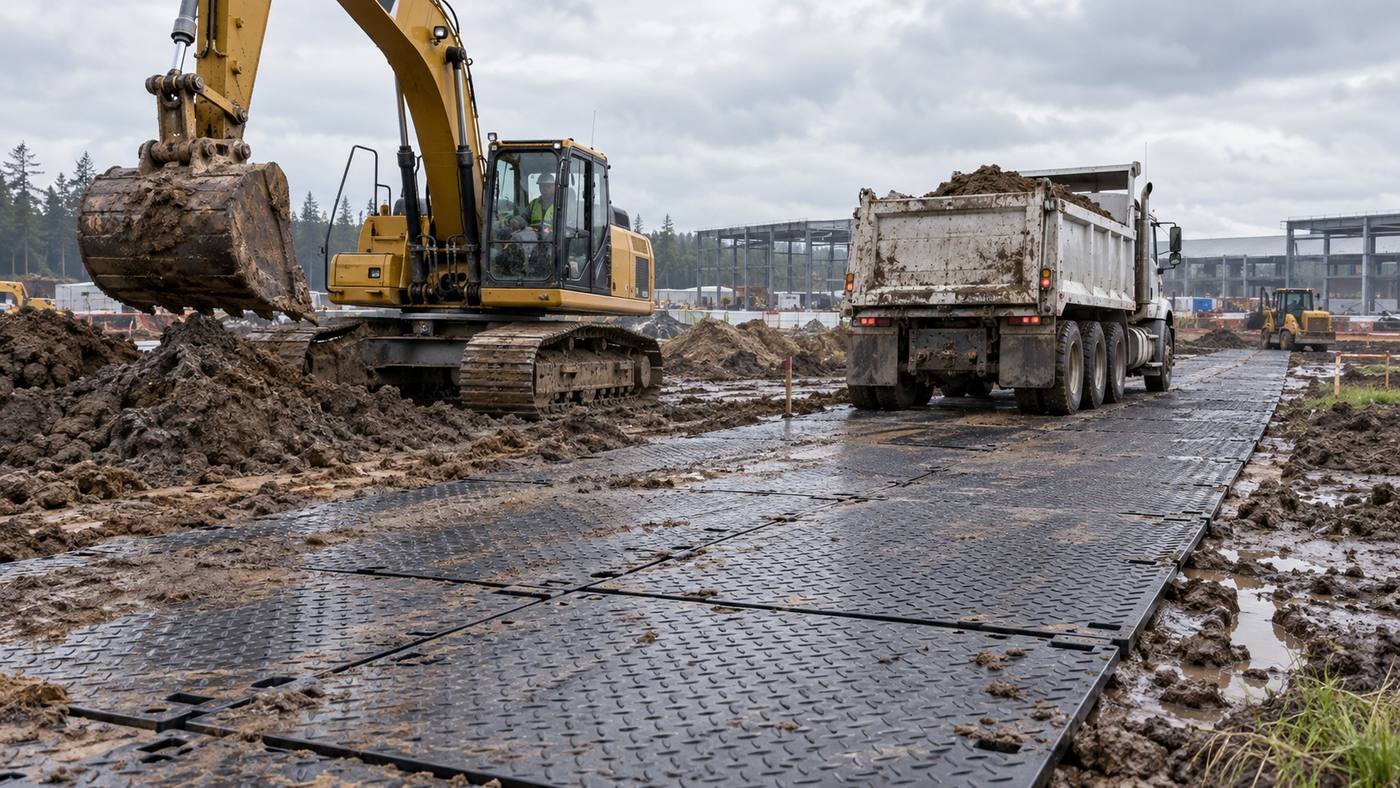
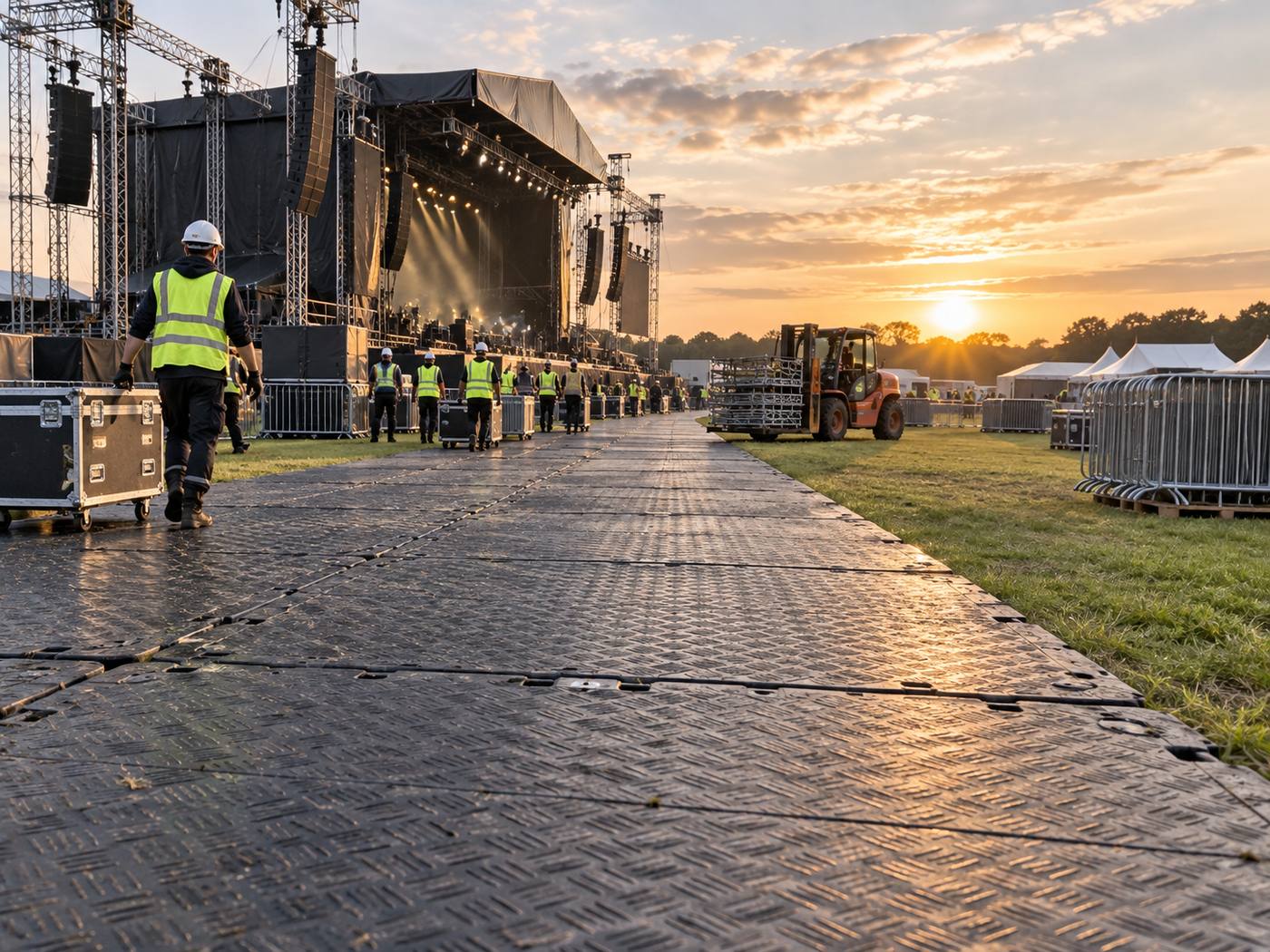
Prior to implementation, the area of operations should be sealed to remove sharp stones, wooden stakes and miscellaneous items that would cause spot loads, repair deep-pit tracks and remove drainage. The temporary parking area does not cover grassland alone, but is a complete transport organization. The planks are to be aligned to the main traffic, with an appropriate extension of coverage at the bend and docking points; and the leg mats must be fully exposed and inert, and should not be filled with random stacking or field cutting.
Maintenance of the open-ended period of the event should avoid the peaks of the audience as far as possible, but urgent deficiencies cannot be delayed. Blocks, repairs, rechecks and release processes around entrances, driveways, turns, low-lying areas, edges and emergency exports. Any problem of unconfirmable support or connection should first be disabled.
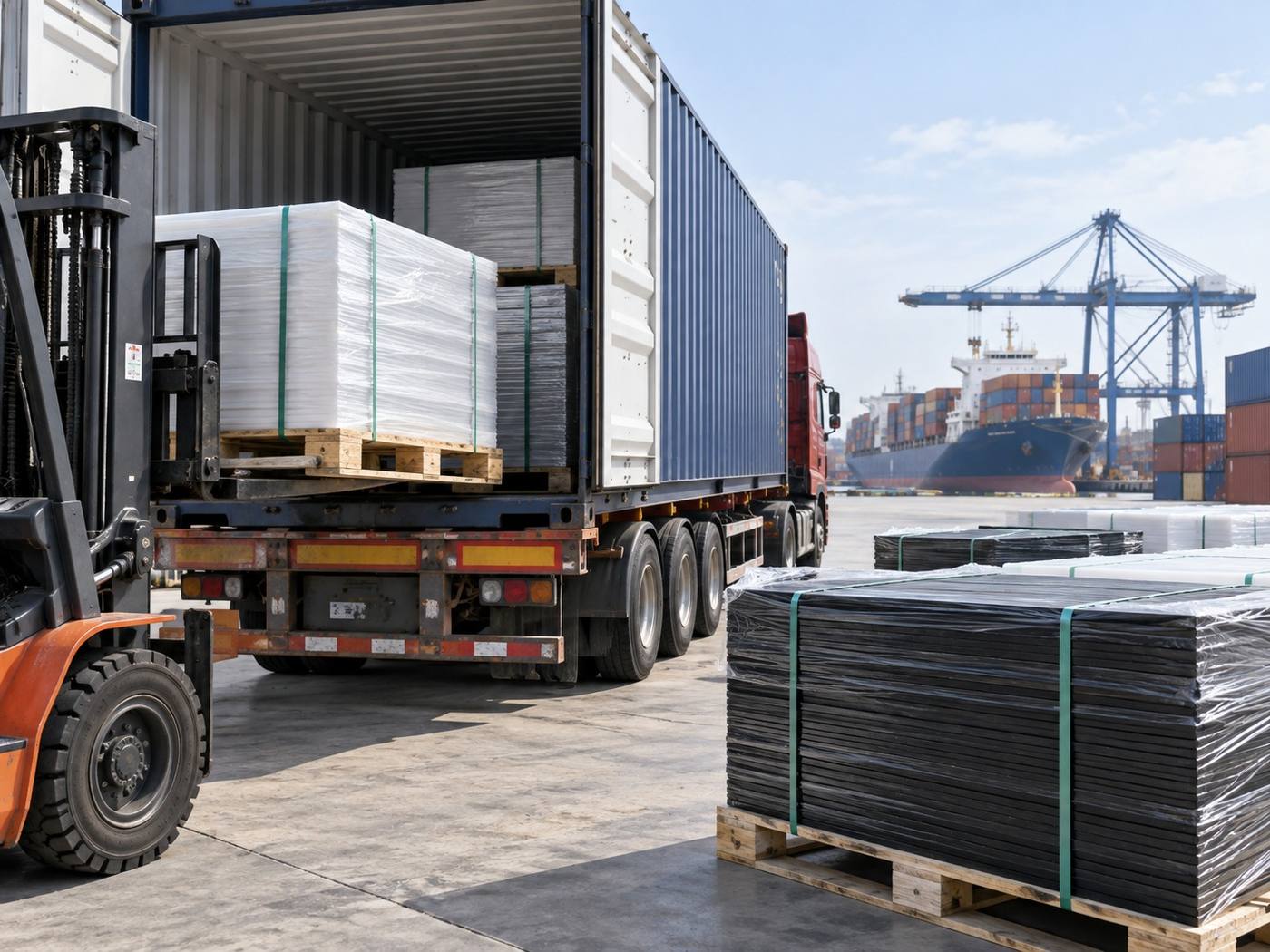
The quotations for the different products should be compared under the same size, material, connection, packaging, delivery and test basis. Supplementary information should be requested if the supplier gives the maximum carrying figures without indicating ground and test conditions. The event scene requires more attention to reuse, removal and quick evacuation than to single laboratory indicators.
This paper provides a selection and management approach that does not replace equipment specifications, interim structural programmes, ground-based evaluations and local regulations. Work involving lifting support, underground facilities, vehicular roll-backs, public traffic or access to dangerous areas shall be reviewed and quarantine and emergency procedures implemented by persons with appropriate qualifications. The above data can be provided in the request for quotations to obtain recommendations for size, thickness, quantity, packaging and shipment.
Need for further evaluation of the actual project?
Applications, sizes, quantities, site photographs or drawings and delivery destinations are sent, on which we can identify more suitable products and processing programmes.