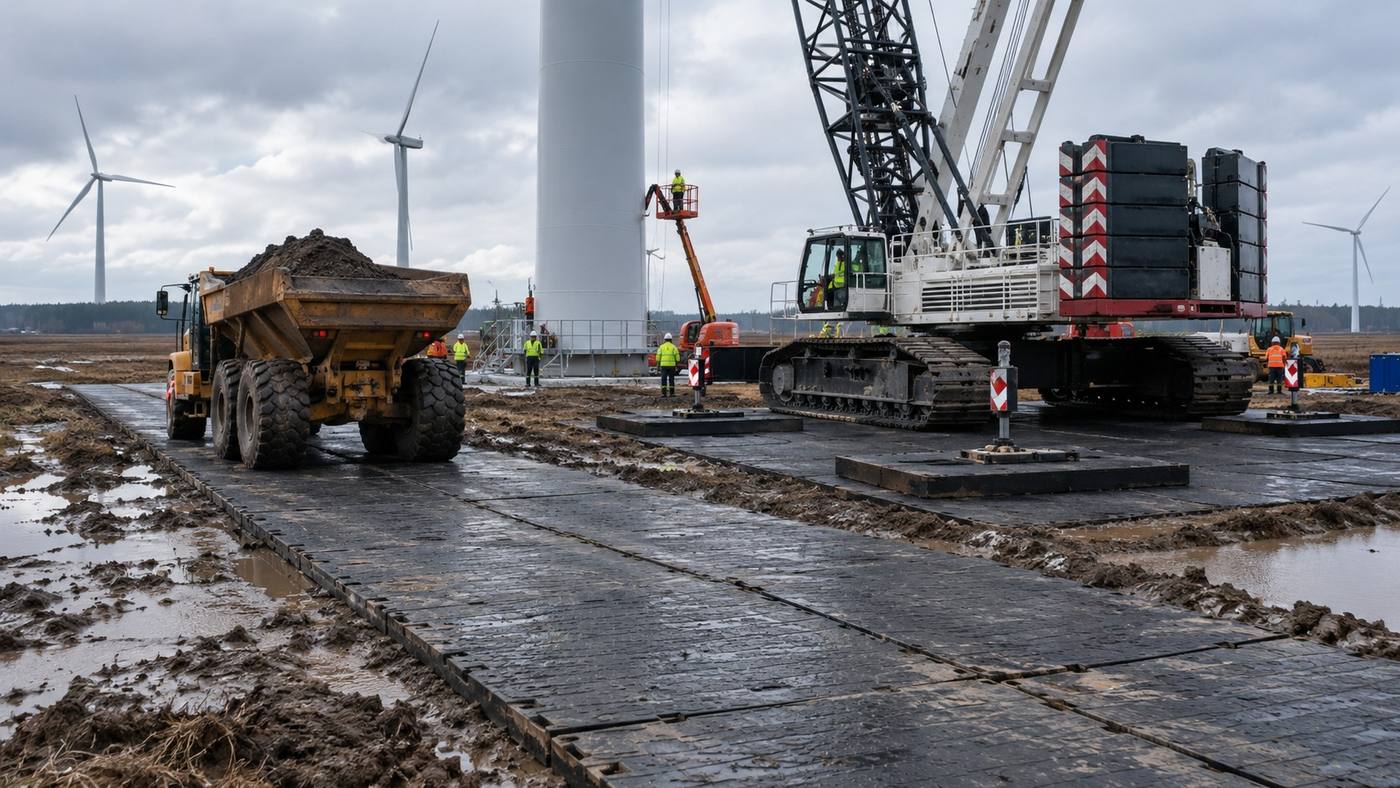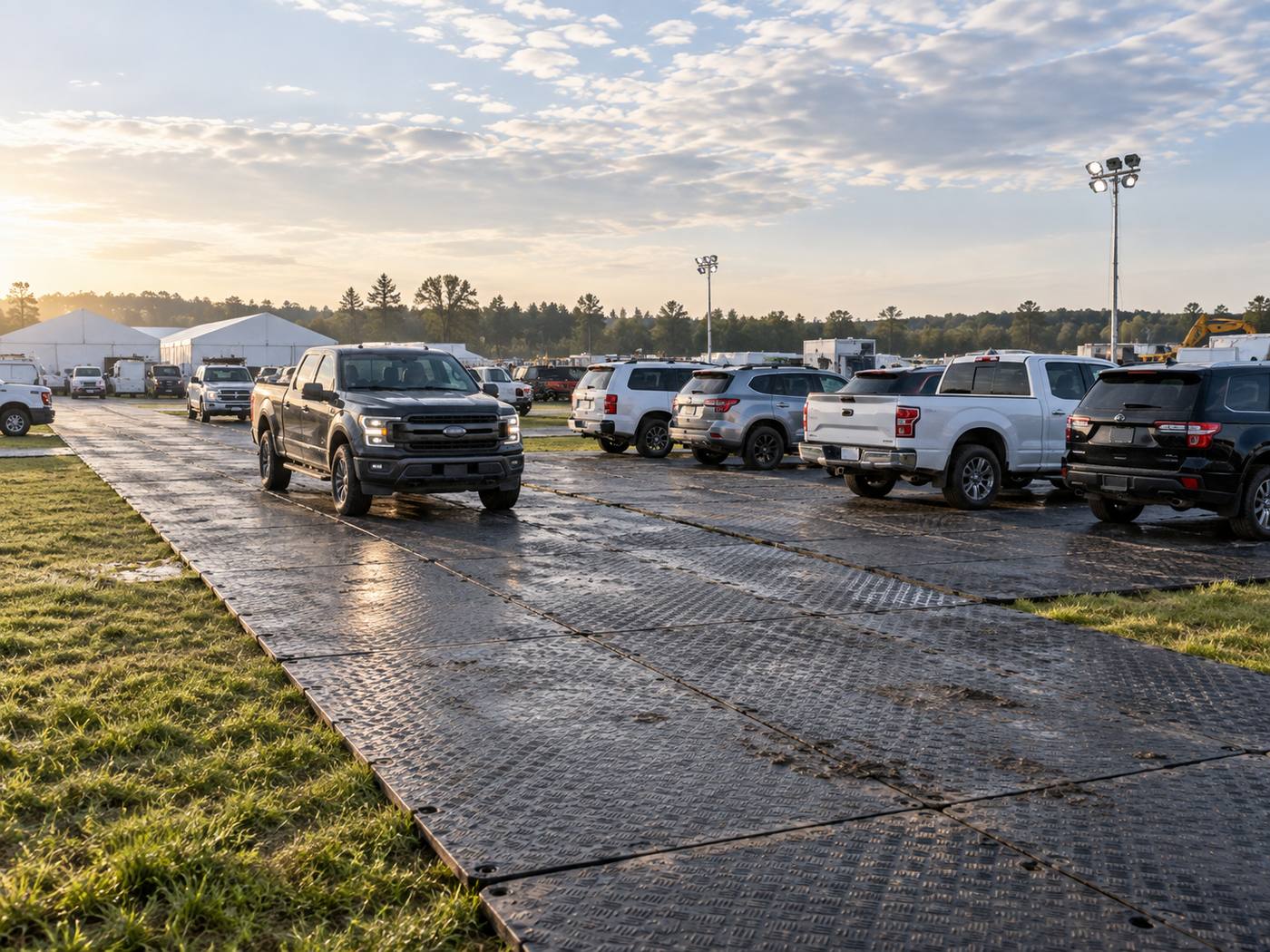
When discussing how to balance fire traffic on the road to the vehicle camp, a distinction should be made between the surface of the transport, the equipment support and the personnel access. The intensive temporary camps for vehicles, trailers and tents may contain three requirements at the same time, and parking would reduce the net amount of fire vehicles, which would be magnified by overloading traffic. The division of the site into different functional areas is the first step in determining the product, thickness, width and quantity.
The option can be divided into three steps: first, to verify the tour model, the weight of the trailer, the placement of the tent, the resonance of the feeder, the fire route and the rotation cycle, then to reduce the net emptying of the fire-fighting vehicle to carrying, stabilizing, smoothing or site restoration requirements, and finally, to implement the provision of width, turn radius and all-weather barrier-free fire routes. Common 15, 20, 25 or 30 mm specifications can only serve as the starting point for the request for quotations, and the final option is to be confirmed in conjunction with the location of the vehicle and the base support.
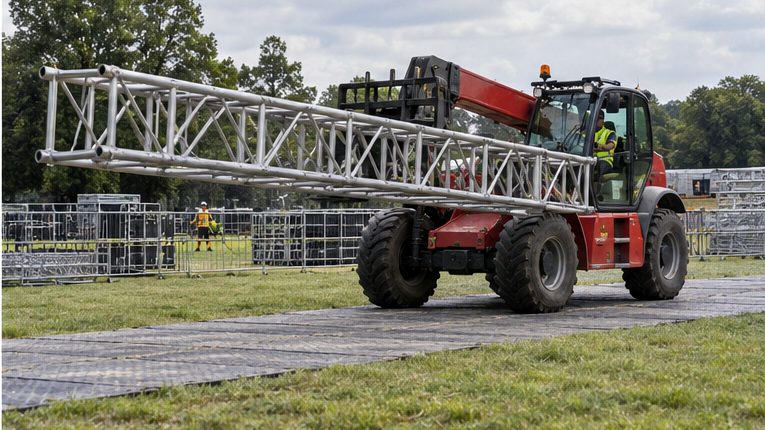
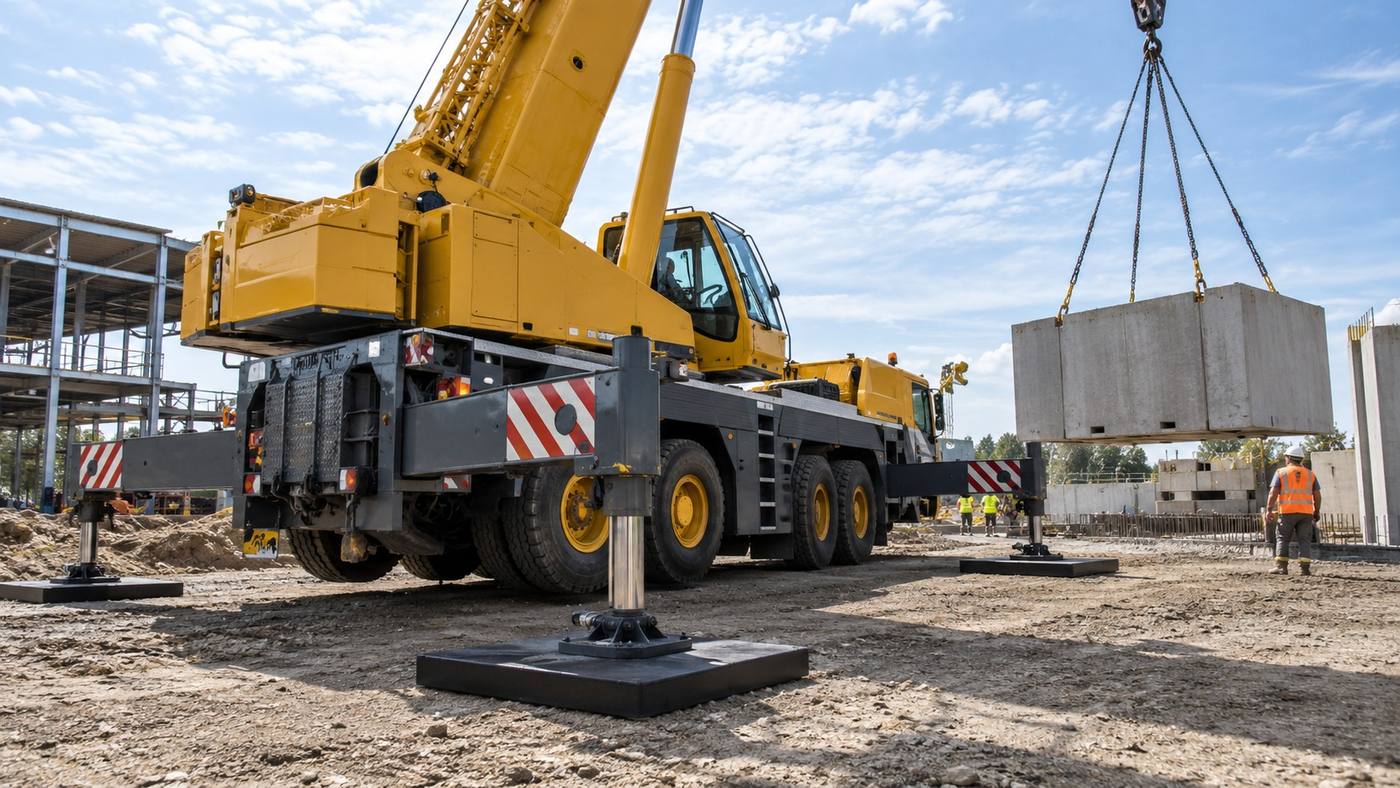
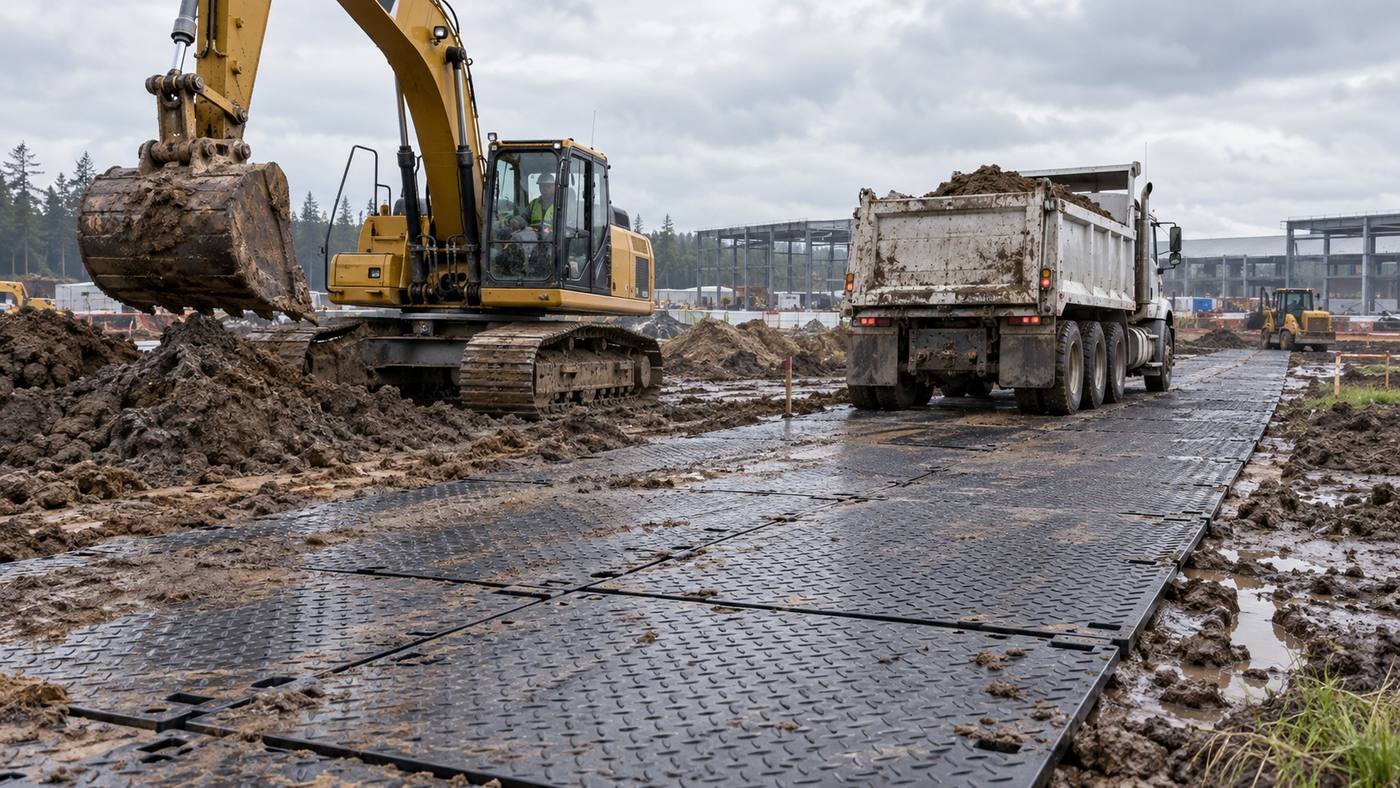
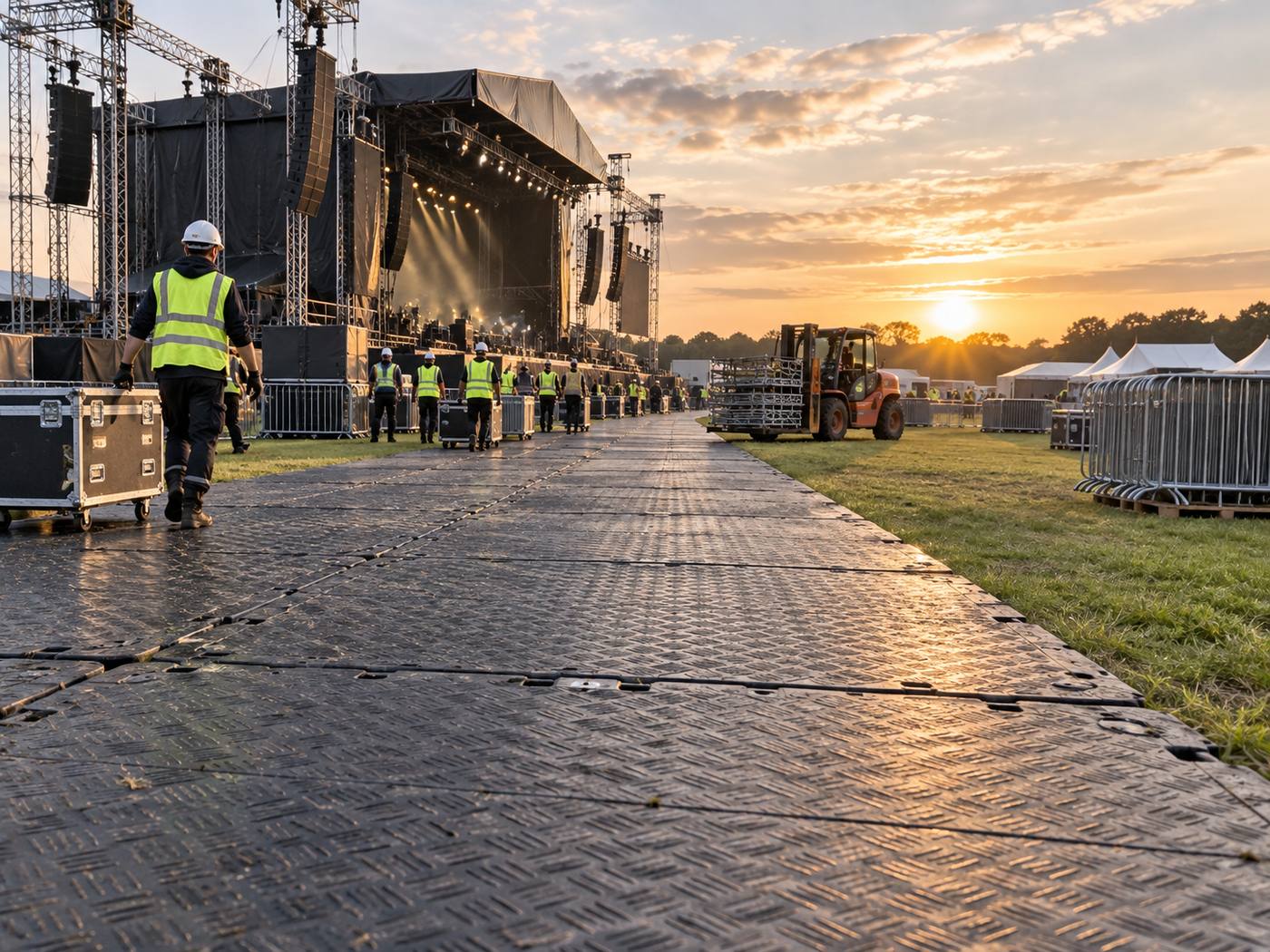
Figure: Intensive temporary camps for vehicles, trailers and tents
The installation should leave measurement and photographic evidence. First, ground leveling and drainage are identified, and then full contact, connection, edge and transition of the pavement with the leg mat is checked. The tour requires systems that can be quickly laid, numbered and reused. Any situation requiring forced re-evaluation of holes, temporary advances or piles should be returned to the head of the technology.
The inspection cycle should be shortened at the beginning of the operation and the product should be stabilized and adjusted for risk. The focus was on the camp roads, perimeters of tents, legs, drainage and firefighting, as well as on the driver ' s compliance with speed limits and turnover requirements. Loose connectors, deep mouths, abnormal arctic arctics, or strip shifts should be immediately photographed and closed.
The full life cycle costs include procurement or lease, transportation, laying, inspection, cleaning, maintenance, warehousing and site restoration. The project will determine whether the retention of prescribed widths, turn radiuss and all-weather barrier-free fire routes actually reduces the overall cost, once data is created around parking lanes that reduce the net space for fire vehicles.
If the conditions on the ground are different from the assumptions in this paper, the application of the conclusions should be suspended and reassessed. Stations for suspension, temporary parking, viewer access and rainy operations are subject to local rules, equipment manuals and statutory requirements. The supplier can assist in matching the product, but the final placement and release is approved by the responsible party for the project.
Need for further evaluation of the actual project?
Applications, sizes, quantities, site photographs or drawings and delivery destinations are sent, on which we can identify more suitable products and processing programmes.