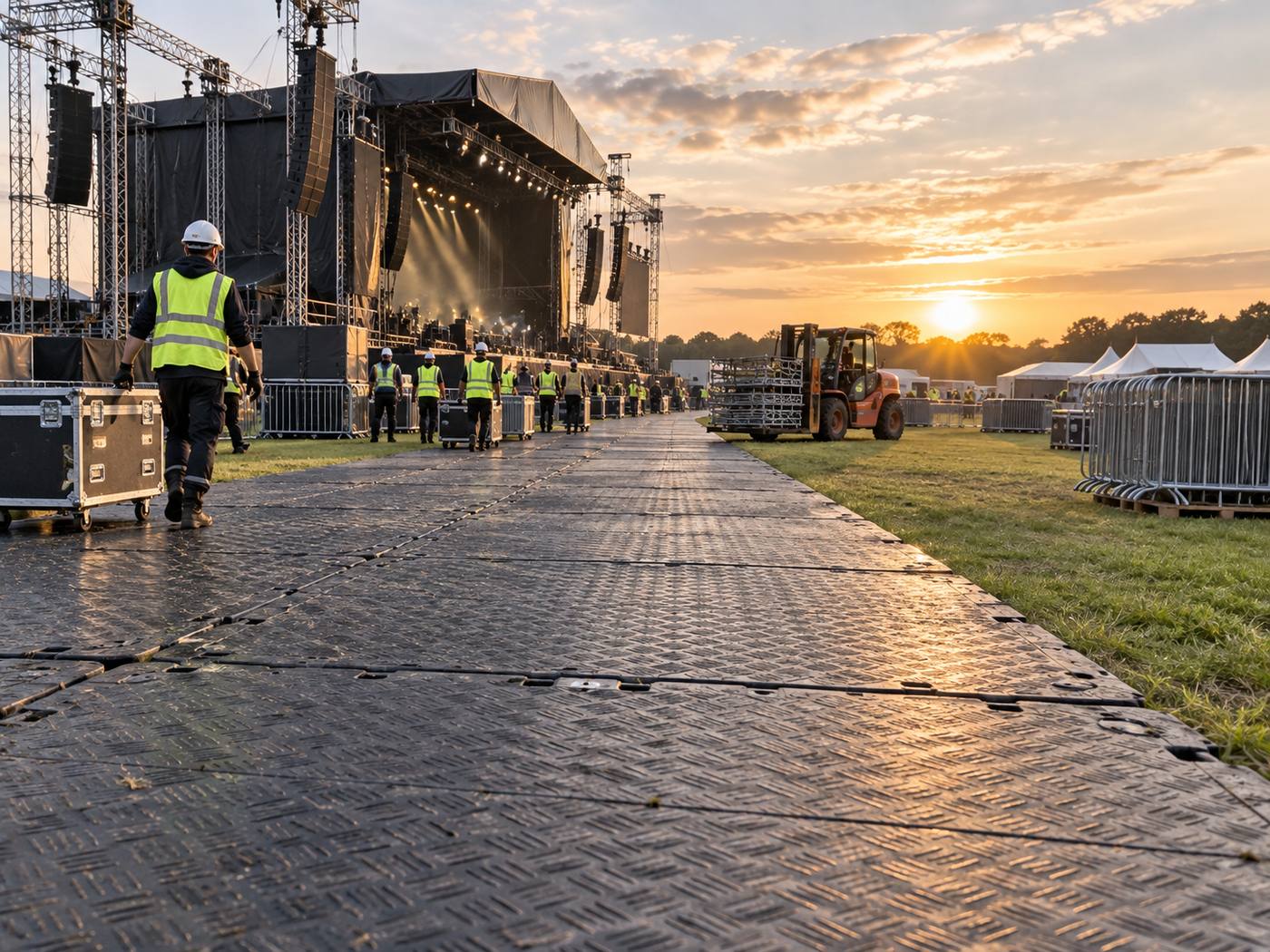
The same road map needs to be used by the host, site and builder of the event on how to estimate the number of pavements for the temporary road lease project. In the case of the simultaneous presence of main roads, bypass roads, revolving areas and equipment, it is easy to allow vehicles to enter unprotected areas and trigger the loss of turnovers and spare quantities only by the length of the width. Only when the boundaries and responsibilities are harmonized will there be a clear basis for product allocation.
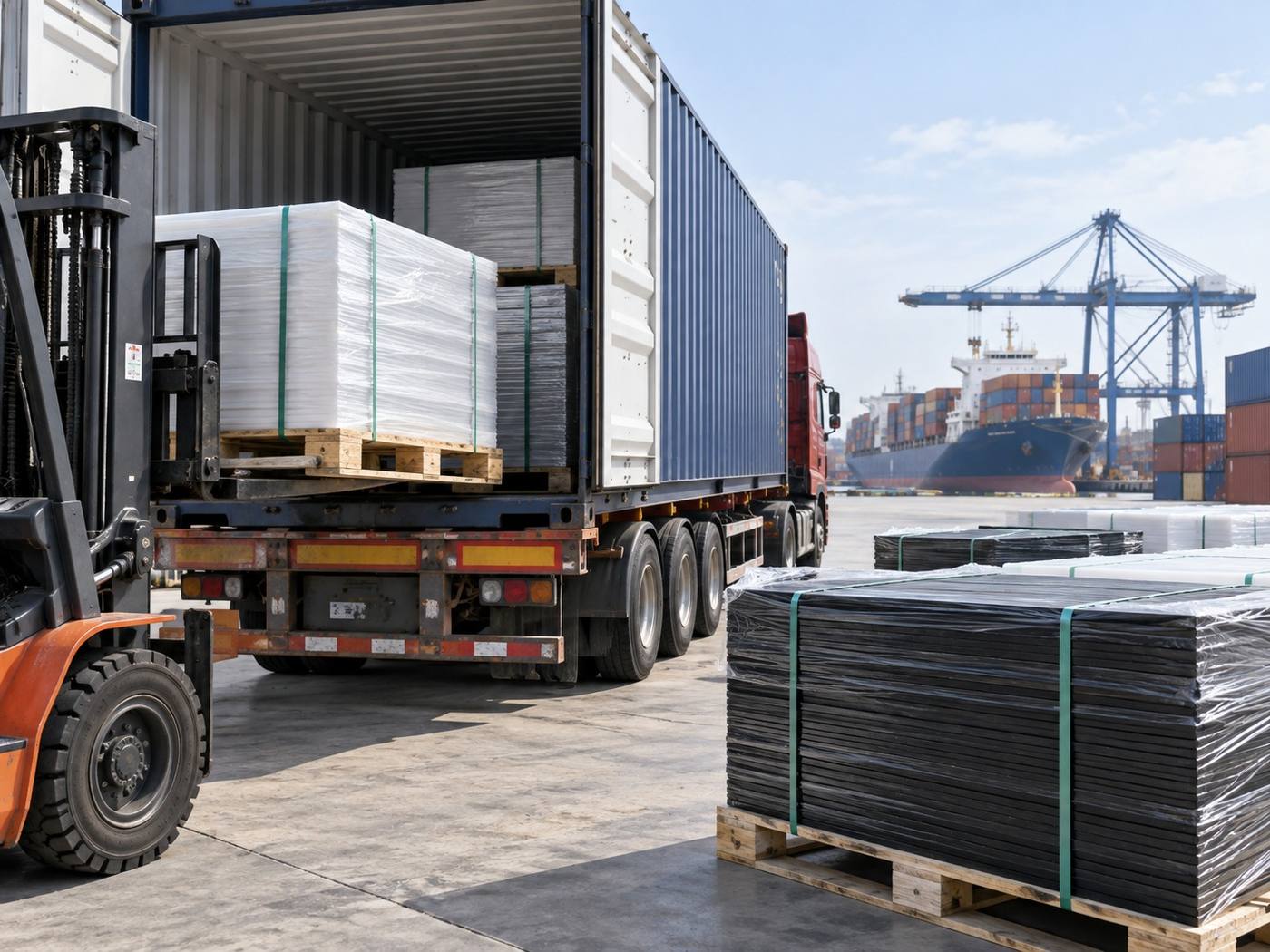
In order to reduce temporary changes, the project should submit, on a one-time basis, project area, vehicle data, inventory specifications, swing cycle, loss rate, transport and port of destination, with an indication of the schedule of activities and exit window. Vendors are required to provide product maps, individual weights, packaging and assumptions around the use of partition maps to calculate the net area and to add connections, losses and adjustments to the balance; the projecter is responsible for confirming the route, base level and use permits.
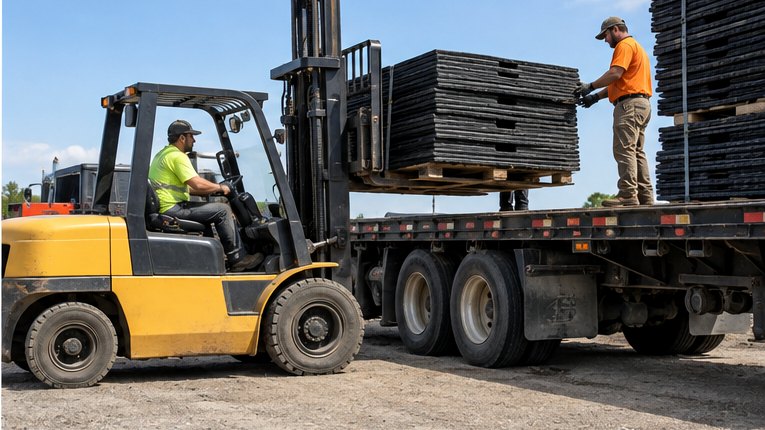
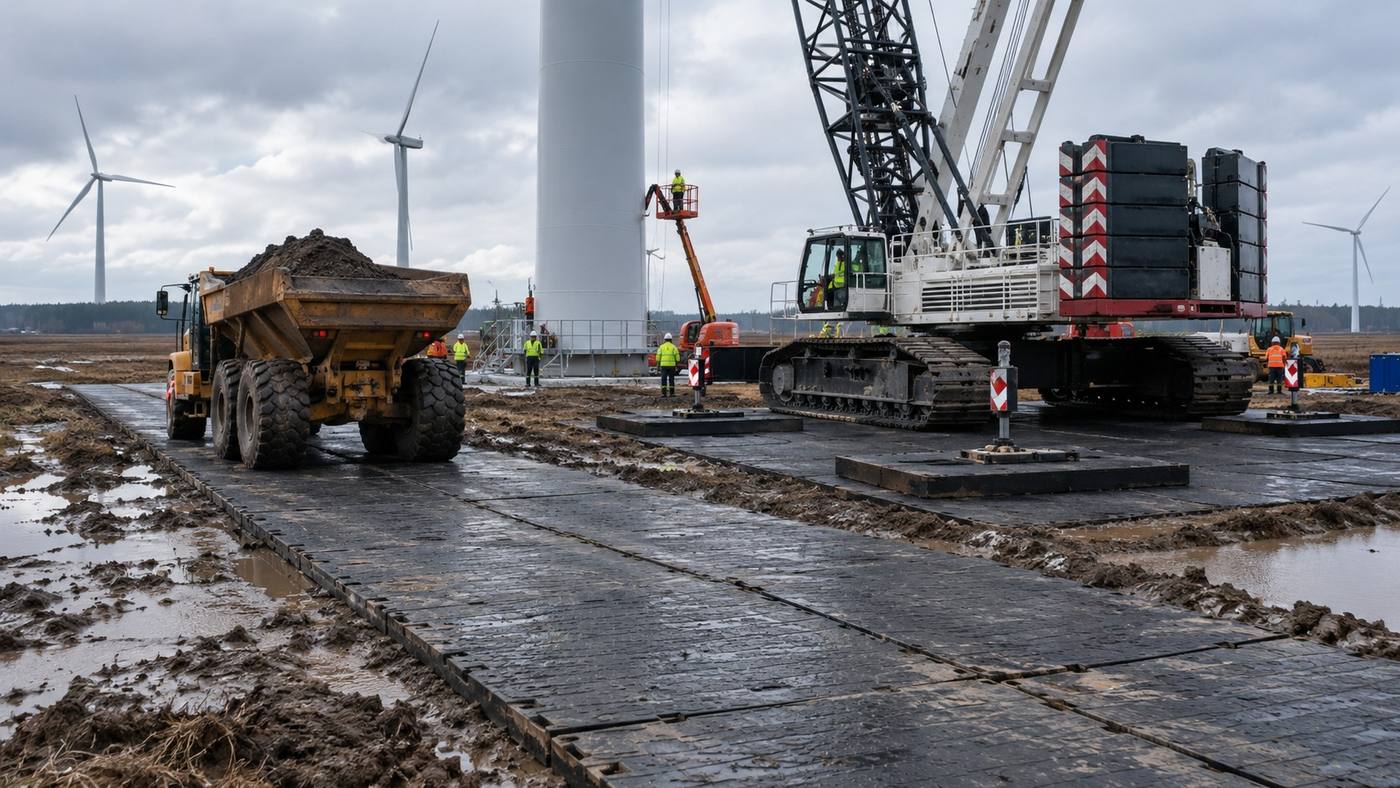
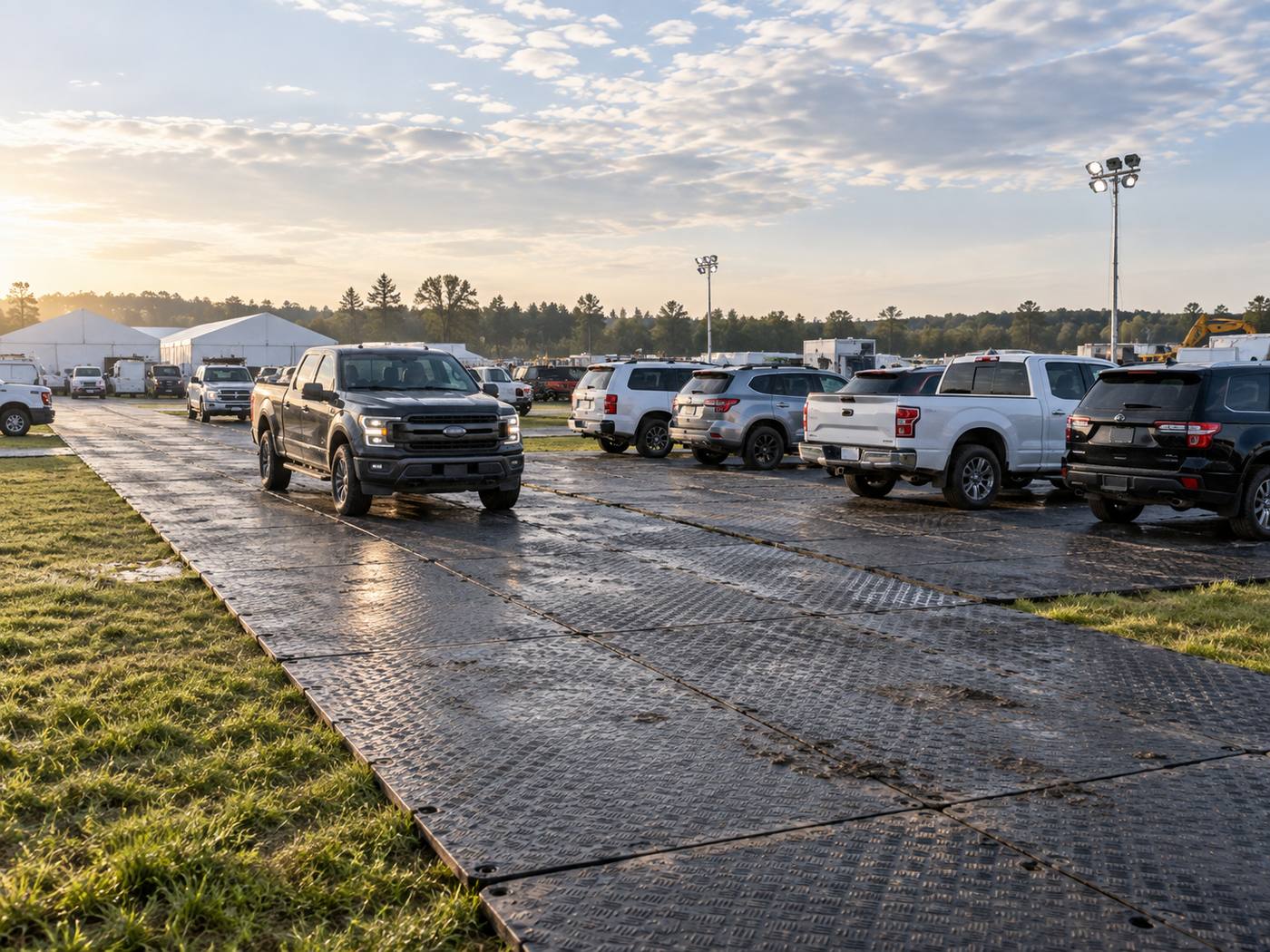
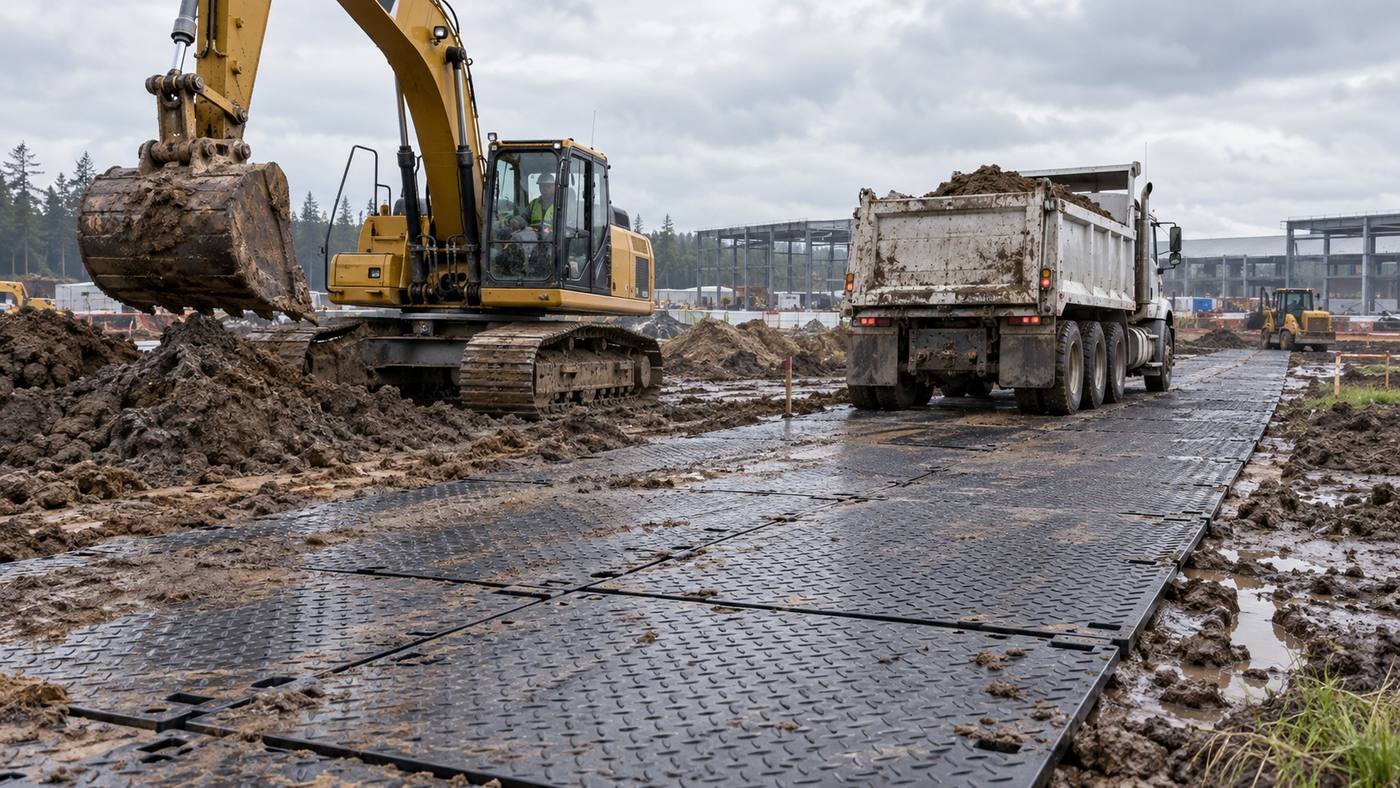
Figure: Co-existence of main, secondary, revolving areas and equipment
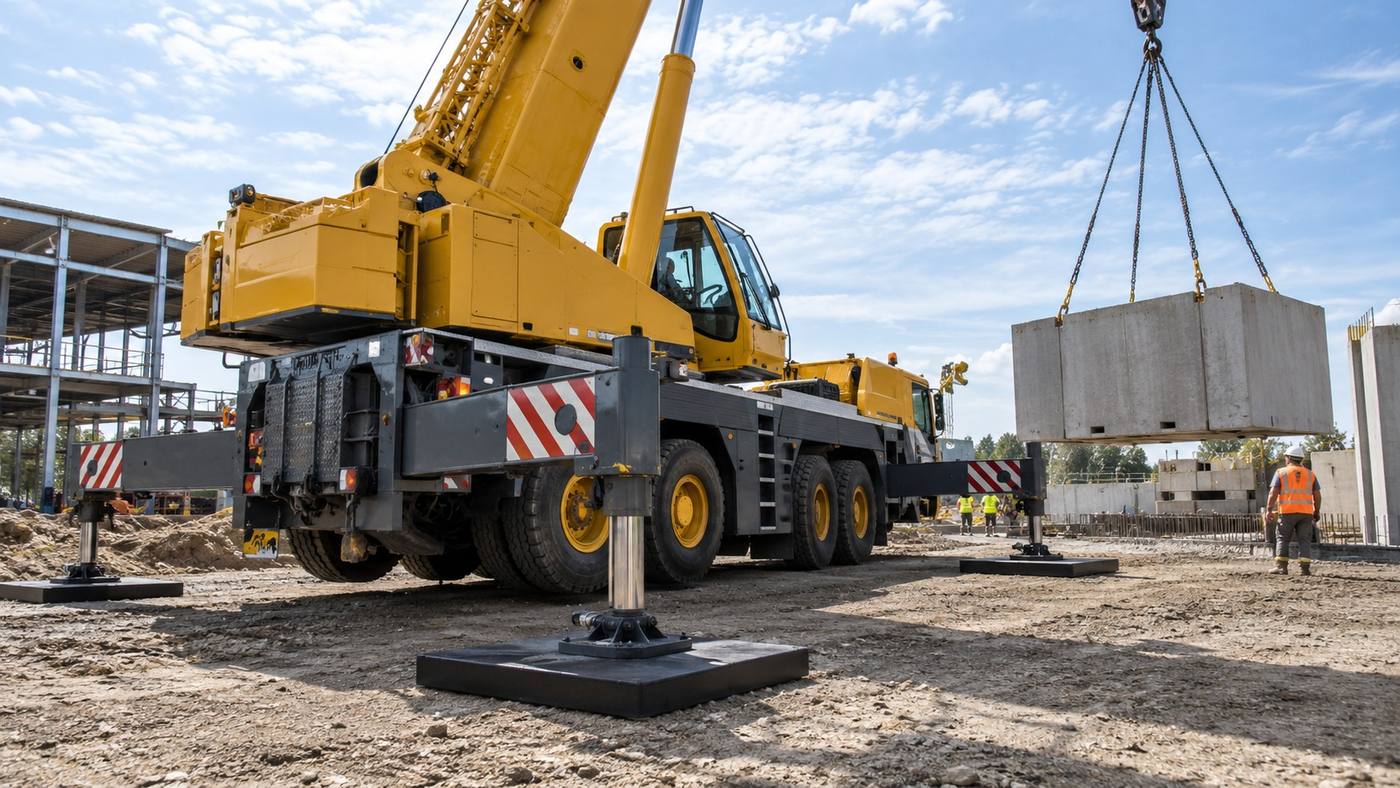
The installation should leave measurement and photographic evidence. First, ground leveling and drainage are identified, and then full contact, connection, edge and transition of the pavement with the leg mat is checked. Leases and procurement offers must be based on the same working conditions and full cost boundary. Any situation requiring forced re-evaluation of holes, temporary advances or piles should be returned to the head of the technology.
During the operation of the activity, priority is given to pre-shift, post-traffic and post-rainfall inspections of utilization rates, maintenance rates, missing, container loads, packaging and arrival and inspection. It is recommended that key plates and leg pads be numbered to record dates, locations, vehicles, unusual photographs and disposal results. The use of tools that do not cut the surface of polymers in cleaning should be isolated and treated according to the manufacturer ' s standards when permanent deformations, cracks, holes torn or unreliable fixes are found.
Before expanding the application, it was recommended that a common review of operations, build-up, HSE, site and procurement be undertaken. The parties have identified the conditions of movement, inspection, site protection and delivery, and can test whether the net area is calculated using a zoning map and the associated connection, wear and tear, and adjusted residuals are truly enforceable.
It needs to be emphasized that pavements and stubbles can only function in the approved operational system of activities and cannot be a substitute for unsatisfactory foundations, damaged equipment or irregular operations. Any unknown underground facility, perimeter instability, posturing of equipment beyond the Manual or failure to isolate persons should be suspended and upgraded.
Need for further evaluation of the actual project?
Applications, sizes, quantities, site photographs or drawings and delivery destinations are sent, on which we can identify more suitable products and processing programmes.