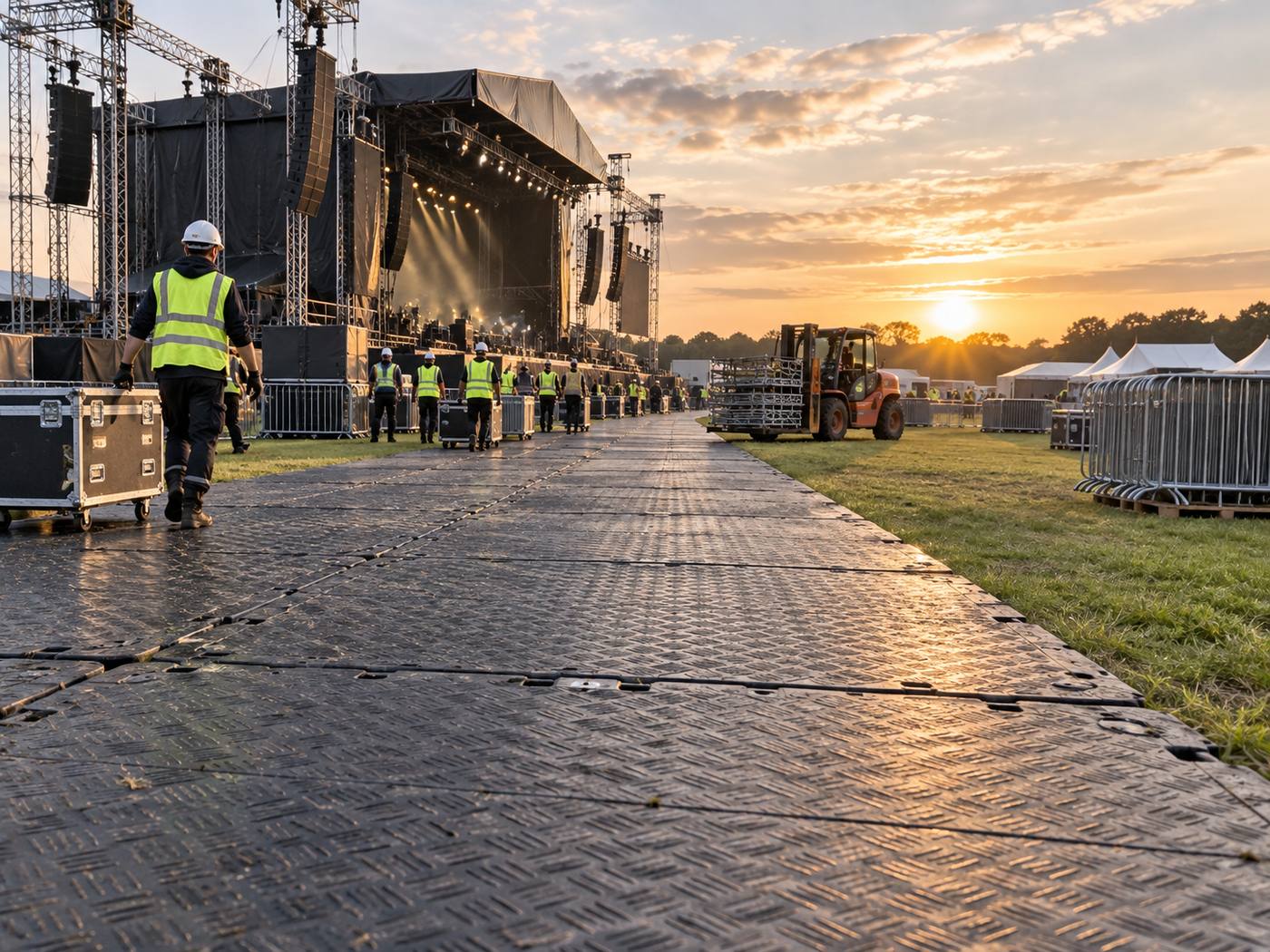
Do we also need pavements to solve small service vehicle access? High-frequency golf carts and supply minivans across the lawn, with changes in tire landings, turnovers, static loads and soft and hard ground differences, particularly when a bicycle is light but has a high number of cycles, may result in local loads well above average.
The key to this topic is not to choose the thickest, but to establish a match. Controls are based on full load, parking time, frequency of resupply, revolving space, liquid pollution and human traffic diversion, and the layout of pavements by light-loading route by traffic frequency, weather and turf sensitivity assessment. If products need to be moved more frequently, manual weights, posts, stacking and cleaning should also be added to the total cost.
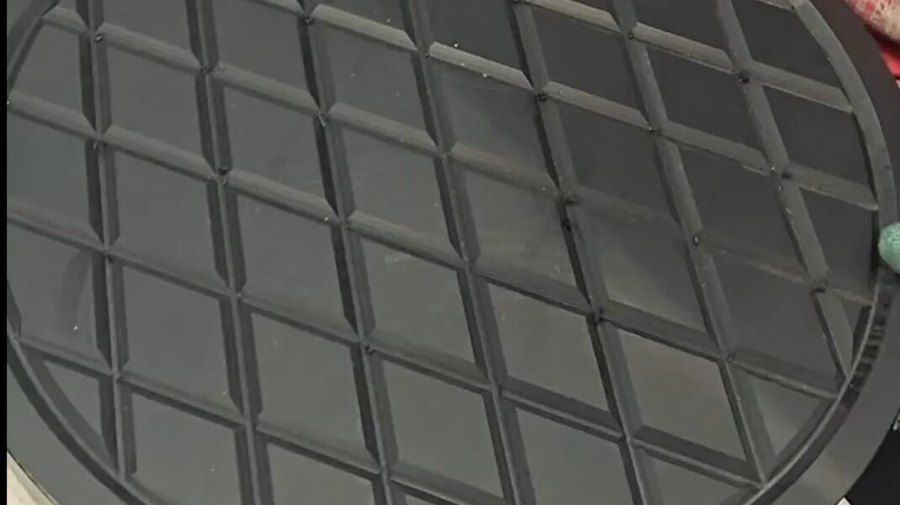
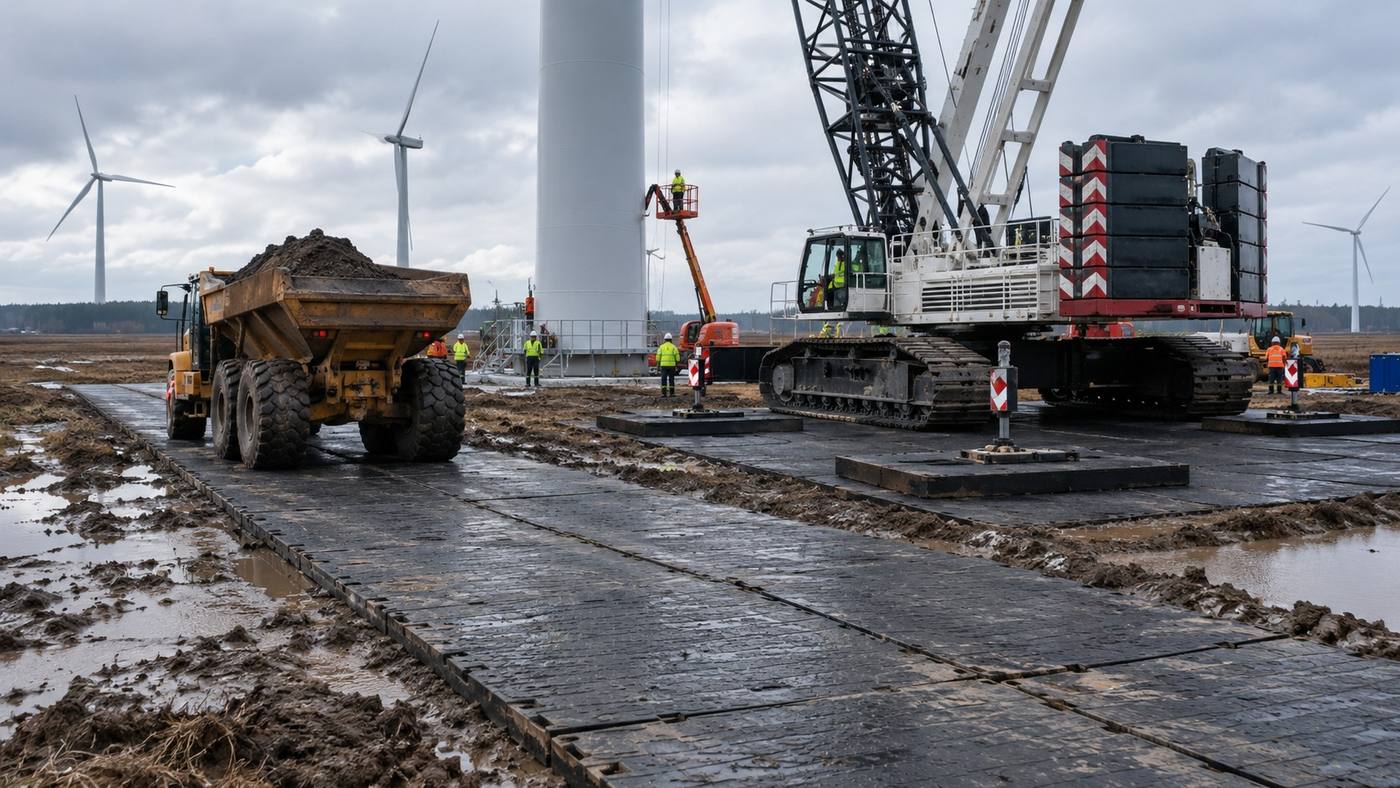
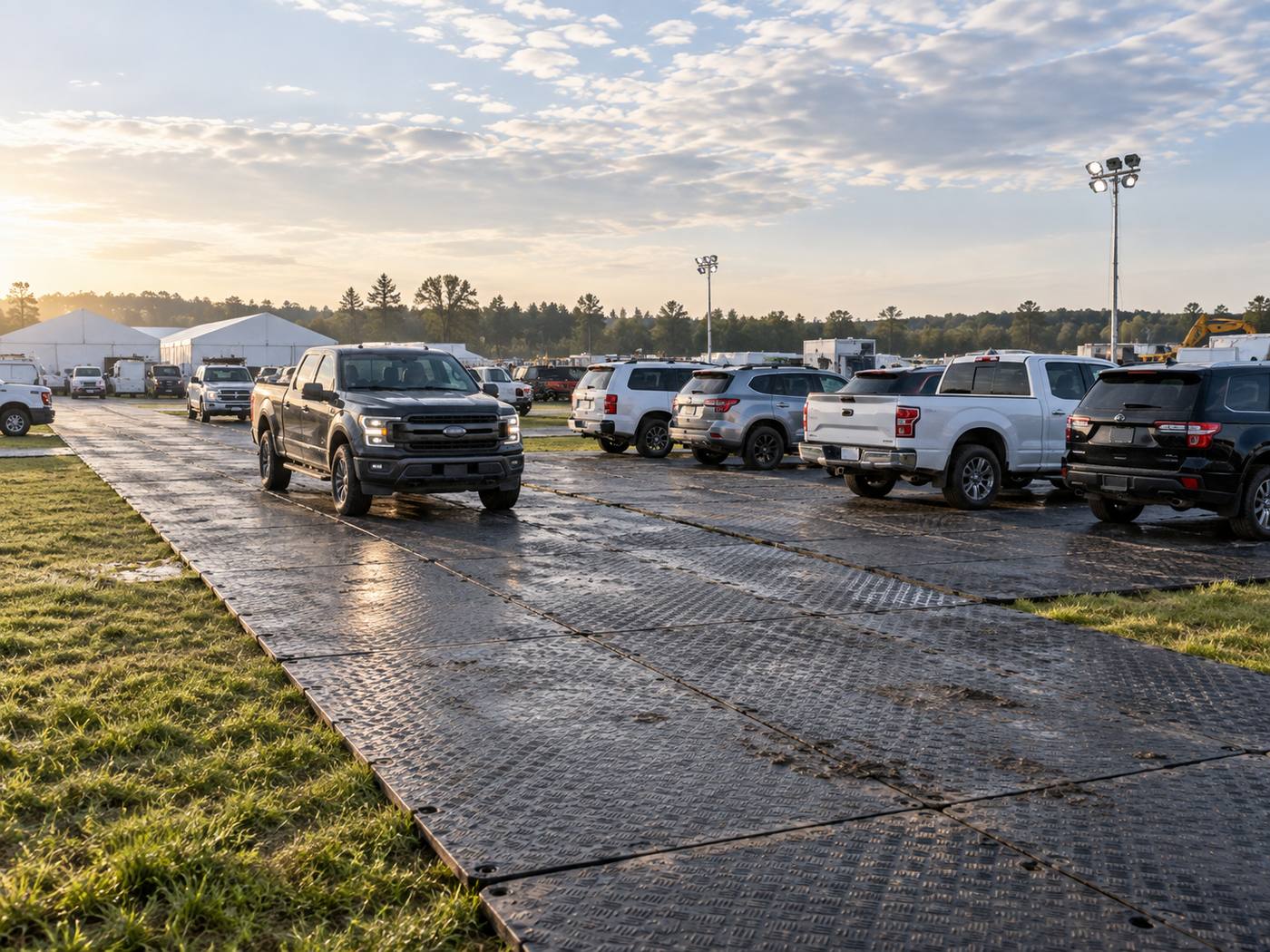
Figure: HF golf carts and supply minivans crossing the lawn. (Putting material for the Genesis Network)
The construction organization is as important as the product specifications. Operators shall use means of transport suitable for a single mass, and the vehicle shall be directed by a commander and shall not be braked, wheeled or pressed. Service roads must be continuously available and clean during the opening of activities. Prior to the opening of public areas, access transitions, trip risks and fence segregation are also checked.
The inspection cycle should be shortened at the beginning of the operation and the product should be stabilized and adjusted for risk. The focus is on docking, reverse areas, hoses, cables, stains and sutures, and on the driver ' s compliance with speed limits and turnover requirements. Loose connectors, deep mouths, abnormal arctic arctics, or strip shifts should be immediately photographed and closed.
Before expanding the application, it was recommended that a common review of operations, build-up, HSE, site and procurement be undertaken. The parties confirm the conditions of movement, inspection, site protection and delivery, and can test whether light-borne routes are actually operational by frequency of traffic, weather and grass-roots sensitivity.
The ultimate goal is not simply to lay a plate, but to allow HF golf carts and supply cars to continue to operate on the lawn at acceptable risk and to successfully restore the site. When the design, operation, inspection and evacuation sites are linked, the lighter of the bicycles but the high number of cycles continue to form the trails that do not recur under time pressure.
Need for further evaluation of the actual project?
Applications, sizes, quantities, site photographs or drawings and delivery destinations are sent, on which we can identify more suitable products and processing programmes.