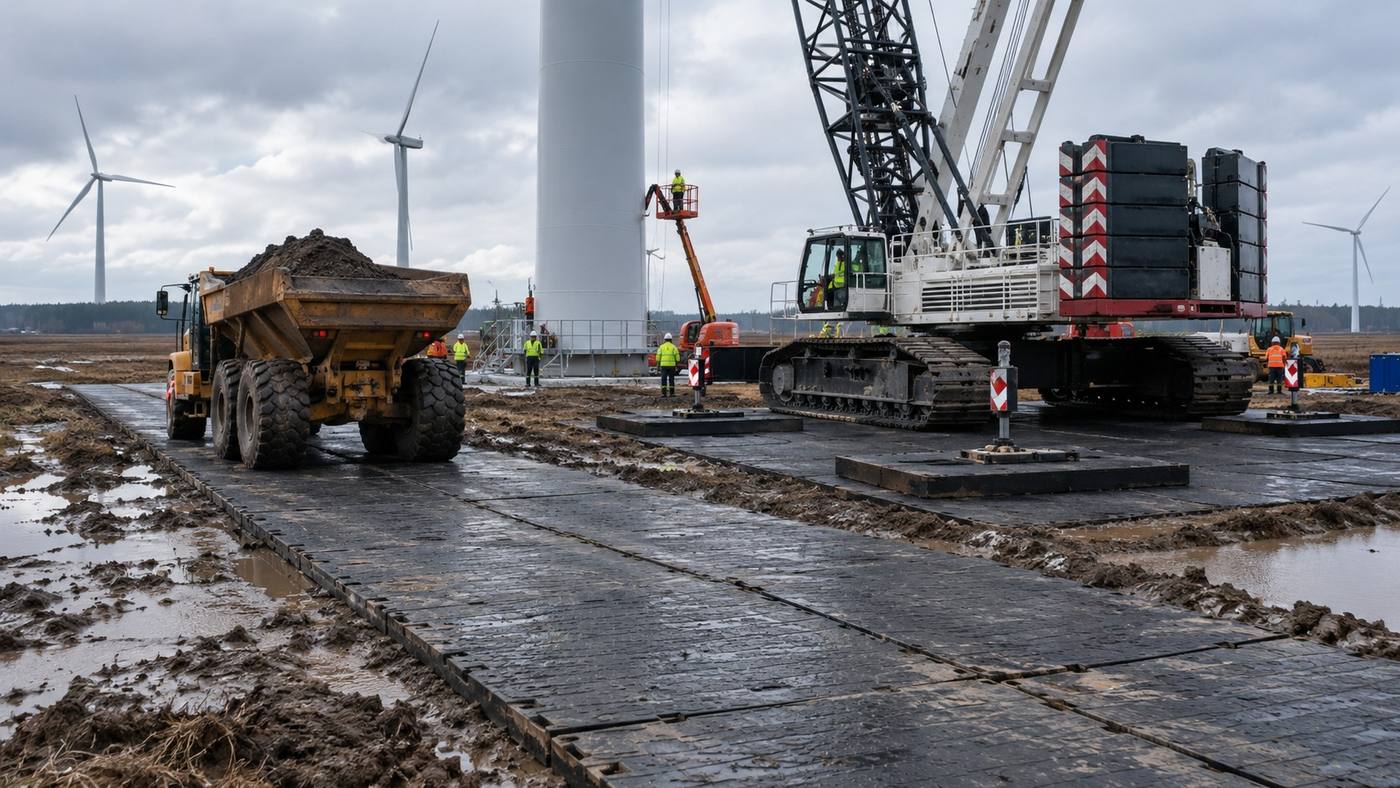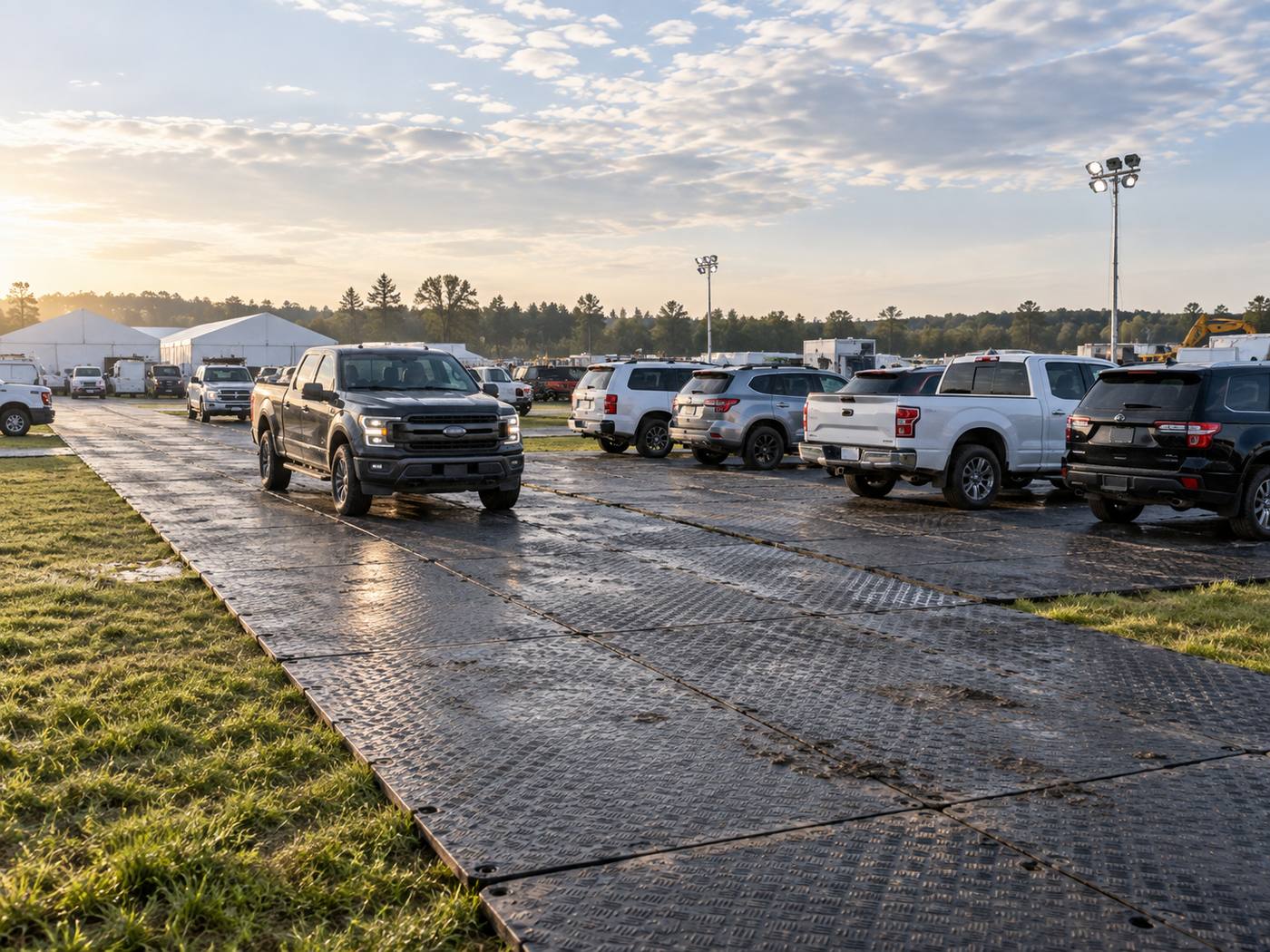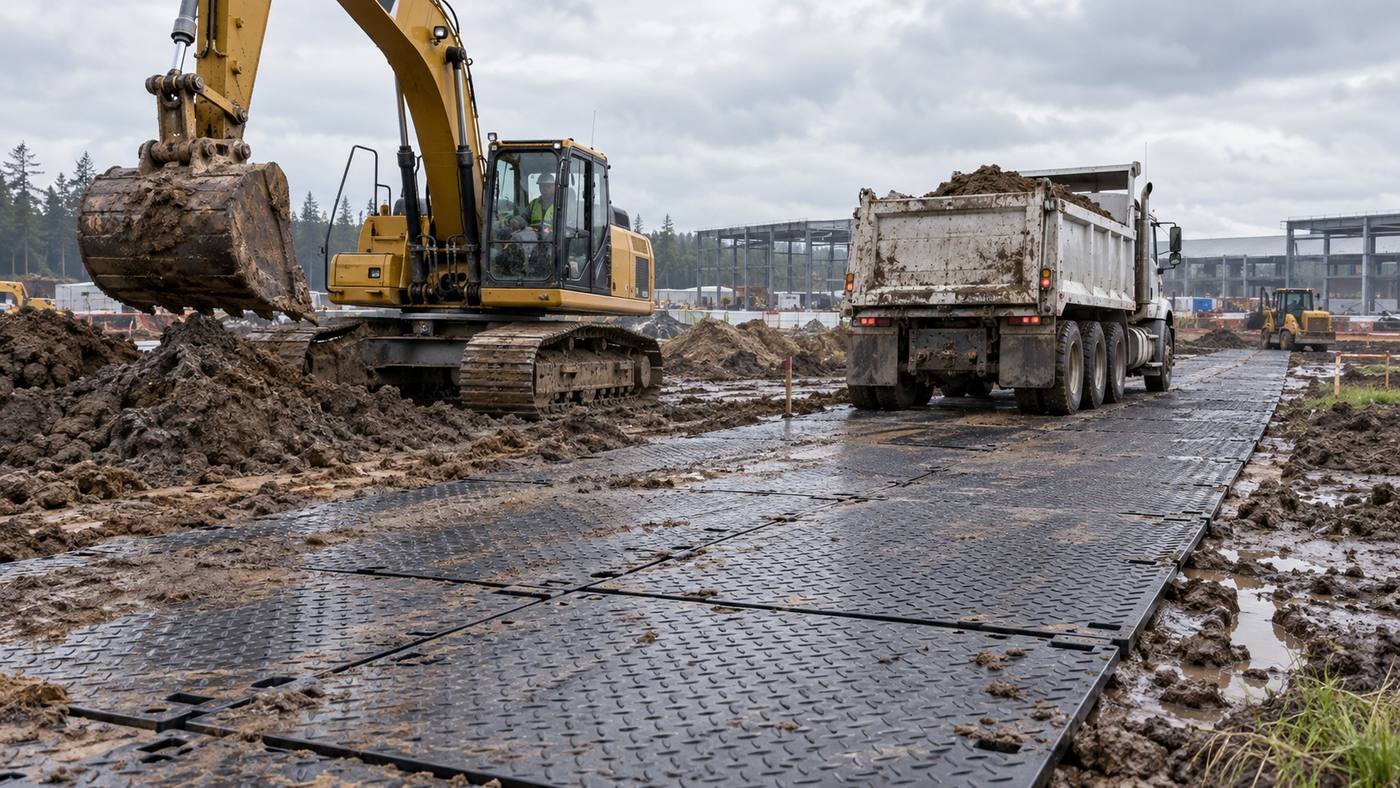
The cranes carry out legs along the temporary transport route that appear to require only one road to be paved, which is actually related to drainage, vehicle movement, site protection and evacuation plans. An answer to the crane leg cushion should not be placed and photographed in the field before it can be pressed on the pavement, and the reductive path of the superseding two products should not necessarily be reliable, confirming the frequency of occurrence, impacting the object and the permitted recovery time.
The selection can be divided into three steps: first, to verify the total weight of the equipment, maximum retroactivity of the legs, the suspension condition, the endurance of the ground, underground facilities and the weather window, and then to convert the superseding of the two product categories into a combination of carrying, stabilization, smoothing or site restoration requirements, which is not necessarily reliable, and lastly, to be used only in the overall support programme, which is accounted for and approved by the project. Common 15, 20, 25 or 30 mm specifications can only serve as the starting point for the request for quotations, and the final option is to be confirmed in conjunction with the location of the vehicle and the base support.
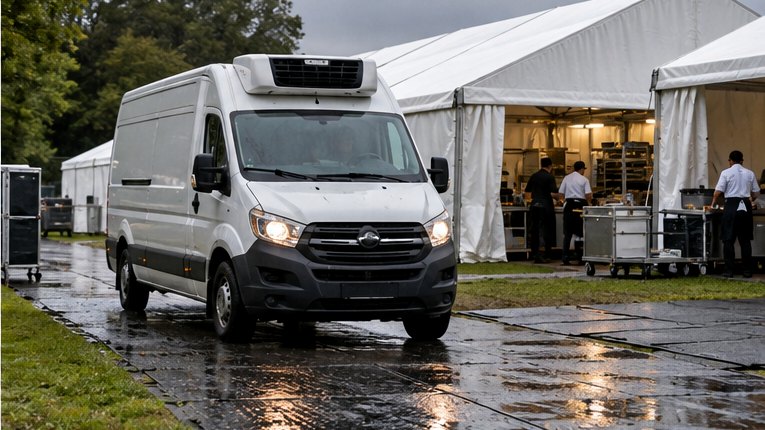
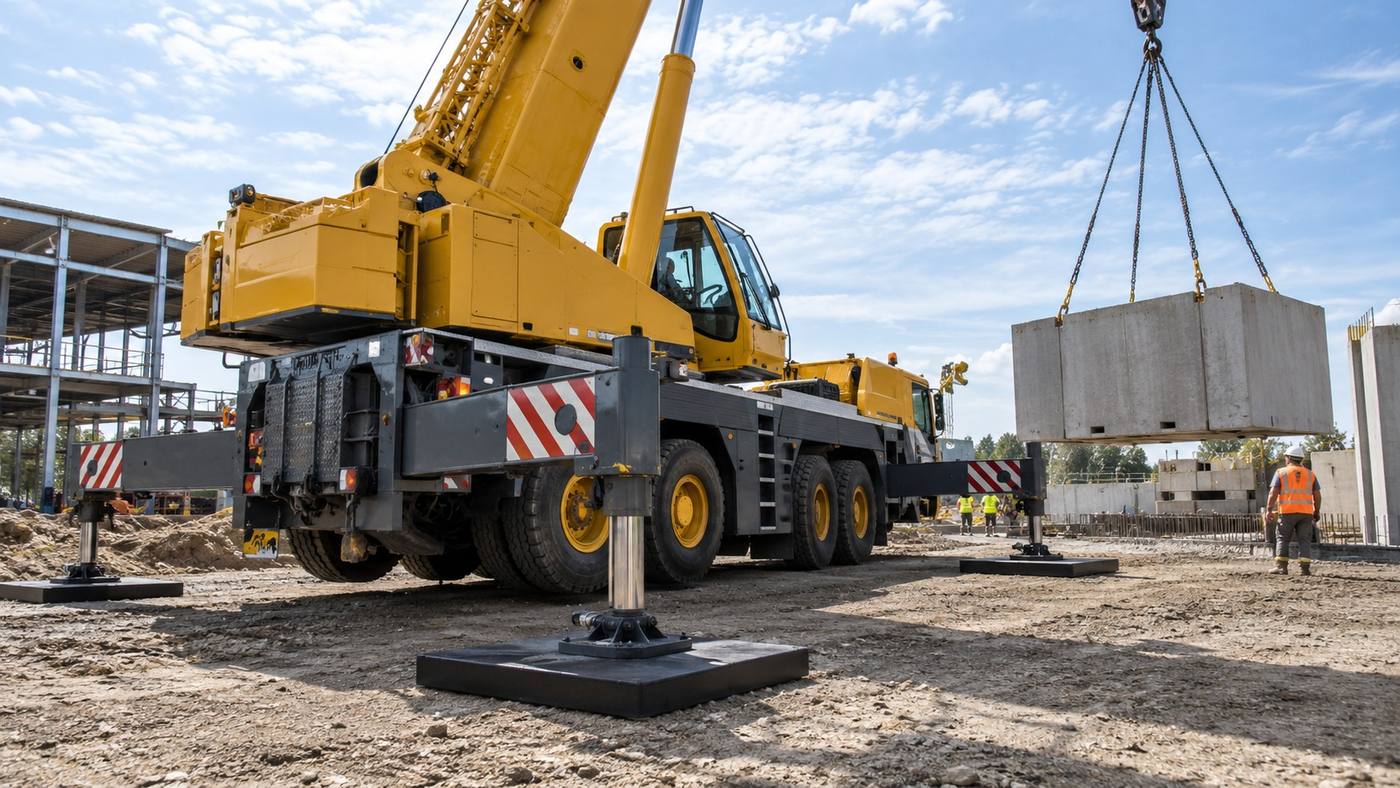
Figure: Hangers with legs spread by temporary transport routes
In the event of a shortage of space on the ground, work cannot be done by reducing the necessary coverage or moving the equipment feeder to the road shoulder. Stations and set-up of vehicles should be reordered to allow for the use of sufficient work space only in combination with the overall support package that is accounted for and approved by the project. The pavements are for passage and the mats for extension of the feeder, which cannot be replaced by one another. The continuity of routes is reviewed after each change in traffic organization.
During operation, pre-class, post-high transport and post-rainfall inspections focus on deposition, horizontality, full exposure, edge distance and connectivity. It is recommended that key plates and leg pads be numbered to record dates, locations, vehicles, unusual photographs and disposal results. The use of tools that do not cut the surface of polymers in cleaning should be isolated and treated according to the manufacturer ' s standards when permanent deformations, cracks, holes torn or unreliable fixes are found.
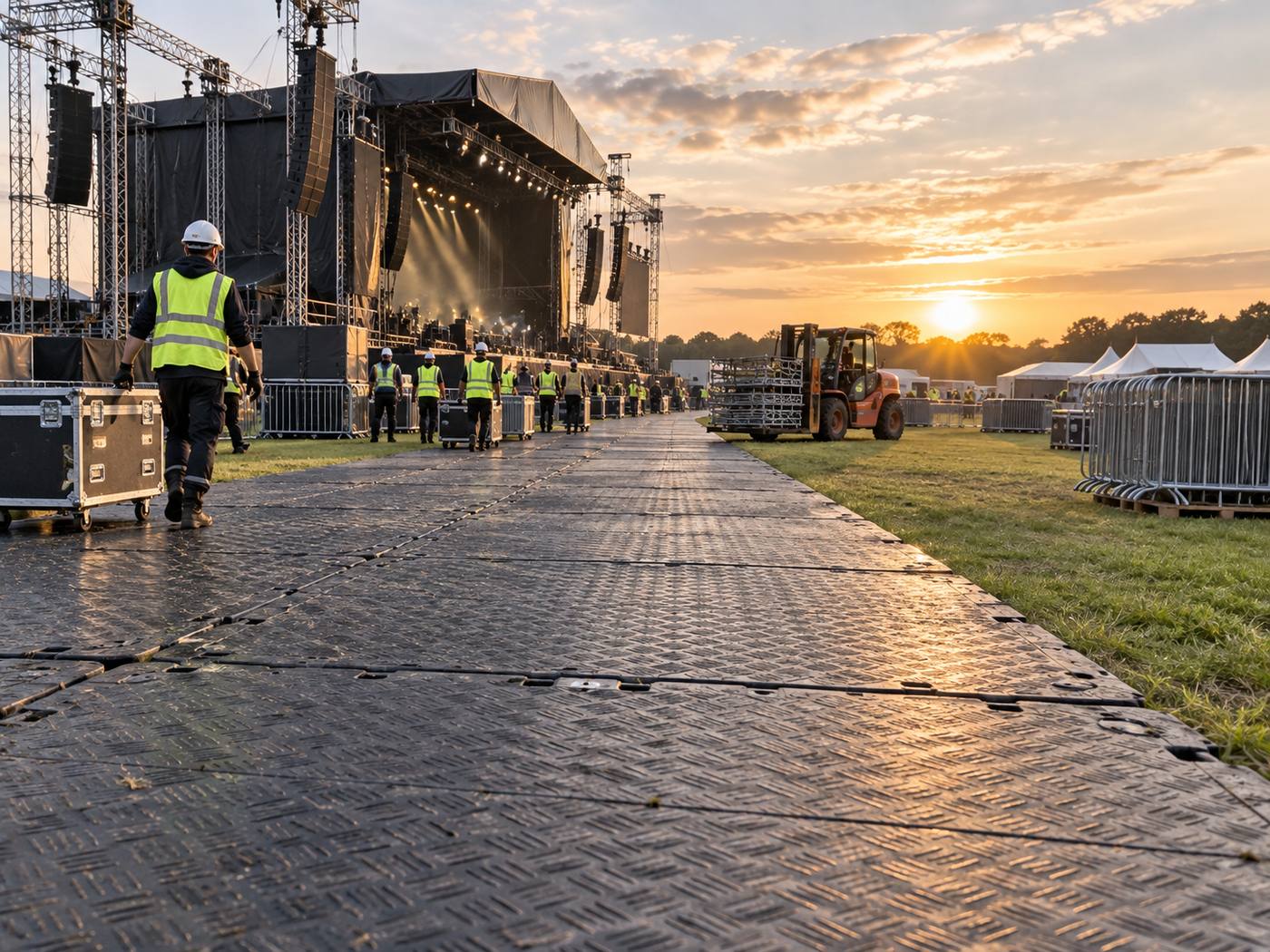
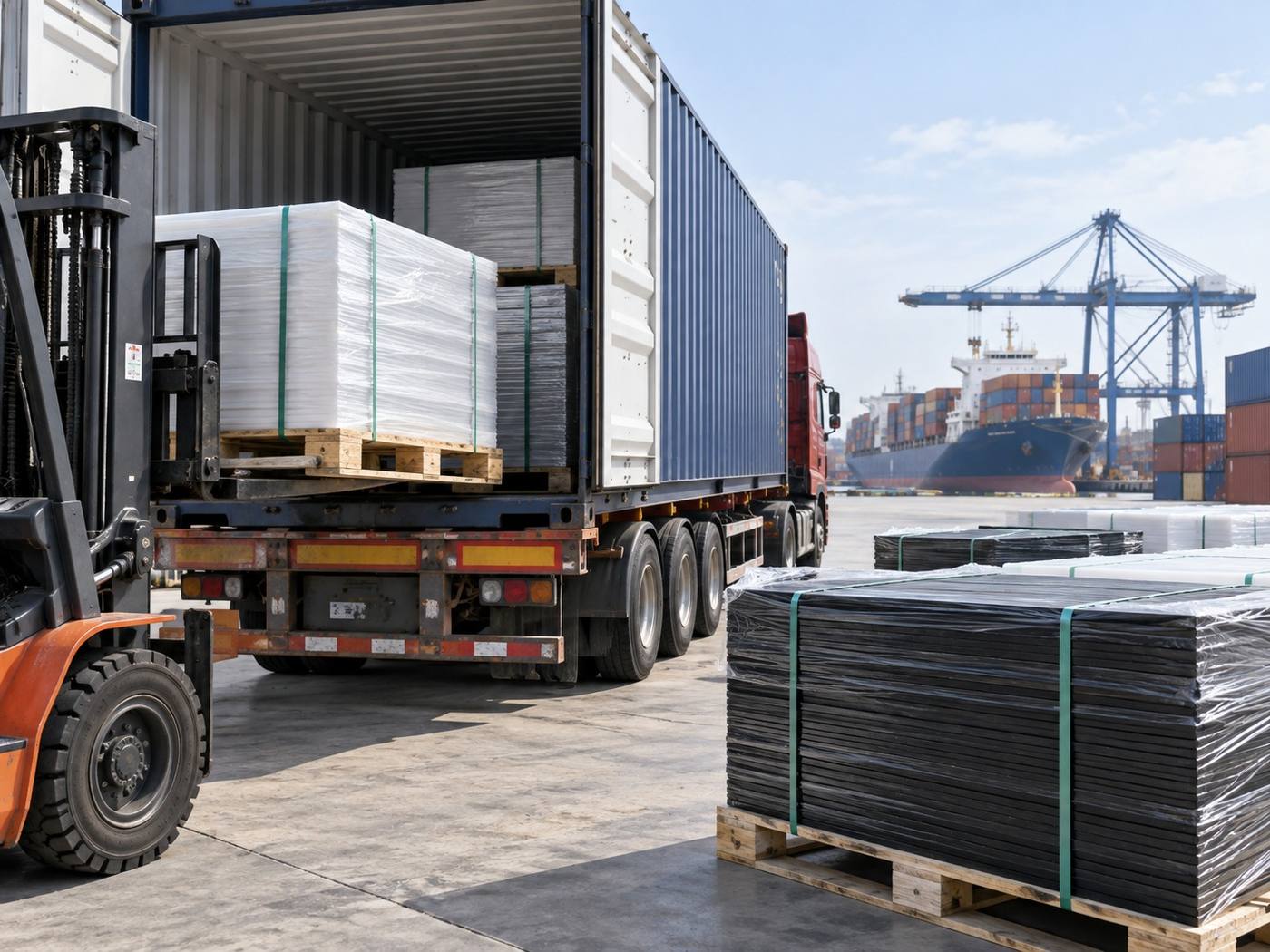
The quotations for the different products should be compared under the same size, material, connection, packaging, delivery and test basis. Supplementary information should be requested if the supplier gives the maximum carrying figures without indicating ground and test conditions. The event scene requires more attention to reuse, removal and quick evacuation than to single laboratory indicators.
This paper provides a selection and management approach that does not replace equipment specifications, interim structural programmes, ground-based evaluations and local regulations. Work involving lifting support, underground facilities, vehicular roll-backs, public traffic or access to dangerous areas shall be reviewed and quarantine and emergency procedures implemented by persons with appropriate qualifications. The above data can be provided in the request for quotations to obtain recommendations for size, thickness, quantity, packaging and shipment.
Need for further evaluation of the actual project?
Applications, sizes, quantities, site photographs or drawings and delivery destinations are sent, on which we can identify more suitable products and processing programmes.