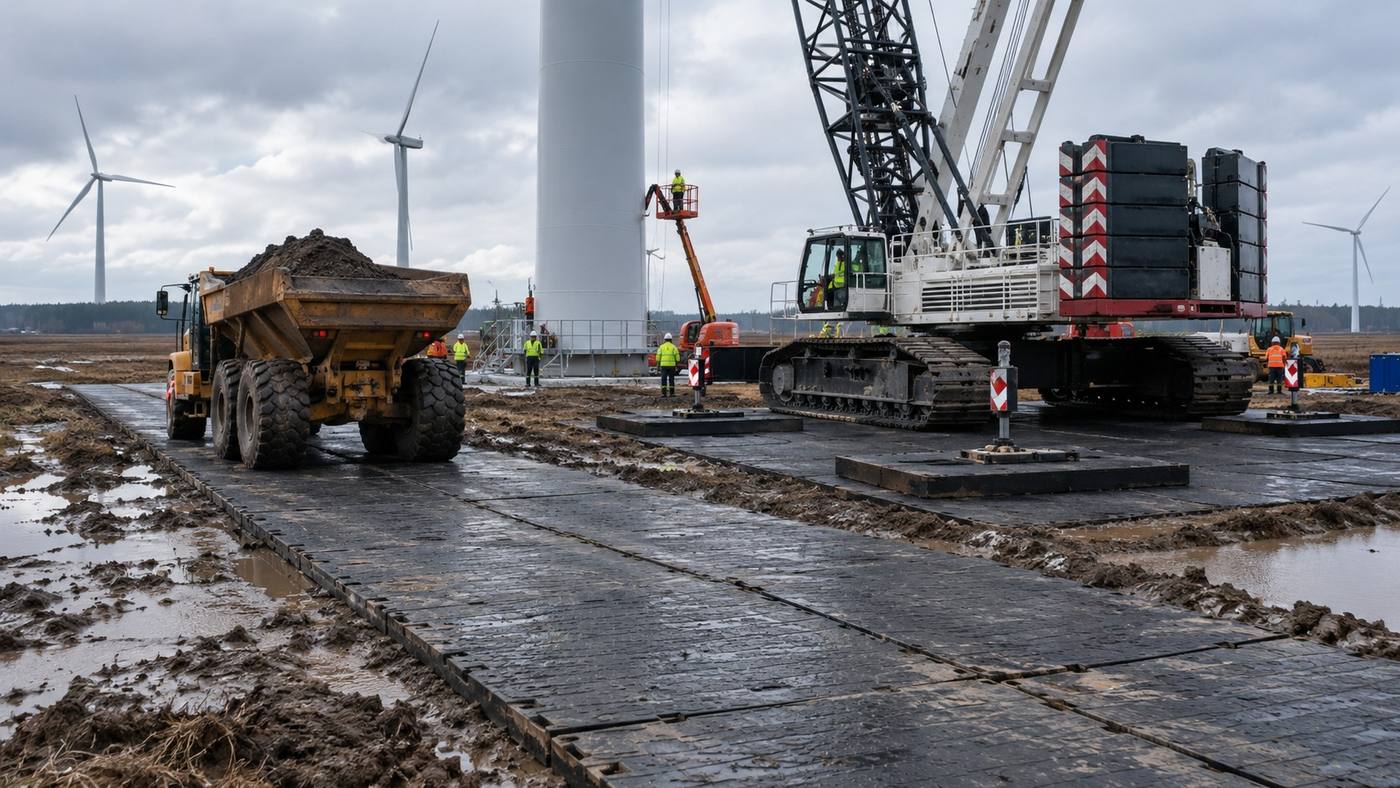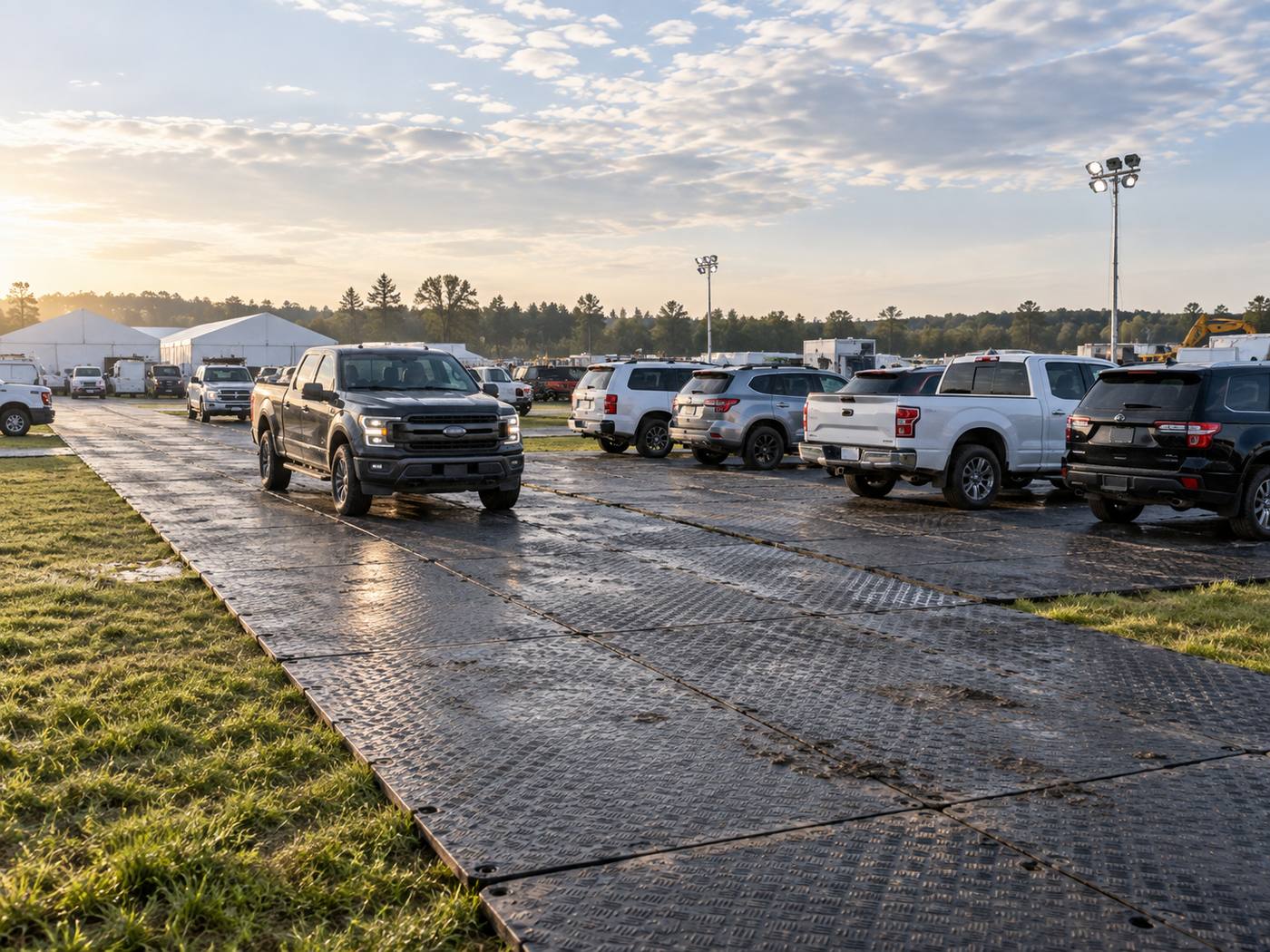
The way in which the Circus tours the entrance road can be built cannot be seen only on the day of the event. Trailers, animal transporters and equipment vehicles often go through multiple stages of entry, build, open, resupply and evacuation sites, and ground water coverage and traffic levels continue to change. What needs to be controlled first is the concentration of vehicle-type hybrids and entry sites, which can easily lead to congestion and trapping, otherwise temporary roads, if paved, may again fail because of routing, grass-roots or operational problems.
In order to reduce temporary changes, the project should be submitted on a one-time basis to the tour car type, tow weight, tent setting, feed-point resonance, fire route and recycle, with an indication of the schedule of activities and exit window. The supplier is required to set up the main road around the most heavy vehicle and to provide a product map, a single piece of weight, packaging and assumptions that separate the living area from the flow of the equipment; the projecter is responsible for confirming the route, the base and the licence.
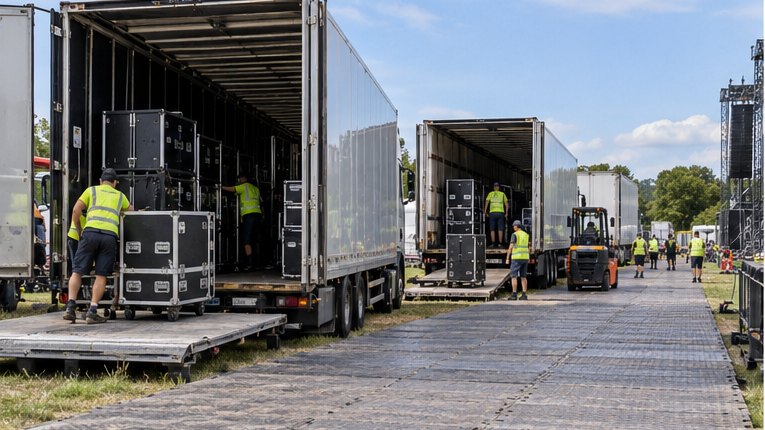
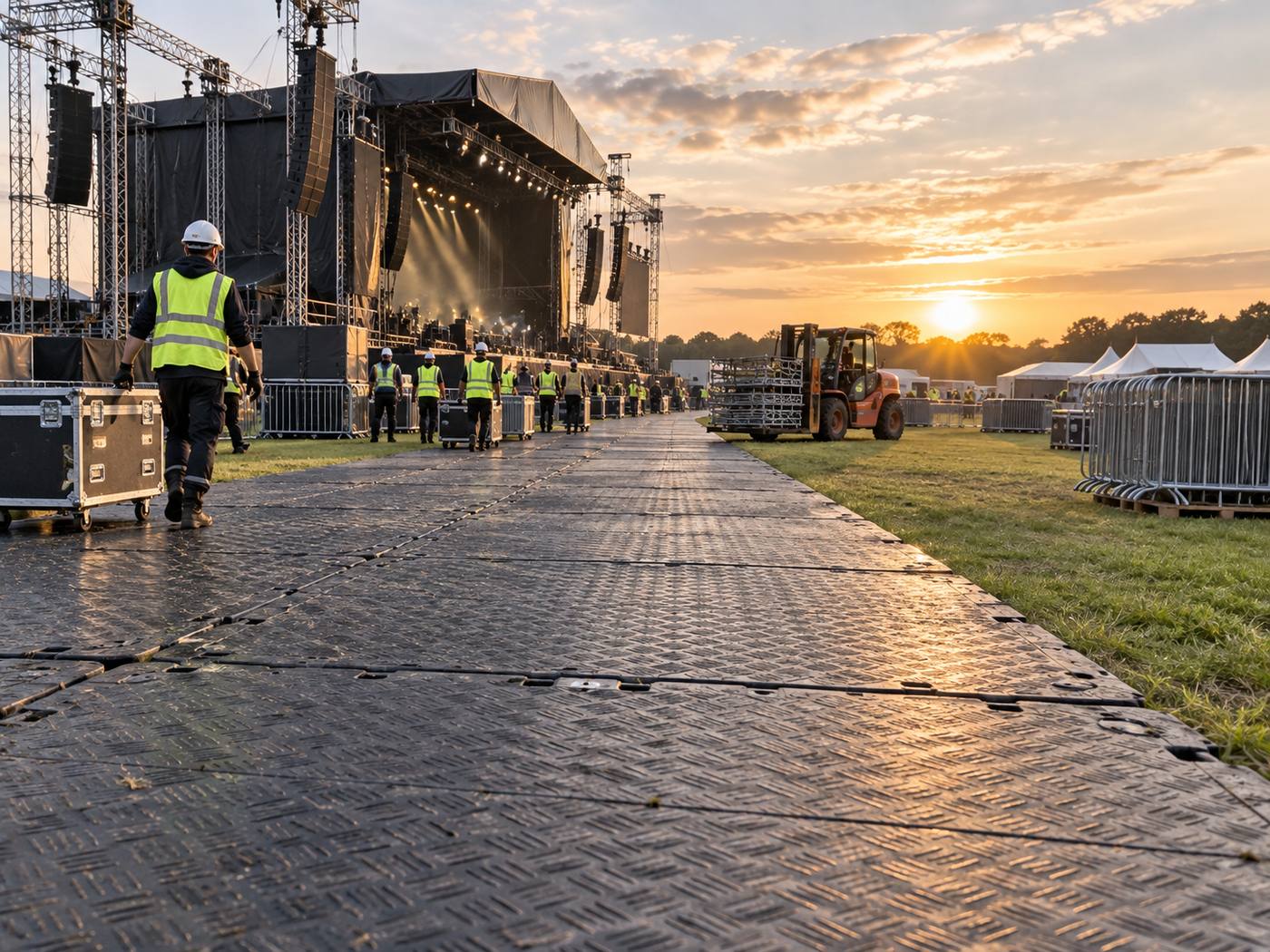
Figure: Trailers, animal transporters and equipment vehicles entering grassland camps
The construction organization is as important as the product specifications. Operators shall use means of transport suitable for a single mass, and the vehicle shall be directed by a commander and shall not be braked, wheeled or pressed. The tour requires systems that can be quickly laid, numbered and reused. Prior to the opening of public areas, access transitions, trip risks and fence segregation are also checked.
The shift is to report changes in the camp road, the perimeter of the tent, legs, drainage and firefighting, rather than a description of the appearance. The sutures, shoulders or sub-points repaired in the previous class must be reviewed in the next class. In the event that the combination of models and the concentration of entry sites can easily lead to increased congestion and traffic, the speed limit, re-routing or suspension of operations should be immediate.
Before expanding the application, it was recommended that a common review of operations, build-up, HSE, site and procurement be undertaken. The parties confirm the conditions of access, inspection, site protection and delivery, and can test whether the establishment of the main road for the most heavy vehicles and the separation of living areas from the flow of equipment are truly enforceable.
Before a procurement release, the host, site, builder and logistics should confirm the use of the same version of data. An example of size or thickness in this paper is not an on-site commitment value, and the actual performance is affected by materials, temperature, foundation and installation, and the recommended results should indicate the assumptions and non-applicability.
Need for further evaluation of the actual project?
Applications, sizes, quantities, site photographs or drawings and delivery destinations are sent, on which we can identify more suitable products and processing programmes.