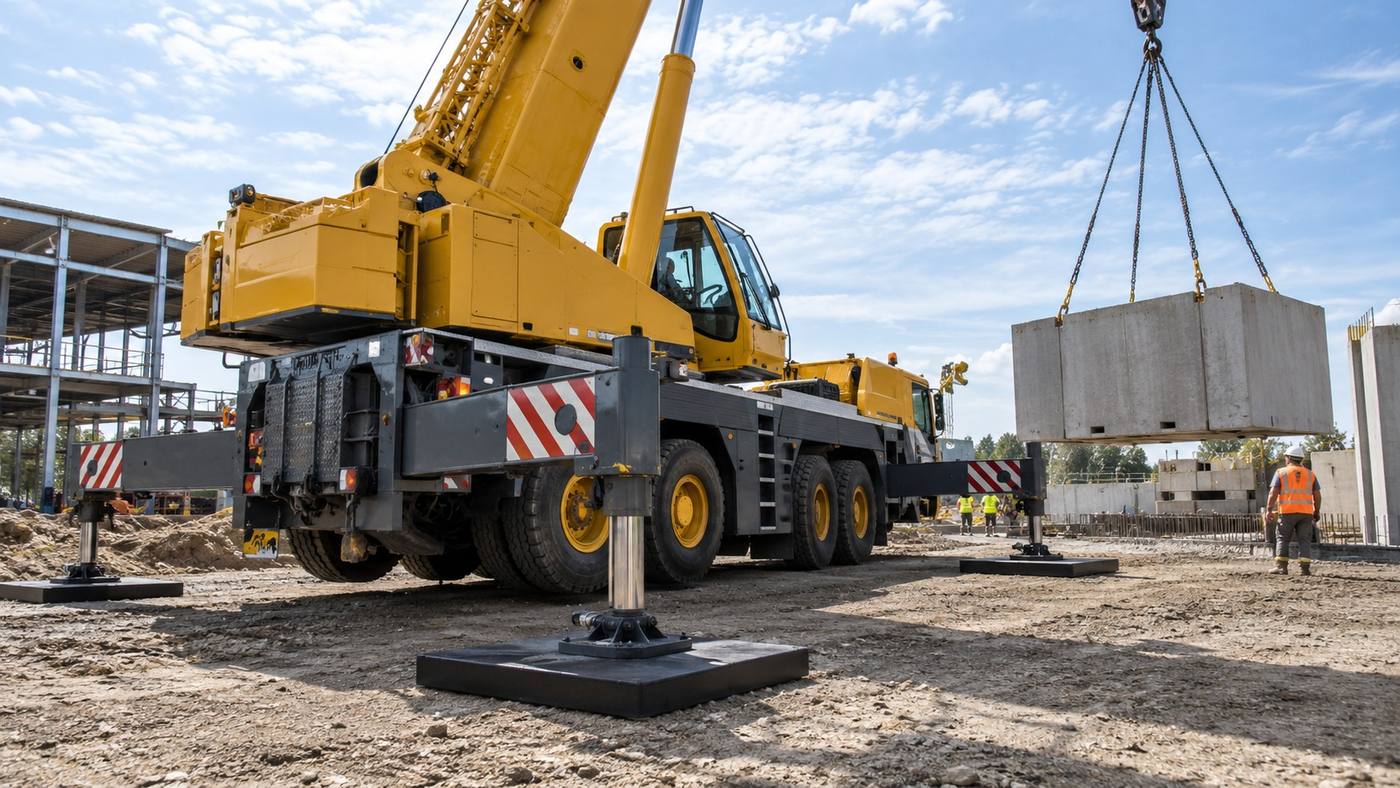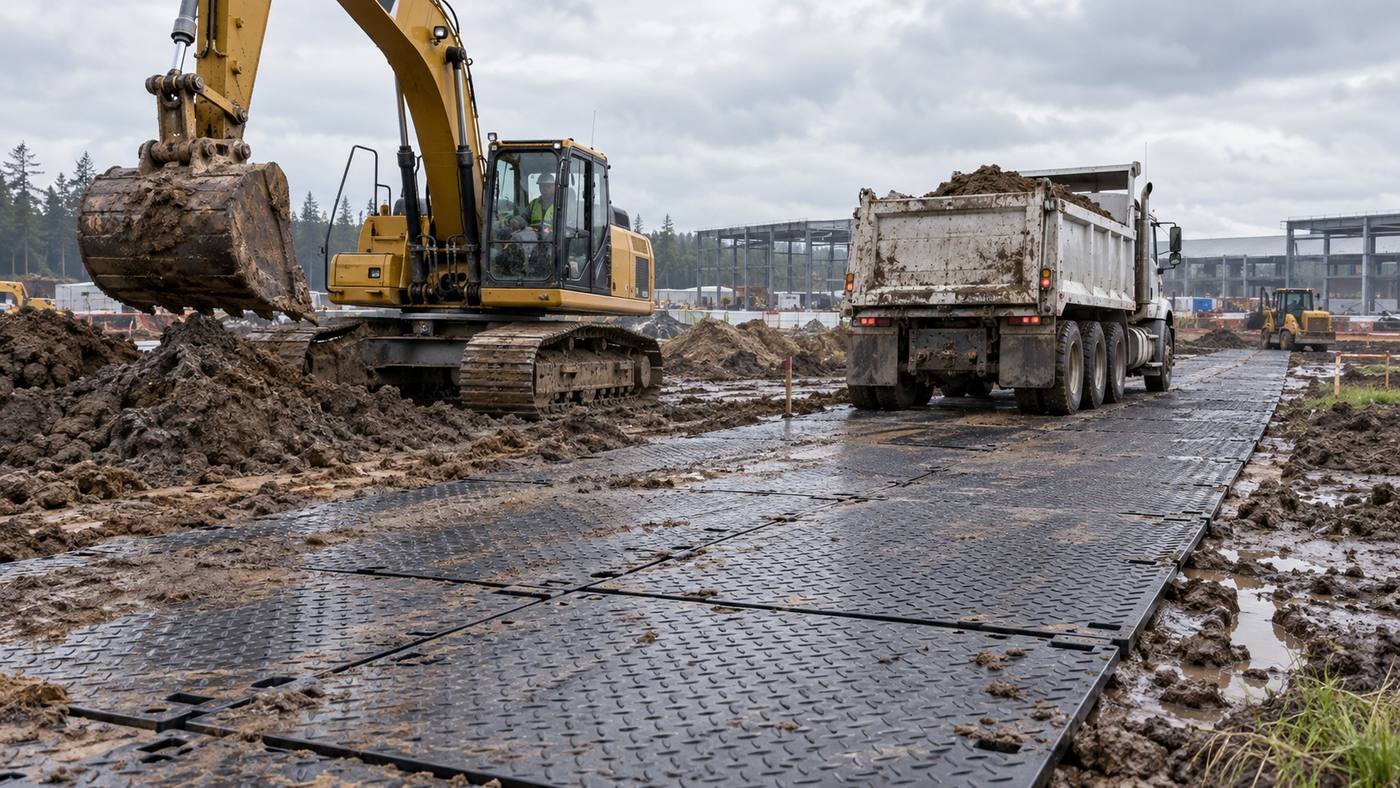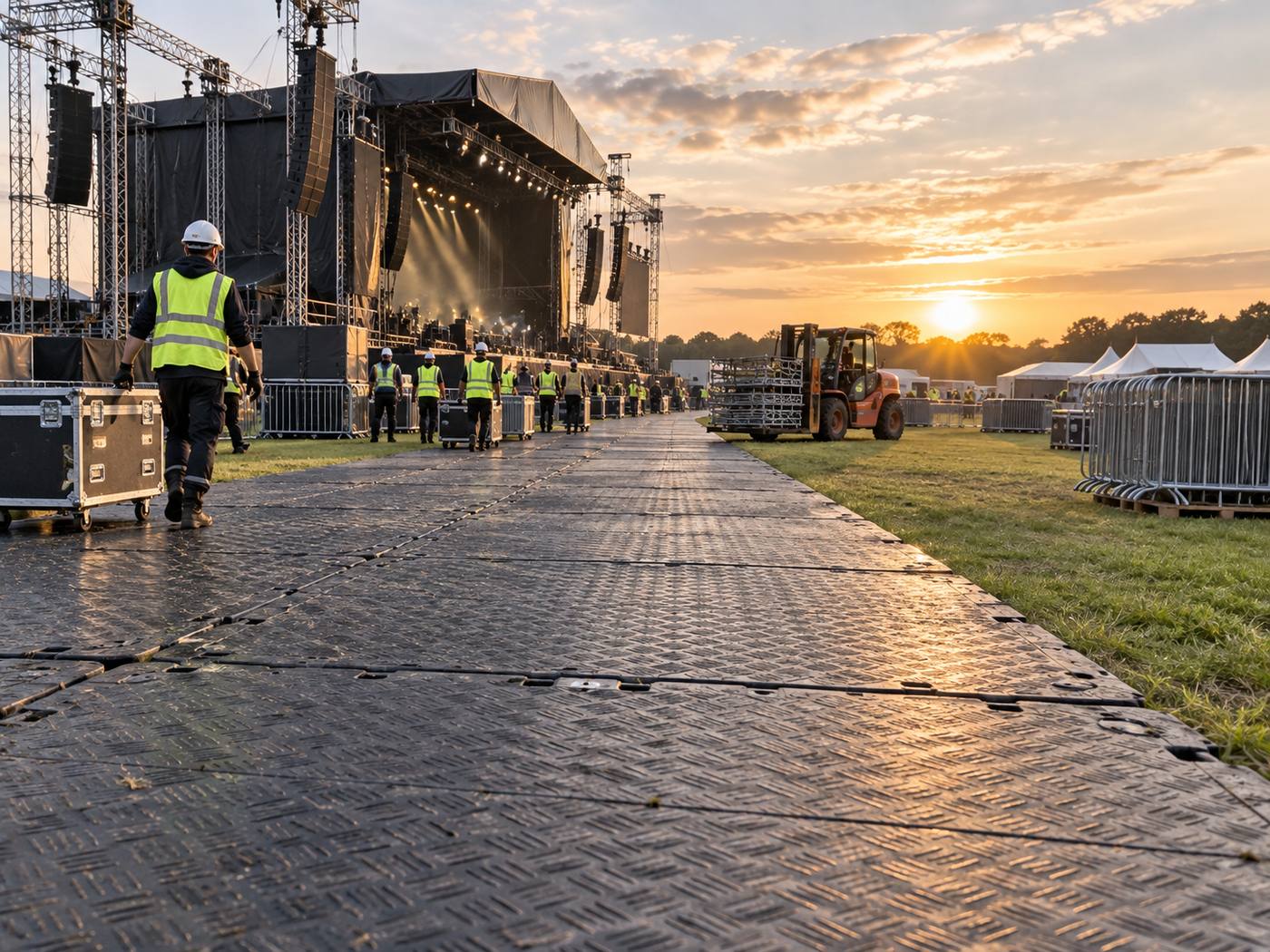
In the case of the long-car stage truck, which is leaning back in the grassland, the stage is designed to be judged by the full operating cycle. The effects of vehicular entry, low-speed rotation, parking, loading and unloading and departure are different, while the increased risk of convulsion at the inside and back-of-the-car fixes is often only apparent at one point. It would be more reliable to record the timing and movements of anomalies before choosing the pavement or leg pads, as opposed to a space-only offer.
The key to this topic is not to choose the thickest, but to establish a match. (c) Identification and control of the condition based on the total weight of the equipment, maximum retroactivity of the leg, the suspension condition, the endurance of the ground, underground facilities and the weather window, and the layout of the pavement and the mats by designing the road on the basis of the axle of the vehicle, the outline and the complete reverse track. If products need to be moved more frequently, manual weights, posts, stacking and cleaning should also be added to the total cost.
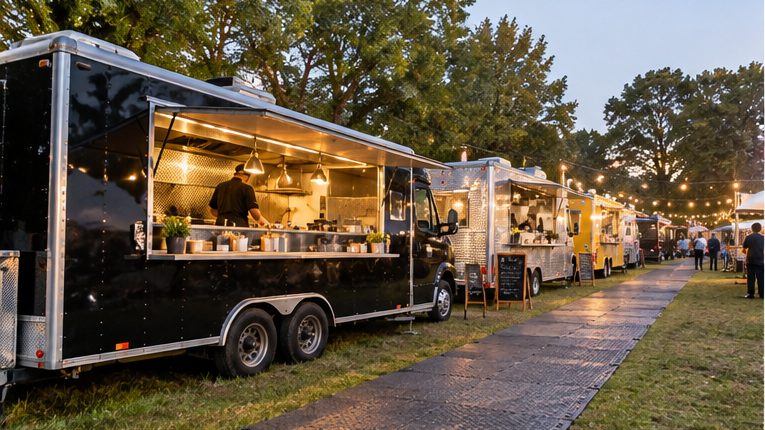
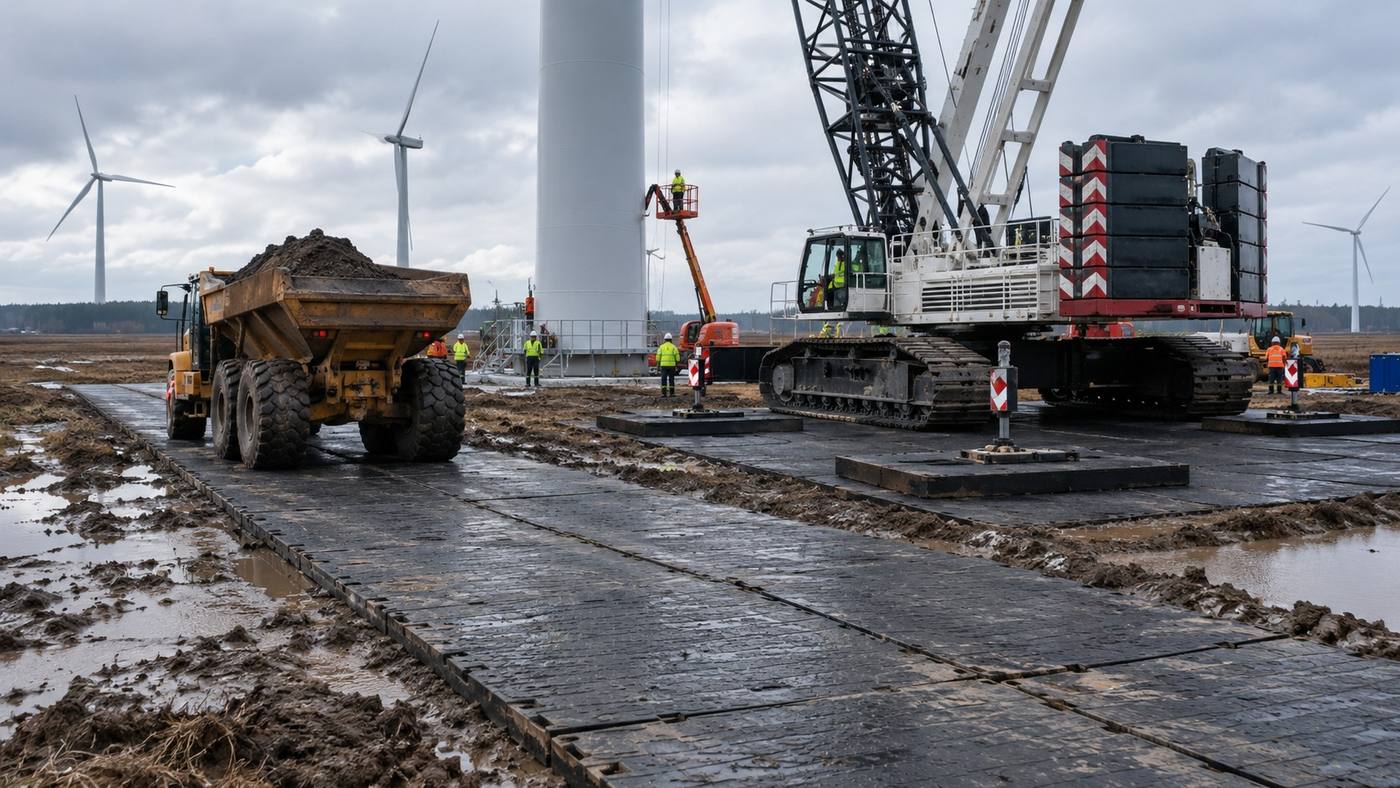
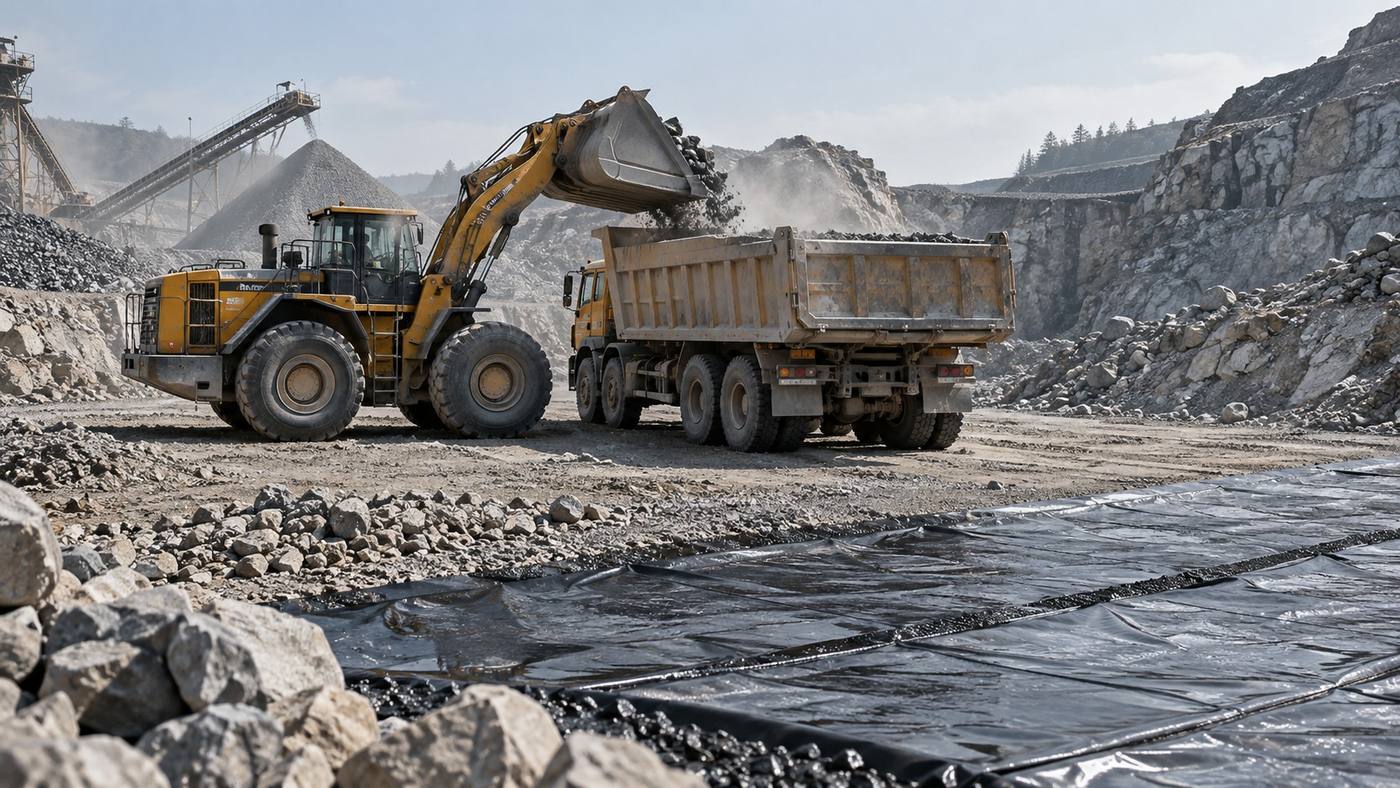
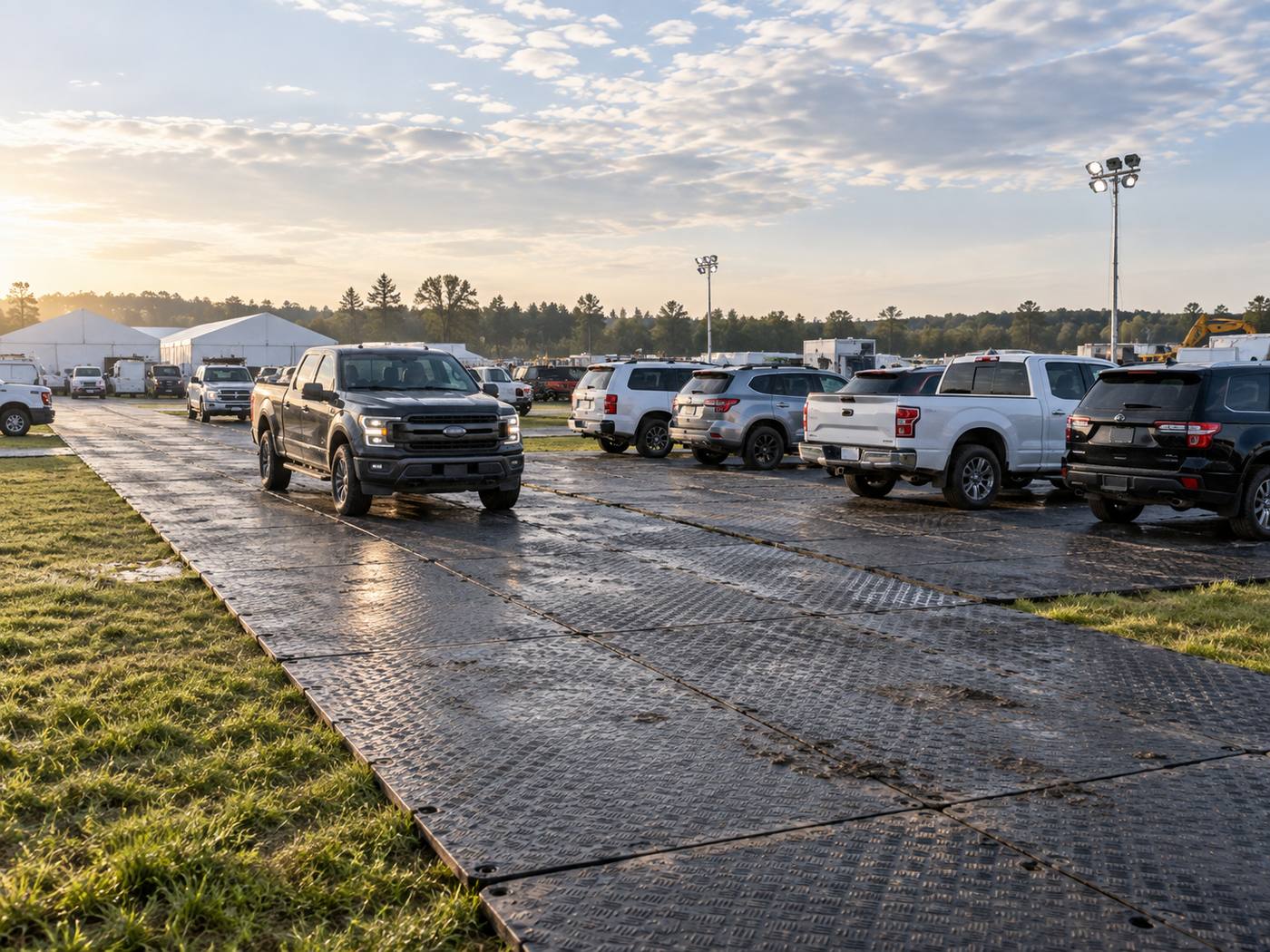
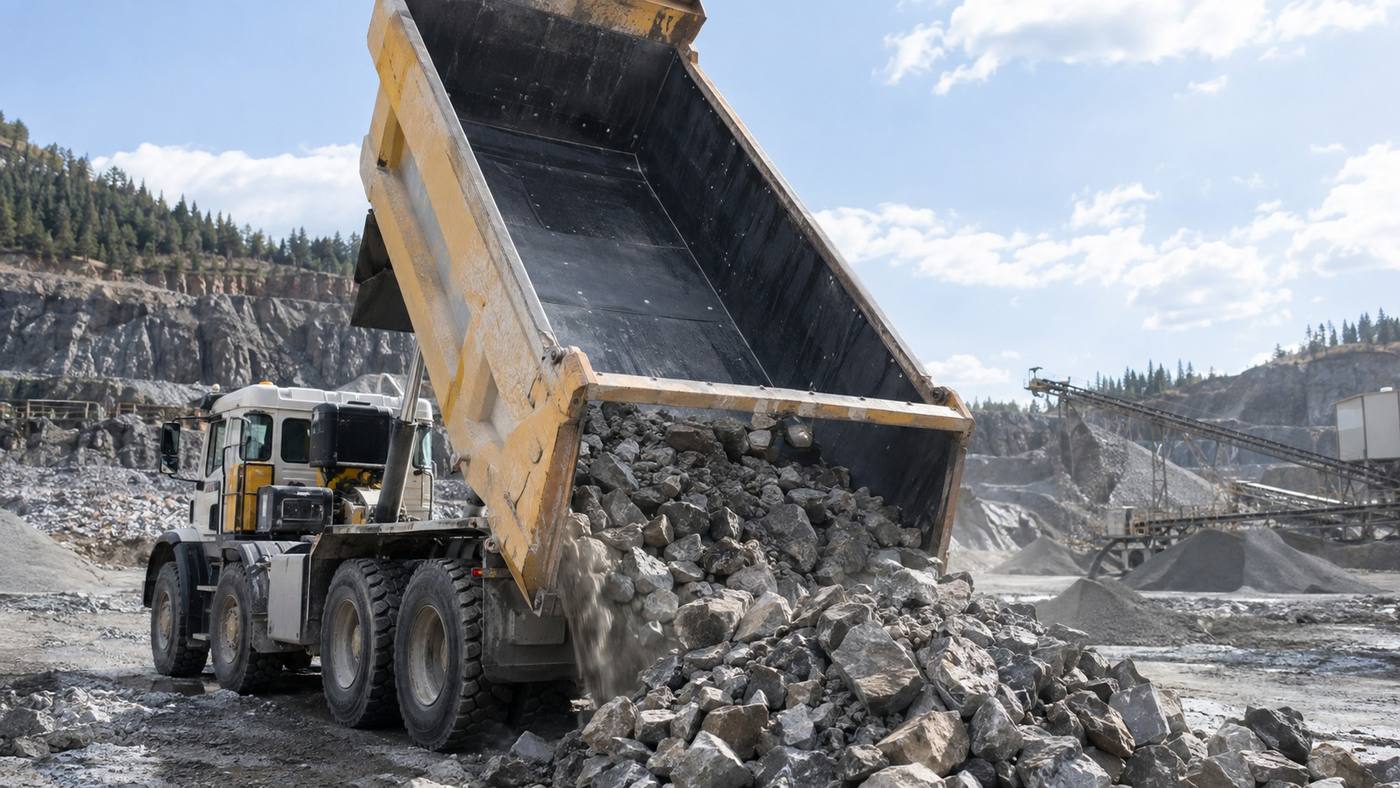
Figure: Long-car stage van backs in the grass
The construction organization is as important as the product specifications. Operators shall use means of transport suitable for a single mass, and the vehicle shall be directed by a commander and shall not be braked, wheeled or pressed. The pavements are for passage and the mats for extension of the feeder, which cannot be replaced by one another. Prior to the opening of public areas, access transitions, trip risks and fence segregation are also checked.
The inspection cycle should be shortened at the beginning of the operation and the product should be stabilized and adjusted for risk. Focus on sedimentation, horizontality, full exposure, edge distance and connectivity, while observing drivers ' compliance with speed limits and shift requirements. Loose connectors, deep mouths, abnormal arctic arctics, or strip shifts should be immediately photographed and closed.
Before expanding the application, it was recommended that a common review of operations, build-up, HSE, site and procurement be undertaken. The parties confirmed the conditions of movement, inspection, site protection and delivery, and could test whether the design of the road on the basis of vehicle axle load, exterior and complete reverse trajectory was truly implementable.
The conclusions can be summarized as the first confirmation of the boundary, followed by the configuration of pavements and leg pads, followed by inspection and validation of project data. Formal programmes should also identify the use of restrictions, duty-bearers, decommissioning criteria and evacuation methods to avoid the loss of information as a result of shifts or changes in contractors.
Need for further evaluation of the actual project?
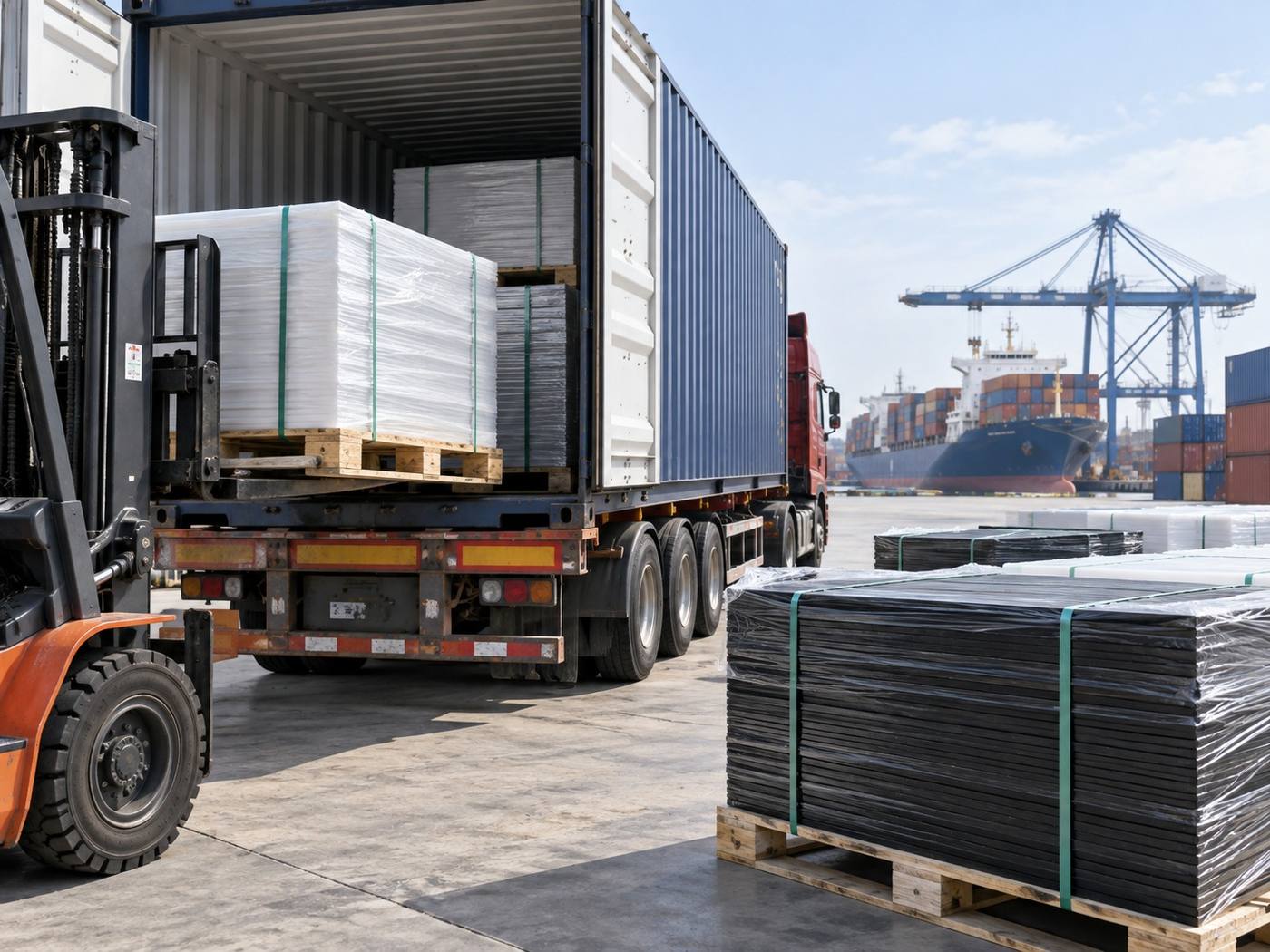
Applications, sizes, quantities, site photographs or drawings and delivery destinations are sent, on which we can identify more suitable products and processing programmes.