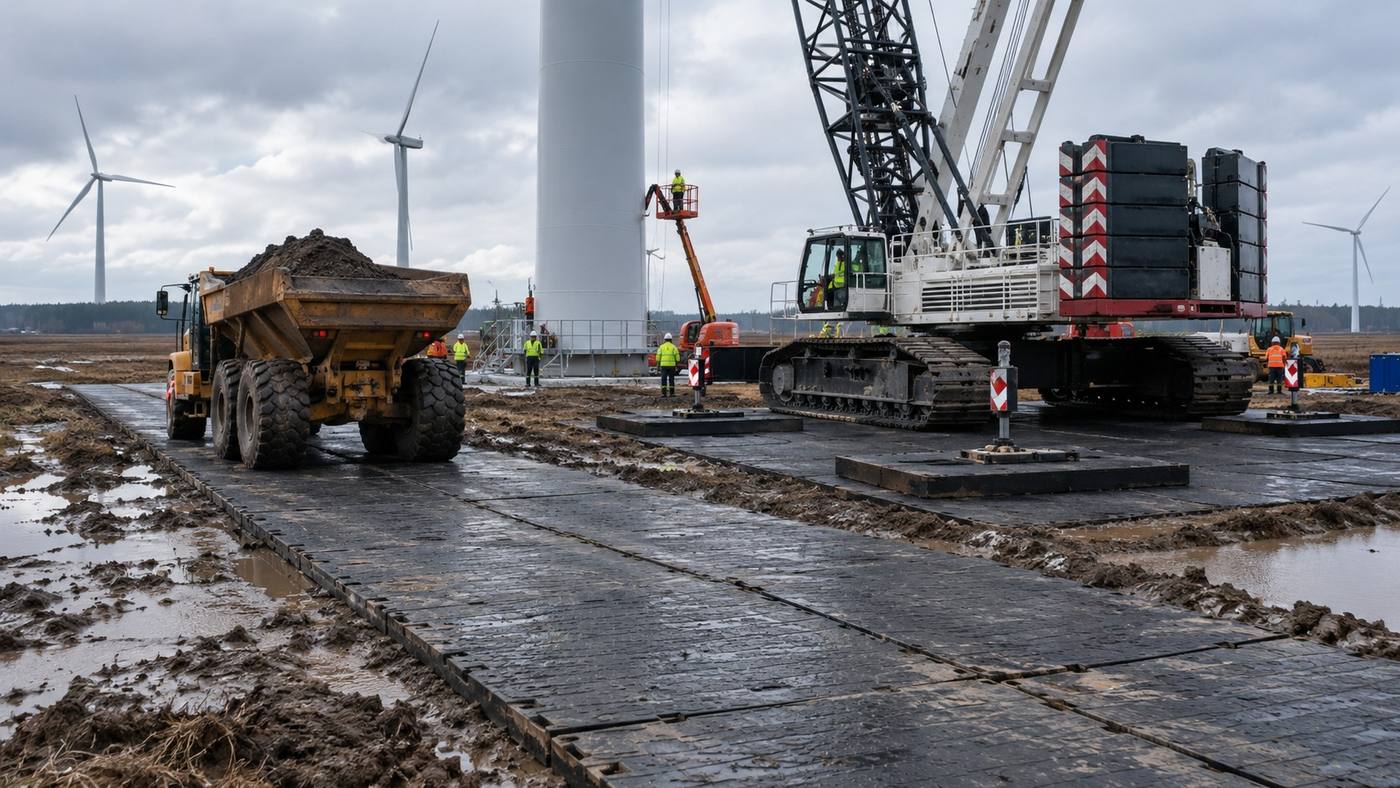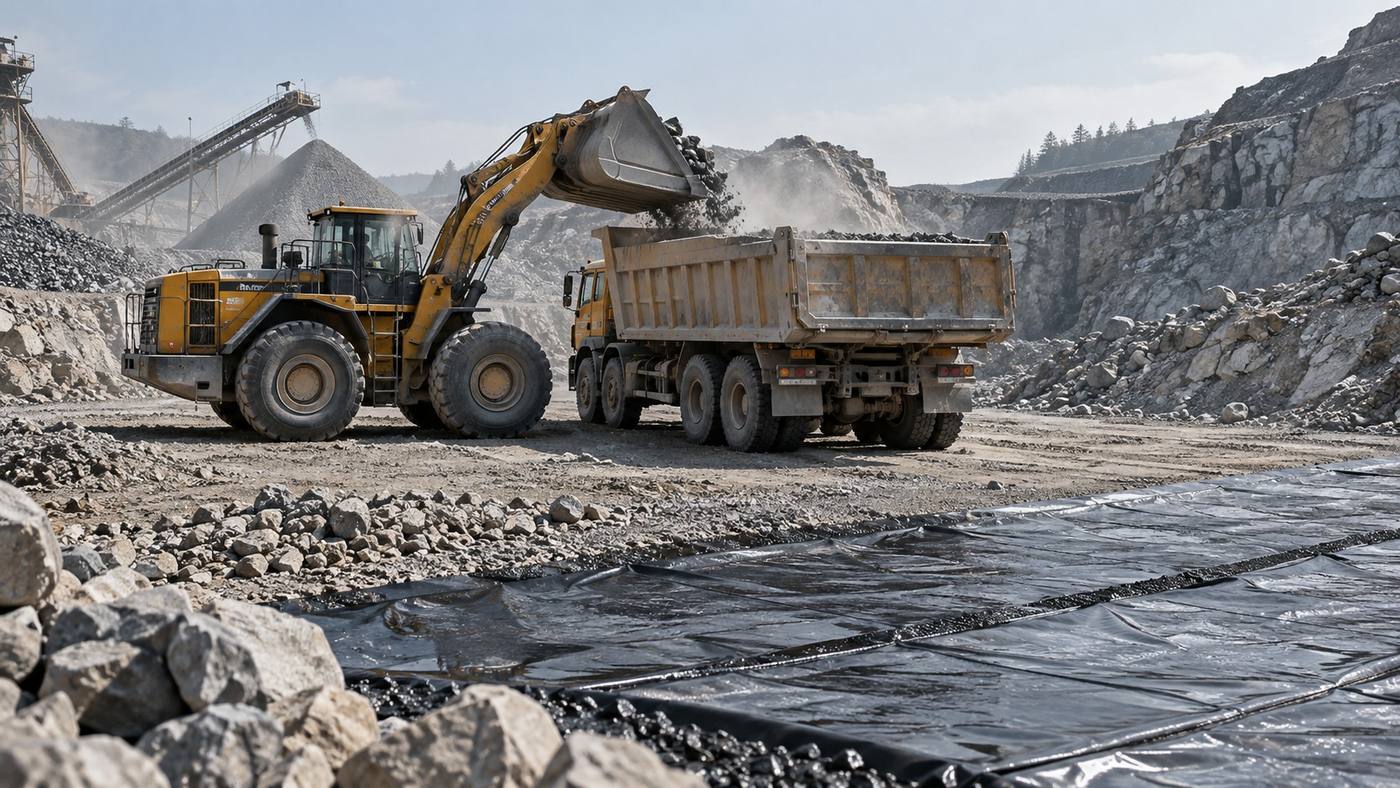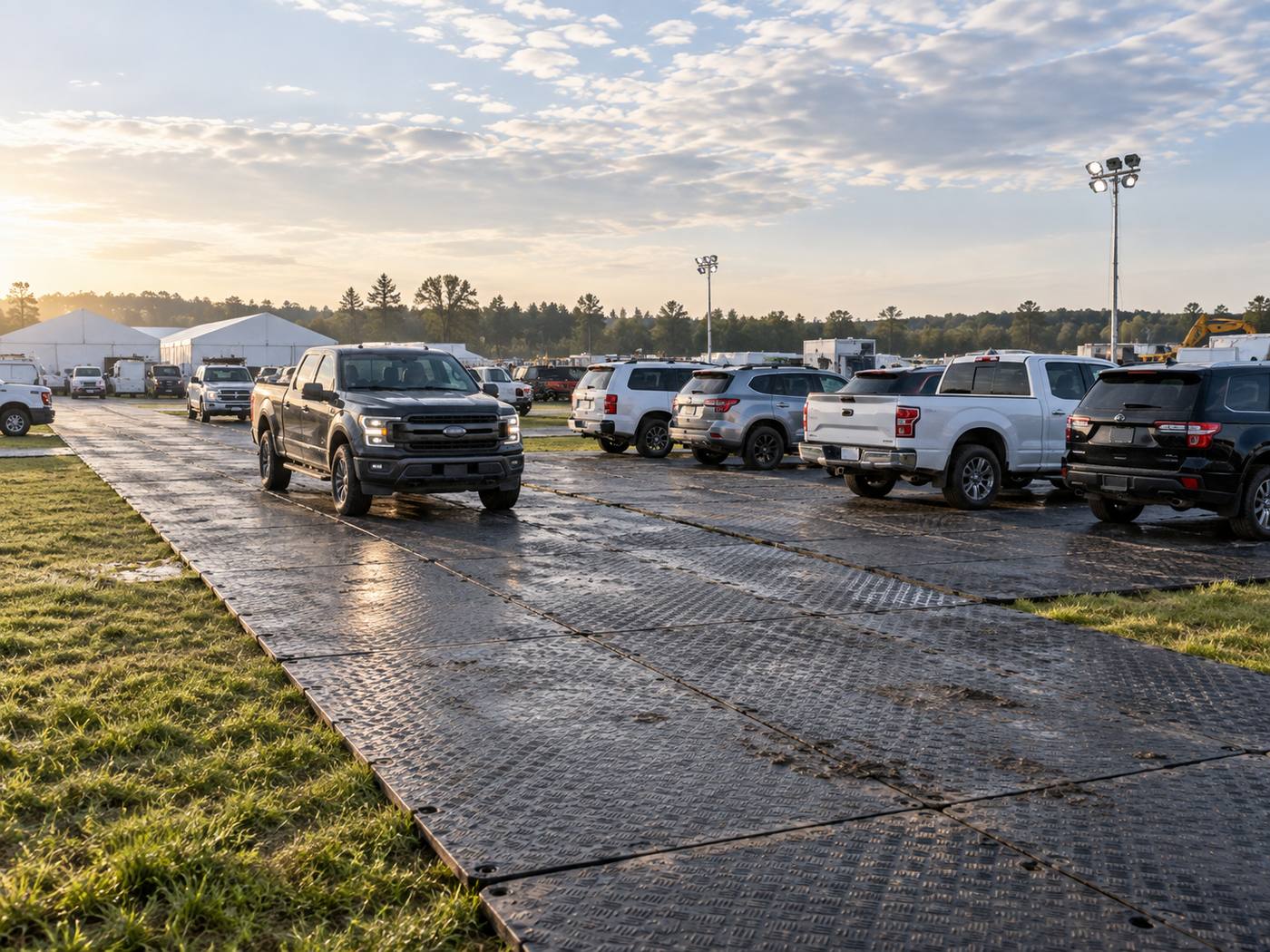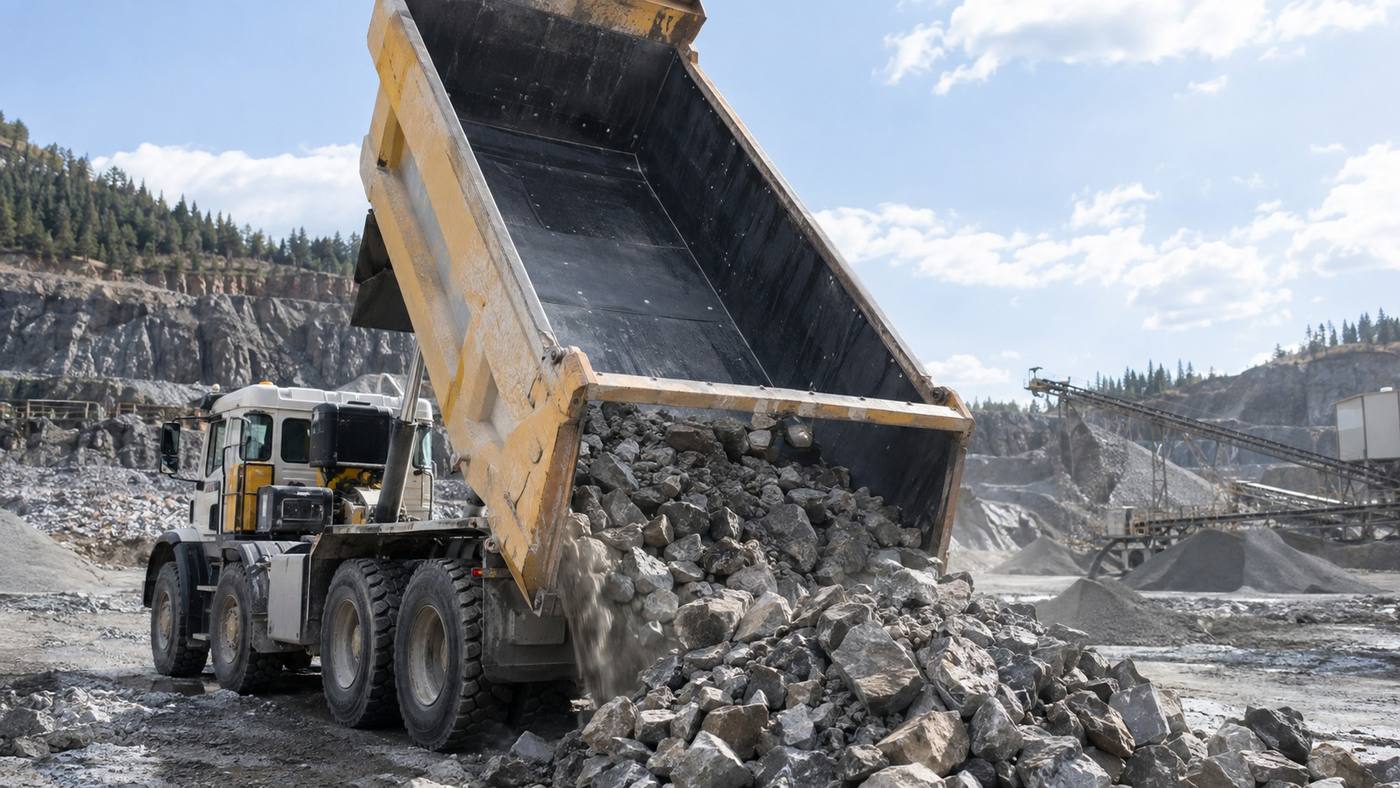
In the case of scavenging vehicles operating between tents and fences, mobile toilet service vehicles enter the field with care to determine from the full operating cycle. The effects of vehicular entry, low-speed rotation, parking, loading and unloading and departure are different, and the lack of convulsive space and soft sinking tend to block access only at one point or another. It would be more reliable to record the timing and movements of anomalies before choosing the pavement or leg pads, as opposed to a space-only offer.
The selection can be divided into three steps: first, verification of full load, stop time, frequency of supply, revolving space, liquid contamination and diversion of human vehicles, then conversion of insufficient convulsive space and soft-sinking obstructive passages to carrying, stabilizing, sliding or site restoration requirements, and finally, implementation of pre-positioned turnover, docking and hose safety distance. Common 15, 20, 25 or 30 mm specifications can only serve as the starting point for the request for quotations, and the final option is to be confirmed in conjunction with the location of the vehicle and the base support.
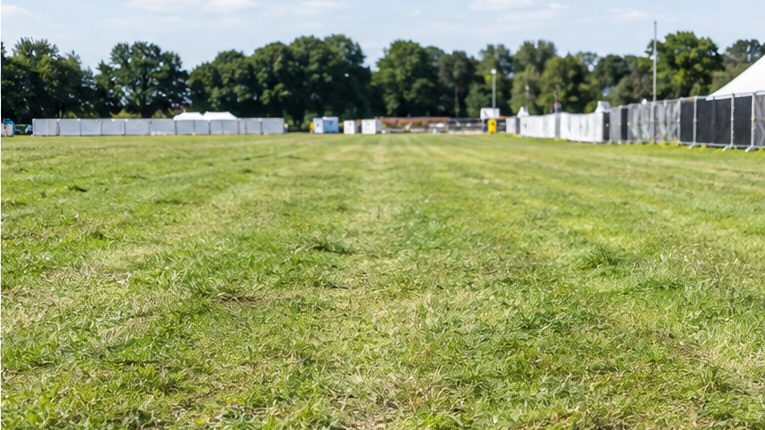
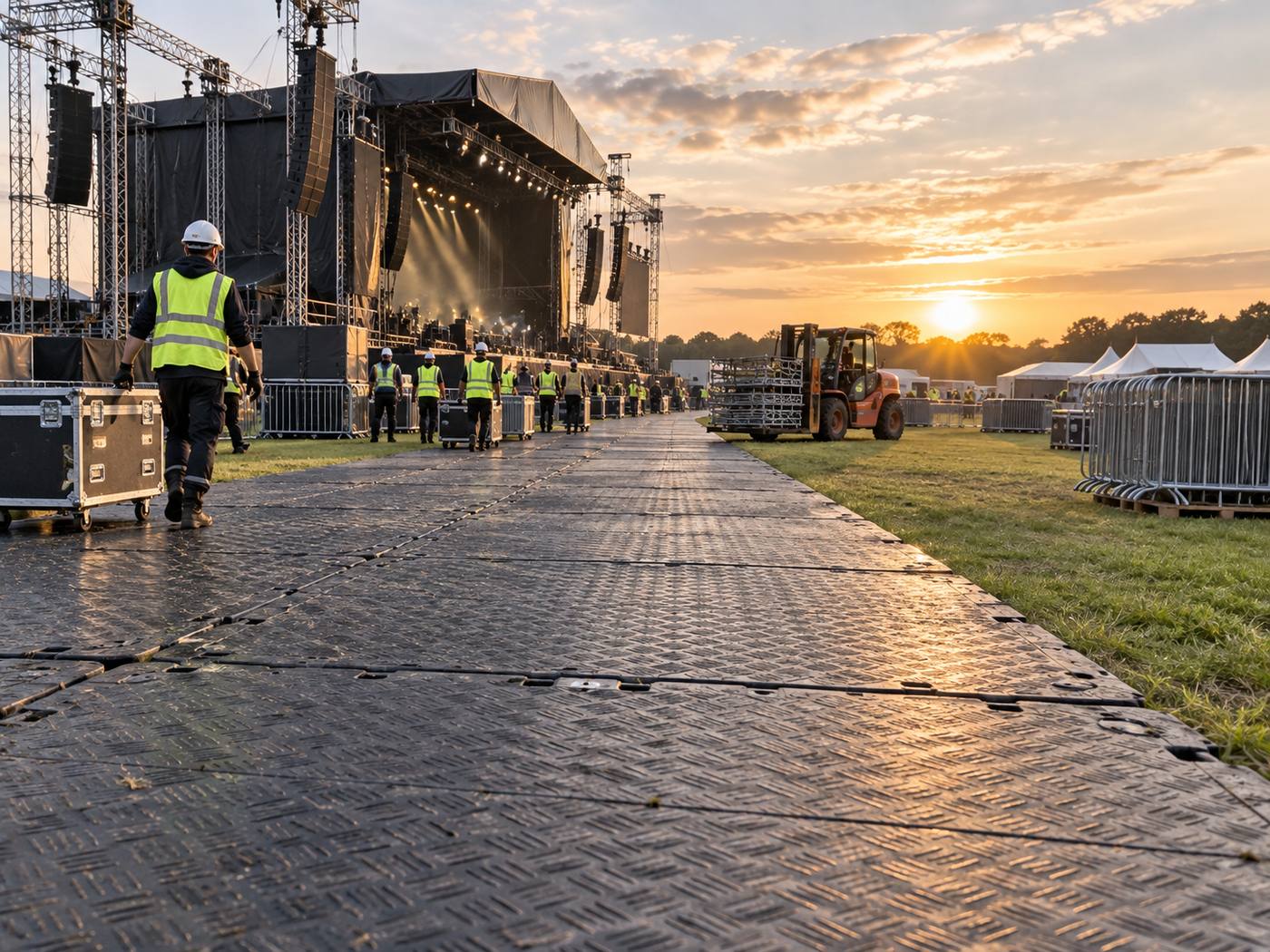
Figure: Harming vehicles between tents and fences
The construction organization is as important as the product specifications. Operators shall use means of transport suitable for a single mass, and the vehicle shall be directed by a commander and shall not be braked, wheeled or pressed. Service roads must be continuously available and clean during the opening of activities. Prior to the opening of public areas, access transitions, trip risks and fence segregation are also checked.
During the operation, pre-shift, post-traffic and post-rainfall inspections focused on docking, reverse areas, hoses, cables, stains and plates. It is recommended that key plates and leg pads be numbered to record dates, locations, vehicles, unusual photographs and disposal results. The use of tools that do not cut the surface of polymers in cleaning should be isolated and treated according to the manufacturer ' s standards when permanent deformations, cracks, holes torn or unreliable fixes are found.
Before expanding the application, it was recommended that a common review of operations, build-up, HSE, site and procurement be undertaken. The parties confirm the conditions for movement, inspection, site protection and delivery, and can test whether the reserved areas, docking surfaces and hose safety distances are truly enforceable.
It needs to be stressed that paved boards can only function in an approved operational system of activities and cannot be a substitute for substandard foundations, damaged equipment or irregular operations. Any unknown underground facility, perimeter instability, posturing of equipment beyond the Manual or failure to isolate persons should be suspended and upgraded.
Need for further evaluation of the actual project?
Applications, sizes, quantities, site photographs or drawings and delivery destinations are sent, on which we can identify more suitable products and processing programmes.