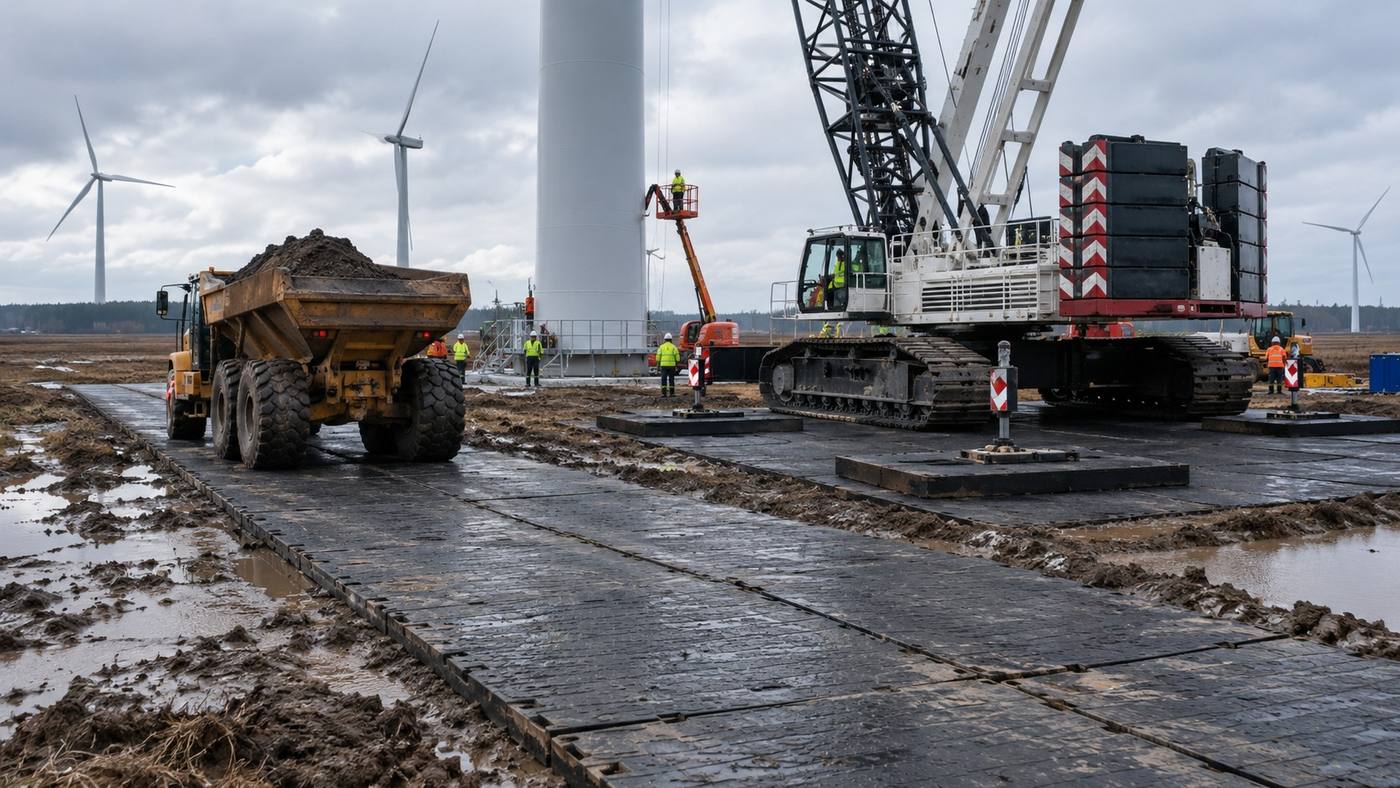
The construction window for energy works is usually tight, but full operational cycle analysis is still required on how the windshield winter construction pavements are smooth. In the case of wind blades, pylons, cabin transport and wind hanger sites, the subject is concerned with “how windmill winter construction pavers are smooth” and the conditions of control when vehicles enter, leave empty, full load or when equipment is suspended for long periods of time are not the same. The site should first locate the area in which the rebalancing of the equipment level may occur by overloading or uneven deposition of the feeder, and then decide on the use of pavements, leg pads or approved combinations.
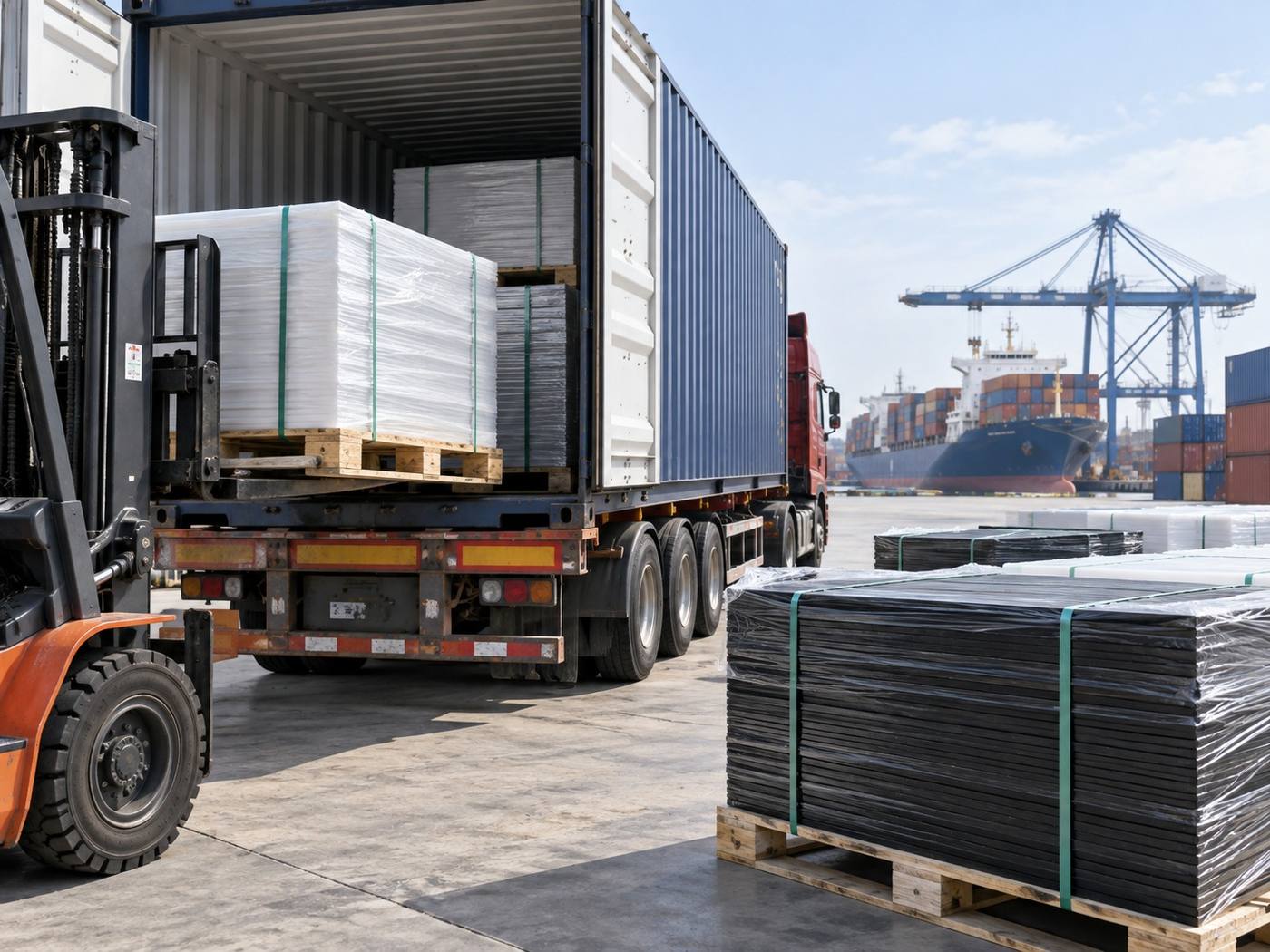
The procurement staff shall submit the site map, vehicle watch and blades or pylons for the exterior of the transport vehicle, axle-load, minimum turn radius, road slope, maximum leg reaction of the main hanging, ground endurance and weather windows to the request for quotations, and shall indicate the location where the level of the change in the equipment may occur as a result of the overloading or uneven deposition of the points. The programme can be configured on the basis of the approved road map, numbering and inspection log management on-site changes. For the whole container procurement, the quantity of the container, the pallet or bundle, the offloading equipment, the destination port and the conditions of storage at the site should also be confirmed in advance. The information review should also approve the passage of vehicles after the map of the underground facility has been aligned with the site marking and include missing information as an item to be confirmed for quotations and construction programme.
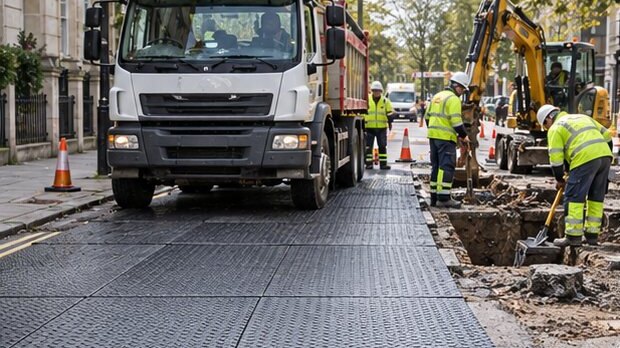
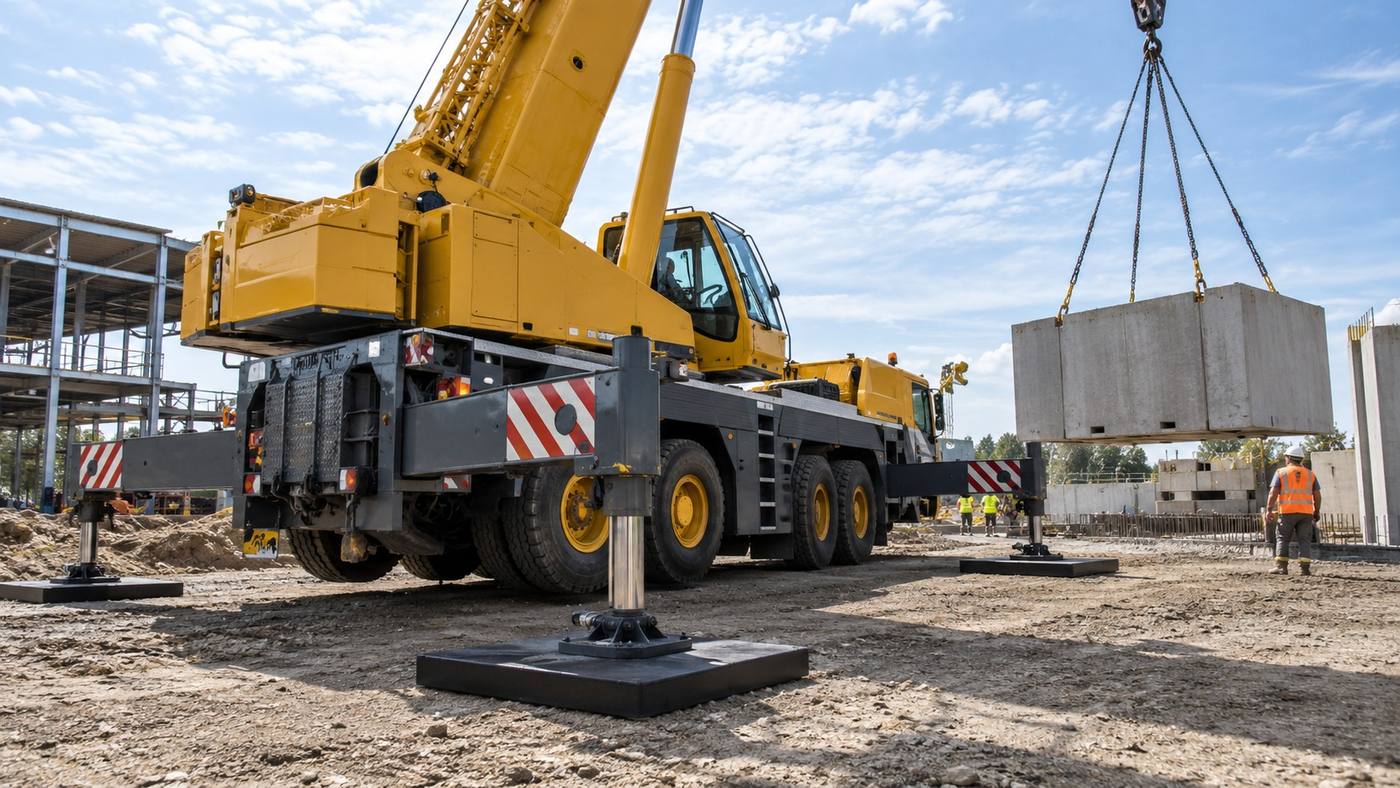
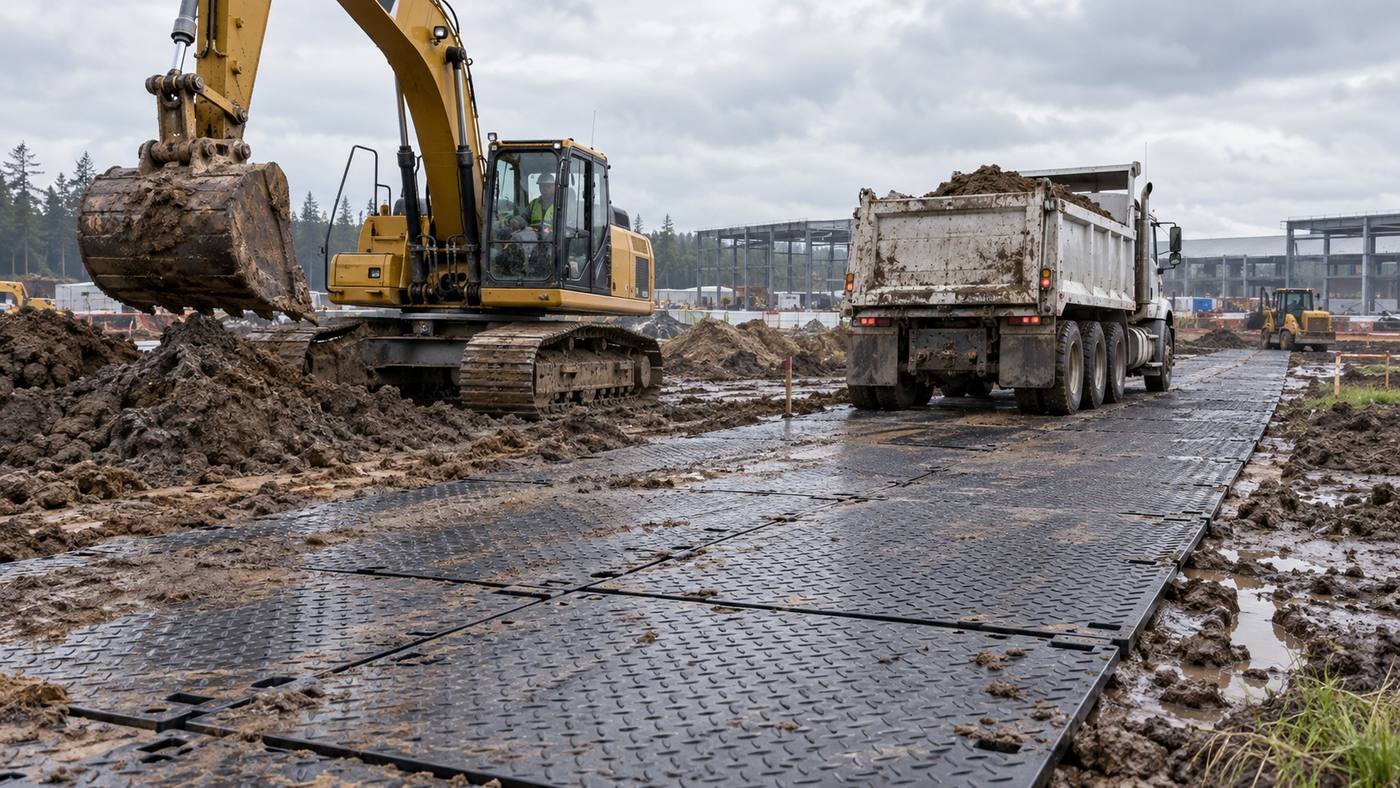
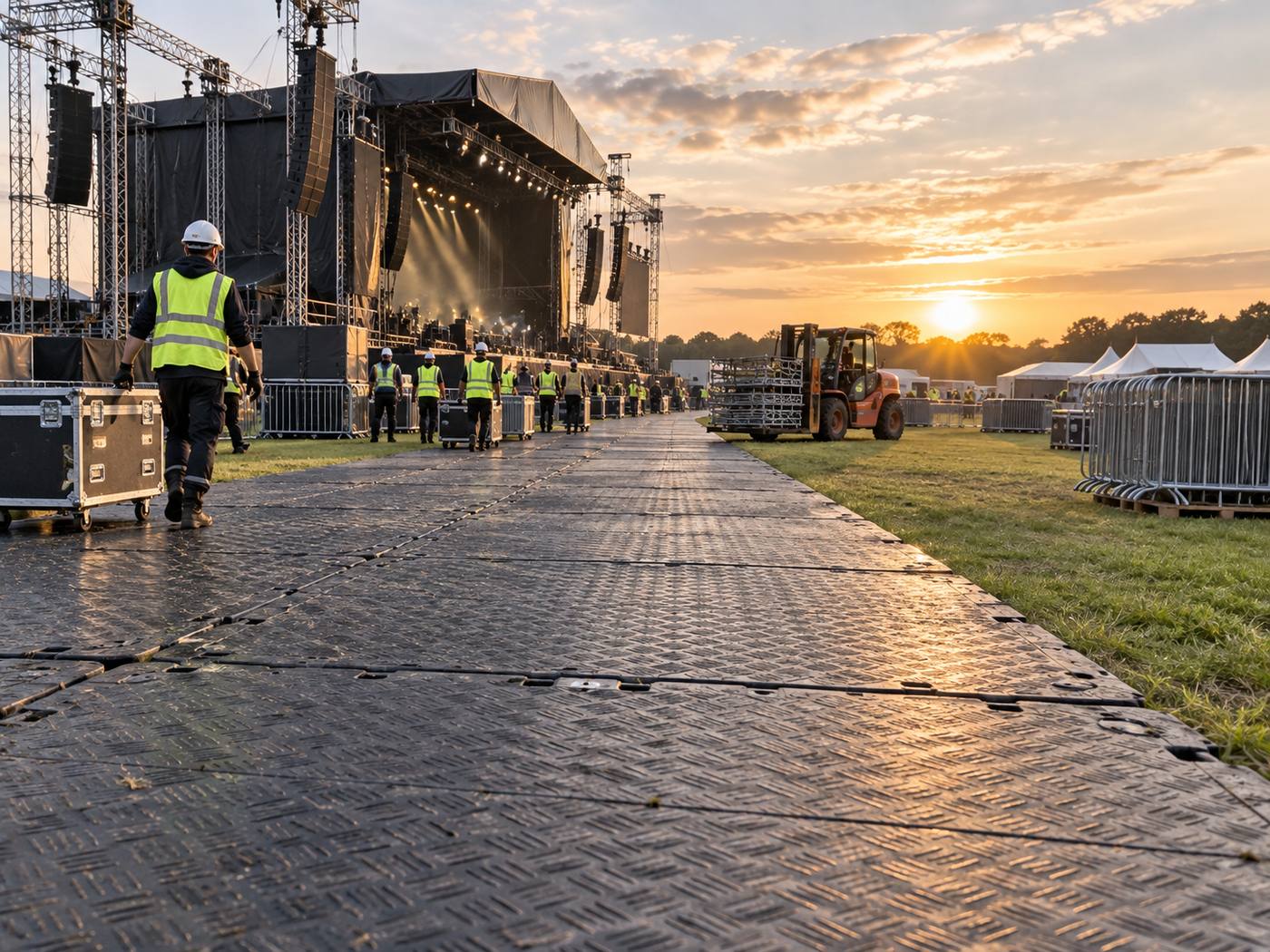
Figure: Wind blades, pylons, cabin transport and wind hanger sites, with a focus on “How the windmill winter construction pavements are smooth” (materials for the plastic network).
The construction organization is as important as the product specifications. Operators should use means of moving a single load, with the vehicle being directed by a commander, without brakes, in situ wheeling or constant pressure. Wind and electricity transport and suspension must control the continuity of the road and the carrying of the feeder, respectively, and any nominal tonnage must be returned to the ground and equipment condition. Changes in traffic routes, repositioning of equipment or heavy rainfall are followed by a re-examination of the continued applicability of the original programme. The test-pail record of “how smooth the winter construction pavement of the windmill” should indicate the starting and ending position, vehicle status and release conclusions to facilitate review as the construction conditions change.
Multi-shift or lease items may be used for electronic worksheets to record internal and external rotor tracks, faulty plates, road shoulder deformations, leg deposition, horizontality, connectors and water accumulation, and to link road maps and product numbers. Continuous anomalies should trigger a review of the project, rather than a mere surface. Visible permanent deformation, deep mouth or postpoint damage to the leg cushions shall be judged by standard manufacturer ' s isolation. The inspection forms are designed to change the level of the equipment by overloading or uneven deposition of a single branch and to indicate the time taken by the inspector and the time of return.
The receiving and inspection information shall be maintained in the form of maps, product numbers, photographs of entry and exit sites, initial ground conditions, abnormal worksheets and demolition records. In the event of a ground or equipment dispute, the information may distinguish between the original soft spot, changes in use and damage to the evacuation site, and may also quantify the impact on the cost of the project of a change in the level of equipment by overloading or uneven deposition of the branch. This retrodiscussion should also answer whether the “how windfield winter construction pavements are smooth” have been validated and improved by managing on-site changes using approved road maps, numbering and inspection records to avoid a subjective description of the closure.
This paper could serve as a technical discussion list for energy projects, but not as a separate construction permit. The project will also require a written programme of transport organization, temporary structures, electrical safety, fire protection, weather emergencies and site restoration systems, and a review of key carrying and stabilization conditions by authorized personnel.
Need for further evaluation of the actual project?
Applications, sizes, quantities, site photographs or drawings and delivery destinations are sent, on which we can identify more suitable products and processing programmes.