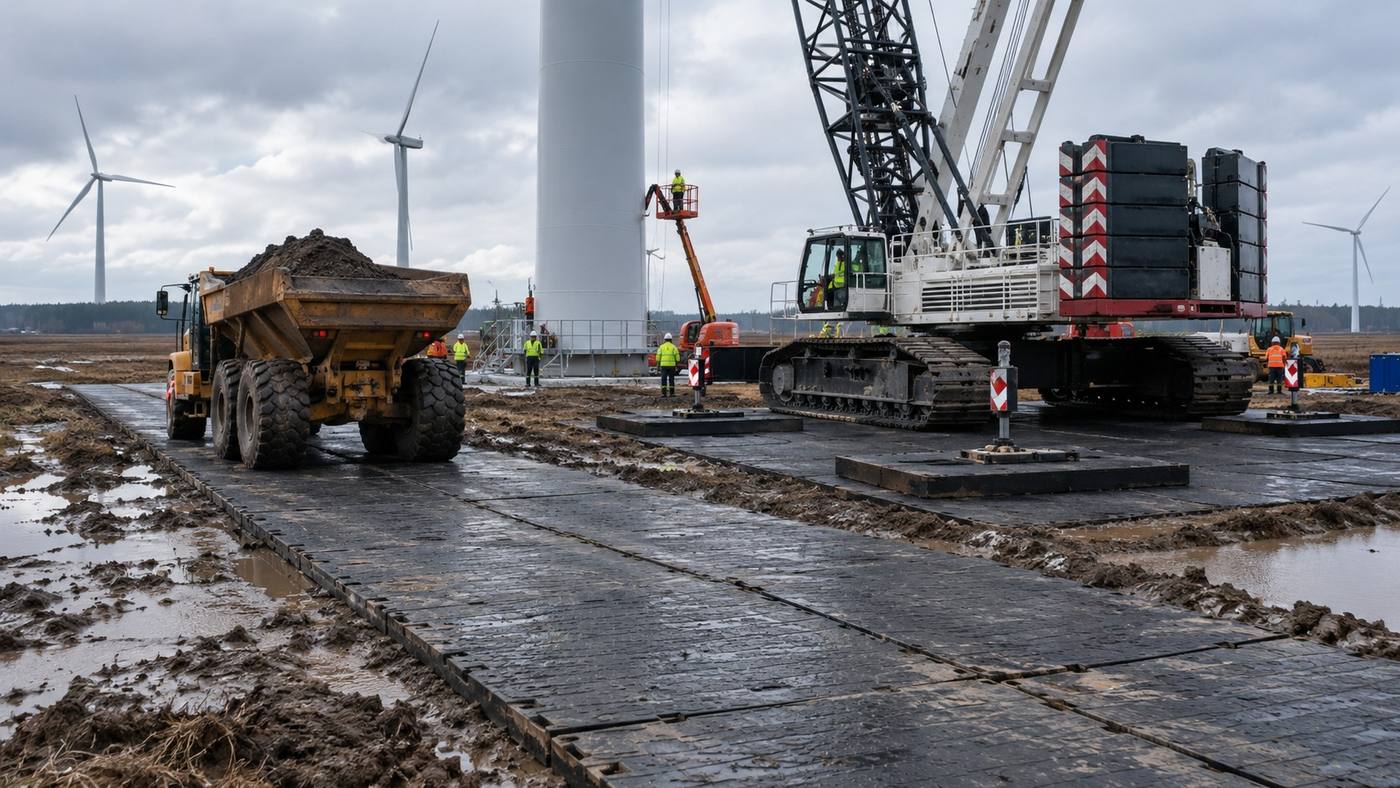
When discussing why the wind and power discharge area needed to be expanded, the project manager could not ask only how many tons the pavement could take. Wind blades, pylons, cabin transport and winder hanger sites, which focus on why the “wind power discharge area needs to be expanded” tyre landings, axle loads, turnovers, brakes and static loads have different effects, while temporary changes in construction routes often result in the most unfavourable position of vehicles entering unprotected areas. Reasonable coverage can be determined only if the routes, terminals and emergency exits must be secured.
A one-time collection of the profile of the van, the axle charge, the minimum turn radius, the road slope, the maximum reversibility of the main leg, the earth's durability and the weather window is recommended before the design and request for quotations. The topic could begin with a programme of “Verification panels, floors and vehicle operating space through representative trial workshops”. The standard 15, 20, 25 and 30 mm specifications for paving boards can only be used as the starting point for communication, with the actual selection being combined with materials, size, thickness, single weight, texture, connection, grass-roots support and supplier testing conditions. The information review should also adjust the frequency of inspections to the traffic, weather and abnormal frequency dynamics and include missing information as an item to be confirmed for quotations and construction programmes.
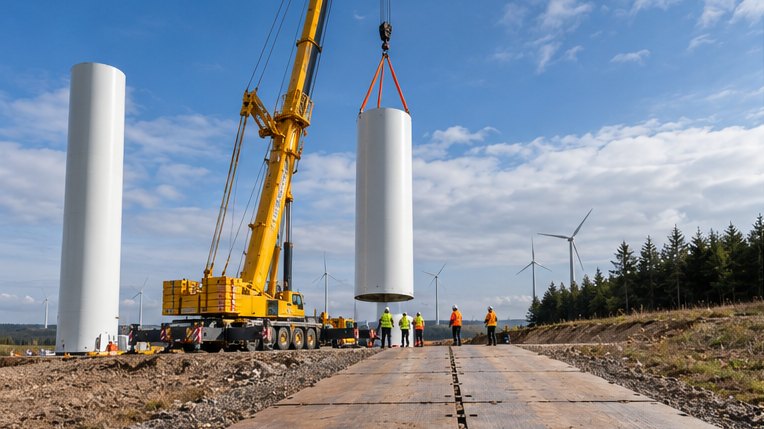
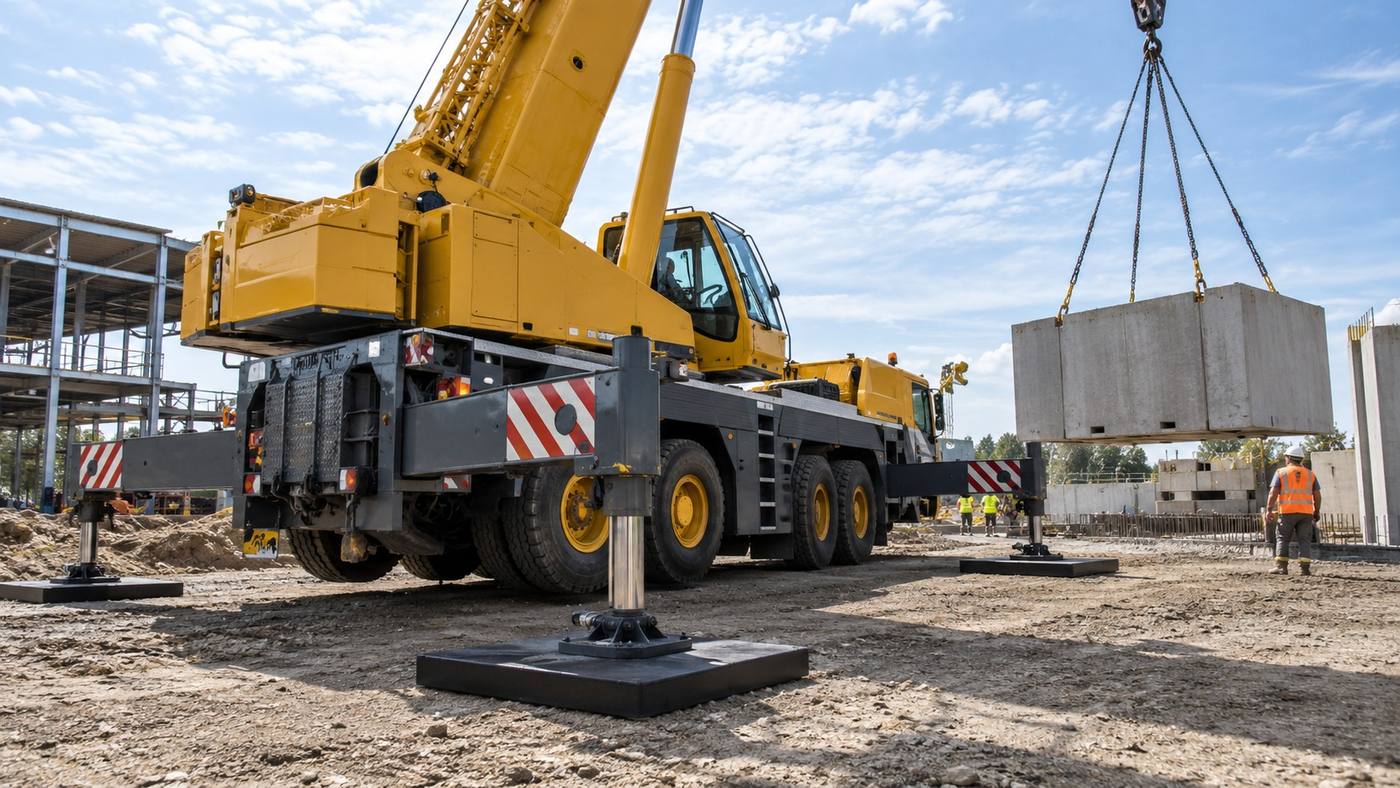
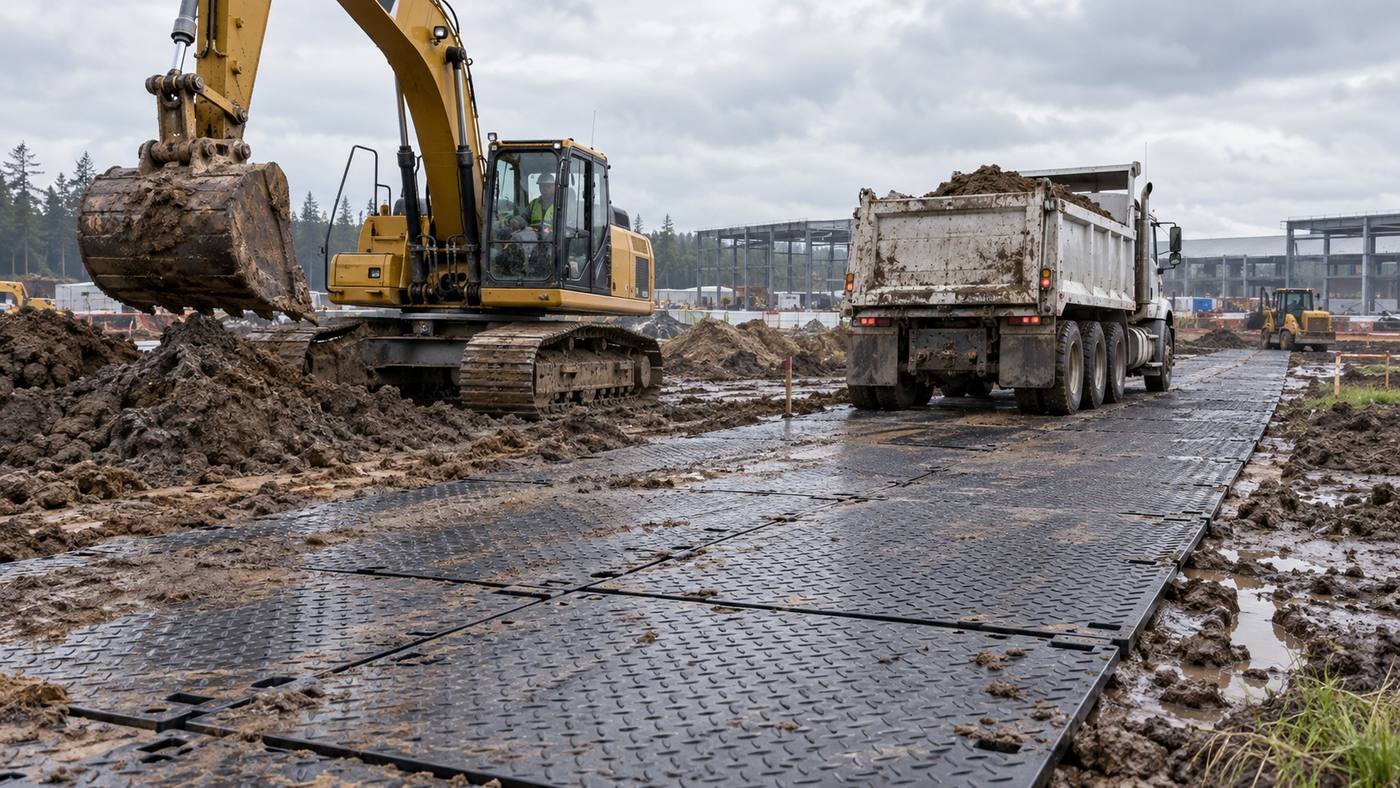
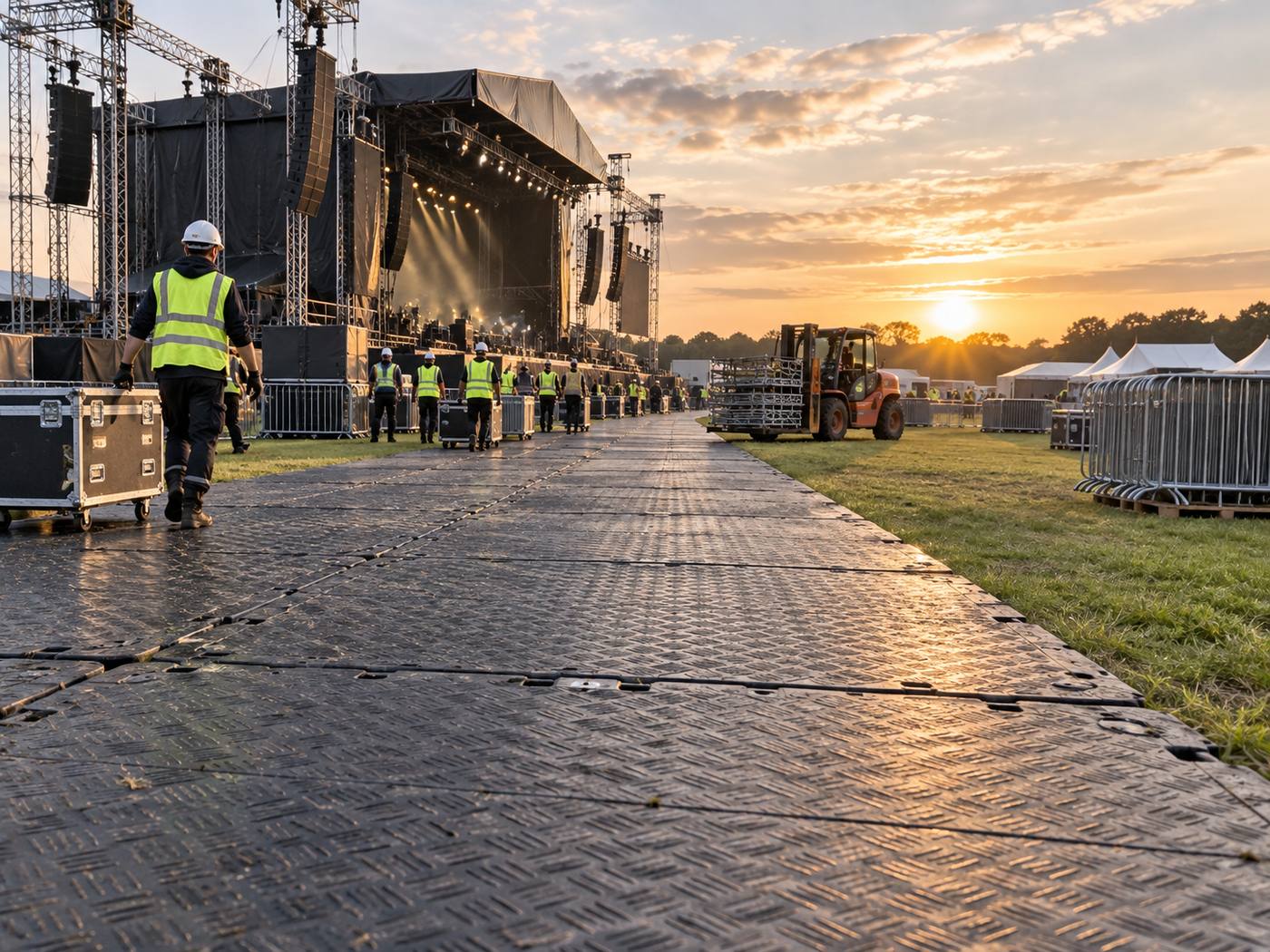
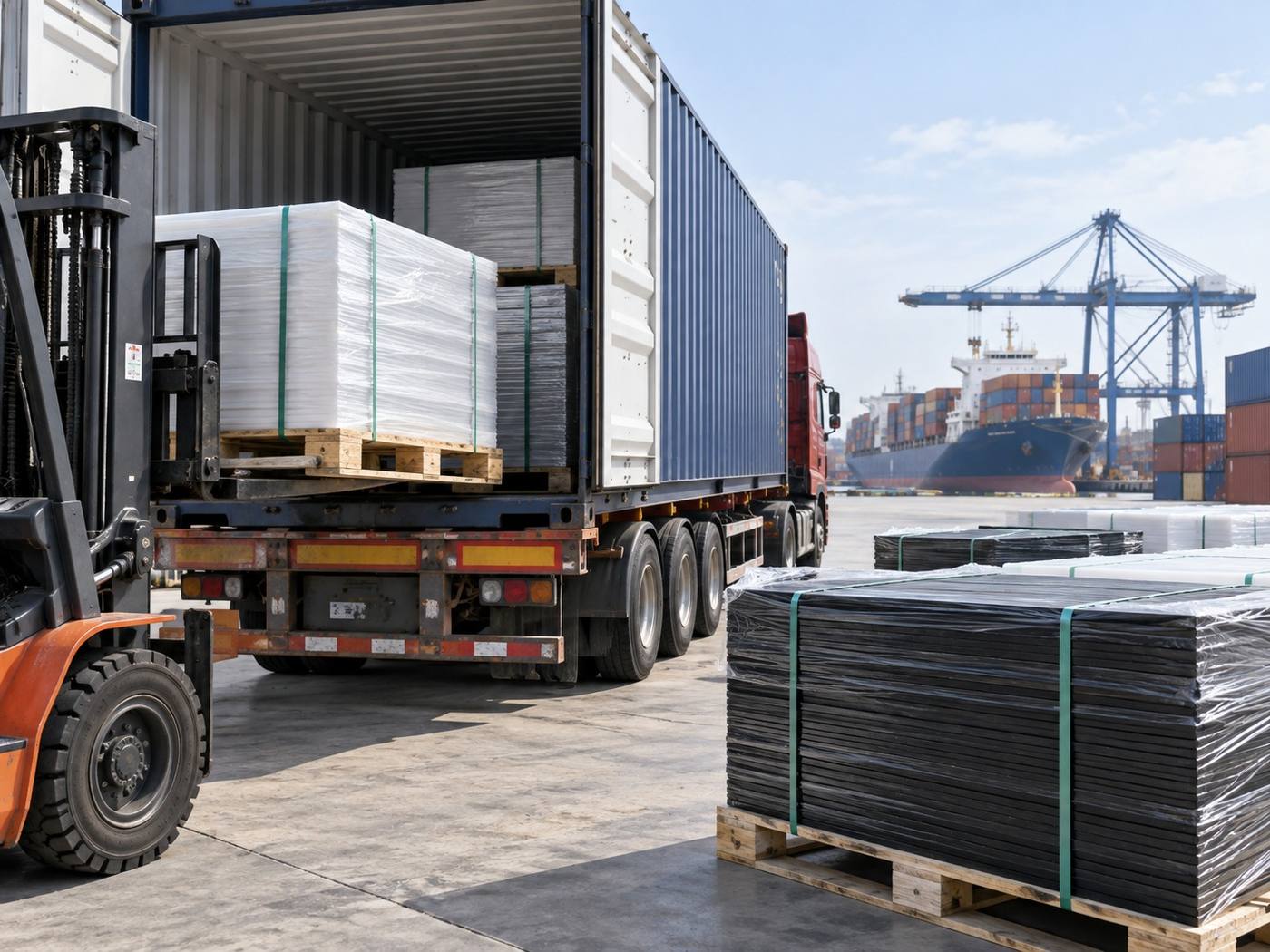
Figure: Wind blades, tubes, cabin transport and wind hanger sites, with a focus on “Why the wind and electrical discharge areas need to be expanded”
The drainage direction, soft spots and support under the plate should be compared before and after the rainfall, and the water should not be enclosed under the plate. Wind and electricity transport and suspension must control the continuity of the road and the carrying of the feeder, respectively, and any nominal tonnage must be returned to the ground and equipment condition. In the event that a temporary change in the construction route has caused the vehicle to enter an unprotected area, the area should be sealed, the floor must be lifted and the drainage should be re-connected; the reason cannot normally be eliminated by cleaning the surface or adding a single sheet. The trial-pail record of the “why the wind and power discharge area needs to be expanded” should indicate the starting and ending position, vehicle condition and release conclusions to facilitate review as construction conditions change.
The inspection cannot simply be “normal” and should be organized around the inside and outside of the bend, the wrong plate, the deformation of the road shoulder, the deposition of the legs, the horizontal level, the connectors and the accumulation of water, and should be divided into three levels of observation, restriction and decommissioning. For critical points formed through representative trial workshops to validate sutures, grass-roots and vehicle operating space, fixed photo angles and measurement benchmarks should be established. A loose connection, a permanent deformation, a breach through or a deviation of a branch shall be immediately isolated. The inspection form, which revolves around the “why the wind and electricity discharge area needs to be expanded”, lists the temporary changes in the construction route that allow the vehicle to enter the unprotected area and indicates the repeater and the time of return.
A reset is to distinguish between product problems and changes in condition. The original programme may no longer be appropriate if the vehicle is heavy, routed, rainfall increases or cover periods are extended. These changes were recorded with the results of the implementation of the sutures, ground floors and vehicle operating space through representative trial workshops, and it was not until the next time that it became clear whether the thickness, width, quantity or construction organization should be adjusted. It should also answer whether the “why is the wind and power discharge area need to be expanded” has been certified for improvement through the certification of panels, floors and vehicle operating space through representative trial workshops to avoid the closure of items by subjective descriptions.
This paper provides a selection and management approach and does not replace the equipment instructions, the suspension programme, ground-based evaluation or local regulations. Work involving lifting support, underground facilities, electrical areas, the edges of trenches and the entry of persons into dangerous areas shall be reviewed by persons with appropriate qualifications. The above parameters may be provided in the request for quotations to obtain recommendations for size, thickness, quantity, packaging and shipment.
Need for further evaluation of the actual project?
Applications, sizes, quantities, site photographs or drawings and delivery destinations are sent, on which we can identify more suitable products and processing programmes.