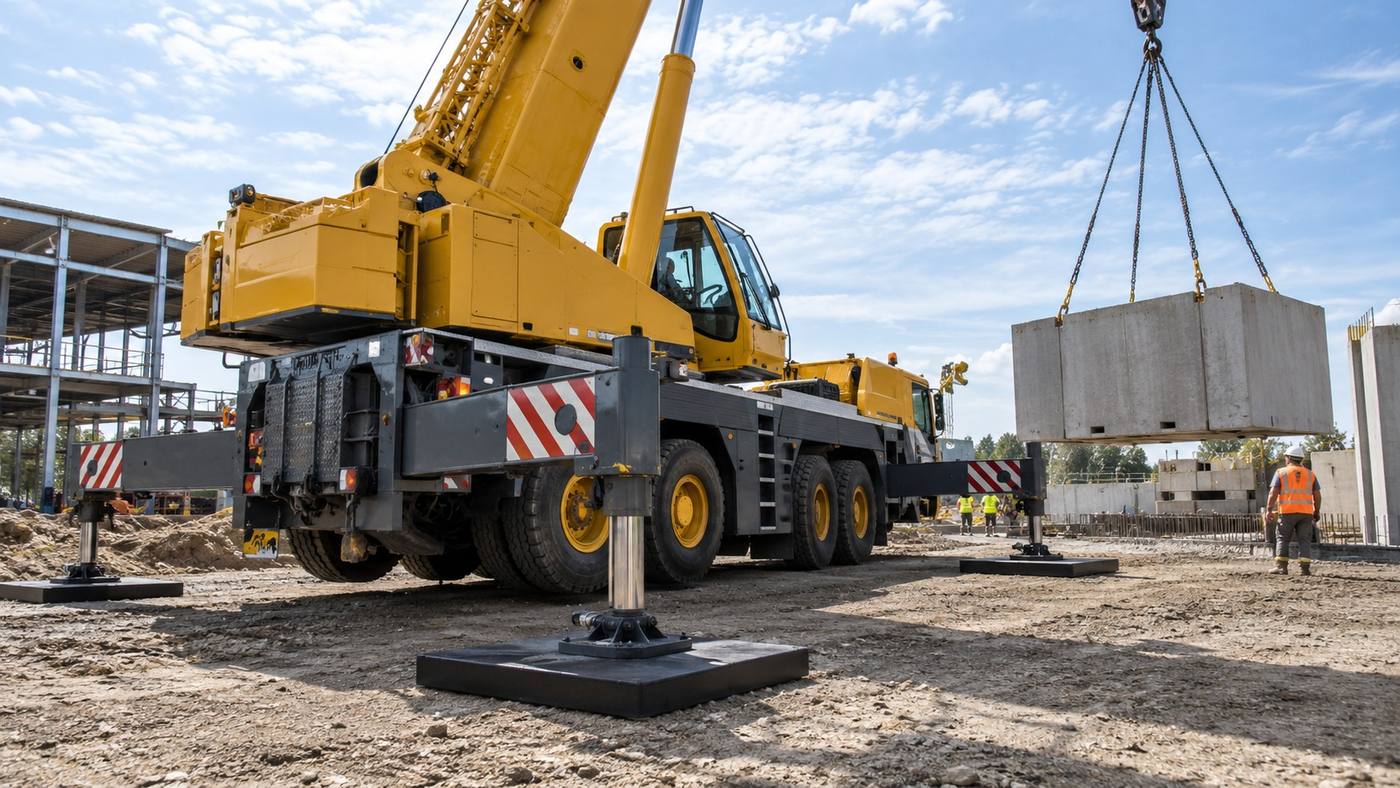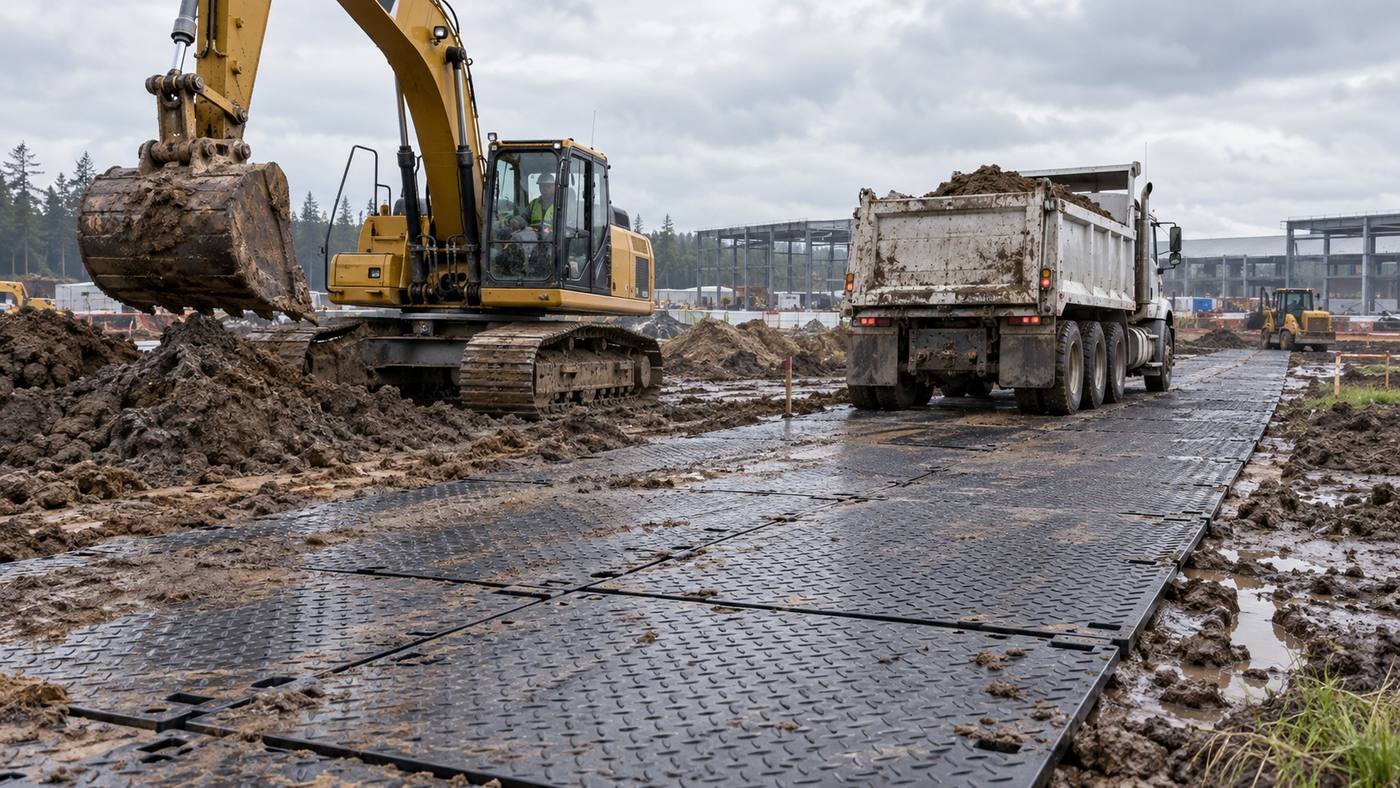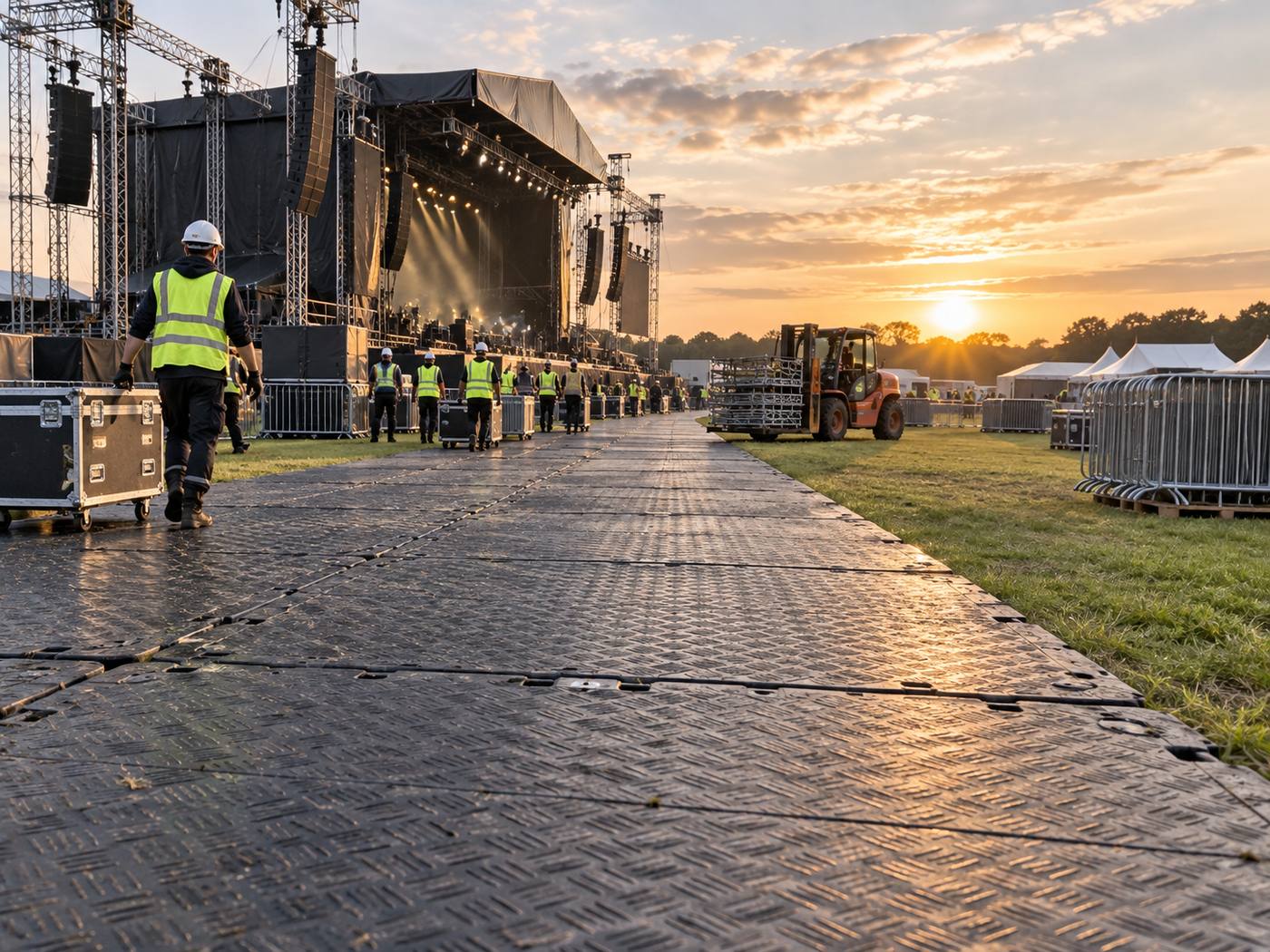
Answer the question of how the fixed number of vehicles above the transformer's cable ditch was treated that had not been removed from the site. The expansion of the substation, the transport of transformers and the overhauling of equipment, is concerned about the “how to handle vehicular accesses above the substation cable” which is influenced by the weather, terrain, vehicle and organizational patterns, and the drop in ground-based loads and the emergence of pump muds or faults following rainfall are only visible results. The project should mark the soft spots, slopes, drainage, underground facilities and vehicle tracks on a single map to bring technology, construction, HSE and procurement data into line.
Technical communication should first identify the control design of the transformer ' s transport axis, the weight of the equipment, the retroactivity of the crane, the rock and mosaic boundary, the location of the cable ditch, the safety distance and the time of overhaul. It is proposed that continuous coverage be planned on the basis of the most disadvantaged vehicles, complete wheels and weather changes, and that suppliers be requested to describe the materials for the pavement or leg pads, the grade of finished products, the method of testing, the basis of application and the conditions of limitation. Reference data such as nominal 50 to 200 tonnes cannot be directly compared horizontally without the same test basis. The information review also applied to the “how to handle vehicular accesses above the transformer cable ditches” and applied representative vehicle test thickness, connection and grass-roots matching, and included missing information as an item to be confirmed for quotations and construction programmes.
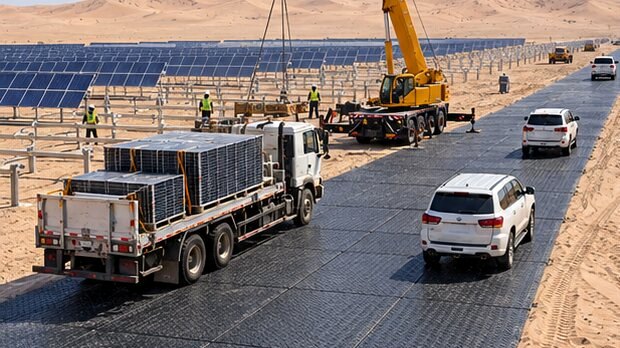
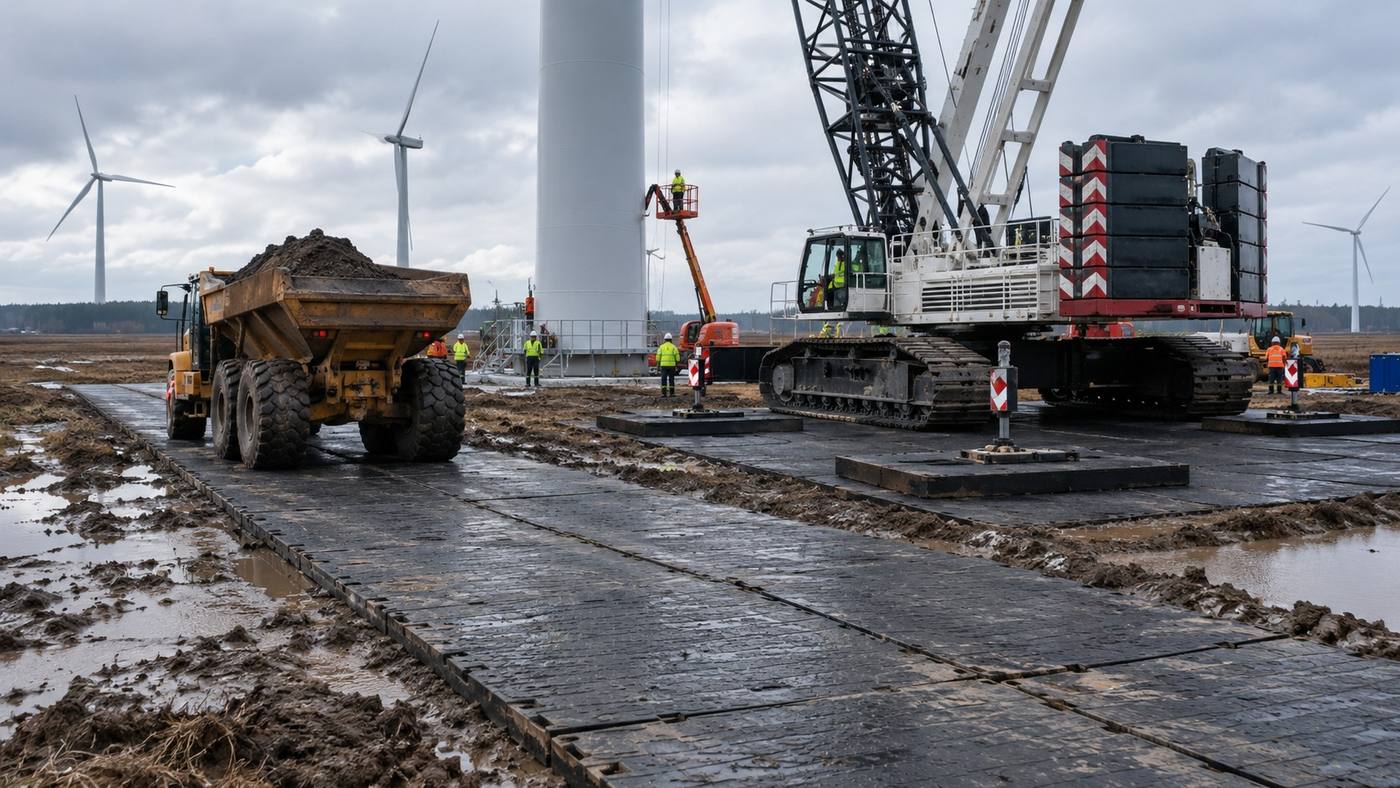
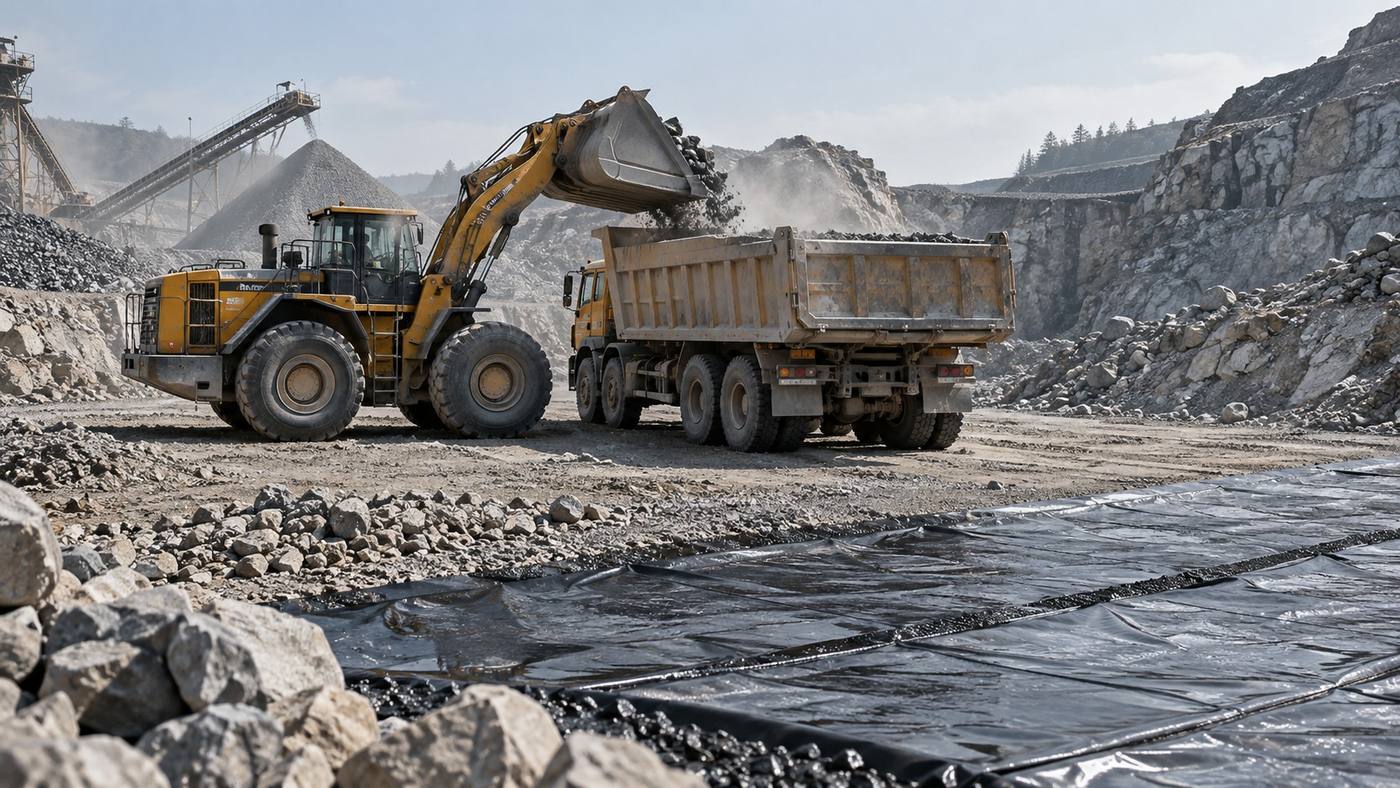
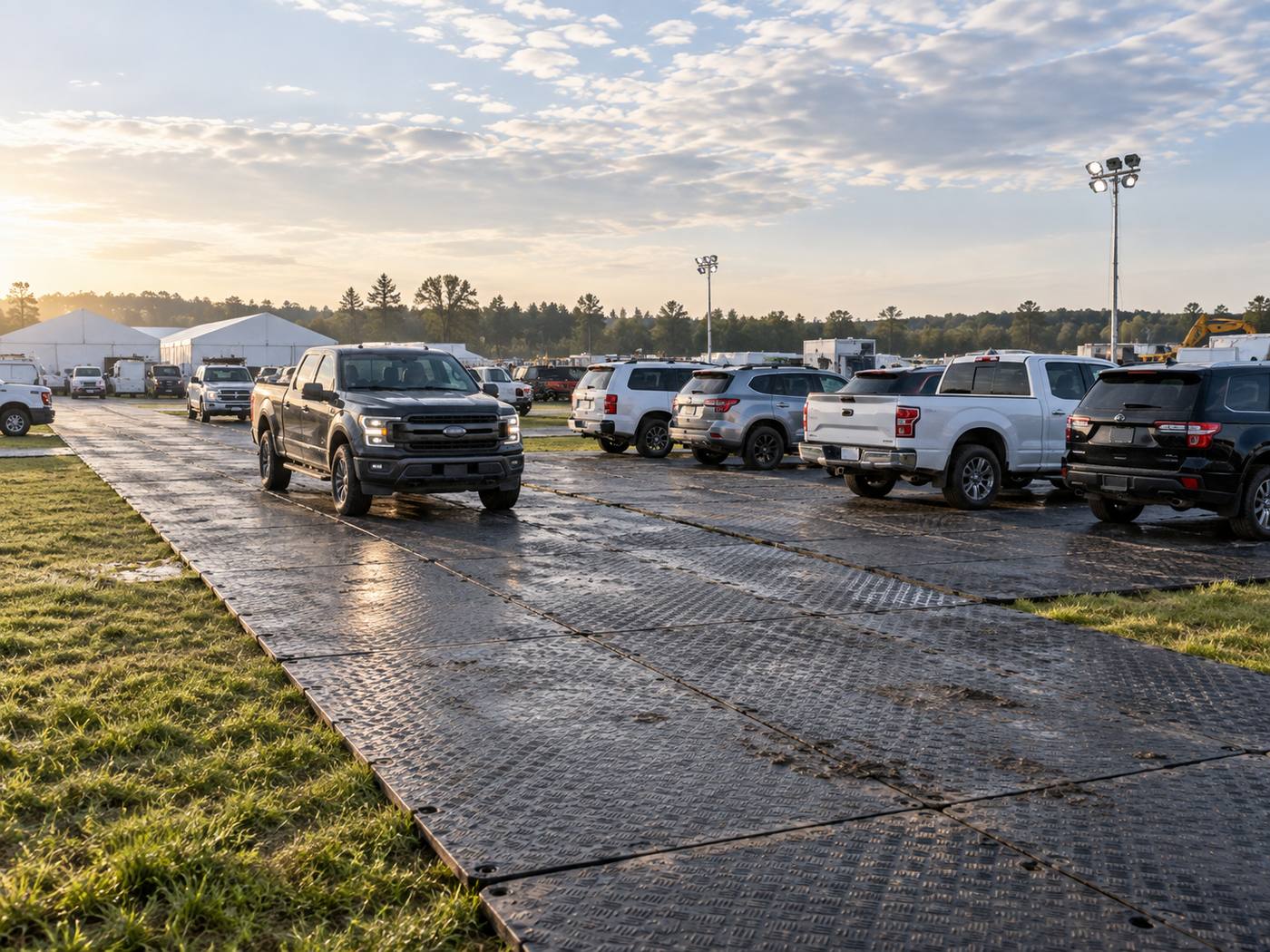
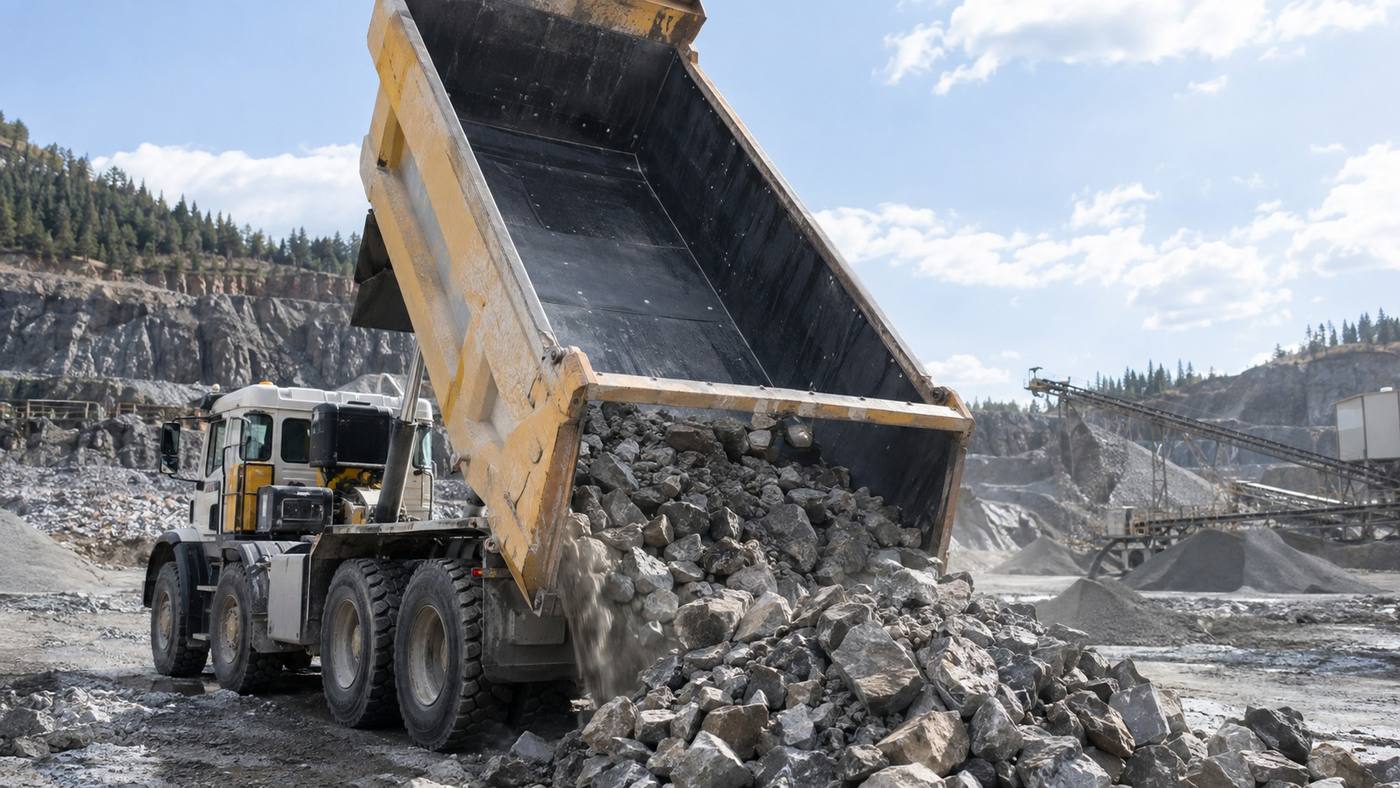
Figure: Extension of transformer stations, transformer transport and equipment overhaul, with a focus on “How to handle vehicular passages above the transformer stations cable ditch” (inline material)
The drainage direction, soft spots and support under the plate should be compared before and after the rainfall, and the water should not be enclosed under the plate. Temporary roads and hanger platforms within power transformers are subject to electrical safety, fire traffic and equipment transport programmes and cannot be placed on a temporary basis only on the available area. If the ground-based load drops after the rainfall and the pump mud or the wrong table is already present, the area should be sealed, the lifting plate should be treated for drainage and re-connected; the reason cannot normally be eliminated by cleaning the surface or adding a single sheet. The test-pail record of the “how to handle the vehicular passages above the cable ditch at the transformer station” should indicate the starting and ending position, the vehicle's condition and the release conclusion, to facilitate review as the construction conditions change.
The maintenance plan should include responsibility for key sections and feeder points, frequency checks, decommissioning thresholds and spare parts locations. Continuous coverage around the most unfavourable vehicle, complete wheel and weather change planning exercises allows for the timely detection of the drop in ground-based loads and the emergence of pumping mud or faults. Backup panels, connectors and handling tools are also synchronized to avoid mismatches in specifications on site. “How to handle vehicular passages above the wiring at the transformer station”, the inspection forms are to show a single line of sub-surface loads reduced after rainfall and changes in pump mud or wrong table, with an indication of the inspector and the time of return.
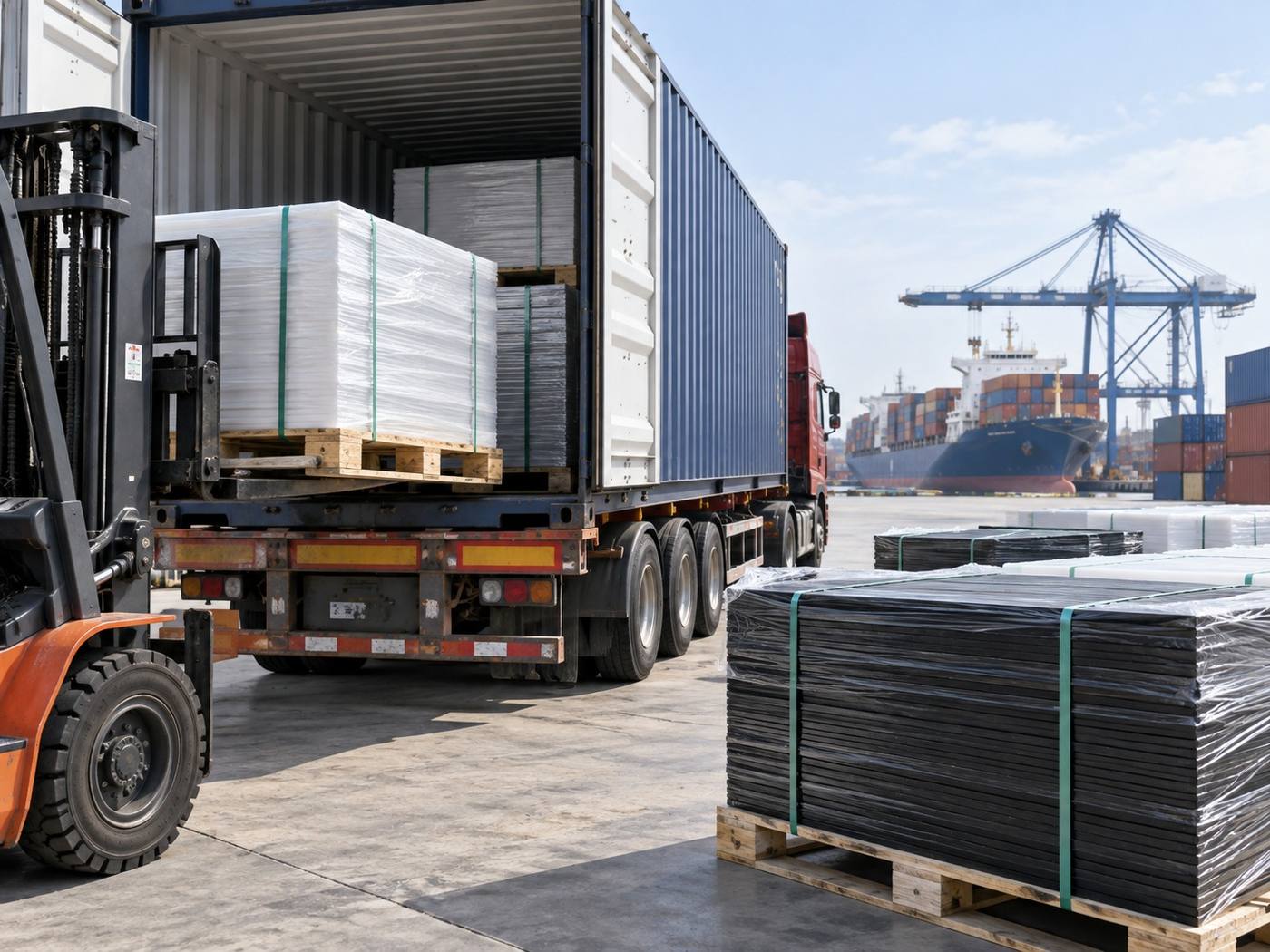
The receiving and inspection information shall be maintained in the form of maps, product numbers, photographs of entry and exit sites, initial ground conditions, abnormal worksheets and demolition records. In the event of a ground or equipment dispute, the information may distinguish between the original soft spot, the use of a change and the removal site damage, and also quantify the impact on the cost of the project of a decrease in the base load after rainfall and the impact of pumping mud or error. It should also answer whether the “how to treat vehicle lanes above the transformer station cable ditch” has been certified as improved by successive coverage according to the most unfavourable vehicle, complete wheel and weather change planning, avoiding a subjective description of the closing item.
This paper provides a selection and management approach and does not replace the equipment instructions, the suspension programme, ground-based evaluation or local regulations. Work involving lifting support, underground facilities, electrical areas, the edges of trenches and the entry of persons into dangerous areas shall be reviewed by persons with appropriate qualifications. The above parameters may be provided in the request for quotations to obtain recommendations for size, thickness, quantity, packaging and shipment.
Need for further evaluation of the actual project?
Applications, sizes, quantities, site photographs or drawings and delivery destinations are sent, on which we can identify more suitable products and processing programmes.