The transformer multi-axis transport turn-off area should be designed from the most unfavourable rather than the average. The extension of the transformer station, the transport of transformers and the overhauling of equipment are concerned that “how the transformer's multi-axis transport turning area is designed” may be affected by heavy vehicle cycle, rainfall and time compression at the same time, and the lack of support on the edges of the road leads to an increase in the bending and crushing of the sheet as traffic increases. It would be clearer for on-site execution to first determine the conditions for allowing deposition, decommissioning and those responsible, and then select product specifications.
The product configuration cannot be determined by area or thickness alone. The project should verify the transformer ' s transport axis, the equipment weight, the crane ' s retroactivity, the rock and mosaic boundary, the location of the cable ditches, the safety distance and the time of repairs, and then turn the lack of support on the edge of the road to the plate bending and crushing sides into drainage, carrying, stabilization, surface pull and restoration requirements. In managing the on-site change of ICP around approved road maps, numbers and inspection records, the handling tools, manual weights, back-up quantities, cleaning and back-storage are also considered. For “how the transformer's multi-axis transport turn-off area is designed”, the information review should also distinguish between vehicles in the form of axle loads and tyres, without replacing the total load for all inputs, and include missing information as an item to be confirmed in the quotation and construction programme.
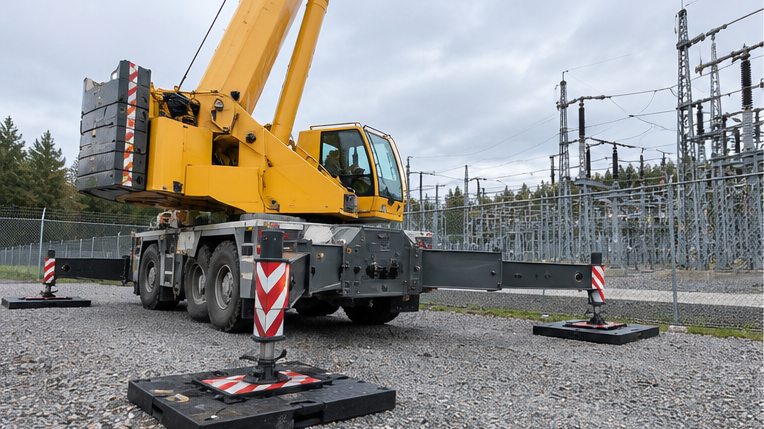
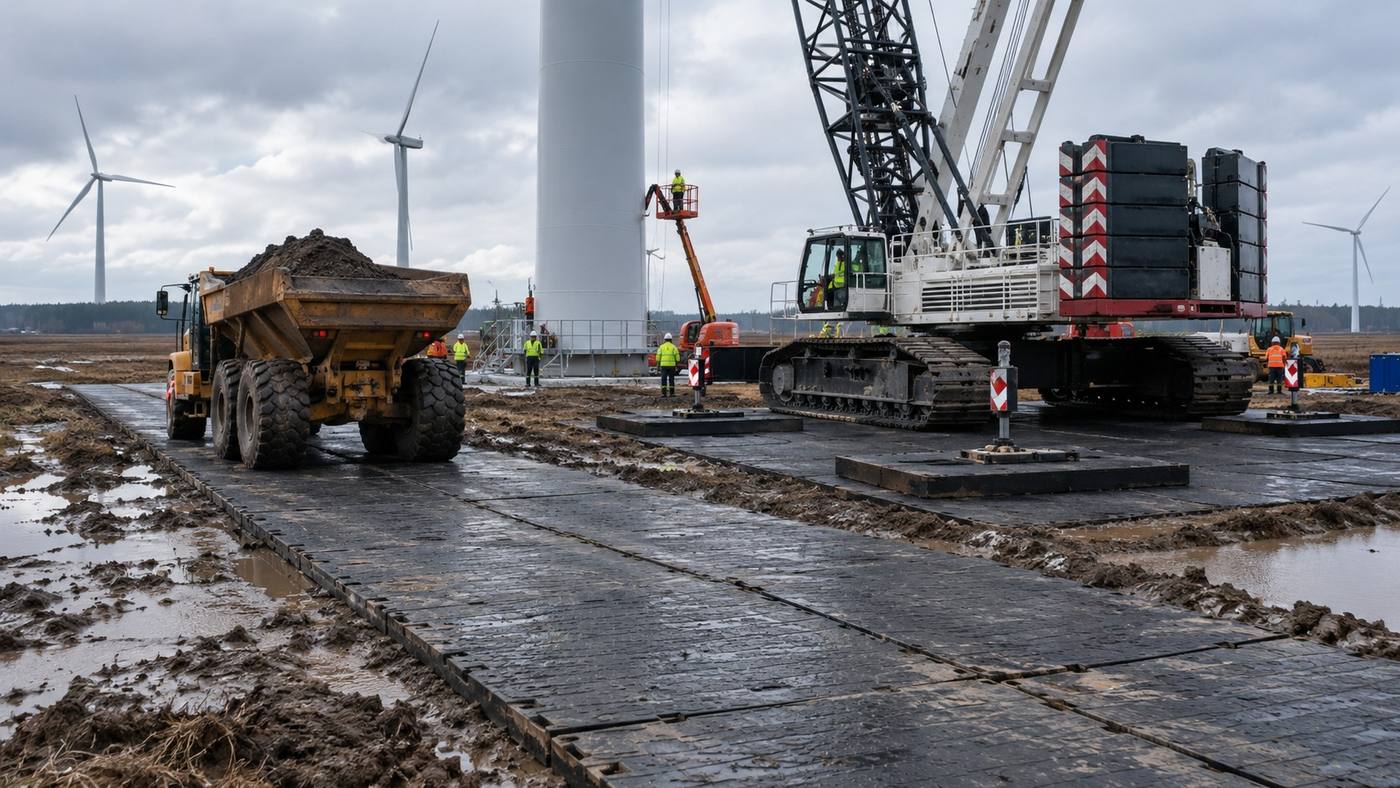
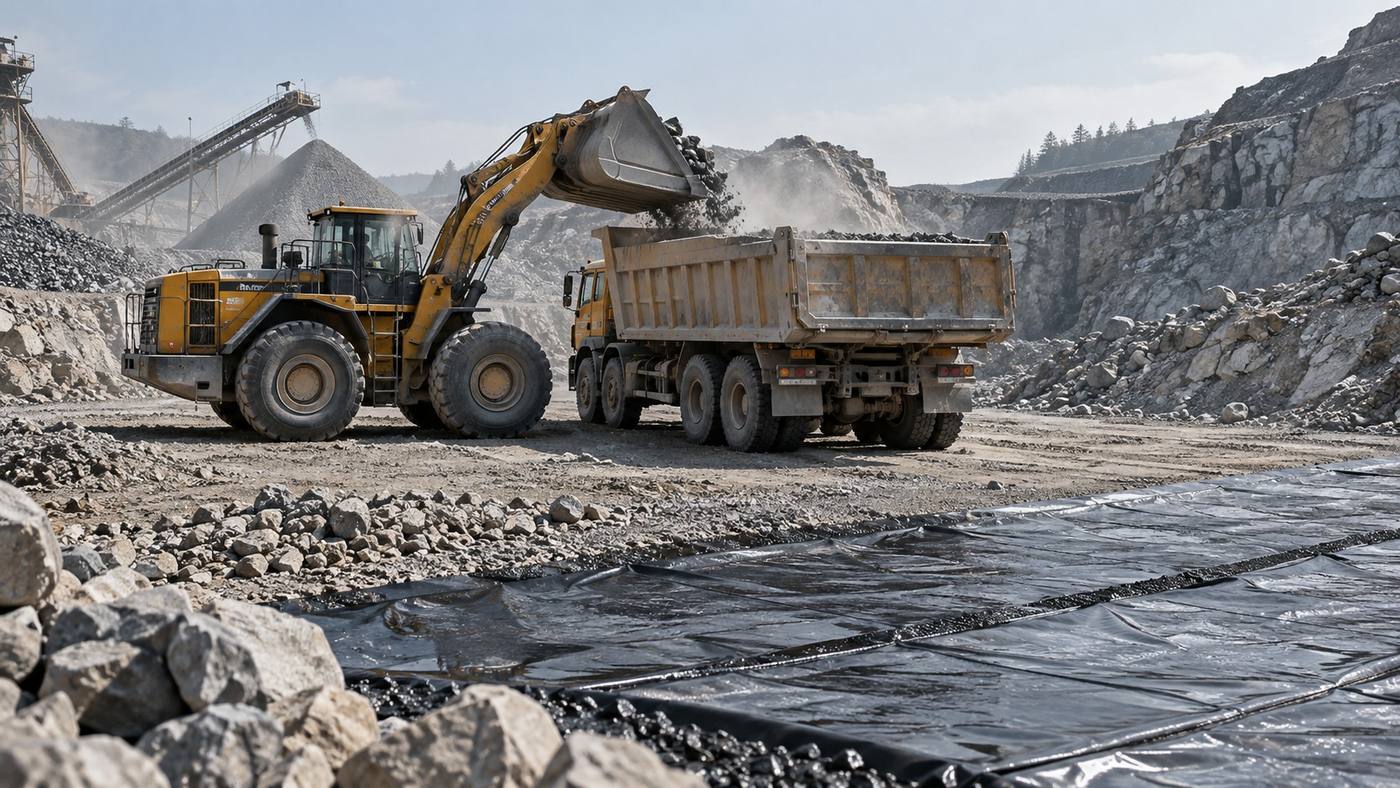
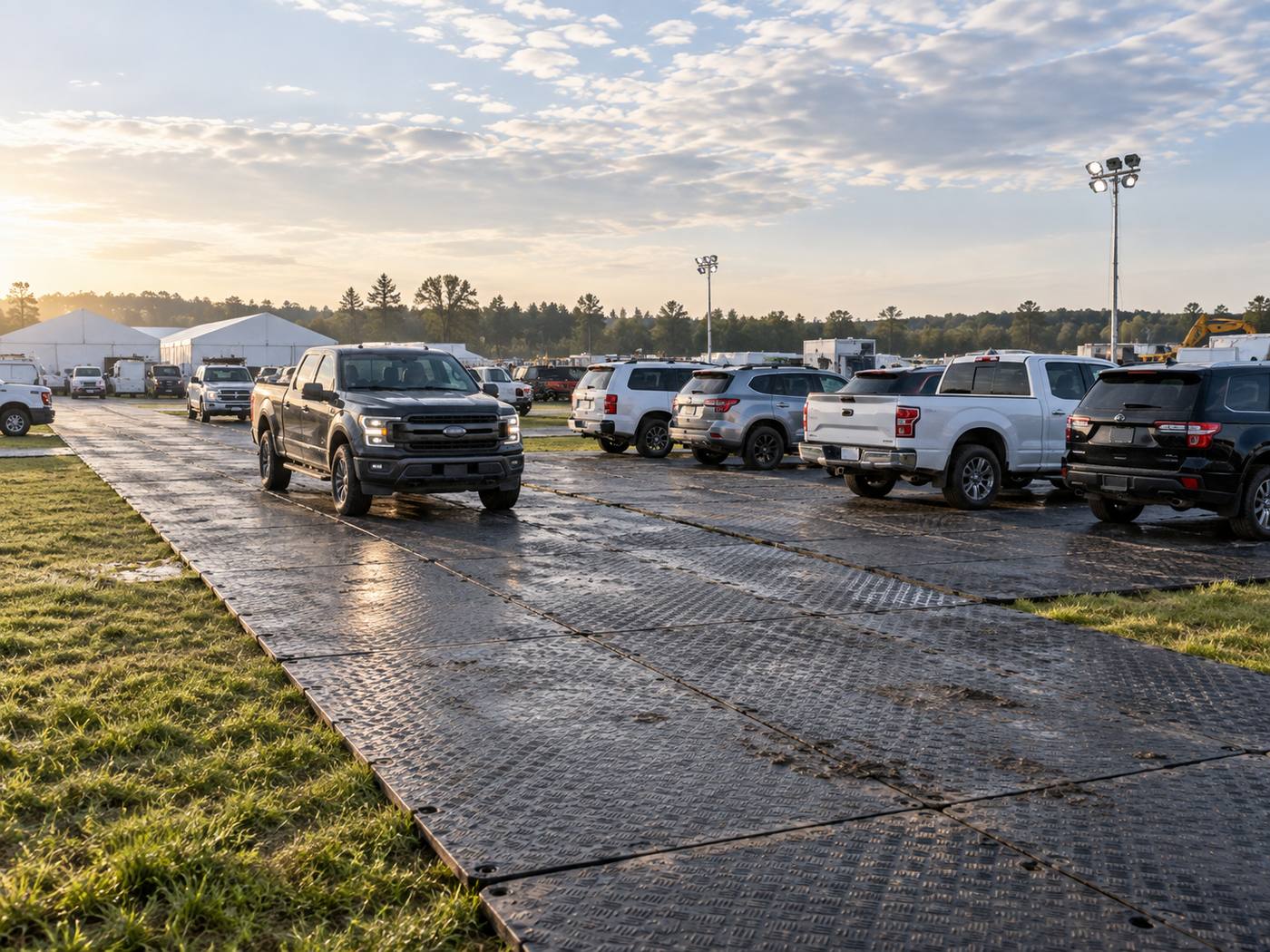
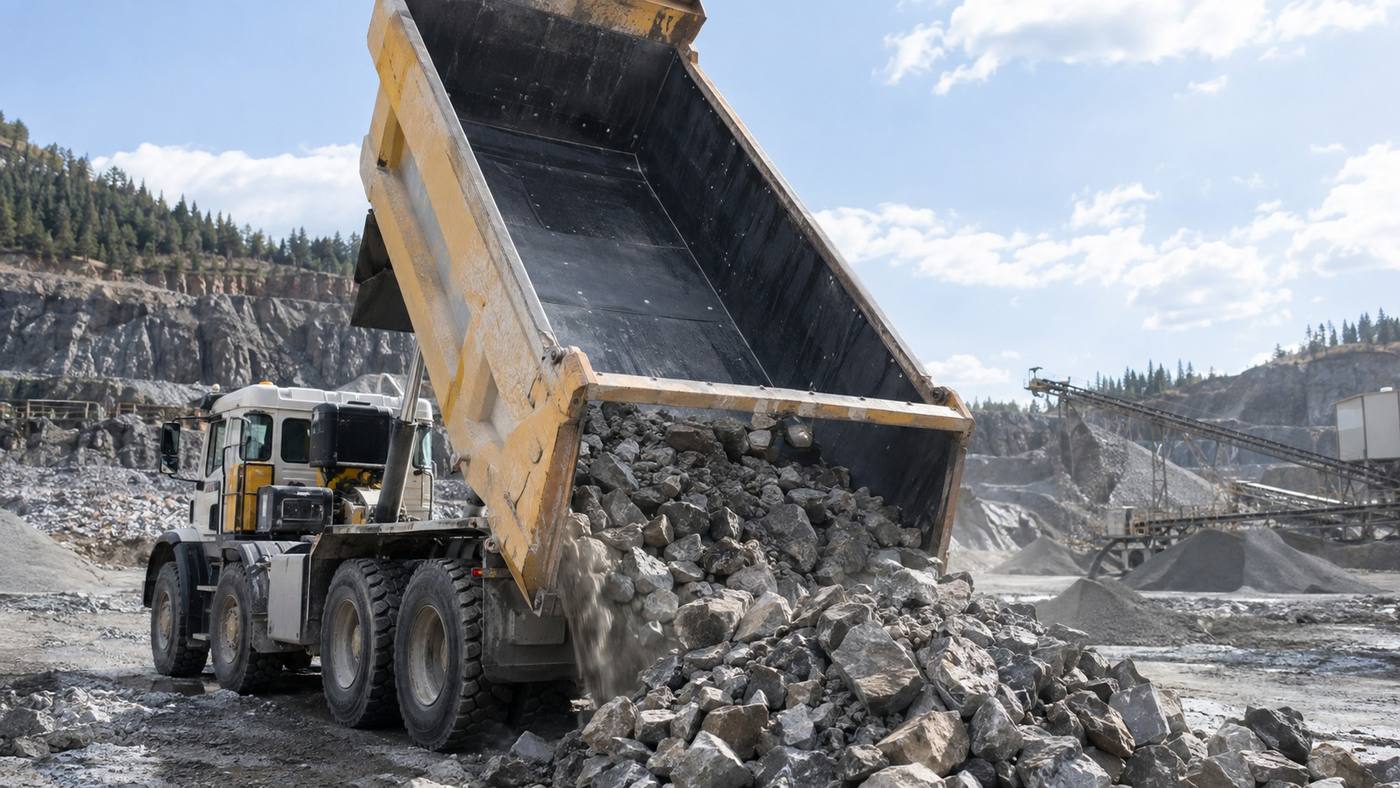
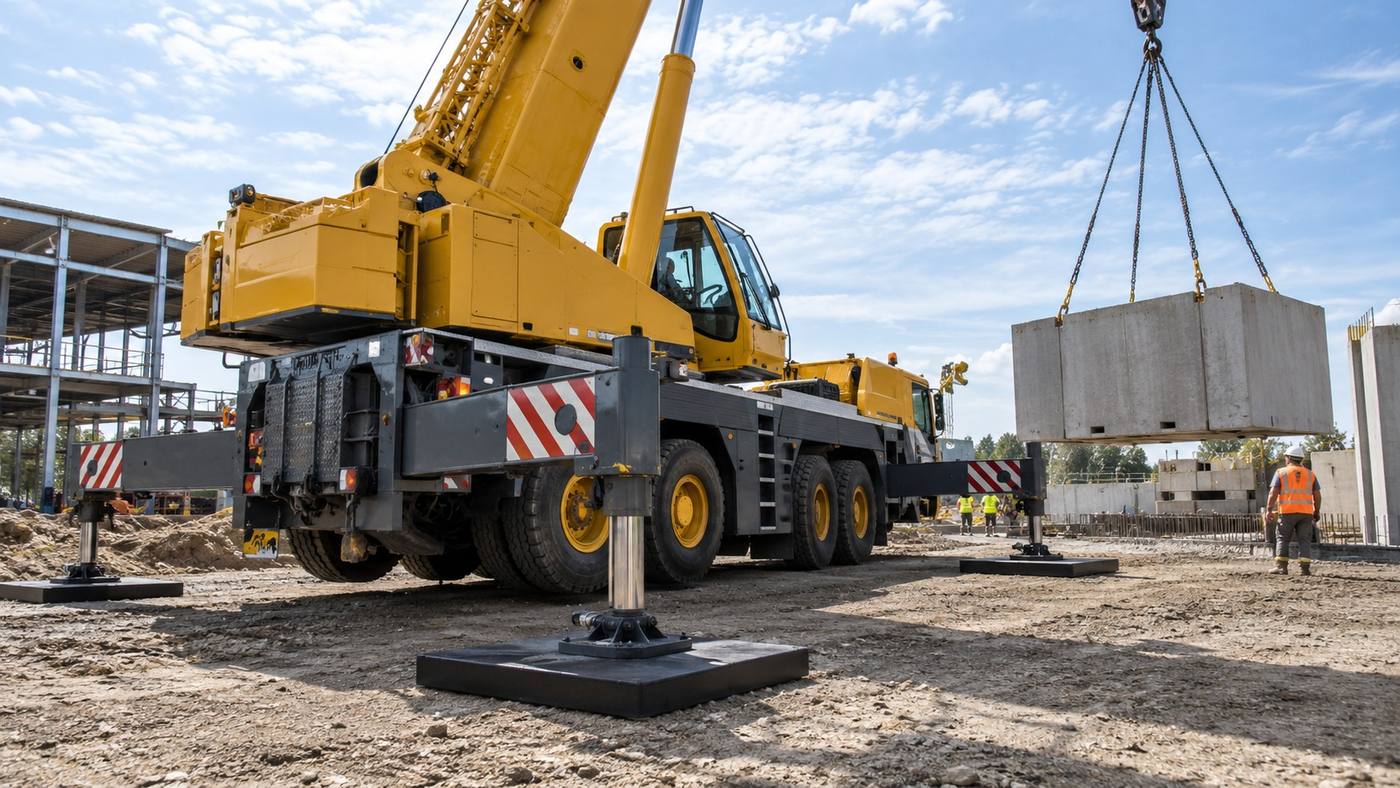
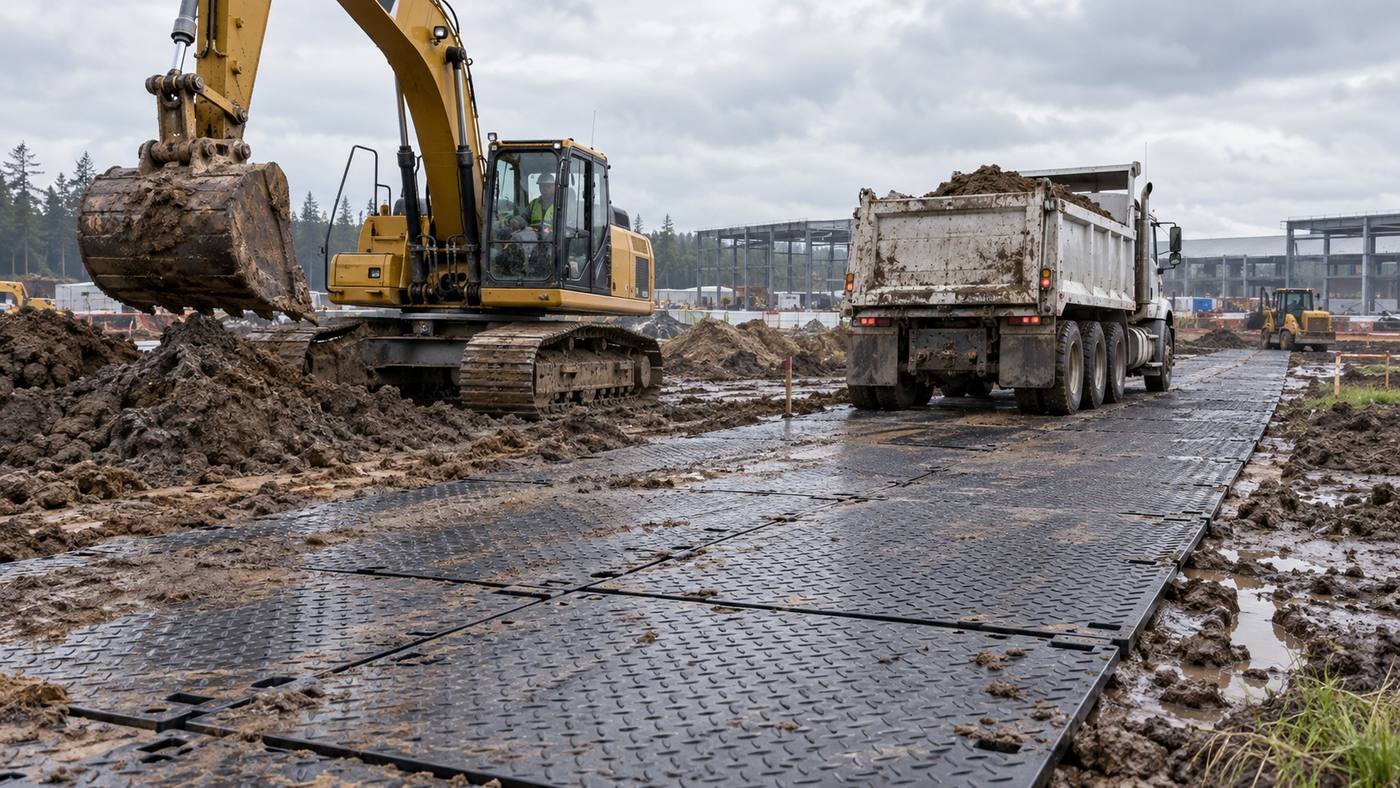
Figure: Extension of transformer stations, transformer transport and equipment overhaul, this theme is concerned with “How the transformer's multi-axis transport turn zone is designed”
Pre-implementation should be preceded by the containment of routes, the removal of sharp stones, stakes and miscellaneous items that may form a spot load, the repair of deep-pit tracks and the removal of horizontal drainage. Temporary roads and hanger platforms within power transformers are subject to electrical safety, fire traffic and equipment transport programmes and cannot be placed on a temporary basis only on the available area. The plates should be prepared continuously at the stabilization end, with the bends, reverses and parking areas being expanded as appropriate; the leg mats should be flat, intermediated and in full contact, and it should not be allowed to be filled with random stacking. A test-pail record of the “how to design the multi-axis transport turn-off area of the transformer” should indicate the starting and ending position, vehicle condition and release conclusions to facilitate review as the construction conditions change.
It is recommended that the pavements and the mats be included in the asset desk account, numbering the relevant specifications, batches, pavements and hours of use. The scope of the inspection included cable ditch protection, plaque transition, full foot contact, oil pollution, grounding facilities, safe perimeters and deposition. The removed components are to be cleaned, dried, flattened and placed in subdivisions that are qualified, subject to assessment, to repair and to end-of-life status, to prevent the re-entry of unqualified products. The inspection forms are designed around the "how the transformer multi-axis transport turn-off area " . The patrol forms are designed to show changes in the plate bends and crushing edges due to a lack of support on the edge of the separate line.
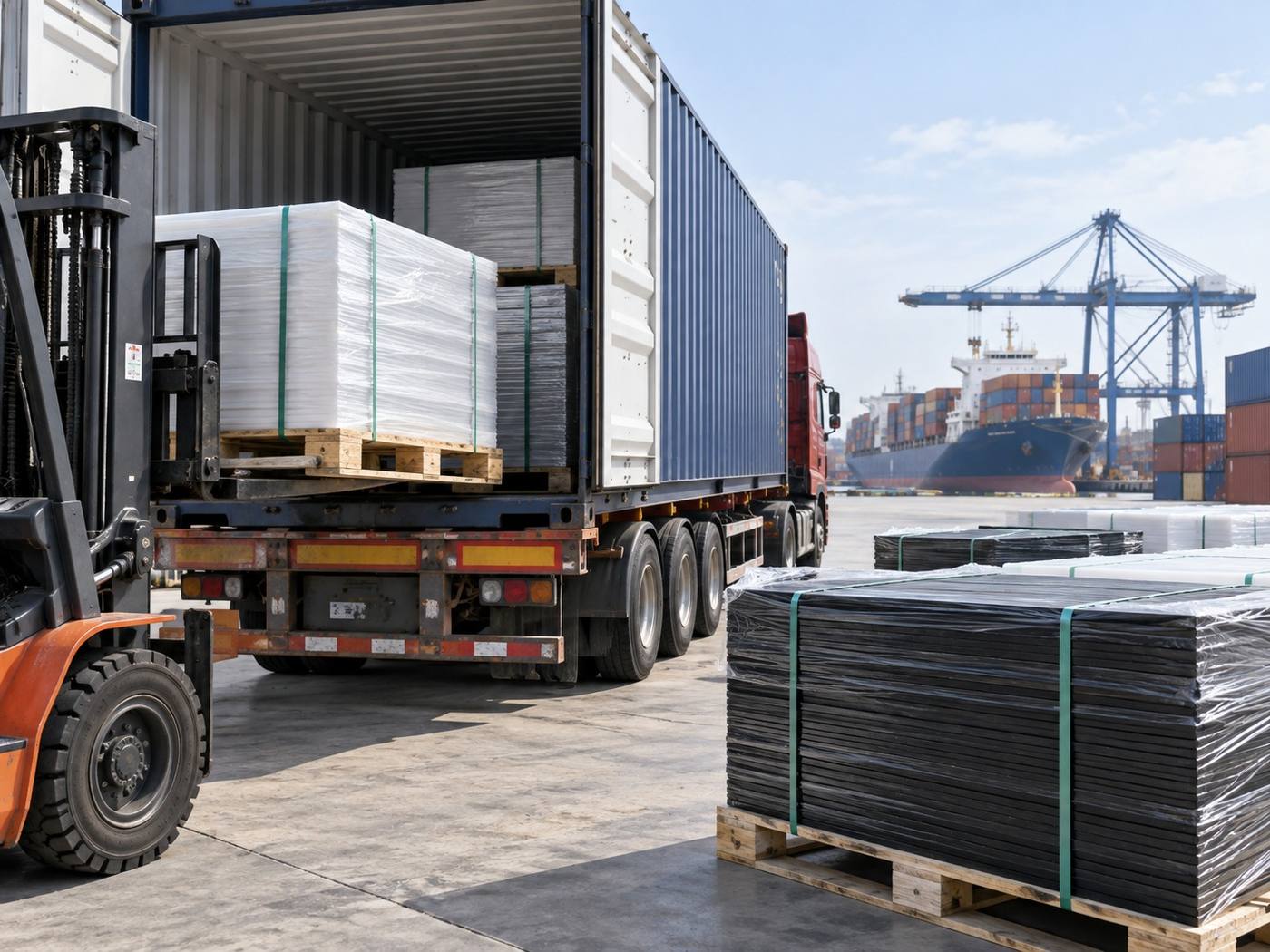
The offers from different suppliers should be compared under the same size, material, connection, packaging, delivery and test basis. Supplementation should be requested if the maximum load is given without a description of the ground, distance and load. Energy projects should also focus on batch consistency, port efficiency, repairability and container loading. It should also answer whether the “how to design the transformer multi-axis transport turn zone” has been validated for improvement by managing on-site changes using approved road maps, numbers and inspection logs to avoid a subjective description of the end item.
This paper could serve as a technical discussion list for energy projects, but not as a separate construction permit. The project will also require a written programme of transport organization, temporary structures, electrical safety, fire protection, weather emergencies and site restoration systems, and a review of key carrying and stabilization conditions by authorized personnel.
Need for further evaluation of the actual project?
Applications, sizes, quantities, site photographs or drawings and delivery destinations are sent, on which we can identify more suitable products and processing programmes.