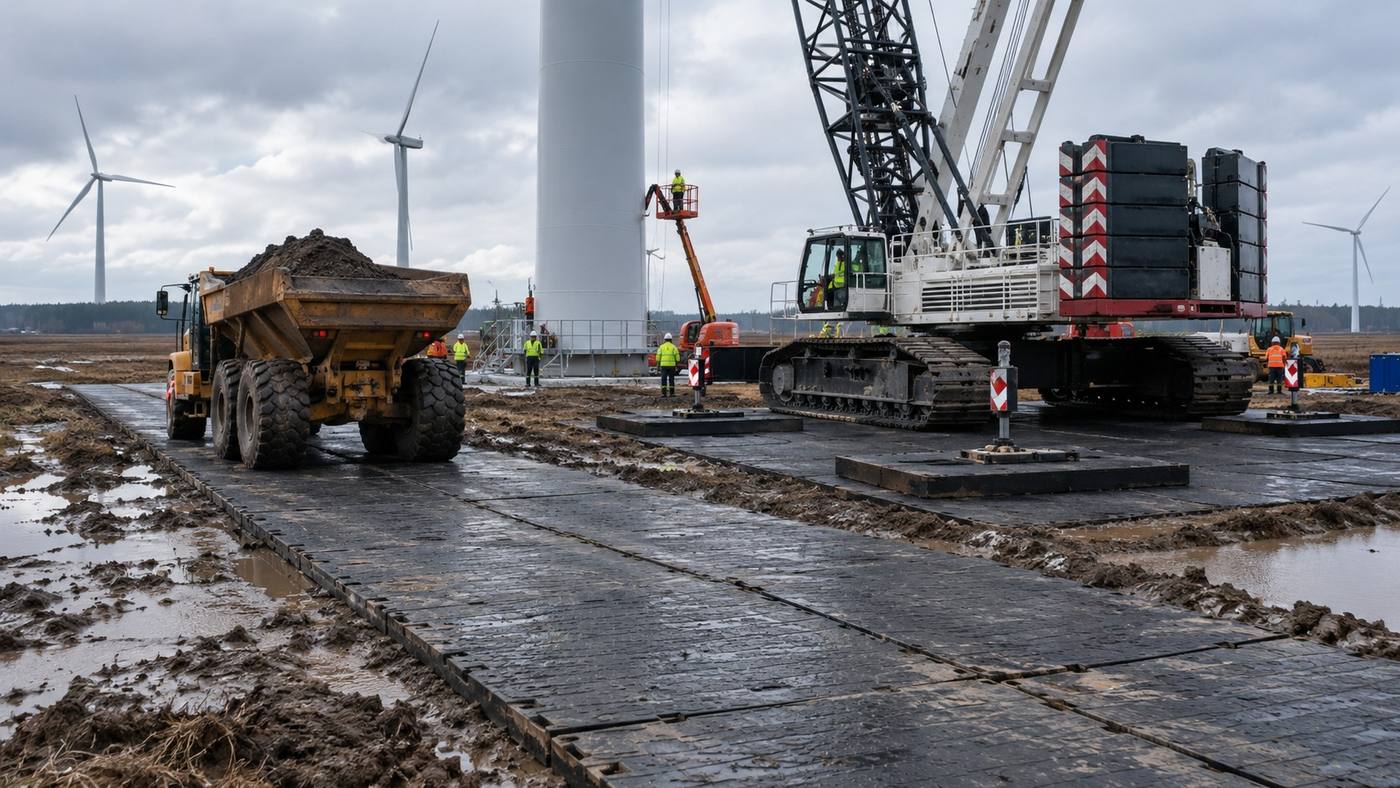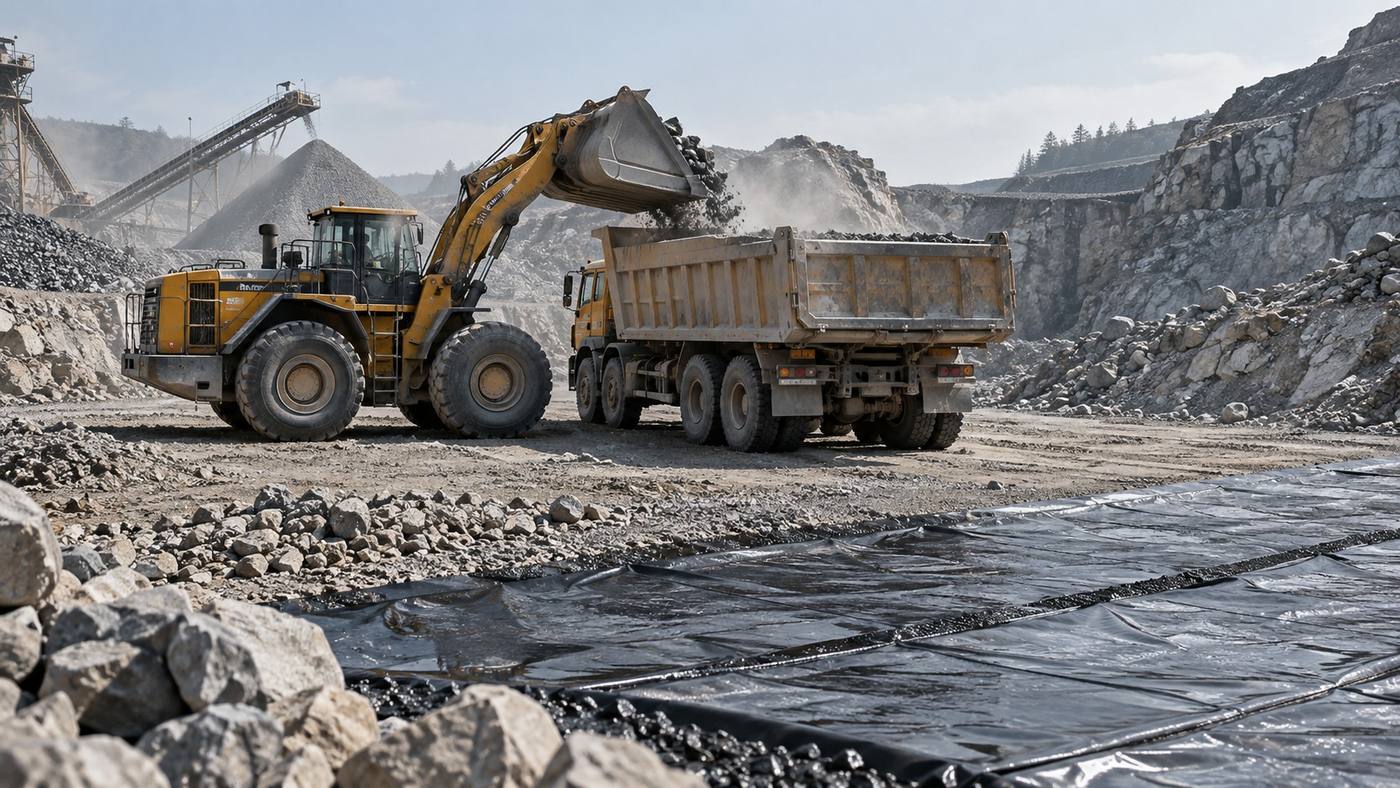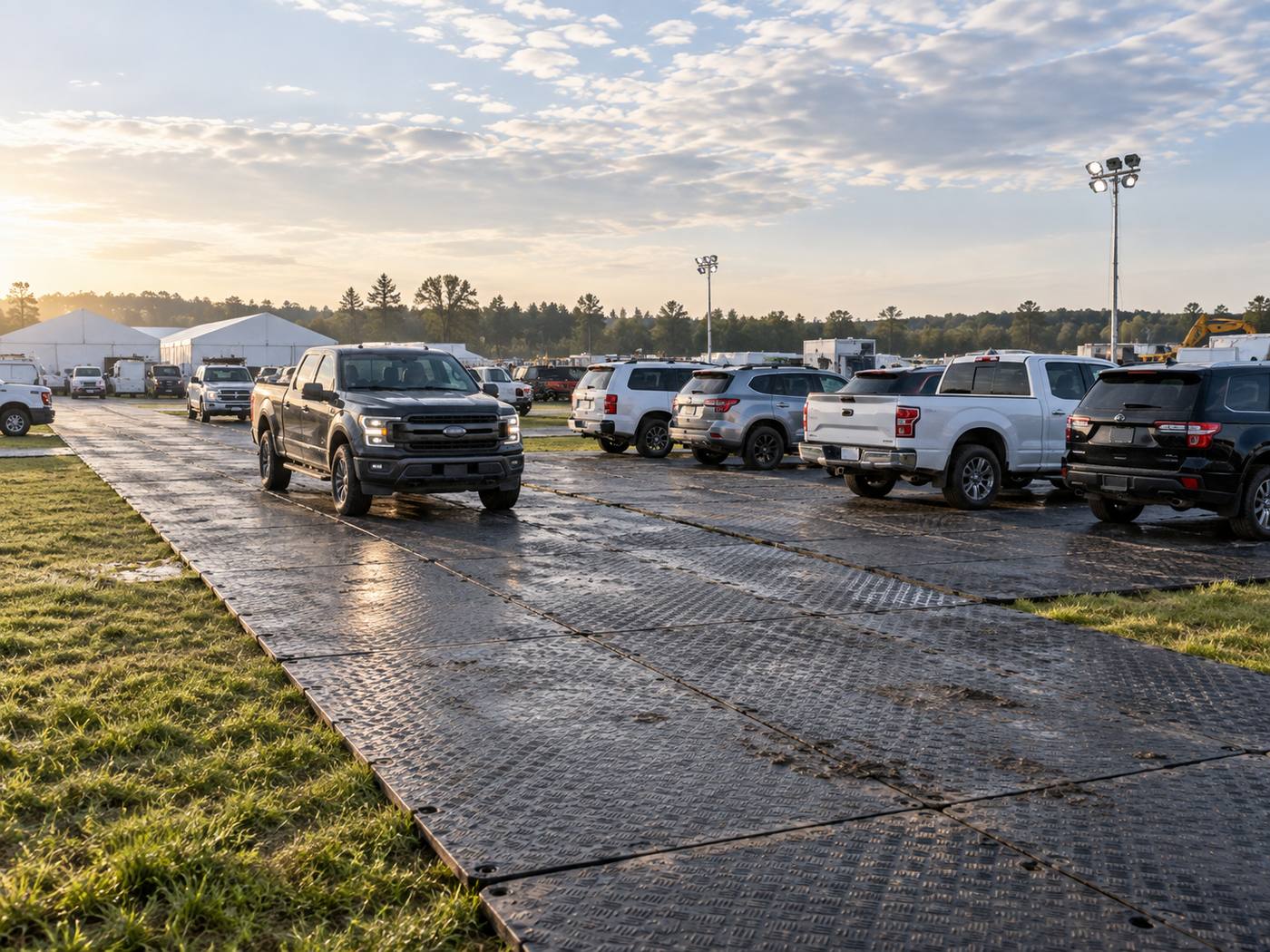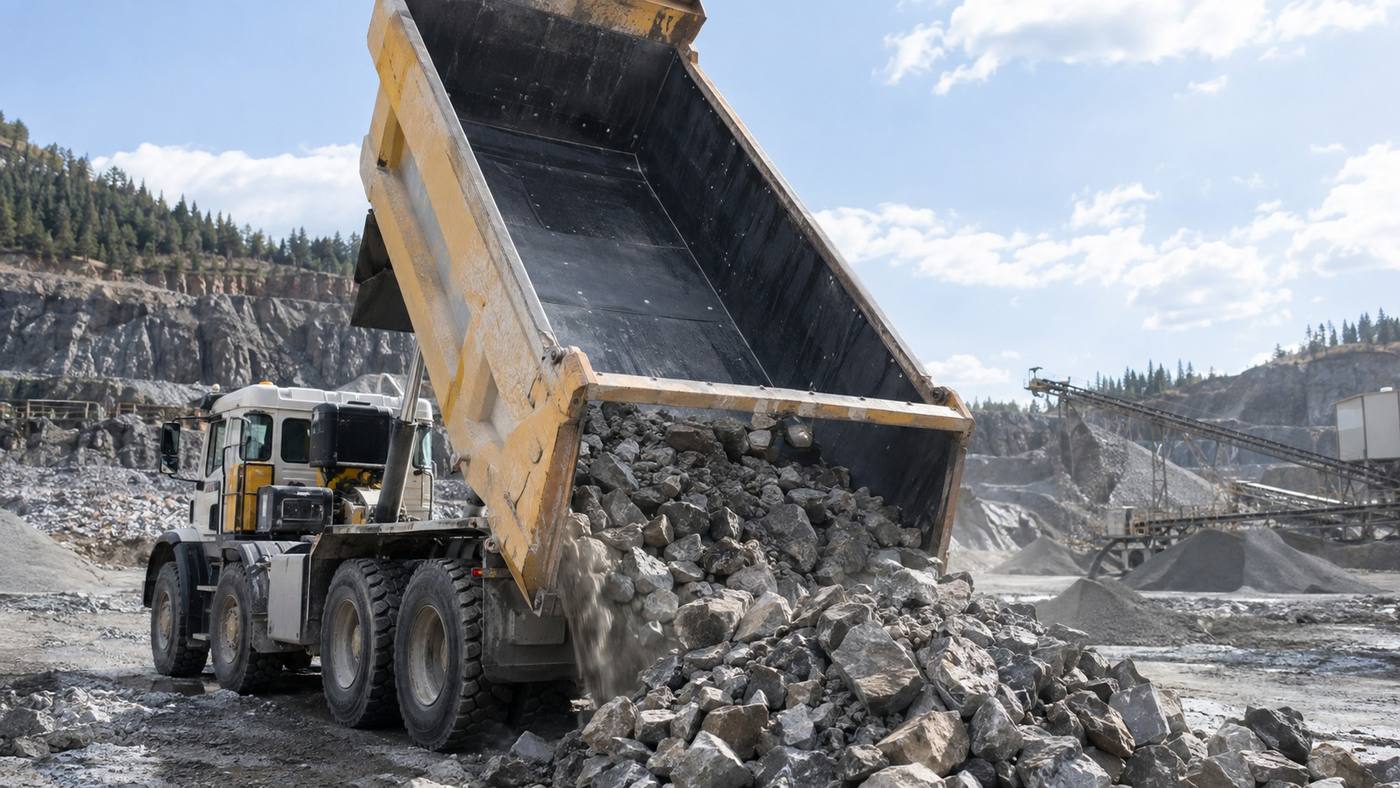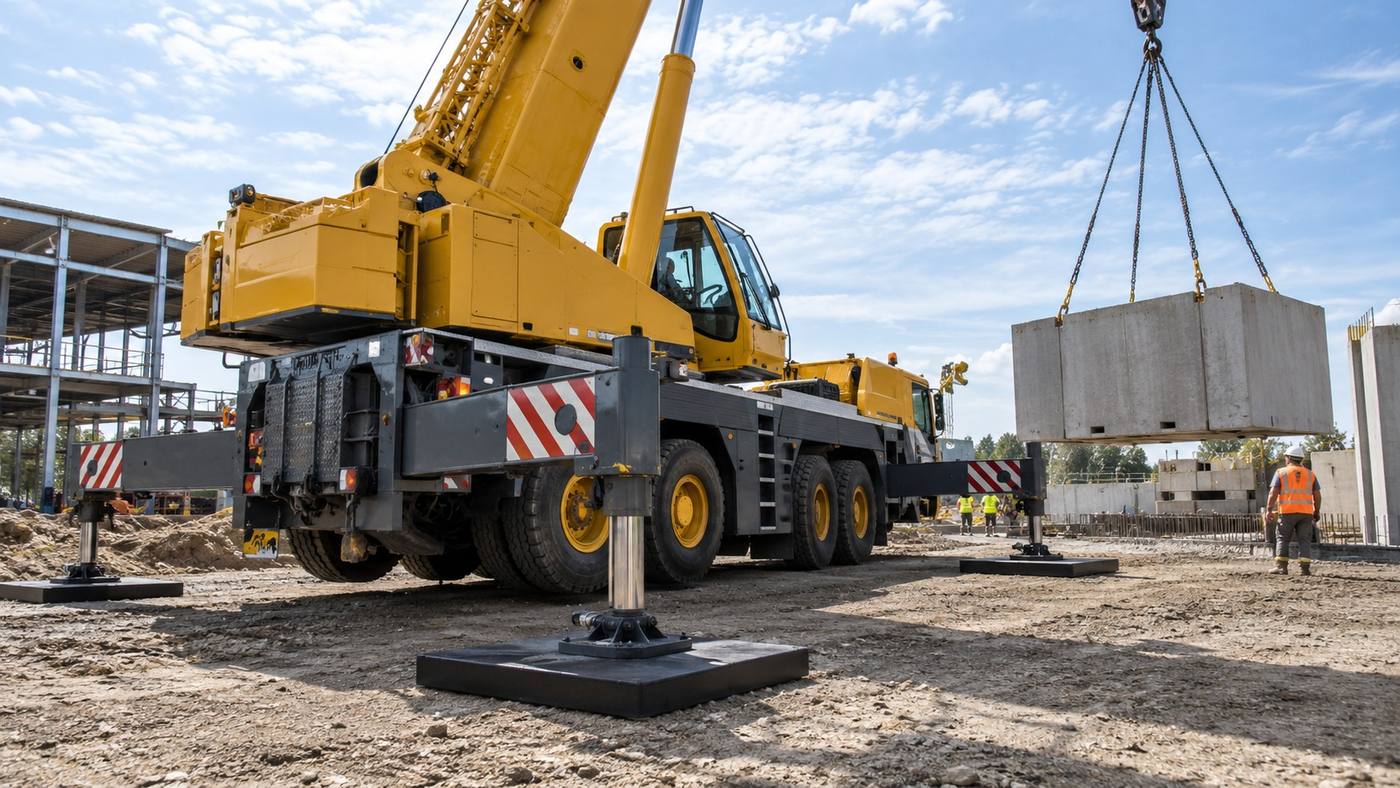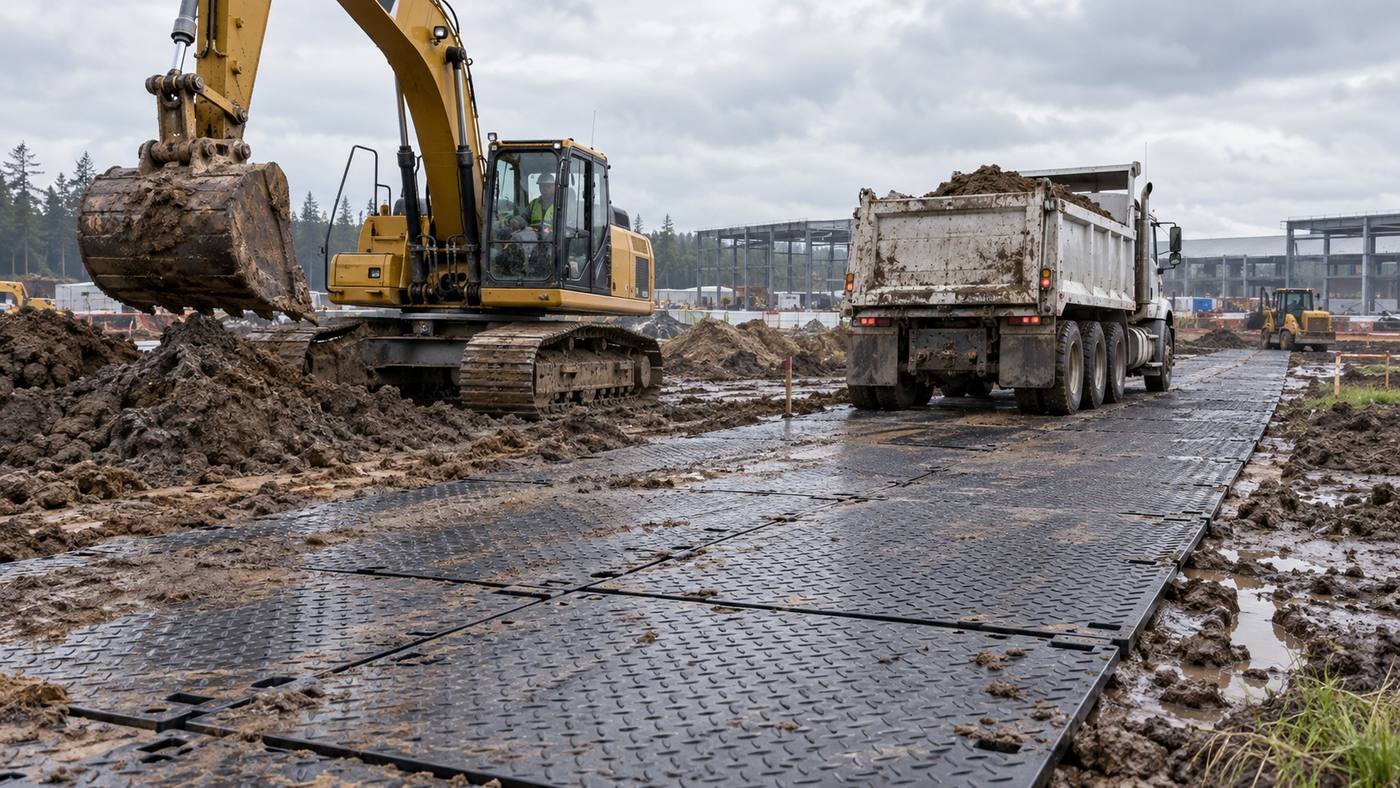
The goal of soft ground for wind field pylons is to allow construction vehicles to travel within controlled routes, while avoiding turning ground protection problems into equipment stabilization problems. The topic, which revolves around wind blades, tubes, cabin transports and wind hangers, focuses on “What happens to wind field pylons when they encounter soft surfaces”, and should be checked, inter alia, for the fall in ground-based loads following rainfall and the emergence of pump muds or faults. Where there is a gutter, backfilling area, slope or unknown underground facility on the route, the treatment must first be confirmed by the responsible party of the project.
The technical communication shall first identify the profile of the van, the axle charge, the minimum turn radius, the road slope, the maximum reversibility of the leg of the main hanging, the earth's durability and which of the weather windows are designed for control. It is proposed that the minimum effective area of the leg pads be accounted for on the basis of maximum reversibility and durability, and that the supplier be required to specify the materials for the pavement or leg pads, the grade of the finished product, the method of testing, the basis of application and the conditions of limitation. Reference data such as nominal 50 to 200 tonnes cannot be directly compared horizontally without the same test basis. In the case of soft land for wind field pylons, the information review should also mark the change in slopes, equipment-crawling capacity and downhill brake areas on the map and include missing information as items to be confirmed for quotations and construction programmes.
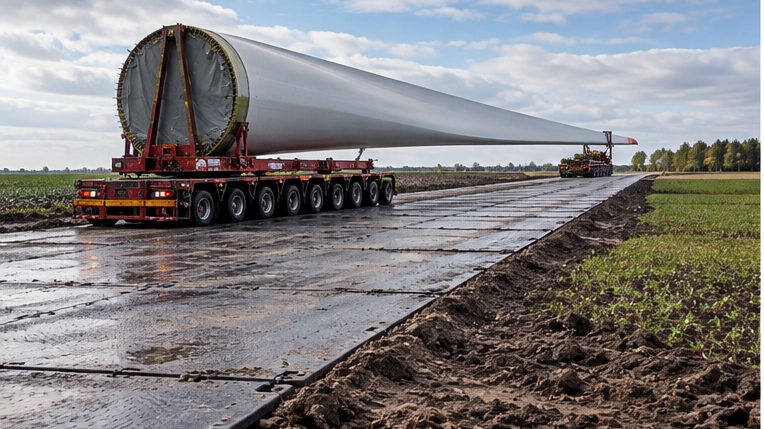
Figure: Wind blades, tubers, cabin transport and wind hanger sites, with a focus on “What happens when wind field towers are transported on soft land”
The construction organization is as important as the product specifications. Operators should use means of moving a single load, with the vehicle being directed by a commander, without brakes, in situ wheeling or constant pressure. Wind and electricity transport and suspension must control the continuity of the road and the carrying of the feeder, respectively, and any nominal tonnage must be returned to the ground and equipment condition. Changes in traffic routes, repositioning of equipment or heavy rainfall are followed by a re-examination of the continued applicability of the original programme. The test-pail record of “what to do with a soft surface for wind-field pylons” should indicate the starting-point location, vehicle condition and release conclusion to facilitate review as construction conditions change.
Multi-shift or lease items may be used for electronic worksheets to record internal and external rotor tracks, faulty plates, road shoulder deformations, leg deposition, horizontality, connectors and water accumulation, and to link road maps and product numbers. Continuous anomalies should trigger a review of the project, rather than a mere surface. Visible permanent deformation, deep mouth or postpoint damage to the leg cushions shall be judged by standard manufacturer ' s isolation. The inspection forms are to show a single drop in the base load and a change in the pump mud or the wrong table, and to indicate the time taken by the inspector and his/her return.
The full life-cycle costs include procurement or leasing, shipping, unloading, laying, inspection, cleaning, maintenance, warehousing and ground restoration. The project should compare the implementation cost of accounting for the lowest effective area of the leg pads on the basis of maximum retroactivity and durability with the cost of stoppage or repairing as a result of the drop in the ground-based load following rainfall and the occurrence of pumping mud or error, and not be based solely on the price of a single block product. It should also answer whether “what if wind field pylons encounter a soft surface” has been demonstrated to improve by accounting for the minimum effective area of the leg pads on the basis of maximum retroactivity and durability, and to avoid a subjective description of the final item.
Progress pressure cannot reduce the security floor. In the event of a fall in ground-based loads following rainfall and the presence of pump mud or error, the decision should be made to repair, reroute or replace the product after isolation and identification of the cause. Any measures should avoid introducing new risks of slide, overloading, tripping, electric area intrusion or human-car conflict.
Need for further evaluation of the actual project?
Applications, sizes, quantities, site photographs or drawings and delivery destinations are sent, on which we can identify more suitable products and processing programmes.