
The calculation of combined costs in the case of remote energy projects should be based on the most unfavourable rather than average conditions. Wind, voltage and other energy project camps, far from hard roads, are concerned that the “how to calculate the combined costs in the case of remote energy projects” may be affected by heavy vehicle cycles, rainfall and time compression at the same time, and that the physical use of connections may be exacerbated by looseness, drainage congestion or reduced pollution. It would be clearer for on-site execution to first determine the conditions for allowing deposition, decommissioning and those responsible, and then select product specifications.
Procurement staff should submit site maps, vehicle schedules and transport distances, terrain, snow seasons, maximum vehicles, camp layout, handling equipment, stock rotation, supply cycles and destination ports along with the request for quotations, and indicate where the connection is loose, drainage congestion or pollution may reduce the actual usage. The programme can be based on the calculation of the straight-line segment, the turning area, the docking position and the surface, respectively. For the whole container procurement, the quantity of the container, the pallet or bundle, the offloading equipment, the destination port and the conditions of storage at the site should also be confirmed in advance. The information review should also indicate the use, quantity, duration, packaging and port of destination in the request for quotation documents and include missing information as an item to be confirmed in the quotation and construction programme.
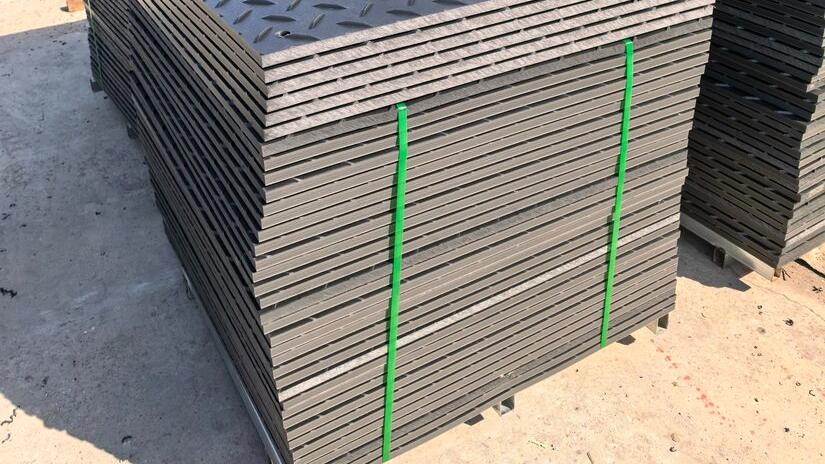
Figure: Camps for wind, photovoltaic and other energy projects away from hardened roads, with a focus on “How to calculate the combined costs of remote energy project cases” (inventory material for creating a network of plastics practitioners)
A representative route or a feeder may be selected for a controlled trial pavement to cover the softest floor and the most heavy equipment condition. Remote projects need to use roads, parking, stacks and emergency routes as a logistics system, and single-form product weights are as important as recovery efficiency. The decision to increase width, improve drainage or reorient traffic is then taken by means of experimental observation of grass-roots, sewn, tyre tracks and operating space. The trial-pail record of “how to calculate the combined costs in the case of a remote energy project” should indicate the starting and ending position, vehicle status and release conclusions to facilitate review as construction conditions change.
Multi-shift or lease items can be recorded electronically in stock, route continuity, drainage, shoulders, pollution, plate numbering, handling safety and emergency vehicle clean-up and associated road map and product numbers. Continuous anomalies should trigger a review of the project, rather than a mere surface. Visible permanent deformation, deep mouth or postpoint damage to the leg cushions shall be judged by standard manufacturer ' s isolation. In the context of “how to calculate the combined costs in the case of remote energy projects”, the inspection forms need to show changes in the actual operational status of loose connections, drainage congestion or pollution, as well as a reference to the inspector and the time of return.
The receiving and inspection information shall be maintained in the form of maps, product numbers, photographs of entry and exit sites, initial ground conditions, abnormal worksheets and demolition records. In the event of a ground or equipment dispute, the information may distinguish between pre-existing soft spots, changes in use and damage to the evacuation site, and also quantify the impact of loose connections, drainage congestion or pollution on the cost of the project. It should also answer whether “how to calculate the combined costs in the case of remote energy projects” has been shown to be an improvement by calculating the line segments, turn areas, docking slots and surfaces separately, avoiding a subjective description of the closing item.
This topic can be summarized as first confirming the boundary of the work, then configure the appropriate product, and then validate it with test run, inspection and project data. The formal programme should identify those responsible, the restrictions, the criteria for decommissioning, the means of recovery and the emergency route, so as to avoid the loss of critical information following changes in the class or contractor.
Need for further evaluation of the actual project?
Applications, sizes, quantities, site photographs or drawings and delivery destinations are sent, on which we can identify more suitable products and processing programmes.







